
 by
by 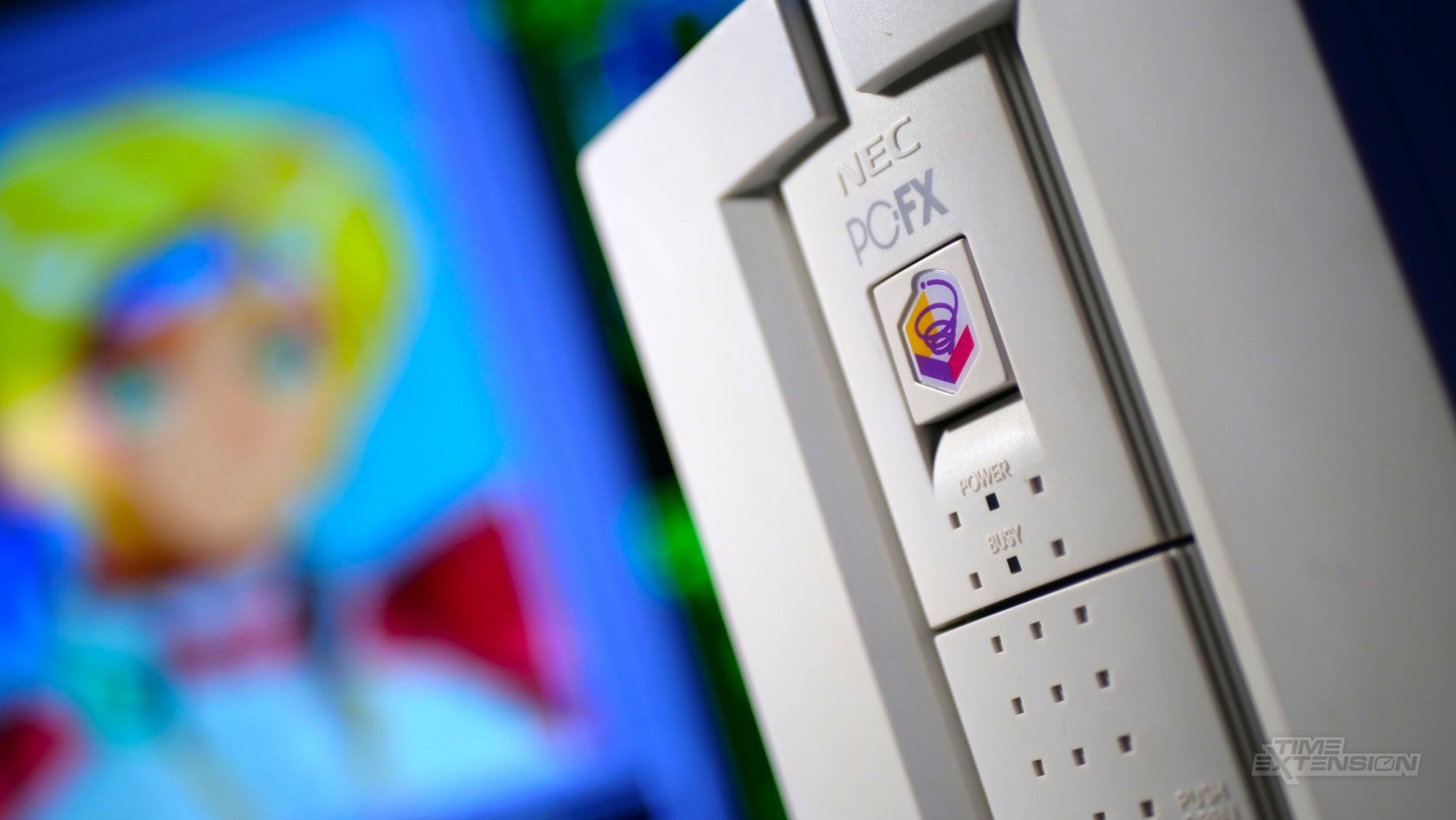
The stories of the NEC’s PC-FX’s failure are legion. Following the successful PC Engine, the PC-FX was an entrant in the fifth-generation console race in the mid-'90s, and its failure led to NEC’s departure from the game console market as a direct participant.
As a Japan-only console, there is a certain mystique around the PC-FX, just as there are with platforms such as the FM Towns and X68000. Part of that mystique is the story that surrounds the platform in the English language, taken from anecdotes from contemporary articles that have now solidified into fact-like status around the PC-FX and its failure.
However, when looking at its history in Japanese articles from that time and the present day, particularly those actually involved in its development, reveals, as with most things in life, a more nuanced story.
Say Hello To Hudson Soft, And The PC Engine
To understand what the PC-FX is, we need to bring in the other major player in the system’s development, Hudson Soft. Hailing from Sapporo on Japan’s northern-most main island of Hokkaido, the Kudo brothers’ Hudson Soft was a rather unorthodox company.
Lacking many of the formalities present in many traditional Japanese businesses, the company fostered a more free-thinking laissez-faire approach and found huge success on Nintendo’s Famicom (NES), becoming its first third-party. Flush with cash, Hudson’s Chief Executive Hiroshi Kudo wanted to invest some of its Famicom-boom money on a pet project – to make a better Famicom. Why? Because they could. As simple as that.
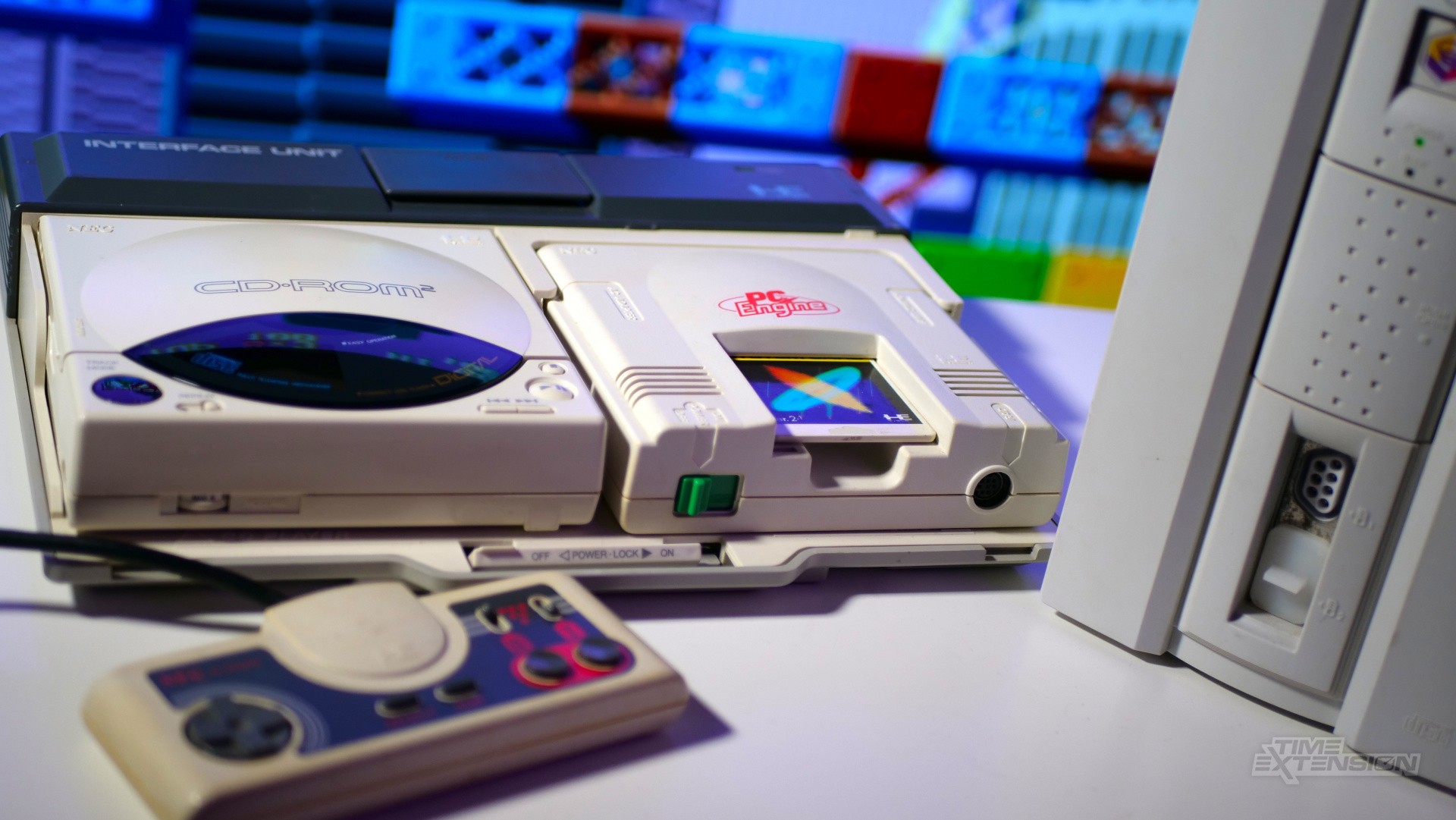
With the help of in-house semiconductor engineer, Kimio Yamaura, and with Seiko-Epson sweet-talked into manufacturing a sample of the chips, the basis of what would become the PC Engine was not only made but also proven to work.
It was only at this point that Hudson began to think about the commercial potential of such a machine and began shopping around for a suitor. As it would happen, NEC Home Electronics was looking to get in on the home video game market as well, having had great success in the personal computer space. A deal was struck, and on 30th October 1987, the PC Engine launched in Japan.
The success of the PC Engine was such that during a brief window before the Super Famicom’s launch, it was second only to the Famicom. Whilst it did very well, the PC Engine platform wasn’t without the odd misfire, such as the badly judged SuperGrafx in 1989. The SuperGrafx comprised of two PC Engine C6270 chips, allowing for two background layers and doubled sprite capability. Otherwise, it was still a PC Engine and bombed hard in the marketplace. But as the PC-FX story shows, the SuperGrafx approach wasn’t entirely dead.
Hudson made royalties on every PC Engine sold and took that money into new projects, one of which was unveiled at January 1992’s winter CES: the Hudson Video System, codenamed HuC62. The HuC62 was so named for Hudson founder Yuji Kudo’s love of the C62 ‘Hudson-class’ steam locomotive; as you can tell, it wasn’t the only thing the locomotive’s name influenced.
Enter The Iron Man
The HuC62 platform was unveiled in greater detail at Hudson’s 20th-anniversary press conference at the Imperial Hotel in Hibiya, Tokyo. Gekkan PC Engine magazine reported the 5-chip system handled real-time 30fps full-screen full-motion video (FMV) playback, which was pretty impressive for the time. On a 68000-powered Amiga 500, a small JPEG could take minutes to display, so streaming JPEG video in real time was a powerful feature in 1992. In addition, the system could display true-colour graphics with a 32-bit CPU.
Demonstrations of what was apparently Super Star Soldier 3D, image morphing, along with video playback from the roughly 30x30cm bare motherboard, impressed. But within the HuC62 there were hints of what was to come.
But why did Hudson develop the HuC62? Some voices driving this direction of travel are evident in the same issue of Gekkan PC Engine from Hudson stalwart and Bomberman creator Shinichi Nakamoto’s regular 'HyperBox' column, where he described the pains that creating animated scenes for games such as Tengai Makyou II Manji Maru and Nadia: The Secret of Blue Water were exerting on Hudson. Instead, he opined that if they could incorporate then-traditional animation techniques into games, this would bring creatives from other industries into development and also speed up the process immensely.
He wasn’t wrong, but what was wrong was the assertion that these were the kinds of experiences players were looking for. Most gamers of a certain age will know how well FMV games went down in reality, not well at all. What begins to emerge is a picture of a company enthusiastically working on a technology, but then beginning to see it as the solution to everything. It’s admirable, but misjudged.
But there is one glaring omission: 3D. Over the years, much has been speculated about the PC-FX and 3D capability, but as researching primary sources indicates, the PC-FX at no point, including at the earliest HuC62 phase, had any 3D hardware – but we’ll get to that.
In 1993, Hudson’s annual games contest, known as the caravan events that travelled all over Japan, morphed into the Super Caravan, featuring a brand-new exclusive game to showcase national broadcaster NHK’s new HDTV service, Hi-Vision. For this, Hi-Ten Bomberman was created, reflecting its basis on Hi-Vision and being a ten-player variant using HD graphics.
The basis for this system, according to Toshiyuki Takahashi (or Takahashi Meijin, as he is more famously known), was a board called Tetsujin, or 'Iron Man' in English. This was paired with two PC Engine consoles that acted as the inputs for the ten players. What the Tetsujin board actually was at this stage has never been detailed, but given its codename, it is likely to have been based on the HuC62 platform.
Special FX
In January 1994, news broke from NEC Home Electronics of a new machine, the PC-FX. Revealed in PC Gekkan, the basis of the machine was indeed confirmed to be the HuC62 platform with one key change: the CPU was now NEC’s own V810, which would later feature in Nintendo’s Virtual Boy.
Even in early 1994, when asked about the machine’s 3D prowess, NEC’s Tetsuya Iguchi lamented that such capabilities would be difficult, only suitable for racing games and ultimately a jerky disappointment. Shinichi Nakamoto’s HyperBox column in the same magazine was similarly dismissive of 3D being able to convey certain experiences at that point in time. Hudson had really misjudged the appeal of 3D to players, and the runaway success of Sega’s Virtua Fighter in Japan cemented this.
The PC-FX was eventually launched on December 23rd, 1994, delayed from its original December 9th target date and followed the 3DO, Saturn, PlayStation and Super 32X add-on. Early on, Sega’s Saturn was dominant on the strength of Virtua Fighter alone in Japan, with Sony’s PlayStation also selling strongly. Into this bear pit, the PC-FX was a dead (iron) man walking.
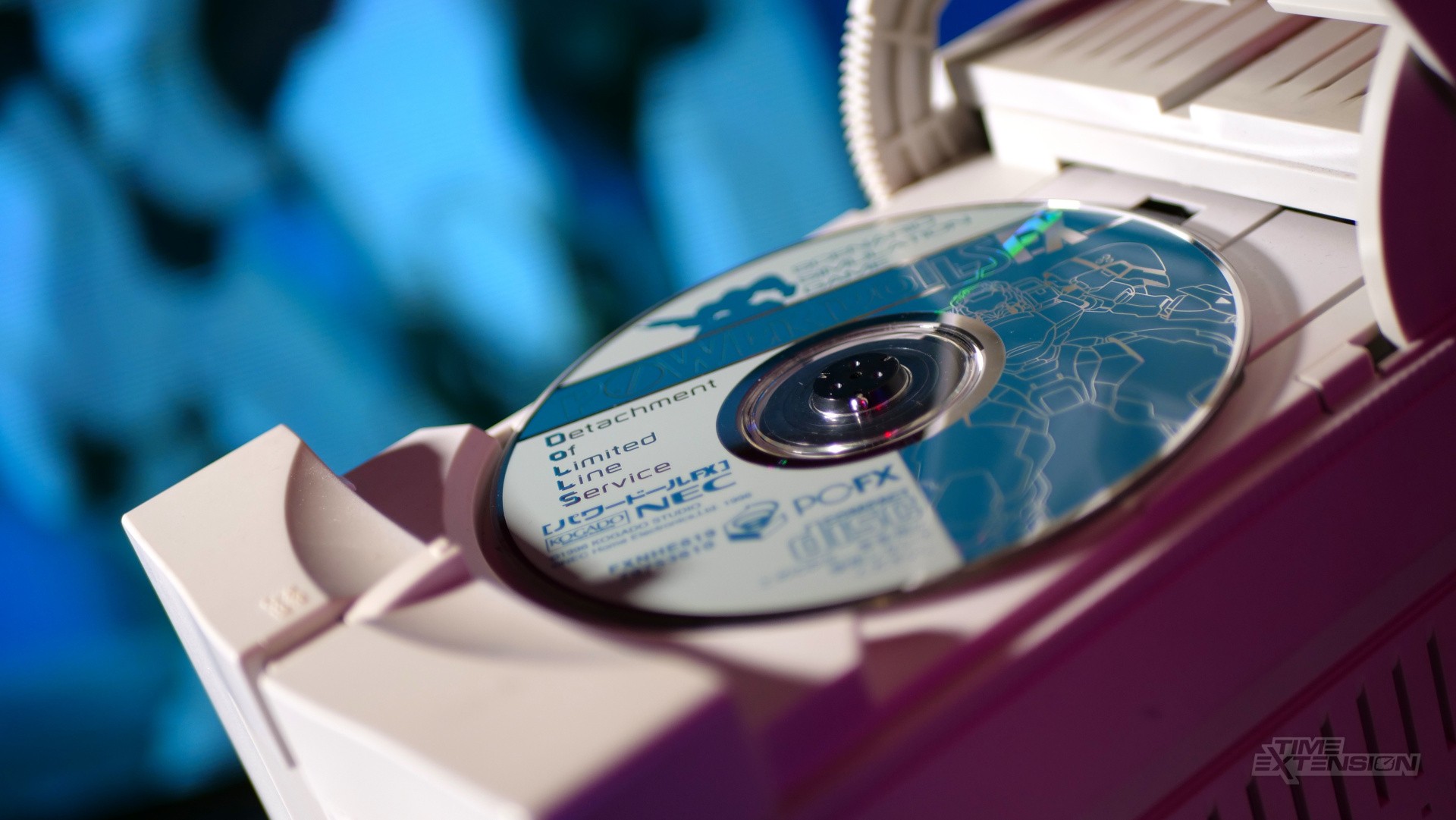
But what actually was in the PC-FX? When you strip away the PC-FX’s FMV capability, the additional 4 planes of 24-bit graphics, and the V810 CPU, the PC-FX is, in many ways, a SuperGrafx. In fact, Hudson stalwart Hiromasa Iwasaki, coder behind Tengai Makyou II and many other games, went on the record on his blog to confirm statements on Japanese-language Wikipedia that 3D capability not being included in the PC-FX due to it being late were categorical lies. Furthermore, he stated that Hudson believed extending the PC Engine with FMV would be sufficient.
In addition to the new graphical capabilities, like the SuperGrafx, the PC-FX has a pair of C6270 graphics chips, which were also the system’s sole sprite engine. The overlooked sound chip of the PC-FX, the C6230, contained the PC Engine’s PSG sound and added ADPCM audio primarily for speech, which itself appeared in 1987’s Sharp X68000. Otherwise, if it wasn’t for CD Audio, it aurally sounds like a PC-Engine.
In and of itself, incorporating PC Engine tech to provide backwards compatibility isn't a bad thing, and the fact that these ICs weren’t integrated into a single simplified design hints at a rushed design phase. Unfortunately, they were there to deliver essential system functions against the PlayStation and Saturn.
Hiroyuki Maeda in the PC Engine Perfect Catalogue posits that the CPU switch to NEC’s V810 was made relatively last minute as a panicked response to emerging specifications of other 5th generation consoles, and thus losing the PC-FX’s backwards compatibility – although launching a 5th generation system with the PC Engine’s 6502-derived C6280 CPU seems unlikely.
It's worth revisiting the whole 'PC-FX and 3D' debate, because the rumours surrounding it are persistent and have been the subject of many a retrospective of the system. An article in EDGE magazine in May 1994 contained photos of the aforementioned Super Star Soldier 3D and the unreleased Kuma Soldier, but reported that the PC-FX’s graphical specification had’t been released. The article is vague, noting that it was thought the machine contained only one Hudson chip, which turned out to be incorrect. It’s this article that seems to have fuelled the on/off discussion of the PC-FX’s supposed 3D capability being dropped.
The second muddying detail is the PC expansion card released by NEC in 1995, the PC-FXGA. This, when added to a compatible NEC PC-98 or DOS/V machine, not only had a PC-FX on board but also a brand-new 3D chip from Kubota and Hudson. Kubota as in the agricultural equipment manufacturer! In the late '80s to mid '90s, Kubota had some involvement with high-end graphic workstations, a story in itself. This chip was the HuC6273 Aurora, which added hardware 3D capability to the PC-FX platform.
A patent published on May 22nd 1995, jointly between Hudson and Kubota, was published by Itagaki Fumihiko and detailed the Aurora chip. Itagaki-san was another stalwart of Hudson Soft, directly involved in X68000 projects, the HuC62 and the resultant PC-FX platform.
Of 3D and PC-FX, he has emphatically stated that Hudson had no intention of developing hardware 3D capability for the PC-FX, and furthermore, it wasn’t unduly worried by what it saw coming from other manufacturers. Therefore, it wasn’t a case of 3D being dropped from the PC-FX; it never existed in the first place. To further compound Hudson’s relaxed viewpoint as regards 3D, Itagaki-san states it was Kubota that approached Hudson to develop such a 3D chip.
The inclusion of the Aurora on the PC-FXGA card was not a hint of things to come for the PC-FX; it was intended for the next generation of PC-FX that never happened. In the end, only the PC-FXGA had the Aurora 3D chip.
Itagaki-san, in response to an email I sent him, clarified further that the EXT3 port on the PC-FX has nothing to do with 3D expansion and was only intended to increase the main system RAM, which itself never happened. This quashes the rumours and videos stating this connector was for a planned 3D expansion, even though the PC-FX’s manual says it was intended for RAM expansion.
After-FX
It’s easy to be hard on the PC-FX, but the 5th generation race was like nothing we have seen since. Exciting, cutthroat and revolutionary. Out of it, though it wasn’t immediately obvious, Sony’s PlayStation emerged the victor. Into one of the most febrile fights, the PC-FX was an optimistic try, and at least one that was laying a unique stake on how it saw the future of gaming. But the players saw the future differently from Hudson and NEC.
Bubble-era Japan was fading, and the cold economic fallout of the asset price implosion was still arguably doing its worst to the Japanese economy, including to Hudson Soft itself. But for the scant years the PC-FX was on the market, it developed a hardcore following. Titles were more or less always guaranteed to sell around 20,000 units. This may not sound much, but it was at least bankable income.
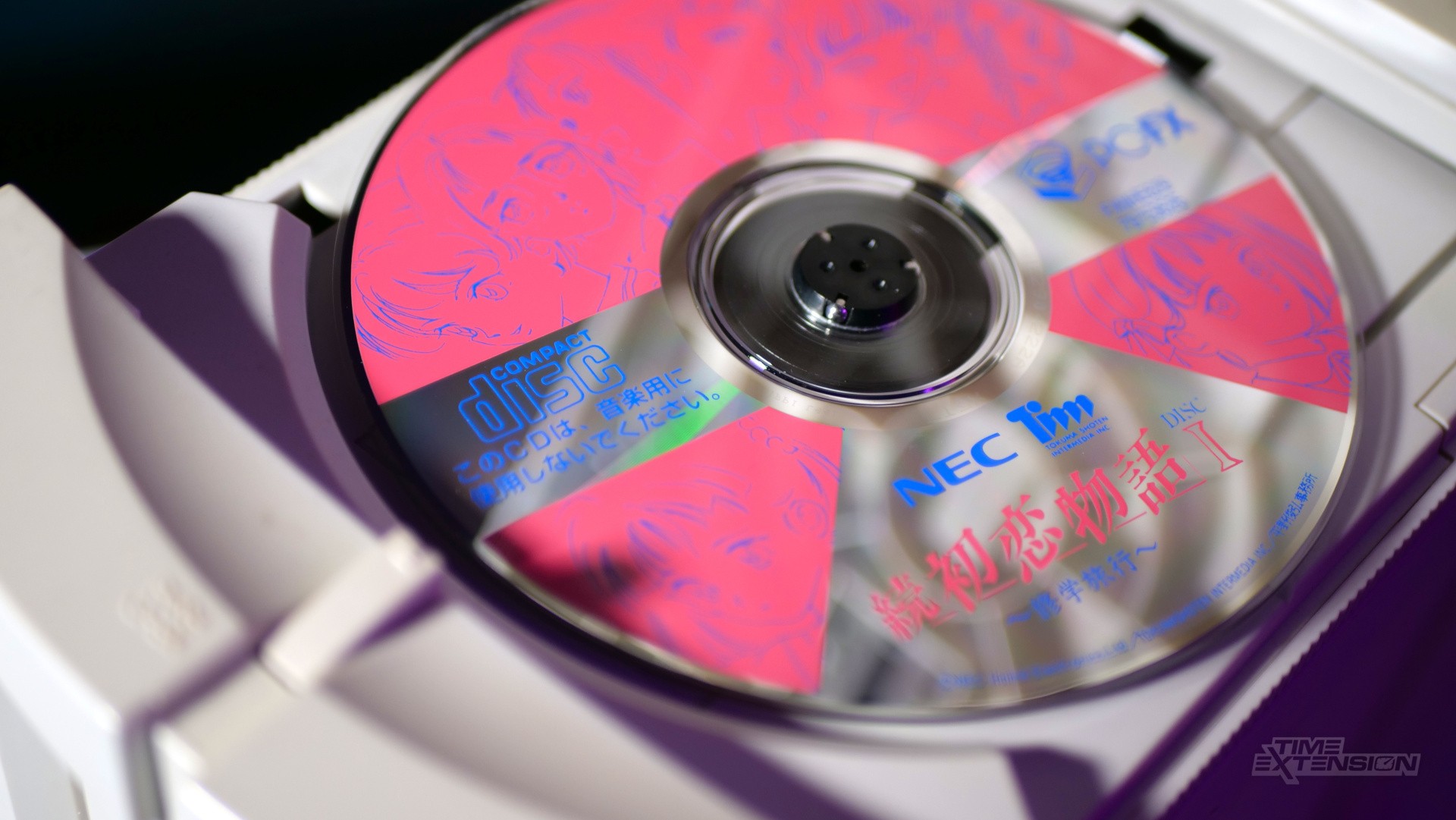
Many of its games remain locked behind a language barrier for those who can’t understand Japanese, but increasingly, we’re seeing translation patches for its few games, of which 61 were released, the last in 1998. Whilst some have what I would charitably call niche content, there are some good games to be found on the system.
In the end, NEC Home Electronics bowed out of the market, though NEC’s Power VR2 graphics did power Sega’s Dreamcast, and Hudson themselves managed to stumble on after the catastrophic collapse of their main bank in 1997 before eventually being revived initially from investment, then eventually purchased by old-time friend Konami, before being closed down in 2012.
The impact that NEC and especially Hudson Soft had on the gaming landscape is underreported. I like to think Hudson’s founding Kudo brothers look back on with great fondness on what their company, which started as a CB Radio shop in 1973, accomplished. I’m sure Hiroshi finds time to fly fish in Hokkaido, and Yuji is indulging in his other hobbies, including taking photos around Asakusa.
Thank you, Hudson Soft. We miss you greatly.
Somewhere Over The Rainbow…
Itagaki san also added a couple of other interesting bits in that the PC-FX’s C6271 chip known as Rainbow is not named after a colourful phenomenon in the sky, but rather Rainbow Trout… a fish. Likewise, the C6272 chip in the PC-FX is called King, as in King Salmon or Chinook Salmon in English. If I were to speculate, maybe a nod to Hudson co-founder Hiroshi Kudo’s love of fishing.
And as a cautionary tale of those taking Wikipedia at face value, the English Wikipedia page still to this day states that Famitsu rated the PC-FX almost identically to the PlayStation. Sadly, the citation doesn’t mention or fails to understand that the cross review was relating to each console’s relative CD playback quality, not the machines as a whole. It’s little wonder YouTube is so full of misinformation.