
 by
by 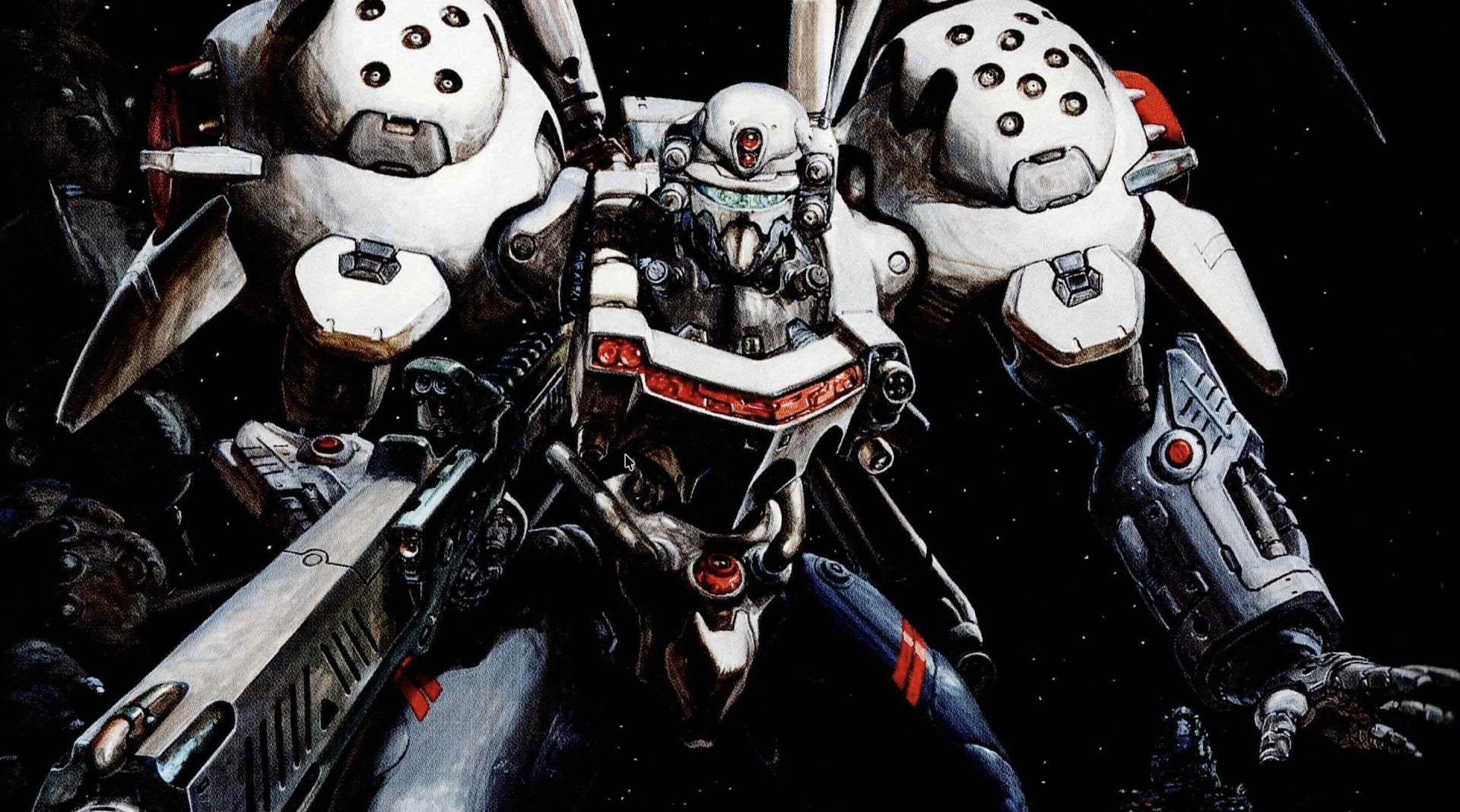
One of the mecha games on the original PlayStation was Omega Boost. Affording 360-degrees of gameplay, it was and still is a unique game. So I was elated to be able to talk with the game’s main programmer and game designer, Yuji Yasuhara, about how the game got made.
Before we got to Omega Boost, I wanted to know how Yasuhara had gotten into gaming, but it turns out that wasn’t his initial calling.
“I’ve been the type of person who gets completely absorbed in games since I was very young. My first game console was the Sega SG-1000. I think I was around my first year of junior high school. At the time, everyone around me was playing Nintendo’s Famicom, so none of my friends owned the same console. I spent countless hours playing a shooting game called Star Jacker, but I had no one to compare my skills with. I even remember thinking, “Maybe I’m the best Star Jacker player in the world.
“Looking back, I think the ability to devote yourself to what you love regardless of trends may be an important quality for creative work.
“When I entered university, I joined the Magic Club and became deeply involved in stage magic. I sometimes think I should have studied more, because I devoted myself almost entirely to practising magic tricks. I wasn’t particularly popular or impressive as a young man, but in the process of mastering stage magic, I discovered that I was more dexterous than most people. I competed in national tournaments and eventually became the student national champion at the time.
“Magic is fascinating. On the surface, it’s about showing tricks to an audience. But once you become deeply involved, you start thinking about how to perform for fellow magicians. For example, executing a common routine in an extremely short amount of time, or deliberately opening your fingers during a move that is normally done with the fingers closed—details that only other magicians would notice. From the audience’s perspective, these things don’t really matter. But I definitely had the desire to astonish my peers more than anyone else.
“The techniques used in magic to guide an audience’s psychology are incredibly refined. Occasionally, I would encounter a truly ingenious invention and feel deeply moved by it. When I graduated from university, the sense of loss I felt from leaving the Magic Club was very strong.
“Many programmers of my generation had been coding since elementary school, but I had almost no experience with programming. I played around with BASIC on a personal computer in high school, but in university I focused almost entirely on magic and barely touched a computer. However, in my fourth year, I happened to be assigned to a software laboratory. Around the same time, I was retiring from the Magic Club, and perhaps to fill that sense of loss, I decided to try making a game.
“When I distributed it within the university, people enjoyed playing it and even sent me feedback, which felt great. I went on to create several more games and submitted them to I/O, a computer magazine, where they were published, and I was even paid for my work. That experience gave me confidence. I began to think that maybe this was something I was suited for, so I applied to Sega as a programmer. Fortunately, I was hired, and that is how I came to make a living developing games.
“In truth, it wasn’t so much that I wanted to make games; it was that I wanted to continue doing stage magic. Perfecting technique and presenting it to an audience, guiding the audience’s psychology, there are many similarities between game programming and stage magic.”
Starting Out At Sega On Panzer Dragoon Zwei And Then Moving To Sony
It was here that Yasuhara moved into game development and landed a role at Sega, specifically within Team Andromeda, and contributed to games such as Panzer Dragoon Zwei.
“Although I was very comfortable at Sega and had no particular complaints, I decided to change jobs and join Sony Computer Entertainment. At the time, the game industry was far from stable, and there was a widely believed notion that “programmers retire at 30.” The idea was that this kind of intense, unreasonable work style simply couldn’t continue past that age.
“And to be fair, the work was intense. I remember leaving the office after midnight, completely exhausted, seeing a crowd gathered at a shrine on my way home, and only then realising it was New Year’s Day. The team I belonged to, Team Andromeda, which developed the Panzer Dragoon series, was made up entirely of people in their twenties. There was no visible career path for what would happen once you turned thirty.
“Given that I had chosen a profession that was anything but stable, I felt that while I was still able to work at full capacity, I should experience different companies rather than grow too comfortable where I was. That mindset led me to change jobs.
“I joined Sony at the end of 1997. At the time, Sony’s game business was expanding rapidly thanks to the PlayStation, and they were hiring many new people. When I joined, there wasn’t a clearly defined role waiting for me. Instead, there was a period where it was more like, “Let’s think about what kind of work you should do.” Attendance and job responsibilities were handled rather loosely during that time.
“I was introduced to several ongoing and upcoming projects within Sony. I turned some of them down, saying, for example, that I didn’t want to work on a role-playing game. Then I was shown a project with the comment, “This one is likely to be cancelled soon, but just for your reference.” That project was Omega Boost. When I heard it was a 3D shooting game, I immediately said, “I’d love to work on that.”
“At that point, Omega Boost had already been in development for several years but had failed to reach completion and was on the verge of being cancelled. I told them, “If you entrust this to me, I will absolutely make it work,” and I took over the project. I had no real basis or confidence for saying that, but I said it anyway.
“The pre-existing assets, movies, 3D models, music, and the scenario, were all of exceptionally high quality. I felt deep respect for the team and producers who had created them. Precisely because of that quality, I felt it would be far too wasteful to let the project disappear.
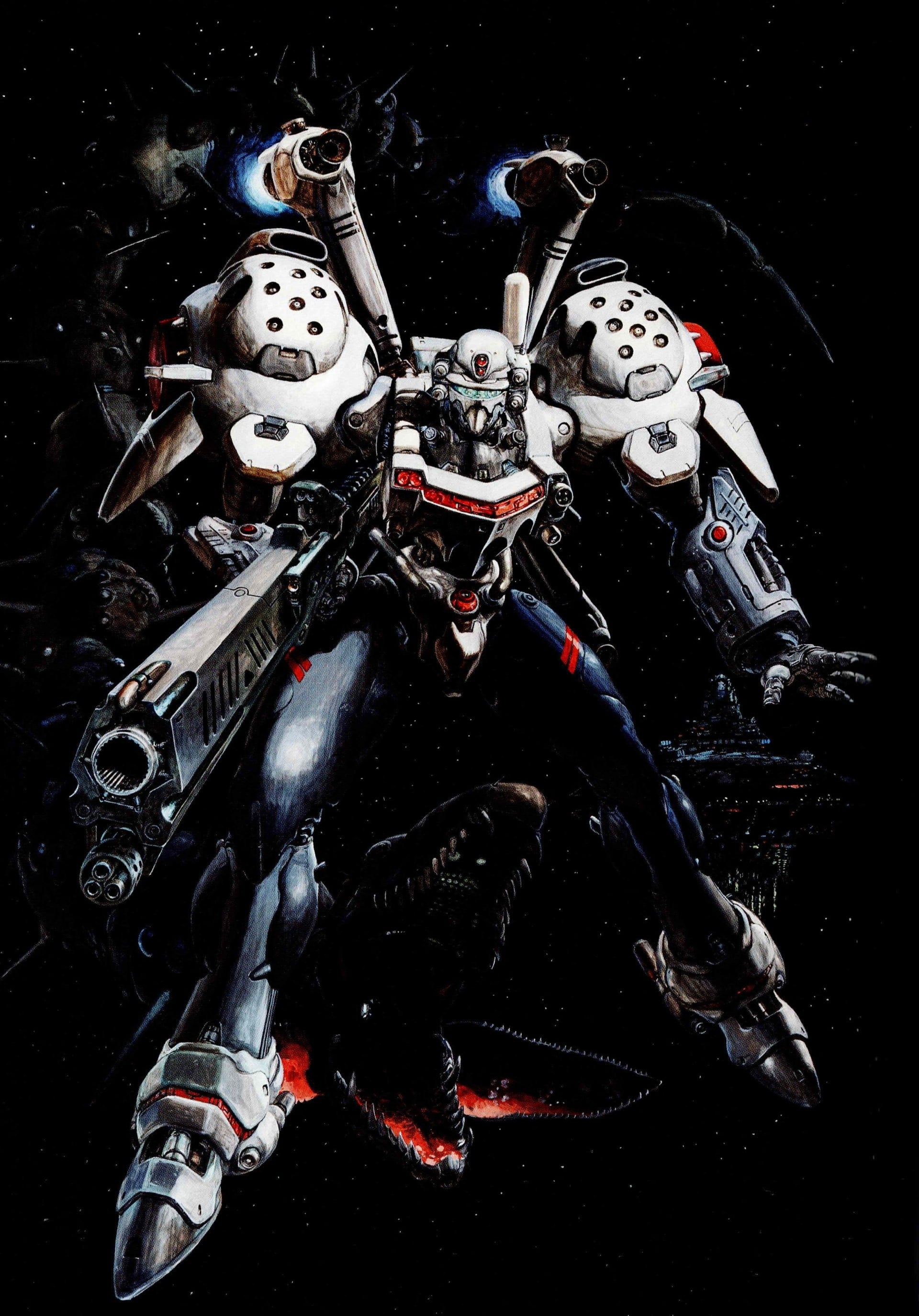
“As I examined these outstanding materials, I began rethinking the project from the ground up in terms of game design, what kind of game it should ultimately become. At the same time, I was learning how to work with the PlayStation hardware, which was new to me, and continued development quietly and steadily.
“Since I was both designing the game and writing the programs to implement it, there was no formal design document. Even today, I think indie games are often made in a similar way. I had something I wanted to create, I had the technical ability to implement it, and high-quality assets were already prepared. Being able to begin development under those circumstances was truly fortunate.”
Tackling The Development Of Omega Boost Head-On
Having much of the planning materials in place, Yasuhara effectively had to resurrect Omega Boost mostly on his own, acting as both the main programmer and its game designer. This kind of thing is relatively unique for most games, but it was the only way Omega Boost could have been made.
“For most game development, responsibilities are divided among planners, artists, sound designers, and programmers. But once I had said, “I’ll make it work somehow,” there was no point in thinking in terms of role division. I suppose I could have chosen to act mainly as a director, but I genuinely liked programming, and I had a strong belief that, in the end, it’s programmers who actually make games.
“We already had sufficient assets in place to create a prototype, so it felt natural to design the game while immersing myself in coding. I wrote both the rendering system and the core game system. I also implemented the more tedious UI elements, such as key configuration, and even built a collision-setting tool that ran on PC.
“As a result, there were fewer meetings than in normal game development. Thankfully, my manager more or less left me alone, which allowed me to focus purely on production. During most of Omega Boost’s development, I was able to go home properly every day.
“There are cases where having a programmer handle game design dramatically increases efficiency, depending on the type of game. Writing code to identify the limits of a fixed hardware platform like the PlayStation is essentially about juggling multiple constraints and finding a combination that fits together perfectly. The first challenge is understanding the “shape” of those constraints at a high enough resolution. Then, once you discover an unusually good combination, a breakthrough happens, and suddenly you can introduce features that were previously too expensive to run.
“In a typical development environment, this kind of 'puzzle solving' tends to remain inside the programmer’s domain. But when you extend that constraint-based thinking into game design itself, it can lead to much bigger discoveries, almost like finding a miracle.
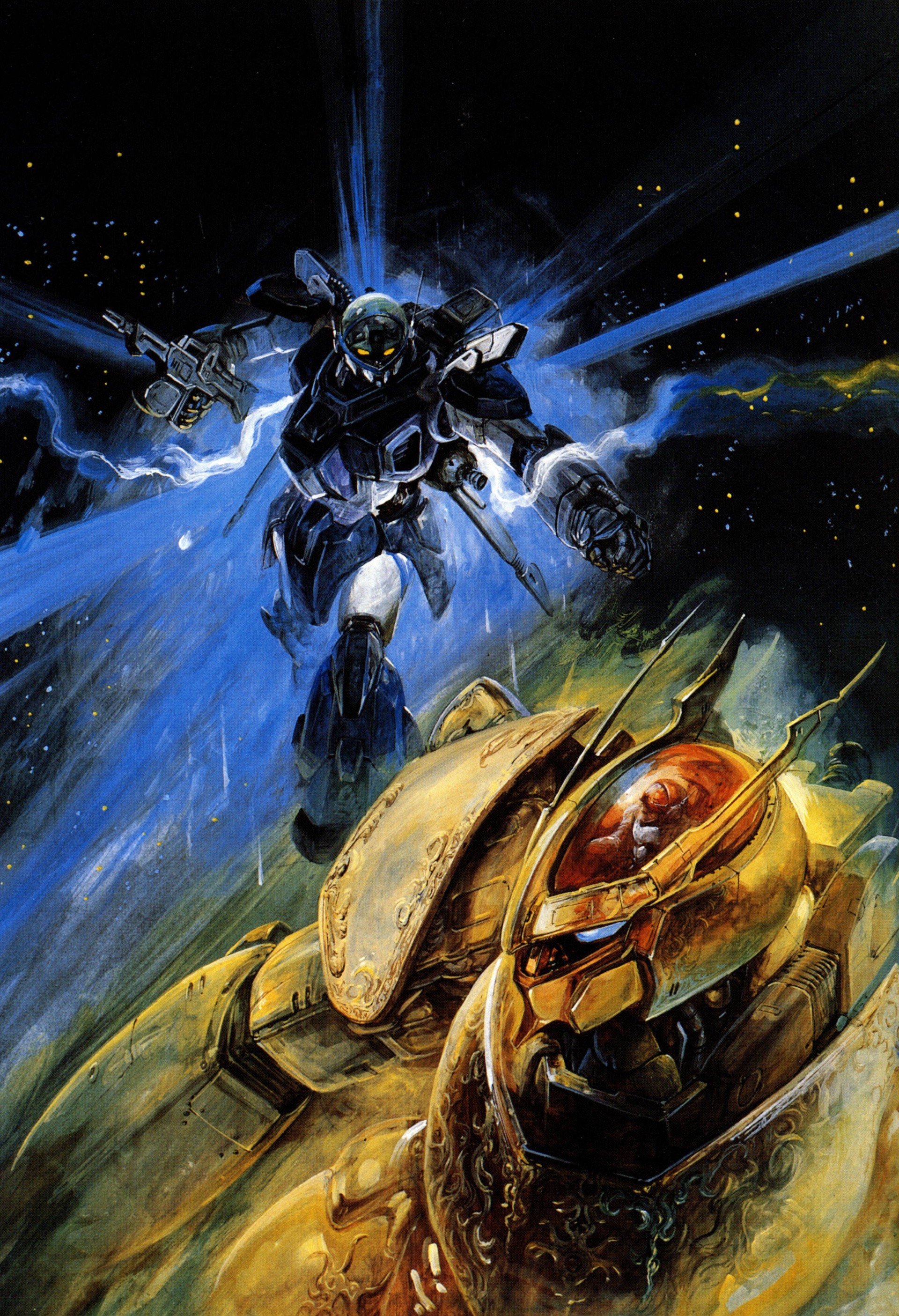
“For Omega Boost, for example, the core concept couldn’t work unless we could move across a three-dimensional spherical surface and perform spherical linear interpolation. At the time, quaternion best practices weren’t widely known, and I personally didn’t even know quaternions existed. I was only able to adopt this fundamental gameplay concept after discovering an algorithm that could efficiently compute the necessary, complex matrix operations on the PlayStation’s processor.
“I still vividly remember the solitary excitement I felt the moment that algorithm finally worked. Situations like that happened many times during Omega Boost’s development, and many of them would have been impossible unless one person had been both the game designer and the programmer.”
The Unique Influence Of A Blue Comet
While it is somewhat unknown outside of Japan, the 80s mecha anime Blue Comet SPT Layzner, directed by Ryosuke Takahashi and with mecha designs by Kunio Okawara, is incredibly influential across anime, manga, and games.
For Yasuhara, Layzner was particularly important in how aspects of Omega Boost were developed.
“Layzner aired when I was in junior high school, and I became completely obsessed with it. What left the strongest impression on me was its direction; unlike any anime I’d seen before, it emphasised the movement of the mecha themselves. Layzner, Dunbine, Macross, Giant Gorg, Nausicaä, these are the anime that influenced me most, but Layzner was an especially powerful shock.
“Back then, it became almost daily life for me: if I closed my eyes, I would inevitably replay Layzner’s motion in my head, those red and blue spirals darting through space.
“It’s impossible to hide how strongly Omega Boost was influenced by Layzner. The clearest example is the special move called “Viper Boost,” which is extremely similar to Layzner’s signature technique, V-MAX. That’s simply because I wanted to express the Layzner I loved as directly as possible. Inside the team, we even called it “V-MAX,” and the function name in the source code was literally VMAX.
“There were other influences as well. For example, the mechanic where pressing in the stick makes the player’s mecha flip over, almost like a backflip, was something I wanted specifically because I was trying to imitate Layzner (although, for gameplay reasons, the axis of rotation is different).
“It’s hard to fully convey in words, but in terms of humanoid mecha manoeuvring, Omega Boost’s movement was always built with Layzner in mind. The player’s mecha in Omega Boost doesn’t rely on traditional “animation” at all; there is no joint playback. Instead, the motion is generated through calculations like angular velocity and inertia. I aimed for that approach precisely because Layzner’s movement was burned into my imagination.
“Layzner even depicts roll rotation, the kind you’d talk about with aircraft, which is quite rare in animation. That kind of motion appears frequently in Omega Boost as well. The mecha in Layzner basically move in a way that doesn’t feel heavy, which sets them apart from what you might expect from mecha as industrial machines. Omega Boost was aiming for the same direction.
“In the broadest sense, you could almost call it a kind of fan work; Omega Boost was influenced by Layzner to that extent.”
Why ‘Realism’ Gets In The Way Of Good Gameplay
One of the more pernicious ideas in game development is the striving for “realism”. People like Valve’s Gabe Newell are very much against this approach, but Yasuhara is more specific on what that “guiding philosophy” for a game should be.
“Everyone has their own idea of what games should be. But if you’re the one creating a specific title, I believe you need a clear philosophy, something you stand for. With Omega Boost, I decided from the start that a game should be a “convenient world.”
“Let me explain what I mean.
“When I was very young, as many kids do, I would hold two mecha in my hands and imagine them fighting, building an entire fantasy in my head. In that world, everything was extremely convenient: the hero mecha in my right hand would get into trouble, but then turn things around and defeat the villain mecha in my left hand. Because it’s pure imagination, nothing inconvenient ever happens. I think many men will understand exactly what I’m talking about.
“So, in that fantasy battle, what gets omitted?
“It’s distance, mass, terrain, and coordinates. These four constraints are powerful, and they get in the way of a “convenient world.” In Omega Boost, I tried to eliminate them as much as possible. I’ll go through them one by one.
“First: Distance: Distance means situations where enemies are far away. But think about it: the mecha a small child holds in their right hand should never have a moment where it “searches” for enemies. In *Omega Boost*, no matter where the player is, enemies appear from the surrounding area. This causes many problems, and solving them was difficult, but I addressed them by stacking small inventions and hiding the seams as much as I could.
“Second: Mass: This relates to what I mentioned earlier about Layzner: movement that doesn’t feel heavy. If you consider scale realistically, Omega Boost’s mecha should move much more slowly. A metal object of that size shouldn’t be able to move so lightly or so freely. For this point, I didn’t bother making excuses inside the game. Most people accept that explosions in space still have sound, so I felt that contradictions around “mass” would also fall within the acceptable range of physical inconsistency.
“Third: Terrain: This is a problem specific to 3D games. Players can mostly see only what’s in front of them; the left, right, and rear are outside their view. But if the player can move sideways, obstacles can suddenly appear from off-screen, and there’s no perfect way to prevent that.
“My solution in Omega Boost was a bold one: remove terrain entirely. Not only terrain, but even buildings. If you remove it, implementation becomes easier, but the visuals become too simple. The real challenge was whether it could still feel like a full-priced commercial product. I used a variety of methods to ensure the screen still felt rich and satisfying even without terrain or structures. As far as I know, there aren’t any other full-priced games built with this approach, and I don’t think I could ever make something like that again myself.
“Finally: Coordinates: This is a problem unique to space stages with no gravity: what does 'up’ even mean in space?
“In Omega Boost, ‘up’ does exist. Specifically, pressing the L1 button always returns your mecha to an upright posture, with its head oriented toward ‘up’. If you don’t press it, then, like many other games, Omega Boost effectively has no ‘up’.
“But think again about that 'convenient world’ from childhood. When a child makes the hero mecha and villain mecha collide, would it be acceptable for the two mecha to have different “up” directions? If their orientations don’t match, it stops being a “convenient world.” You get pulled back into distracting thoughts like, “Oh right, this is what three-dimensional space really is,” and the fantasy suddenly cools off.
“For example, if an enemy fleet warps in right in front of you, it shouldn’t be upside down. Even in filmed works like Star Trek, ‘up’ is usually kept consistent, but in games, it suddenly becomes very difficult to preserve that quietly.
“Omega Boost made ‘up’, more precisely, the positive direction of the Y-axis, an explicit part of the game’s rules, with no ambiguity. I think this is a good example of how pursuing realism can cause you to lose something more important. And that’s exactly why it matters to define your guiding philosophy early on: it gives you the clarity to make these kinds of decisions.
Reminiscing On Omega Boost And Thinking About The Future
Finishing up, we talk about Yasuhara’s favourite parts of Omega Boost, the struggles of trying to make a sequel, and what his plans for the future are.
“At Sega, in my previous job, I worked as a programmer creating enemies and bosses for Panzer Dragoon Zwei. Specifically, a boss lurking in the lake inside the Stage 4 cave that I still consider a masterpiece, even now.
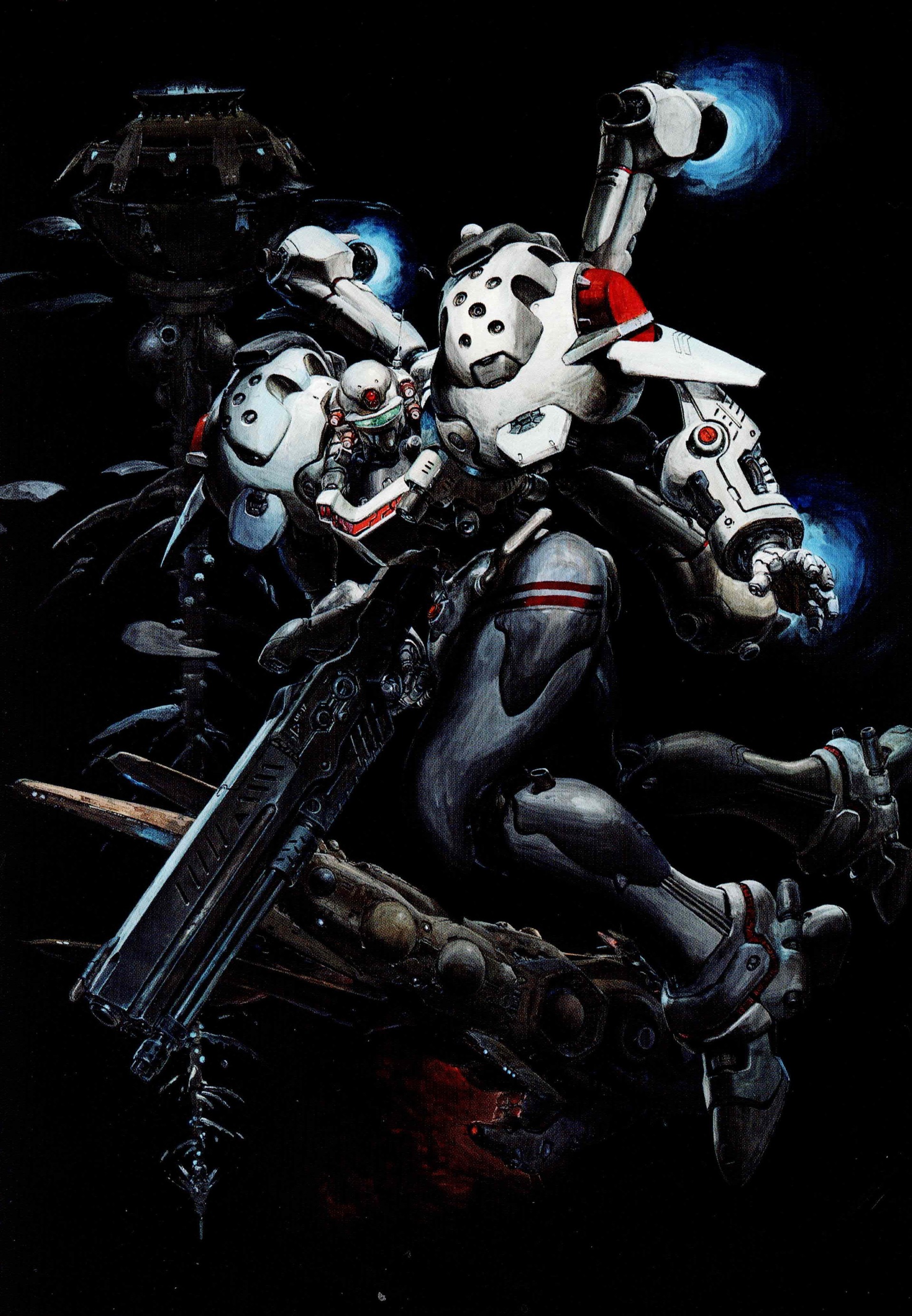
“When it comes to Omega Boost, my personal best work is the Stage 5 boss inside the Time Shaft, which we called 'the crab’. Both the player and the crab are fighting while falling down the shaft, and the crab spreads its legs to brake and reduce its falling speed. The sparks that fly when it does that are beautiful, and I never get tired of watching them.
“From a systems perspective, I think the replay system turned out particularly well. A replay system has a “trick”: because it references recorded data stored in a buffer after the fact, during playback the game effectively “knows the future.” That’s something you can’t do in a filmed work, but it’s a unique property of real-time rendering. Using that, I implemented what I called an “ambush camera” in replays, and I was genuinely excited when I came up with the idea.
“I also think the rendering was done well. During development, there were two separate times when I threw away the entire rendering code and rewrote it from scratch. A big factor in pushing the PlayStation to its limits was being able to consult with the programmers of Gran Turismo, who were developing on the same floor. After Omega Boost, I joined Gran Turismo as well, and the level of skill in the programming team gathered there was truly astonishing.
“When I finished Omega Boost, I actually did try to make a sequel. But I struggled to bring the direction into focus. A second instalment is difficult for any title. In the end, it didn’t come together, and I joined the development of Gran Turismo, and then spent about the next fifteen years working on Gran Turismo.
“Even during that time, I made several attempts to create another shooting game, because I’ve always loved that kind of game. I released an iPhone app called Space Deadbeef as a personal project, but that was really just a hobby. There was also a period when I temporarily stepped away from Gran Turismo because I wanted to make something properly again, but it didn’t work out.
“Through the frustration of 'wanting to make it, but not being able to,' I realised something: I don’t actually want to make games for their own sake. What I really want is to recreate the images that excited me when I was a boy, not as a video, but as a situation. That goal is interactive, so it inevitably means making a game. But the amount of surrounding work required to turn it into a full game is simply enormous.
“Even recently, some people still bring up Omega Boost, so I occasionally get chances to watch footage of it. And every time, I find myself thinking, “This is really well made.” To be honest, I don’t feel like I could beat the version of myself who made it at age 28. My knowledge and skills have improved beyond comparison since then, but the pure explosive energy I had back then isn’t something that’s easy to reproduce. On top of that, many circumstances at the time were simply fortunate. I never forget how grateful I am for that.
“After leaving Polyphony Digital, I worked at Unity Technologies Japan for about six years. I then left that position as well, and now I’m teaching Mathematics and Information Technologies at a high school.
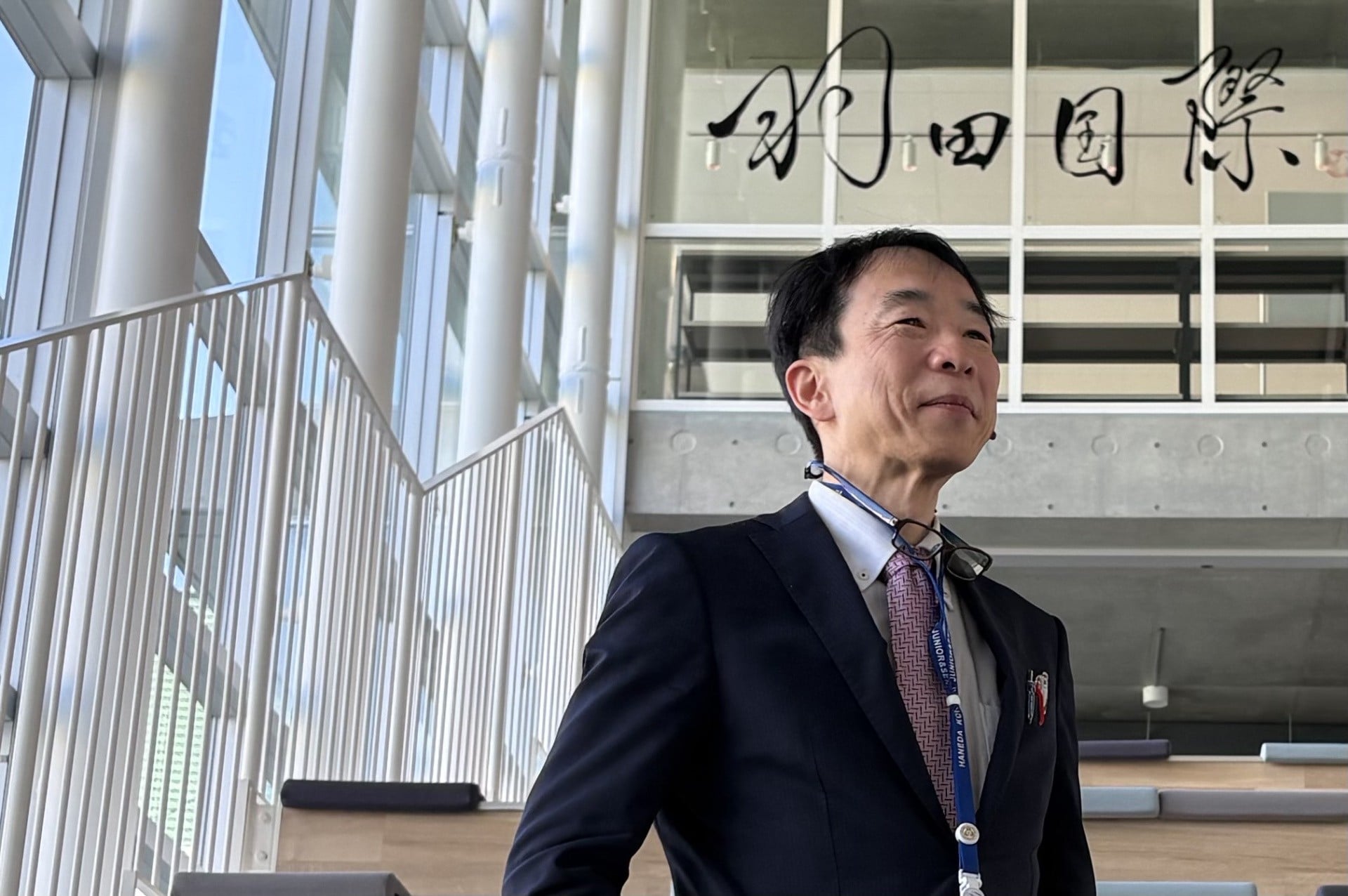
“The school is Haneda International High School, and I’ve been very fortunate to be welcomed into such a wonderful place. Every day, I’m energised by watching so many admirable teachers work incredibly hard for their students. I’m doing my best to keep up, sometimes even making small games for my classes.
“Someday, I’d be happy if my students look back and think, 'We had a teacher with a pretty unusual career path, didn’t we?’”
Shoji Kawamori On His Creative Contribution To Omega Boost
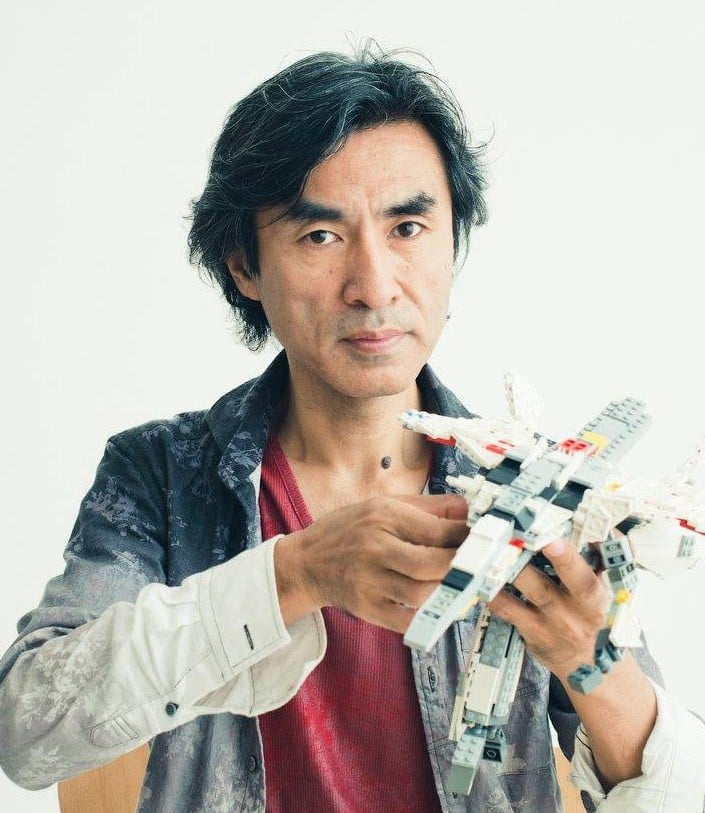
One of the main creative figures behind the production of Omega Boost, in terms of its mecha design, story, and setting, was also the renowned creator Shoji Kawamori. He was also kind enough to give his brief insights into how Omega Boost got made.
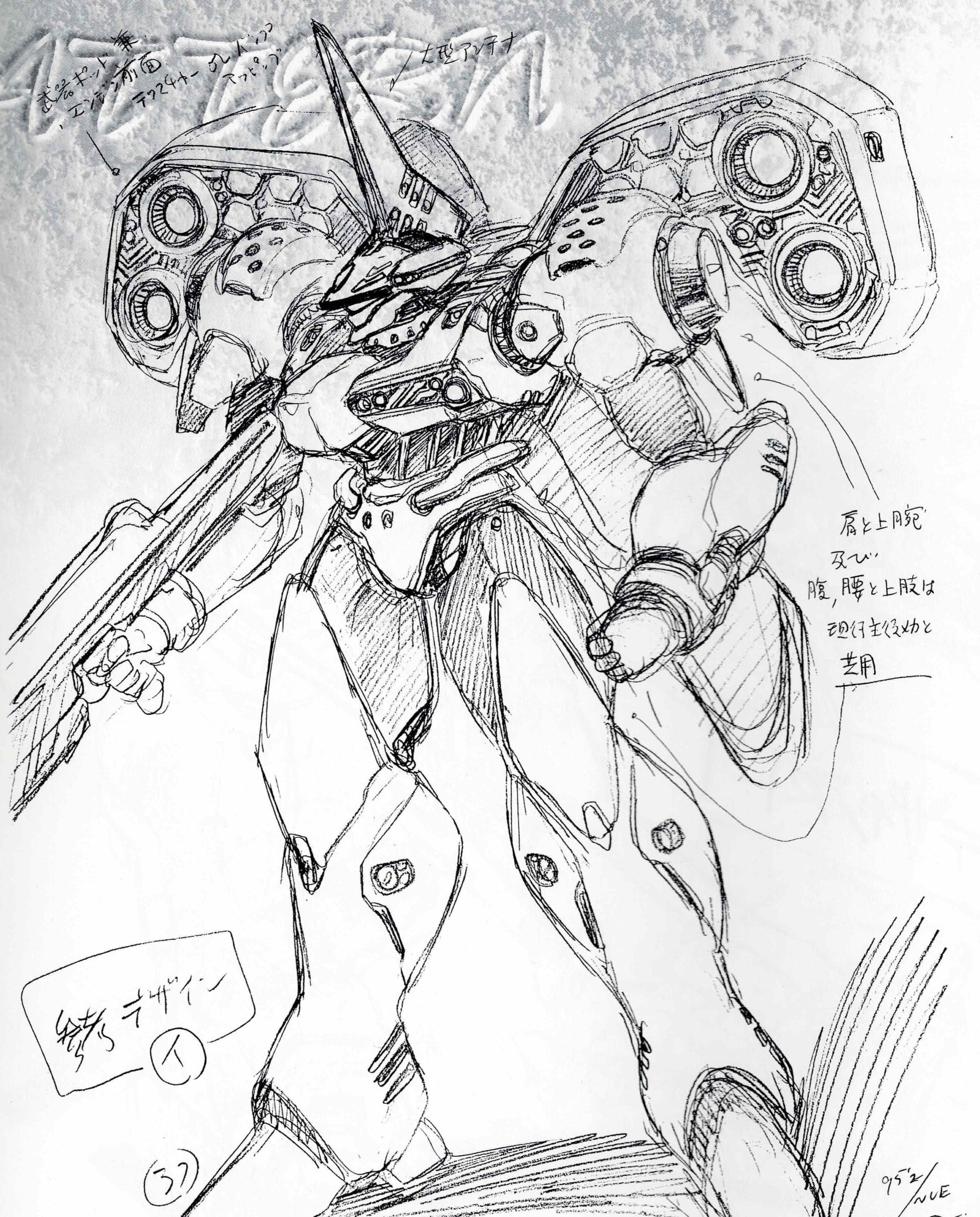
“Development of Omega Boost began even before the PlayStation was released, and several years before Armored Core, progressing in parallel with the development of the PlayStation hardware itself. At the time, we could use only about 300 polygons for the machine design, which meant we were limited to shapes even simpler than hand-drawn animation…
“Over the following years, the PlayStation evolved, and along with it, the gameplay of Omega Boost also evolved in the direction of fully utilizing three-dimensional space.
“To convey the exhilaration of freely soaring through space, where there is neither up nor down, as if the player were personally flying through the cosmos, we aimed for more human-like proportions in Omega Boost, in contrast to the rugged, mechanical, and function-driven aesthetic of Armored Core.
“By equipping it with mechanical details and parts like protective armor, we sought to create a stylish, high-mobility action feel.
“I also have very fond memories of working on Omega Boost, developing the story concepts surrounding Alpha Core and ENIAC, drawing storyboards for the opening and ending sequences, and even attending the movie shoot in the United States!”