
 by
by 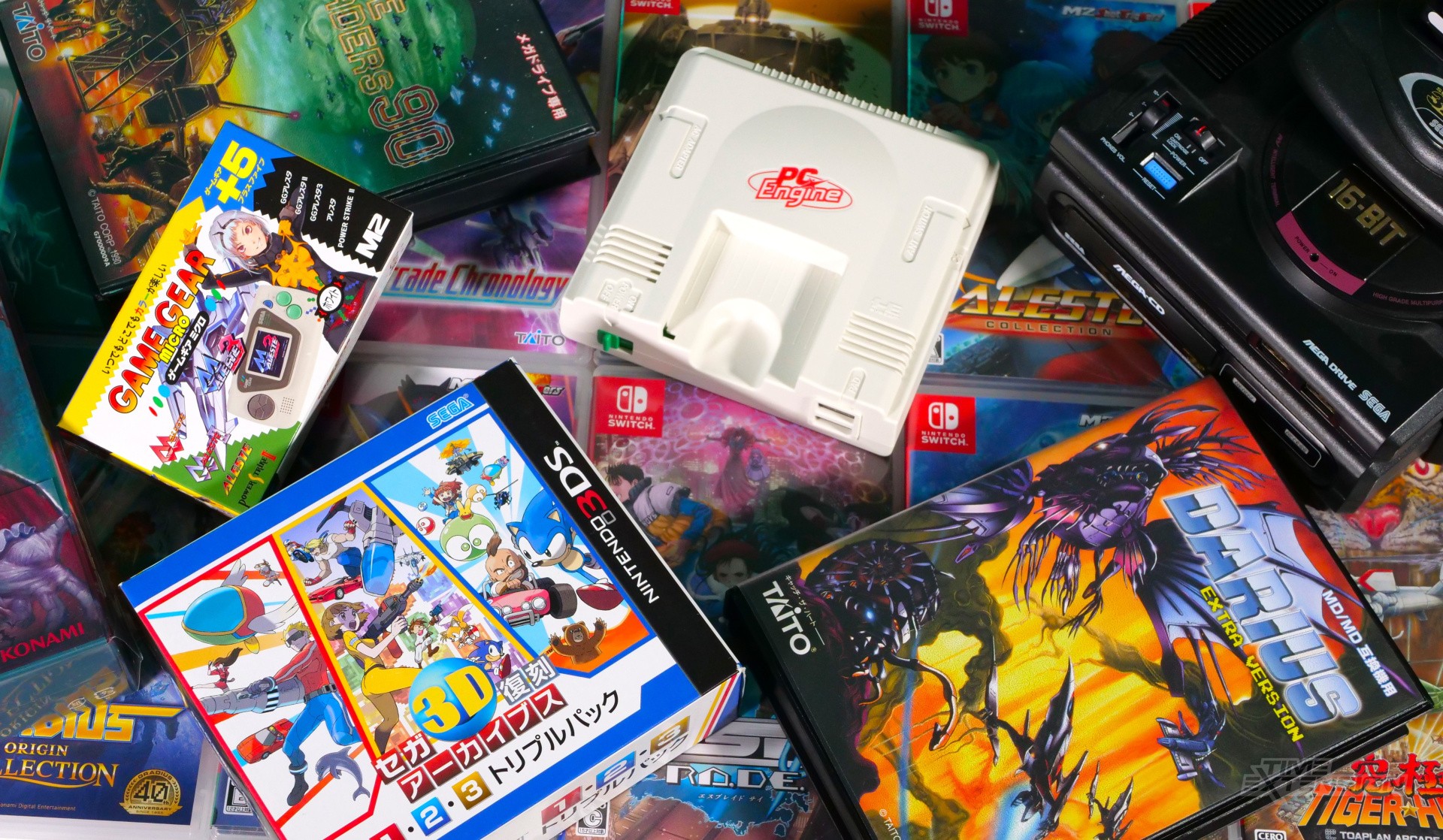
When it comes to retro game ports, M2 Co., Ltd. is a byword for unimpeachable quality, so it was great to catch up with Naoki Horii on how he founded the beloved game studio.
M2 Co., Ltd. has been around since the early 1990s, but has cemented its reputation as the go-to porting studio in the decades since. However, the origins of the studio have a fun history.
“Setting aside the 'hidden motive' of 'If I start a company next to my house, I won’t have to ride Japan’s packed commuter trains!', the real trigger was seeing friends and seniors around me casually starting game-related companies one after another," Horii tells Time Extension.
“That made me realise, 'Huh, maybe starting a company isn’t that hard.' At the same time, I’d been doing part-time work in game development since high school, and I’d been thinking things like, “If I want to make what I like, maybe I should take responsibility for everything myself.” Those ideas kind of came together naturally.
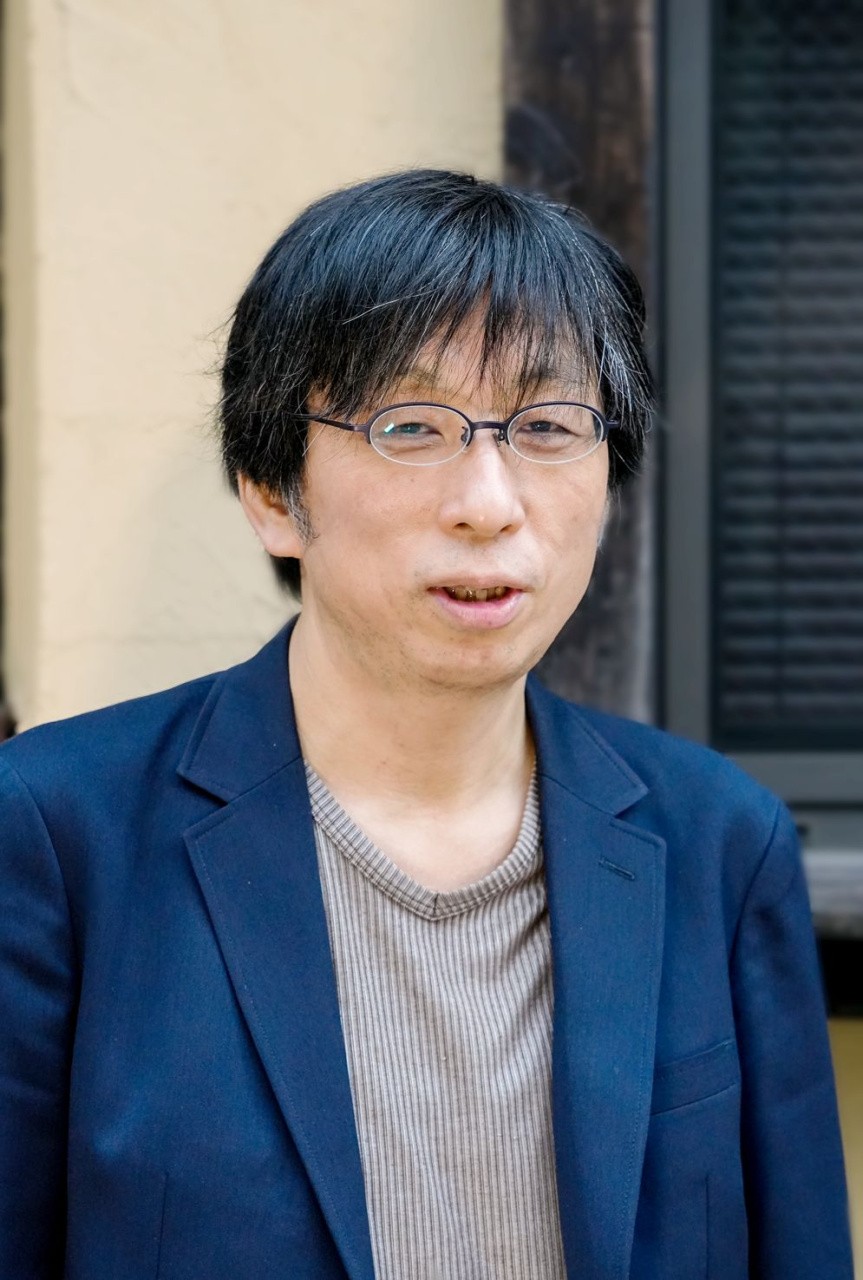
“I remember feeling that if I created a company, then I could make games exactly the way I wanted.
“At the core, I think we were just very lucky.
“There are several kinds of ‘luck’ involved. First, as I mentioned earlier, we were able to create an environment where we could turn what we love into our work—that is, the company itself. Second, talented staff gathered who had the ability to pursue what they wanted without compromise. Third, we were able to steadily build up our skills together over time, gaining experience from around the PlayStation 2 era onward. And finally, we were fortunate to have clients who allowed us to work that way.
“That said, we always had doubts. Even in professional settings, people would say things like, “Do we really need to go this far?” or “Will anyone even notice this level of detail?” (It takes time, after all.) We didn’t have confidence in the answers; we wondered if maybe we were just doing it for ourselves.
“But we were able to keep going. Because there were people, like you, the one reading this, who wanted to play something crafted to that level of care.
“If M2 Co., Ltd.’s approach, which could easily have remained niche and obsessive, ended up being accepted, that wasn’t something we aimed for, nor something we could have aimed for. I simply think we were lucky, blessed with the right era, timing, and people who supported us.
“I’ve never really thought of us as having particular “strengths”… (do we?)
“If there’s a defining characteristic, it’s probably that everyone at M2 Co., Ltd. has a strong passion and love for classic games.
“When we start talking about games, it often turns into discussions of personal beliefs, and sometimes it feels like it could escalate into a fight to the death. Even when we’re talking about the same game, our ideas of what’s “best” can clash.
“A group like that working together inevitably produces something distinctive. And maybe that ends up becoming a strength.”
Over the years, M2 Co., Ltd. has worked on all manner of amazing games, but I wanted to know which one for Horii stood out.
“Gauntlet is definitely a title I have strong feelings for, but that’s not just about the game itself. It’s also because I was young and had the stamina, could function without much sleep, and was able to pour all my reckless energy into it.
“Game development in my twenties, not just on Gauntlet, was incredibly fun. Every day felt like the night before a school festival. We’d “play games endlessly,” and “develop games in between.” We’d lose track of time, work until we dropped, then sleep like logs. Hardly going home, just immersing ourselves completely in what we loved.
“We’d even blow past deadlines, polishing things until we were satisfied, redoing anything we didn’t like, and only stopping when the client said, “Shall we call this finished already?”
“Those were truly fun days.
“That said, it’s not like things aren’t fun now. I’ve lost stamina, but gained experience (I hope), and I feel like I have fewer doubts when working through the same processes. Sometimes I imagine what would happen if I could go back and give my younger self the knowledge I have now.
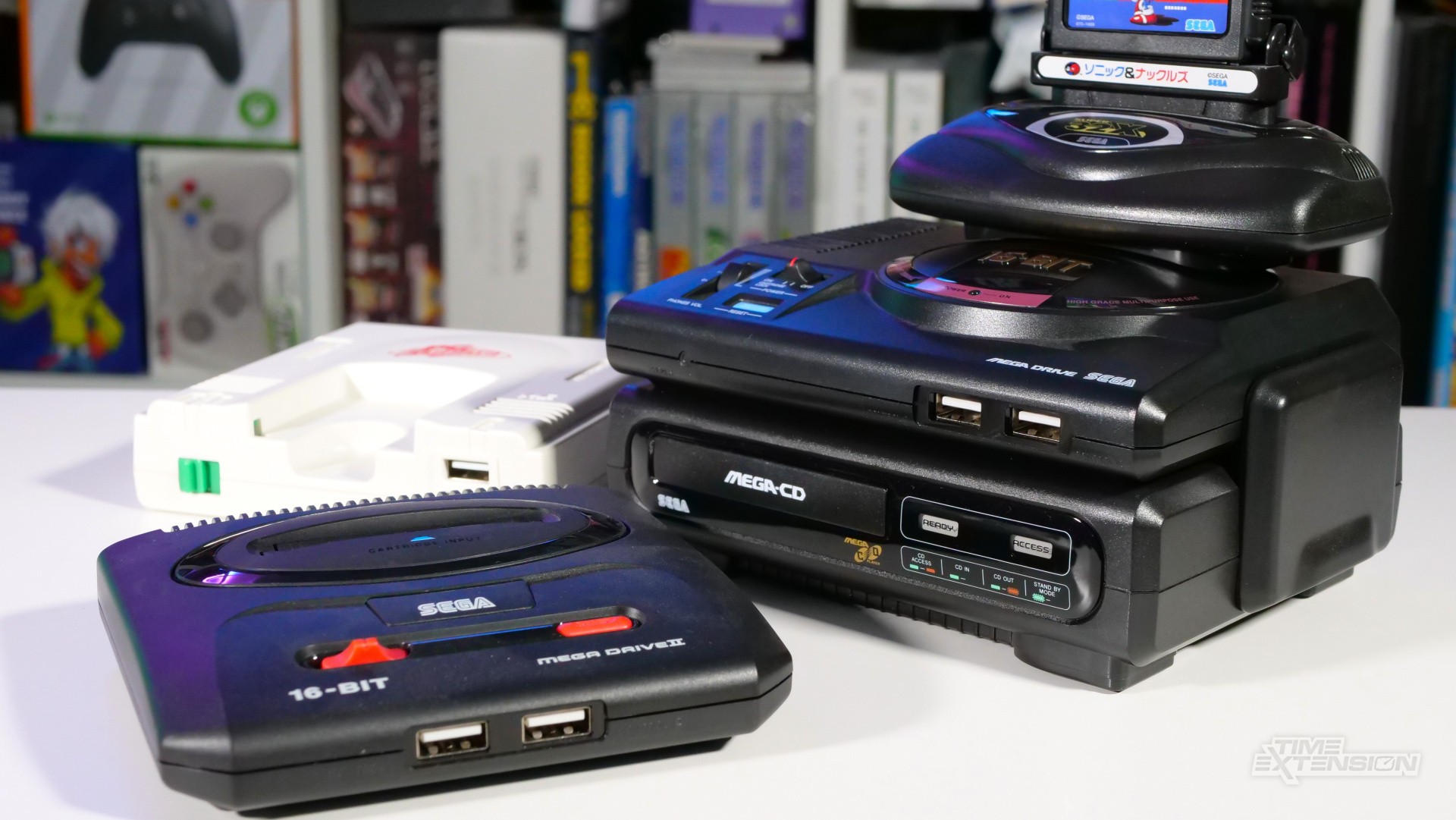
“As for future games to work on, if it’s a series that started in the 16-bit era or earlier, there’s probably at least one staff member here who’d be excited about it.
“Whether something becomes a full release or not, we’re often asked to explore ideas and prototypes. It’s clear that each publisher wants to keep their series alive—that’s love.
“Whether or not we’re fully living up to that love, I hope we’re helping pass the baton forward. And if that baton is still being passed 100 years from now, that would be more than enough for me.
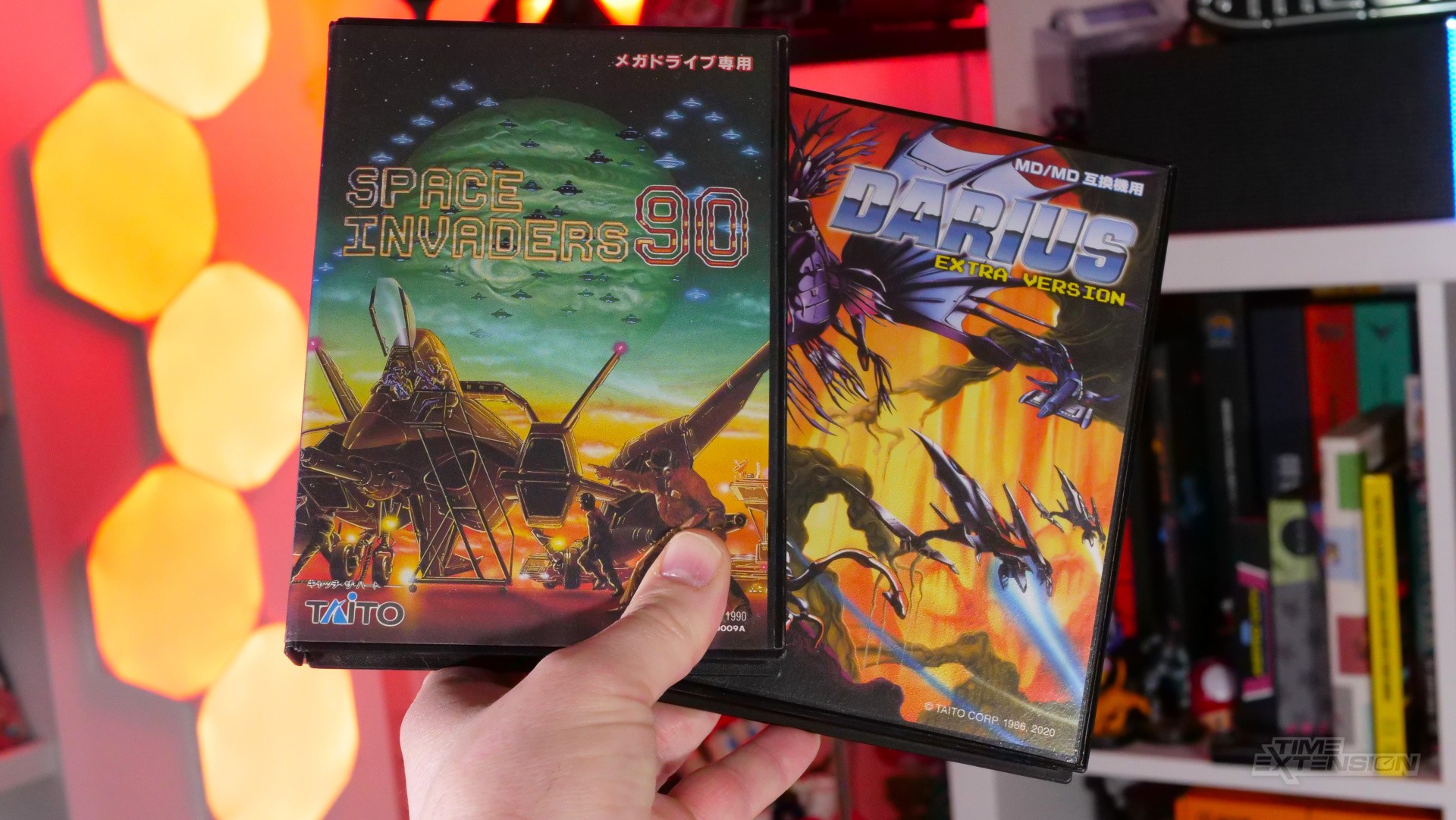
“As for series I personally want to work on, right now I’d say Darius and R-Type. Side-scrolling shooters have a certain romance to them.
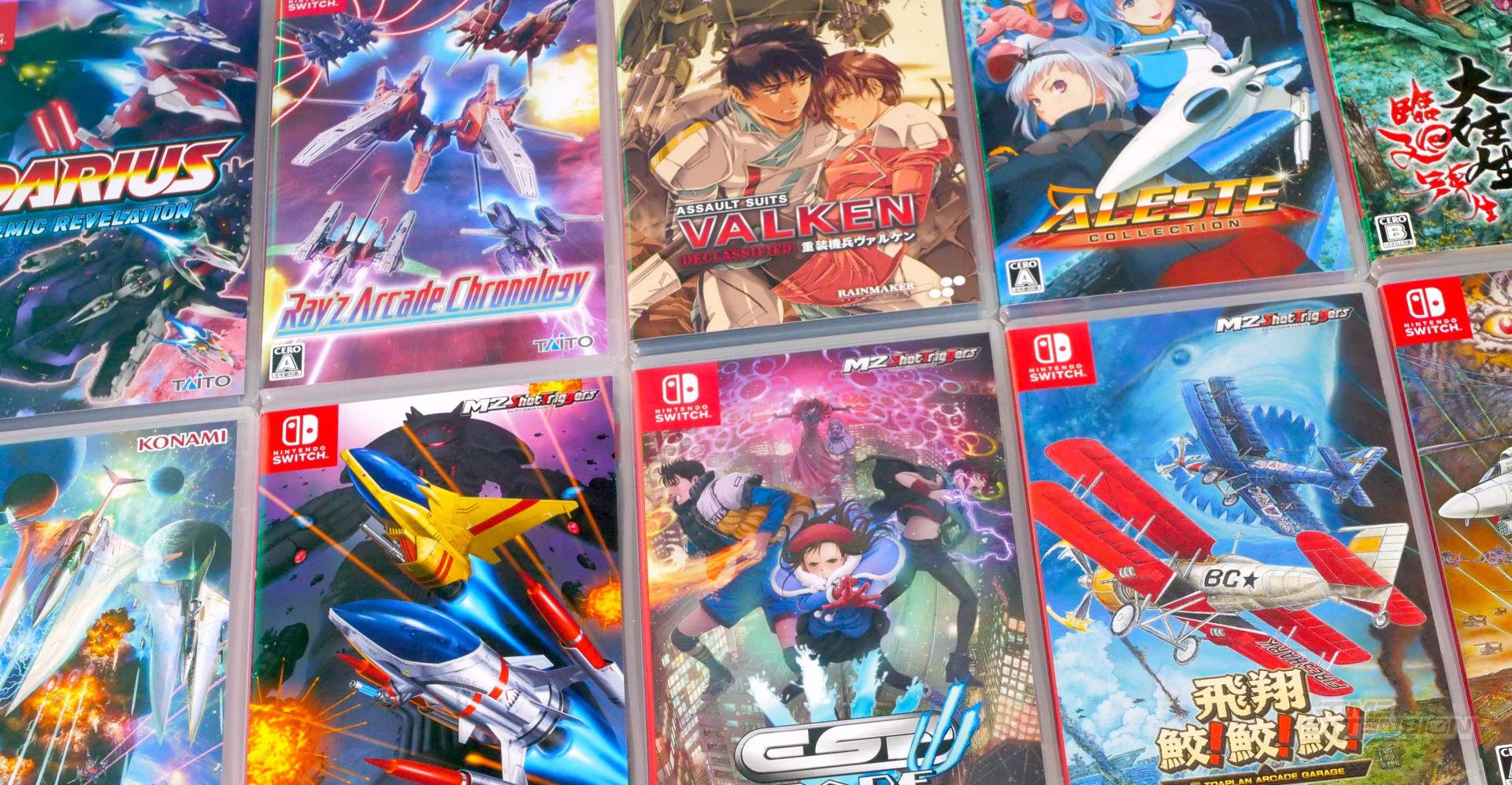
“I also have this ambition to actually put into arcades a game called Salamander III, which I imagined as running on a new board supporting both 15kHz and 31kHz… though who knows if that’ll ever happen (laughs).
“But if I had to name something, I’d say Marble Madness would be our “ultimate” game to work on.
“Just by looking at the marble on the screen and the marble on the control panel, you can understand everything and start playing immediately. That elegance still feels unmatched to me.
“Similarly, there’s a game I encountered in the past decade called Ice Cold Beer. It’s an electro-mechanical game, but it’s just as brilliant. The rules are simple, instantly understandable, and once you start playing, it’s incredibly stimulating. When you fail, you want to try again, and you never reach a point where you feel like stopping.
“Well, I'm not here to do game reviews today, but they taught me something: I value interaction above all in video games, especially when it’s sharp and well-defined.
“A game with compelling interaction, strong edges, and no natural stopping point, that’s what I’d consider ideal. If I could design something like that, it would be the greatest joy. And if I can spend my life continuing to pursue that ideal, I’d be satisfied.
“Setting aside Gauntlet (since I already mentioned it), there are many games I’ve enjoyed working on, but if I had to choose, I’d say Fantasy Zone II and the WiiWare 'ReBirth' titles, Gradius ReBirth, Contra ReBirth, and Castlevania ReBirth.
“Fantasy Zone II was originally a home console-style game on the Master System, but I had always wished to see it as an arcade game. I shared that idea with Sega producer [Yosuke] Okunari, and we hit it off and got the green light. Later, developers working on Sega arcade titles even said, 'Yes, this truly feels like an arcade version,' which felt incredibly rewarding.
“As for the WiiWare titles, a Konami producer approached us with the idea that ‘regularly releasing games is essential to keeping a series alive.’ I agreed completely and felt honoured that they brought that idea to us.
“They also let us do pretty much whatever we wanted. I still sometimes think, ‘Was that really okay?’ Thanks to that, those games turned out exactly the way we ourselves wanted to play them at the time.
“Now that I think about it, the music for all of those, including Fantasy Zone II, was by Manabu Namiki. He also handled sound direction. He does amazing work. I’d love to collaborate with him again.”
Finishing up, I was curious what Horii’s hopes were for the future of M2 Co., Ltd.
“M2 Co., Ltd. started from a simple desire: to enjoy a life with games and avoid dealing with anything unrelated to them (in other words… not wanting to “work,” really).
“Personally speaking, I feel like that goal is gradually being achieved.
“It began as a tool to realise a modest happiness, but when a group of people who all ‘don’t want to think about anything but games’ came together, the result turned out to be far more exciting than I ever imagined.
“That said, running an organisation is truly difficult. You’re always facing the risk of it coming to an end. And yet, somehow, we get to do what we love, and people tell us, 'That was fun!'
“That’s an incredible blessing. Thank you.
“As long as people keep saying ‘That was fun!’, we’ll probably be able to keep doing things our way. So we’ll do our best to keep it going.
“We’ll survive.”