
 by
by 
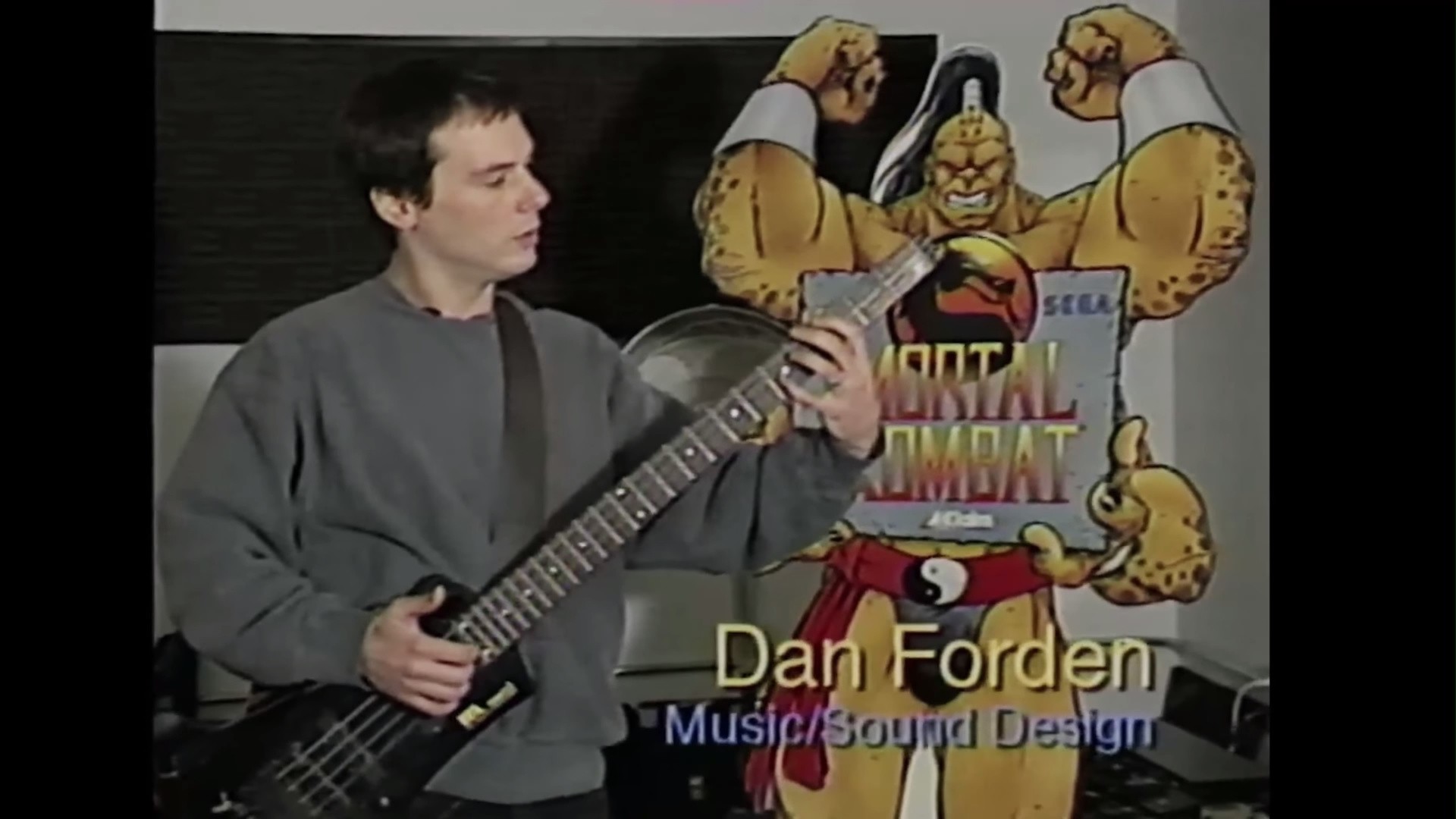
In October 2025, Dan Forden, the legendary sound designer and composer behind the Mortal Kombat series, announced his retirement from the games industry and the Midway successor Netherrealm, after 37 years in the business.
For many fans of the series, the announcement marked the end of an era and an emotional farewell to a figure who had been a part of the franchise right from the very beginning. As one of the four core members of the original team, alongside Ed Boon, John Tobias, and John Vogel, Forden had been a key part in establishing "the feel and vibe of Mortal Kombat", from the over-the-top kung-fu-inspired sound effects to the King Crimson-inspired musical direction, and the announcer's wicked laugh.
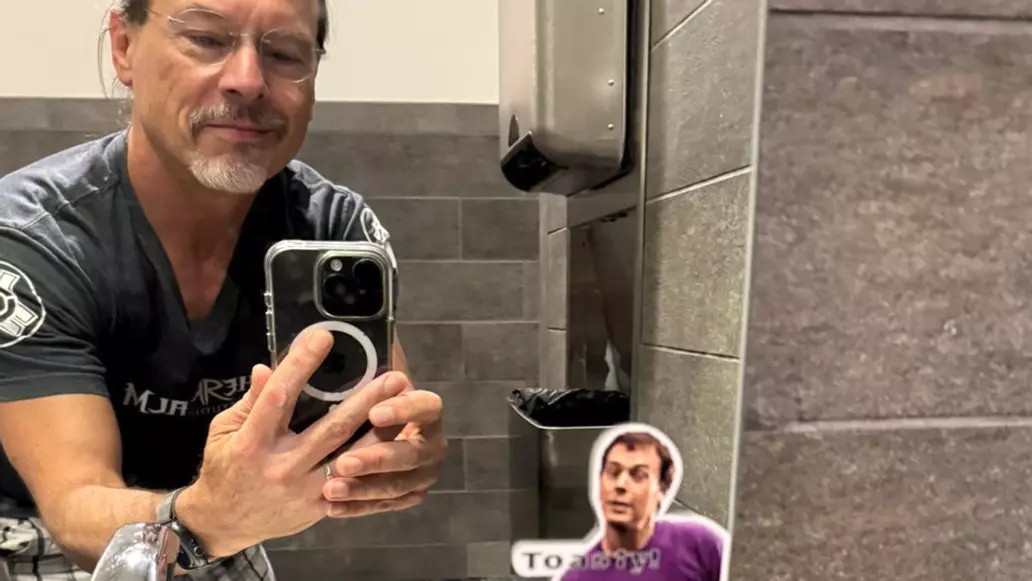
Today, he is probably best remembered for being the face of one of Mortal Kombat II's most famous and beloved Easter Eggs, appearing on screen to yell "Toasty" in a high-pitched voice whenever the player hits a particularly vicious uppercut. However, his legacy undoubtedly goes far beyond that, with the musician and sound designer also having a huge impact on several classic Williams' pinball games, and Midway's sports series, including NFL Blitz and MLB Slugfest.
At Time Extension, we had the opportunity to sit down with Forden at the start of this year over a video call to discuss some of his highlights from working on the Mortal Kombat series and unravel the secrets behind its unforgettable audio. While we were at it, though, we couldn't avoid asking him some questions about how he originally got his start in the industry, and some of the other classic games he worked on. Enjoy!
Early Days
Time Extension: To start, it would be interesting to get a little background on how you first got into writing and recording music. Were you in any bands growing up?
Forden: When I was a little kid, I was really entranced by music. As a two-year-old, I was listening to my parents' Joan Baez albums, and then I started developing my own tastes. Whenever I heard something interesting on the radio or wherever, I'd think, 'Oh my God, I've got to have that.'
I listened to music a lot, but then, probably at about 11 or 12, my sister got a guitar. She was taking lessons, so I started fooling around with that, and I learned how to play chords. Then, later on, when I was going into junior high, my mom said, 'You should pick an instrument.' So, I picked the flute because I was really into Jethro Tull, and I started to study it pretty seriously, taking private lessons.
I continued to play guitar and was just noodling around playing my own little riffs and melodies in high school, then some friends of my sister's came by, and they heard me practicing flute. They said, 'Hey man, you should come play with us.'
At the time, they were doing sort of jazz fusion stuff, which I was kind of familiar with, but I didn't have any jazz background, so I just kind of tried to figure it out and started to learn about how to improvise.
Time Extension: I read that you attended Oberlin, which, of course, has a fairly distinguished electronic music course. Could you tell us a little about that?
Forden: Yeah, so, after noodling around a little, I went to Oberlin. I didn't get in as a performance major, but I was able to still study flute there with their secondary teacher, and also started learning about music in general, because I ended up getting a music history and theory major from the college. That also allowed me to do other things, like get a computer science minor and take math courses.
So I was pretty well diversified across music, humanities, and then math, science, and tech stuff. And so, throughout that time, I was writing little computer music projects for my classes. I never really wrote anything significant or big. It was more just kind of figuring out how this stuff works, and trying to get stuff to sound cool. Then I went to MIT for a year of grad school.
MIT was okay, but I made a friend there who said, 'Oh, we should go to Northwestern, it's better there.' I didn't really have a super strong sense of direction, so I agreed and finished my studies — though I didn't actually get my degree.
Williams Electronics
Time Extension: How did you originally get the job at Williams? And what project did you work on first? I've seen you state before in interviews that you got your start working on audio for pinball machines.
Forden: So I had been playing in a band at that point, and had picked up bass along the way. And that was the thing I was most interested in. But I needed a job, and I knew Brian Schmidt, who was working at Williams Electronics.
He had been in the Northwestern program ahead of me and was managing the sound department at Williams. Previously, he had worked on NARC and a bunch of games that had come out, and a bunch of pinball machines, too. He'd also already been working with Ed Boon for a couple of years.
So I applied, and I gave Williams a demo tape of some of my weird computer music stuff, and some of the band stuff I'd been doing. And they basically said, 'I don't know, I'm not sure about this.' I called Brian back, and I asked him, 'What do I need to do to get a job there?' And he told me, 'Give me a demo tape with a rock tune, a spy tune, and a country tune,' and this light bulb kind of went on for me. It was like, 'Oh yeah, these people don't care about my weird band stuff, they want to hear idioms, or stuff that they understand'. So I wrote what they wanted, they heard that, and gave me a job.
From there, the first thing I worked on was actually a pinball machine called Atlantis. I made a couple of sound effects for that. My first couple of weeks and months were really just kind of figuring stuff out, because you're pretty much thrown into it. I was told, 'These are the games that you're on, you've got to produce now.' So I had to interface with the design team and the programmer and just start figuring out what's good and bad and go from there.
Time Extension: One of the early pinball titles you worked on was Black Knight 2000, which is a sequel to Steve Ritchie's famous pinball machine from the early 80s. How did you wind up getting assigned to that?
Forden: We were using the Yamaha 8-voice FM synth chip that was put on a proprietary board that was used for the pinball machines and the video games. So you had eight voices of FM to do your music, basically.
Brian had created some really pretty, powerful tools for testing sounds, and I set about trying to come up with something that could be used as a reasonable facsimile of a rock guitar sound. Incidentally, that ended up being the lead guitar sound that I used for about however many years we kept using that technology. They seemed to like it, and Steve Ritchie just gave me a riff, and said, 'Here, do something with this.'
So I grabbed that riff and then expanded and filled it out, and that became the multiball tune for Black Knight 2000. What's interesting is that when I was in junior high, I went to arcades in a town down the road, and we'd play this pinball machine called Flash, and then we saw another pinball machine called Black Knight, which had this cool magnet that held the ball. Anyway, fast forward, however many years, and I was working with the guy who created those machines. It was a pretty cool experience.
Time Extension: Did you get the chance to ask Steve any questions or nerd out about the game at all?
Forden: He had some stories from the time. I just remember that what had drawn me to that game was two things. It had this big, huge red flashing light that would go off in the back glass, but it also had this cool ass synth sound, because they didn't really have music at that point.
They also didn't have sound guys at that point, either. It was probably just Eugene Jarvis or Larry DeMar or someone like that who had figured that stuff out. They set up this whole environment where people like me could come along and write the music. They beat the path, so we could follow.
Time Extension: Where was Williams based at the time? Could you tell us a little bit about the building it was based in?
Forden: There was a little grouping of buildings at California and Roscoe in Chicago. I started my first part of the journey on the North side of Roscoe, where you had the pinball factory.
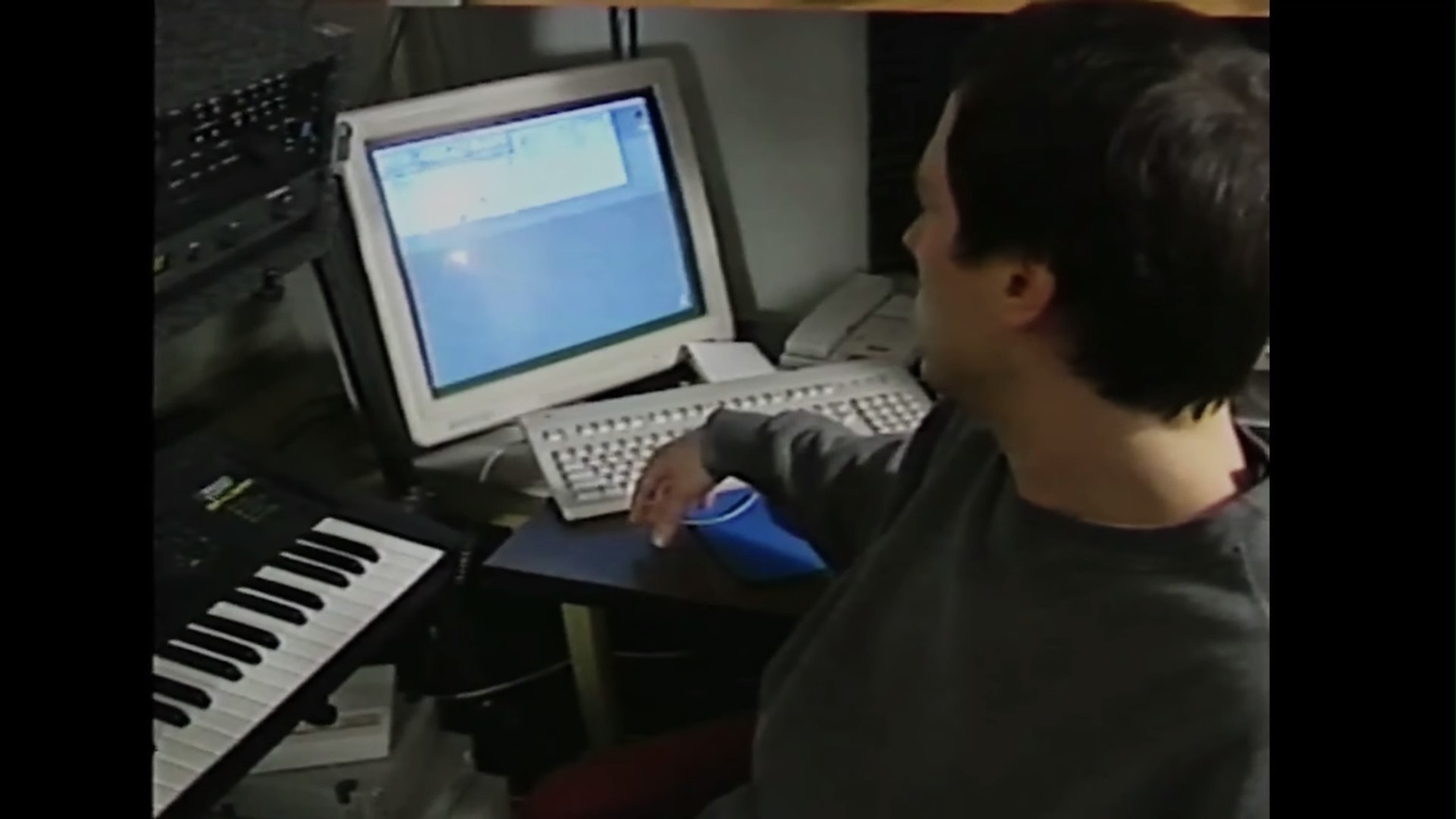
It was cool because I would walk through the entire pinball factory to get to the back, which is where the engineering offices were. So either in the morning or at night, you're walking through, and there were all these pinball machines on the factory line making all sorts of noises; it would be a great setting for a slasher movie, honestly.
It just had this really cool ambiance. So that's where we did the pinball stuff, and then through the years, WMS and Midway separated, and then Midway just kind of moved across the street to the south side of Roscoe, still on California.
Time Extension: From working on pinball games, how did you make the transition to arcade titles? Can you remember the first video game project you worked on?
Forden: So I did some sort of piecemeal work on Atlantis and then on Black Knight 2000, and there might have been some other things in there, too, along the way. But then, not long after all that, I was assigned to a game called Arch Rivals, which is a cartoon-style basketball two-on-two game. You can basically punch and knock down your opponent, slam the ball, and there are a bunch of different little Easter eggs hidden in it.
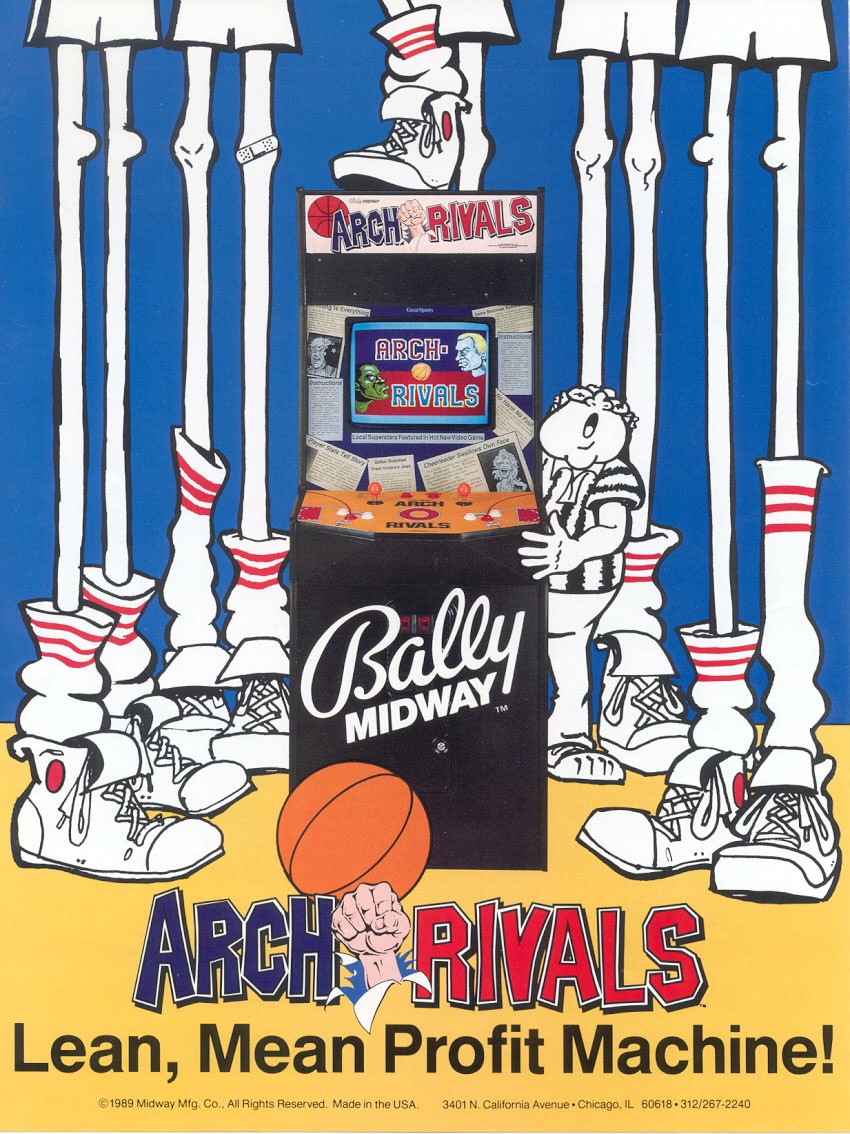
Jeff Nauman and Brian Colin did really good game designs on that, and it was super fun to play. They also did another one right after that, called Pigskin 621 AD, which I also worked on. That was a similar concept, but medieval rugby. In that one, you could stab people, there'd be death, and you'd be able to have a troll on your team. Both those games were really fun to work on and helped build my confidence.
Time Extension: Were they both on the same arcade board? What kind of arcade technology were you using at the time?
Forden: For most games back then, you had an 8-bit DAC (Digital to Analog converter), which we would use for drum sounds, so you could actually have a real kick and a real snare; I didn't have that on Arch Rivals.
Instead, I had to do all the drums and the music with the eight voices that the Yamaha chip gave me. So what I ended up doing is on one track, I would do a kick and a snare, and just change the instrument; that's how the kick and the snare only took up one track. I also had one track assigned for a hi-hat. So one-fourth of the game's tracks were kick, snare, and hi-hat, and then I had six tracks to actually do the rest of the music with, which seemed to fit okay.
As for Pigskin 621AD, I wrote a lot more music and was able to go back and do these kinds of baroque, fast Toccatas, let's say, as the background music for this violent rugby game in the year 600 or whatever.
Time Extension: What was your first collaboration with the [Mortal Kombat co-creator] Ed Boon? Was that High Impact?
Forden: It was actually Black Knight 2000, the pinball machine; he programmed that game. So I worked with him on that. And then High Impact was the first football game that we did together. Then, that one, I guess, did well enough that we did a sequel, which was Super High Impact.
So, in order, it was Black Knight 2000, High-Impact Football, and then Super High-Impact Football. And then he and John approached me to work on this new game that was inspired by martial arts fighting, [which became Mortal Kombat].
Mortal Kombat
Time Extension: On Mortal Kombat, you were responsible for both the sound design and the music. I remember hearing you say that the key to your approach was all about creating "impact and drama". How did you originally arrive at this approach?
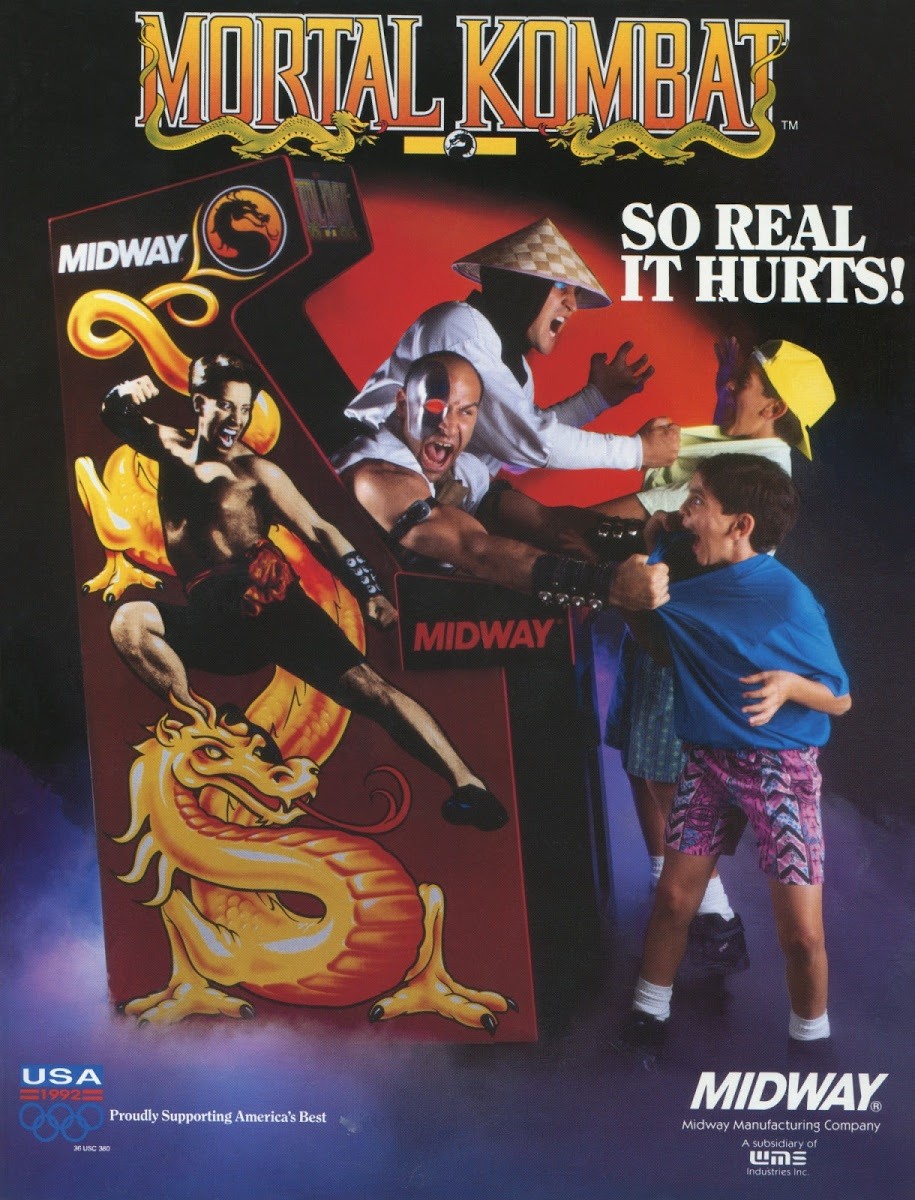
Forden: What I usually tell people is that the video game typically tells you what to do. So you'll look at a game where people are punching and hitting each other, and you'll know that anytime there's an impact, clearly you need some sort of sound to accompany that. But for that game, in particular, there was this idea that we're trying to take inspiration from Kung Fu movies.
So one aspect of Kung Fu movies is that every kick and punch, the sound is just like someone hitting a board with a hammer. I mean, it's just ridiculously over the top. So we decided, 'Okay, well, we're gonna be over the top, too.' And everything that we did, at least in the first game, was turned up to 11.
Obviously, there has to be a gradation of sounds. If you have a jab sound, you don't want that to be too similar to an uppercut, and then for the uppercut, you want that to be monstrous. So we still had a dynamic range for the smaller hits and kicks.
It's funny, though, because I remember Steve Ritchie kept telling me to 'Make it bigger.' I had to say, 'Steve, everything can't be big, OK? We have to have something small, so the other things sound big.'
Time Extension: What materials from the game were you working with at the time? Were you writing to early footage or early builds of the game?
Forden: So, during that time, I was still in-house, though sort of in the middle of or towards the end of Mortal Kombat, I became like an external contractor and worked from home, but almost exclusively on Williams and Midway stuff. For that one, I was just down the hall from Ed and John, and so every day or two, I'd just wander in and say, 'What do you have today?'
They were always working on new stuff, and there was always something new coming in. So it might be, 'Hey, we're doing this new uppercut, we want a big whoosh sound for the attacker, a big impact sound, a big reaction yell, and a big attack yell'. Again, we sort of just let the game tell us what to do, and went from there.
Time Extension: What was your recording setup like at the time?
Forden: We had a Sound Designer II system there, which was a precursor to Pro Tools. It was created by [Digidesign], the company that has now become Avid, so this is back in the early 90s. It was just a two-channel stereo digital audio system, but that was kind of state-of-the-art at that point. I don't think there was any big digital multi-track situation going on; that was not until a few years later. People were mostly still using analog tape, I think, for recording large numbers of tracks.
We had a bunch of sound effects CDs, and we'd rip stuff off of them, and we also had some pretty primitive audio mixing tools. So we had a couple of different things. But mostly, for the effects we did, at least for the first game, you had to make the effects with the Yamaha synth chip. So that was hard to do because you were literally typing out notes.
You could also change the synthesis parameters of a sound, but there was a lot of randomness in there, and you were basically just throwing stuff at the wall to see what worked. In the end, there was a lot of trial and error to see if we could get anything out of this chip that was going to be interesting or applicable to the sound of the game.
Time Extension: We've talked a bit about the sound effects, but when it comes to the actual music for Mortal Kombat, I know you've mentioned before that King Crimson was a huge influence on you. What era of the group had the biggest influence on you? Because they have obviously been around for a long time.
Forden: I like all of it. But yeah, you're right; they had at the very least two very distinct periods. When I think of the very first Mortal Kombat tune I wrote, there's a melody in there that's like on a diminished scale, which I feel is very much like something King Crimson would do — Bartók, too, for that matter. It then harmonizes at the fourth or the fifth, which to me is like an iconic sound.
It sounds like some of the melodies that King Crimson would do. They would do that technique, harmonize a melody at the fifth, especially if it's some sort of diminished scale melody. It sounds really cool. So I dug that sound, and I kind of tried it myself on some stuff.
Time Extension: Mortal Kombat obviously became a huge hit for Midway in the '90s. I'm curious, working on the project, did you ever feel like this was a bigger project, or was it just another arcade title as far as you were concerned? Were there any expectations that it would do particularly well?
Forden: I don't think there were any expectations set. I think it was an unknown quantity. There was obviously a lot of excitement and buzz about the idea of getting Jean-Claude Van Damme to be in the game, but that ultimately fell through.
So I would say no. We thought it was cool. And we had delivered some cool moments in development. Like the uppercut was a big thing. Ed always went on about how, when you get the sound and the animation and the graphics and the effects and everything working together, it can be really powerful. And so when we put the uppercut together and presented that, and people saw it, they were like, 'Wow!' So people were excited about stuff like that.
When we did the fatality, the very first proof of concept fatality, people were like, 'That's wonderful!' So again, when it all came together with the animation, the lighting, the sound, all the stuff working together and choreographed, we felt it had some impact. But I think it was only once they started to put it out on test in the arcade and they started seeing how it earns, that they were like, 'Oh my God, this is something else.' So it definitely made an impact in the arcade. And as we continued testing it, people started to get more excited about it.
Mortal Kombat II & Sequels
Time Extension: When you finished Mortal Kombat, and discussions began about a Mortal Kombat 2, did you kind of have a lot of ideas out of the gate about what you wanted to do with the audio to take it even further? Or did you have to sort of sit down and think hard to come up with a detailed strategy of where you were going?
Forden: Well, it was very exciting, because that was sort of the cusp of our transition from the Yamaha system to the DCS system, which is a Data Compression System, basically. And with that setup, you could basically record any sound you wanted and put that in the game.
So now we were free from the shackles of this Yamaha synth chip-based system. Now I could use my home studio, play guitar, play flute, play bass, or whatever. I could do any sound I wanted and put that in the game. In that sense, it was definitely liberating and allowed me to start growing as a composer and musician and studio operator, because I was building up my own arsenal of instruments and software. I could basically produce all the music and sounds from my home studio, and that's what I did over the next 10 years.
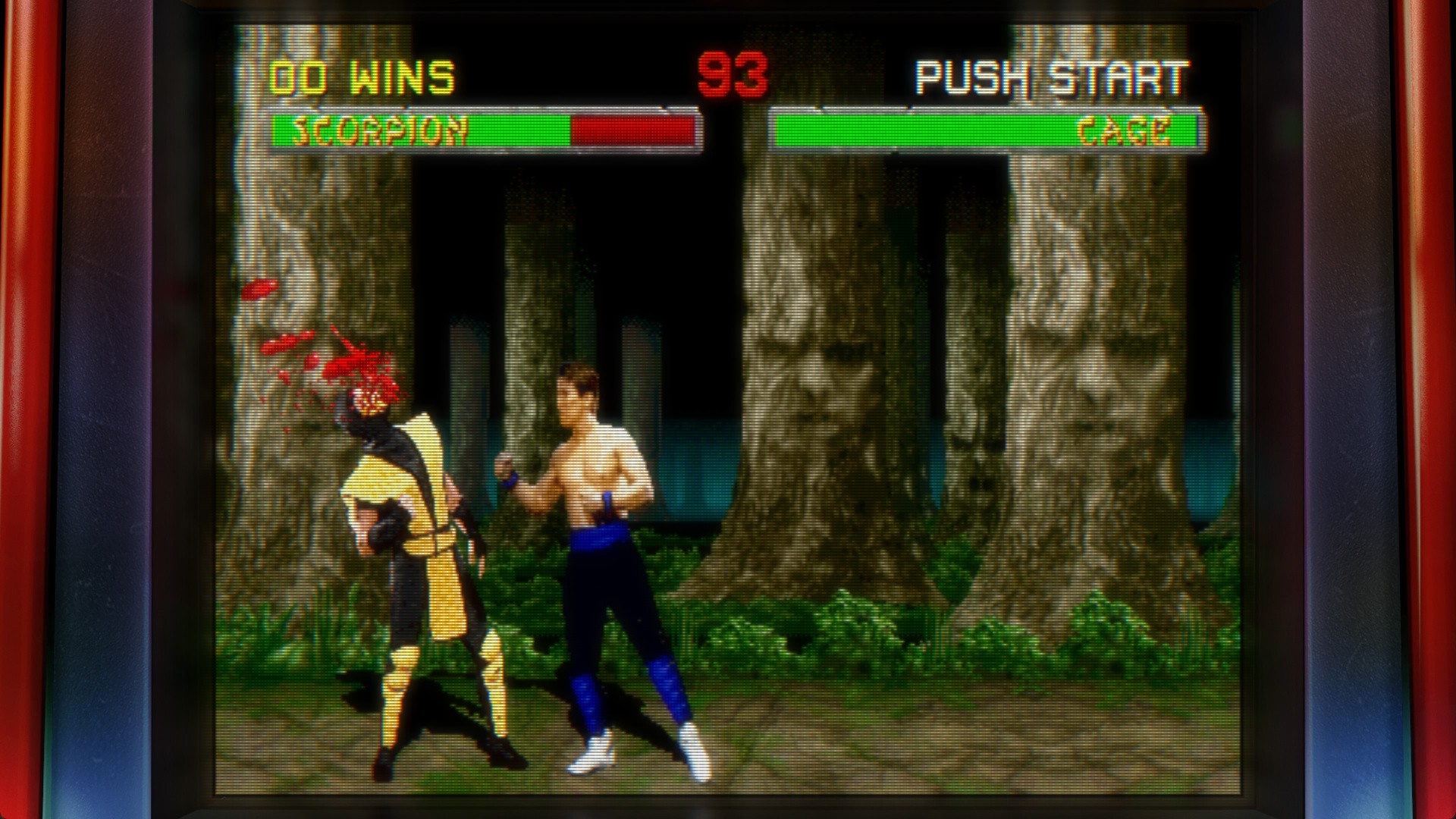
Now I was able to do songs like Living Forest. While I wrote that, I was thinking of Songs From The Wood, by Jethro Tull. So, we'll do a flute tune for that. And then I did more guitar for The Battlefield, which is kind of like maybe a sequel to The Courtyard from the original one. I could use piano in some tunes, like The Deadpool.
The palette was expanding, and I could record my own things and rip stuff from CDs and put it in, and we had better tools also for mixing sounds together and processing them. So in that game, Scorpion's Spear Throw, I just had this one really good CD drop of a rope switch. So I grabbed that, eq'd it up a little bit, and then put it through a digital delay, and you get that spear sound that we used in a bunch of games starting with Mortal Kombat II.
It also has limitations in other ways, though. When we were writing scores for the Yamaha chip system, again, you're just typing notes, right? So there's very little data. So you could write tunes that kind of evolve over time and are different the second time through. You can't really do that with the data compression system, because it's like you're just dealing with these chunks of mixed audio being played back to back; you lose a bit of nuance in a way, but you gain a lot more, because obviously you're using a full palette of real instruments.
I worked on Star Trek: The Next Generation pinball around the same time, and that was a lot of orchestral stuff. I'd studied music history and theory, so I knew sort of how music was put together, but actually making something that's going to try to sound like an orchestra, I'd never done that, so it was a great challenge, to do that kind of thing, and that helped me prepare me to do more like orchestral stuff in MK, like when you get to like MK1 from 2011.
Time Extension: Out of curiosity, what was your response to The Immortals 'Mortal Kombat: The Album'? Did you have any opinions on that as the main composer for the series? Obviously, you had no involvement with that, but I imagine you would have some opinion, having previously been pretty much solely responsible for how the audio was presented up until that point.
Forden: That kind of came out of left field, and I was like, 'Wow, I wish I'd thought of that.' But it's not the kind of thing that I would do musically, so I didn't really relate to it that well in that regard.
It was a brilliant idea and well executed. I thought some of it was kind of corny, but I think people really liked it. It was very successful, so hats off.
Time Extension: A big thing was that a track from the album 'Techno Syndrome' was later featured in the film adaptation a year later. What was the response to the film at the time within the studio? Do you have any memories of going to see it?
Forden: We had a great studio event where the studio took everyone out to the movies to see it back in 1995, and that was really fun, and it was very exciting. Most people's first reaction was like, 'Wow, that's pretty cool,' but I've like seen it since then, here and there, and it doesn't really hold up so well.
I remember thinking, it'd be great if I could do the music for it. But that didn't happen. I don't think that was realistic either. But they did just fine.
Time Extension: For the next few years, you're working on a lot more Mortal Kombat projects. At the time, you had Mortal Kombat Mythologies: Sub-Zero, the first Mortal Kombat game developed for a console rather than an arcade, in development, and Mortal Kombat 4. Was it challenging for you to keep coming up with new ideas, or was it fairly effortless?
Forden: I don't think it was ever effortless. Because there was always this idea of 'I've kind of done this before', and it'd be easy for me just to fall back on these things. I do remember working on Mortal Kombat 4 that I wanted to try different things.
I think the music to Mortal Kombat 4 is really different from the ones that came before it, and even after, for that matter. It was just kind of a one-off, because I started exploring some different-sounding things and experimenting with different things.
I still wanted to keep it in that very dark, gothic, semi-asian frame of reference, but I would say on that game, I definitely tried different things. If you listen to all the Mortal Kombat, there are definitely some recurring themes, so it was nice to try to break out of those and come up with something different.
I've got sort of a whole Mortal Kombat melodic intervallic structure. That's typically what the music is, right? It's like a minor third and a half step, or a half step and a minor third, or a major third. It's the way the melodies and the harmonies move; it's very similar across the games. Those are structures that, to me, communicate that sort of gothic Asian vibe or whatever you want to call it.
Another thing that helped, actually, as far as not falling back on old techniques, is after Mortal Kombat Deadly Alliance, on Mortal Kombat Deception, I was back in-house at Midway, and we had a four or five-man group in the sound department. So now it was not just me, because the games started to get so big. So we got all these different people with imaginations coming up with stuff, and you just get a more interesting sort of soup of things. I feel like that helped keep things fresh.
If you think about the sounds in MK, starting from maybe Mortal Kombat vs. DC Universe, and then going on after that, the level of sound design [improves], because we've got a succession of people in from that point forward that weren't people that wanted to write music and get their music in the game — that's very typical for people wanting to go into sound design for games — but were people that want to make cool-ass sounds. Michael Caisley was one; Stephen Schappler was also phenomenal. Then we had other people that came through, including Austin Shannon, Eric Wedemeyer, and people that are there now: Sean Gallagher, Matt Swanson, and a few others.
Their sound design techniques and the things that they would do, especially for all those Fatal Blows or Super Moves, I don't know how they do that. I did very simple stuff back in the day, such as recording something off of a CD and adding some effects to it to make it sound interesting, but they're just creating this stuff out of I don't know what, and it's just otherworldly, because they've got all these plugins like Reaper. I'm just blown away at the stuff that they do.
NFL Blitz & MLB Slugfest
Time Extension: I was also going to mention the sports games that you worked on at Midway, like NFL Blitz. That game is interesting because the sounds are almost cartoony or Looney Tunes-esque. What was your approach there?
Forden: If you look at all the games we did at Williams/Midway: Mortal Kombat, NARC, Black Knight 2000, Smash TV — everything's over the top. So our thought was: 'Well, it's a football game, let's make it more football than football, right?' We're gonna make it more violent, more intense, more high-impact. Also, coming from working with Steve, everything's got to be big. That's his main thing: 'Make it bigger.'
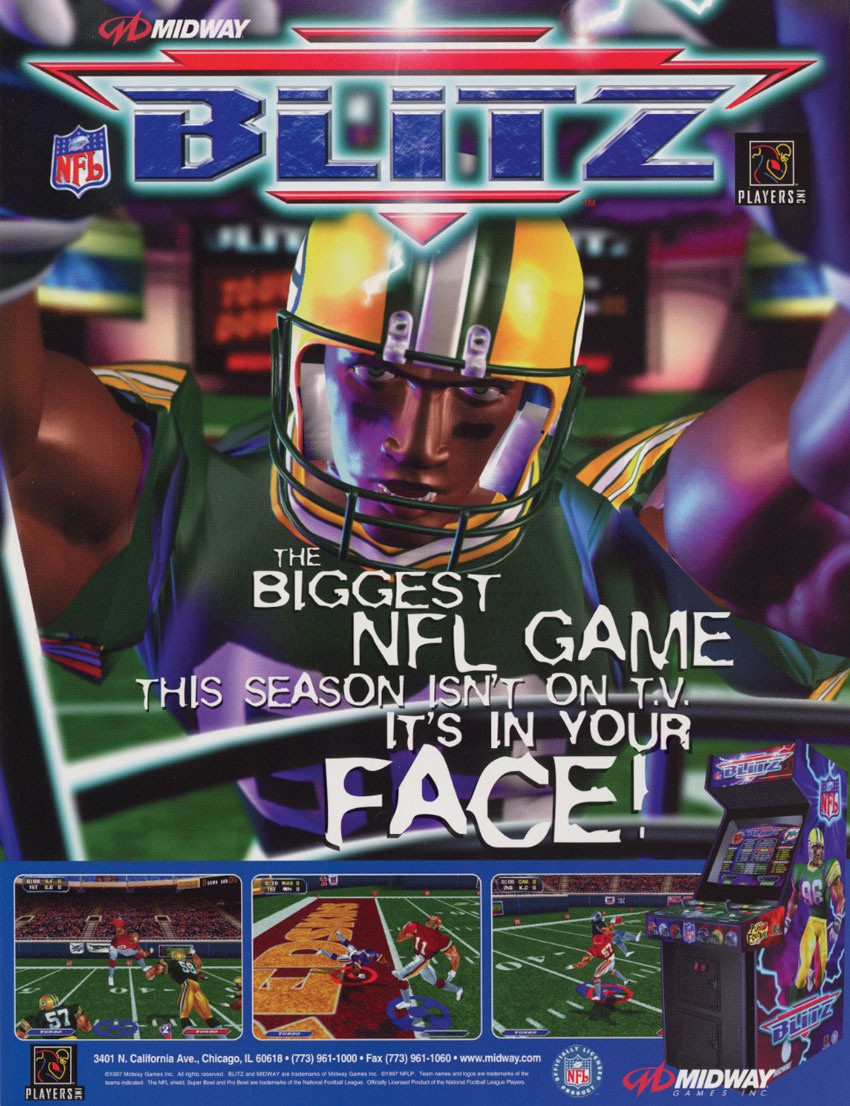
So I learned from that. That game is loud as heck, and everything about it is bigger than it actually is. That's kind of like the aesthetic. That was the aesthetic for so many of those games back then.
Time Extension: A big thing that always comes up when I've spoken to people who have worked on audio for sports titles is commentary. People are going to be bombarded with voice clips, so it's important for designers to make sure it doesn't become too repetitive or annoying. How did you approach that stuff on series like NFL Blitz and MLB Slugfest?
Forden: If you're talking about the arcade version of NFL Blitz, that was just Tim Kitzrow yelling things out when they happened, right? It wasn't really commentary. But once we got into the console games, then we were in the field where it's expected to sound like the real thing.
We had no experience doing that at all. So with the help of people on the team, I wrote a script for a football commentary game. And we had to figure out ways in which we could get it to play. So there were some people who worked on some tech for a commentary system.
I was just recording all this dialogue with Tim Kitzrow as the play-by-play guy, and for NFL Blitz 20-02, we had Bill Simonson as the whacked-out ex-football player, radio guy. They would just riff with each other, and so I'd get all this material, and I came up with the idea that we could have a conversation based on these things, and a mechanism to go through and choose at every level of the conversation, but also interrupt. There were a lot of moving parts. I don't remember exactly what it was, but it was a huge technical challenge to try to figure that out.
It wasn't just that either. Writing all this stuff was also a challenge. I mean, I like football, I watch football, and I watch baseball, so I had a sense of all the things you need to do. But that's a lot of words to try to figure out and write down. So I had help from Tim and other people on the game to flesh out the script. It was hard because, of course, everything was at breakneck speed. Everything's at the last minute.
So, I think the final result was OK, but I think it was also a little bit rushed, because I don't think that first one did that great. I think the first Slugfest did pretty well. I don't know if it made money, but that was a game where we were able to kind of push that commentary thing a little bit further.
Time Extension: How did creating the commentary in NFL Blitz 20-02 compare to MLB Slugfest?
Forden: In a baseball game, it's a little bit different. There's not as much action, so you have a lot more time to listen to these guys talking. In that one, it was Tim Kitzrow again as the play-by-play guy, but the colour-commentary guy was this other radio personality.
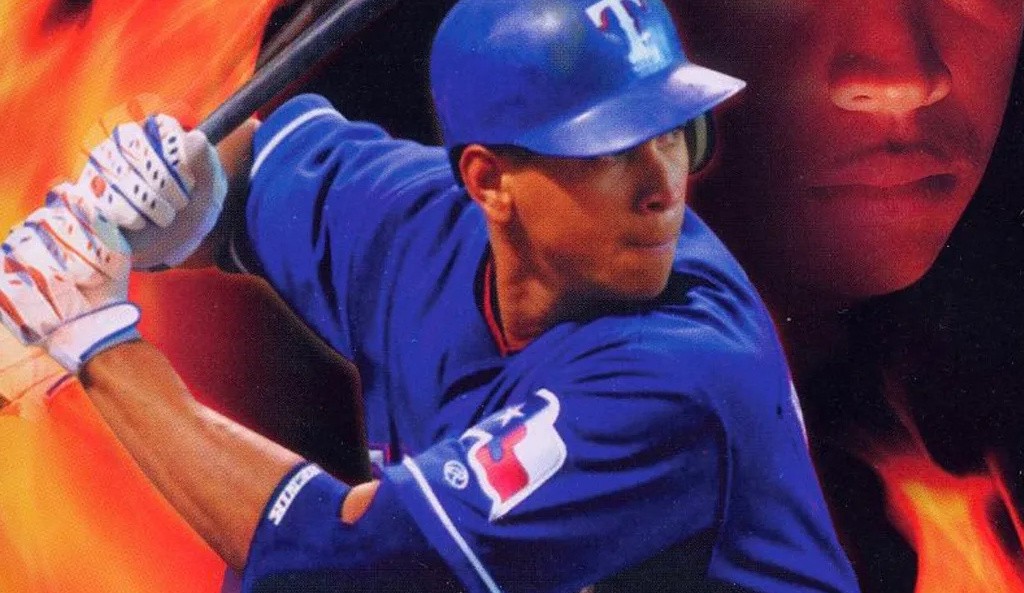
He had this alter ego called named Jim Shorts, and he was basically a stupid old gym teacher. That was the guy who was in the game, and that was pretty funny. We had a lot of sessions recording that over and over again and putting it all together, because again, they would just make stuff up in the moment, and I thought I could totally use that interactively in my version of the script.
Time Extension: You say you went to work remotely after the original Mortal Kombat. I've heard the NFL representatives weren't exactly happy with the level of violence in the NFL Blitz series. Being remote, did you ever hear anything about this from the team internally?
Forden: Totally. I definitely knew that was happening. I think eventually that led to the dissolution of the agreement between Midway and the NFL, because they just didn't want to be associated with the series anymore.
So, that's why down the road a little way, we put out Blitz The League, which had no NFL licensing. It was just that the NFL wouldn't have anything to do with us. I remember they went through all the scripts that we had for the commentary on one of the games, and we had this one line where the guy yelled, 'He was obliviated'. They told us, 'You can't say that.' I remember we told them, 'It's not a word, man, we made it up! Really, we can't say that?'
Retirement
Time Extension: Obviously, you've worked on a lot of titles over the years. What has been your favourite game to work on? Are there any particular entries you feel maybe aren't mentioned a lot, but you have a fondness for?
Forden: I really loved working on The Grid. That was a networked third-person arcade arena-type shooter. That was maybe right after Mortal Kombat 4, and it's just an entirely different game and one I'm more interested in.
Mortal Kombat Deception was really fun to work on, especially the puzzle game mode. We played that thing all the time. I'm actually surprised we got the audio done for that game. We played so much of it. It was a great opportunity to do different kinds of music. We also did Chess Kombat, too, which was more evil ambient with fanfares.
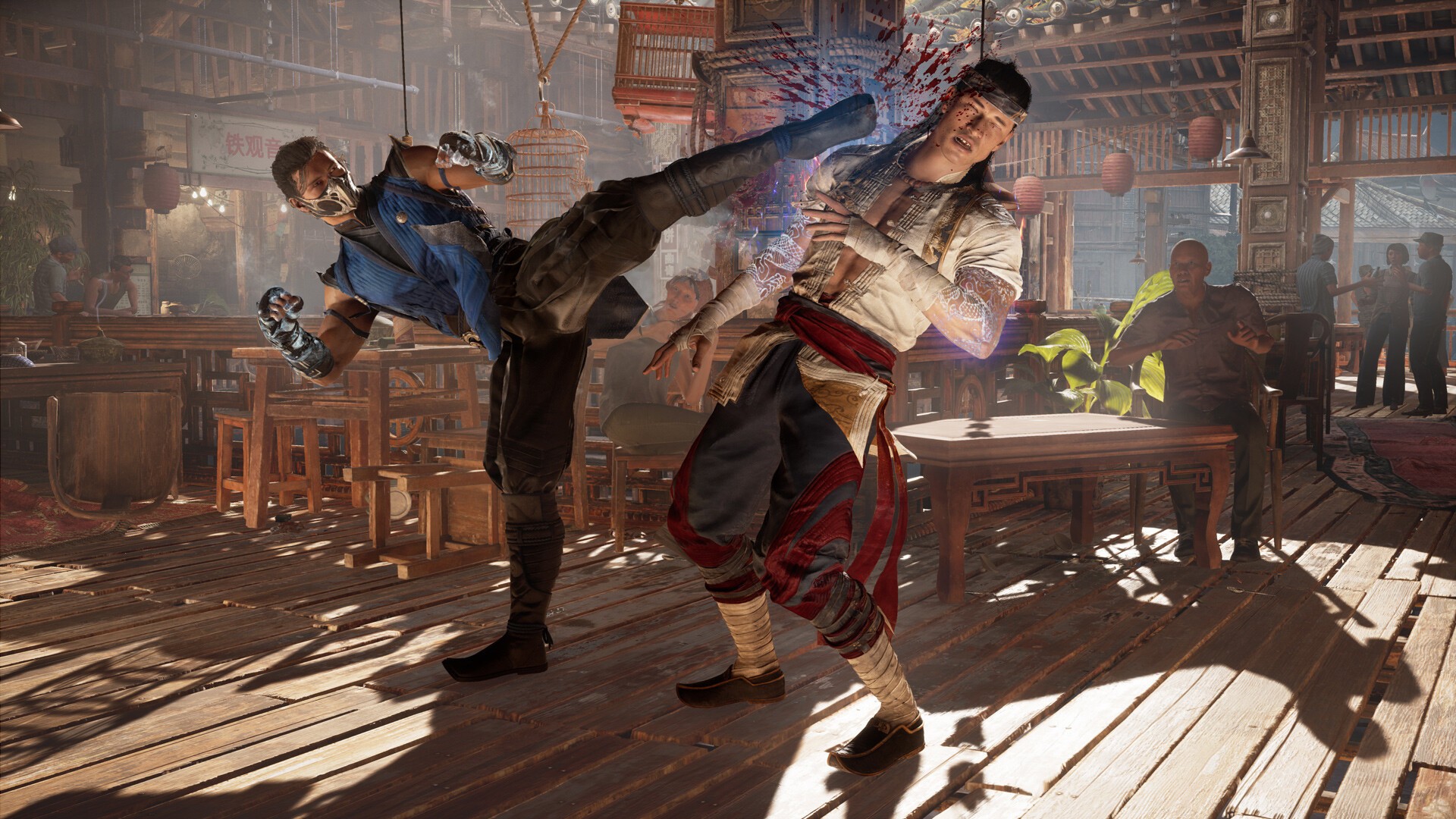
I also wrote a lot of music for Mortal Kombat 1, and that was really fun, sort of getting back into it. I don't think I'd written much Mortal Kombat music for a while before that, so that was cool. And then, you know, the first Injustice, again, because I was trying to do orchestral superhero music, and I thought that was a great challenge. It was really fun to use the tools that we had to create that kind of experience.
Time Extension: Looking back on your decision to retire, I'm wondering, what helped you reach that decision? Was there just a moment where you felt like you'd done everything you had wanted to achieve in the space?
Forden: Something like that. It was a couple of things. Ultimately, I've been doing this for 37 years. I still find it interesting and fun to solve problems, but I'm also getting a little tired of it, too. So I just wanted to reclaim my time for myself. It was always like, 'Oh, I've got to go into a place and do a thing for eight hours.' So, I wanted to change that up and not be on the hook to someone to have to do something, and have some freedom.
Time Extension: Would you be interested in doing your own music? Are you doing your own music now in your own time?
Forden: I've got a couple of tunes that I'm working on just for my own purposes, and maybe I'll get a band together. I've been playing with people now and then very informally, and I want to do more of that.
I've been working on my guitar chops a lot, and I just want to improve my writing chops. I'd love to write more tunes and play them. That's kind of where I want to focus my musical efforts right now.
Time Extension: I notice that in the past, you did some teaching. Would you ever consider doing that again?
Forden: I don't think so. As you said, in the past, I did teach a couple of classes at a place called Flashpoint part-time while I was working. That was basically a digital arts academy about filmmaking, audio, animation — a lot of game-related disciplines — but it's no longer there.
Since then, I've done a couple of lectures at schools, either through Zoom or in person, so I would maybe do some one-offs — that kind of thing. But who knows!
Time Extension: Thank you, Dan! We appreciate you taking the time to chat with us.