
 by
by 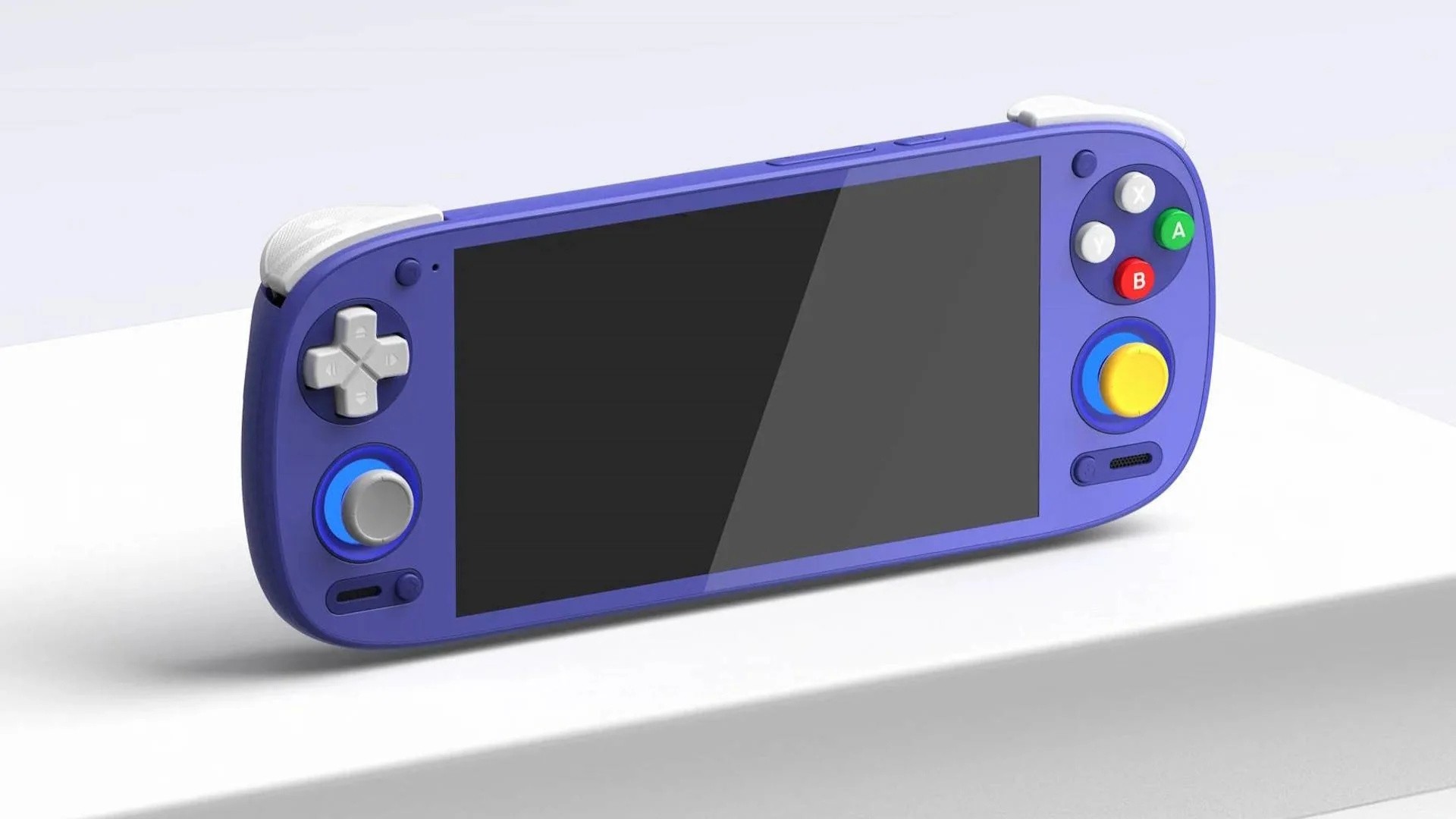
In case you missed it, AI is apparently the big new thing in tech – despite not actually delivering much of worth so far, outside of deep fake scams, high energy bills, terrible adverts, poisoned water and some insanely bad hallucinations.
The tech world remains utterly obsessed with AI, however, and that's leading to a situation where the companies that make the GPUs responsible for generating all of this "good stuff" are scrambling to obtain RAM chips to put inside them.
The situation has gotten so dire that ChatGPT maker OpenAI recently declared its intention to purchase around 40% of the global raw, unprocessed DRAM wafer output until 2029 – that's RAM that cannot even be used until it is processed. Even then, it is suspected that completed GPUs often sit in warehouses, waiting to be installed in data centres which may not even be built.
Essentially, the industry has gone completely overboard with the technology, which, at the time of writing, is yielding zero return for the vast majority of firms that deploy it (even OpenAI is losing around $12 billion a quarter, and that's one of the largest AI companies on the planet).
The upshot of this "technological revolution"? Well, it's certainly not accurate chatbots – but we "lucky" consumers are soon going to benefit from RAM being much more expensive, and harder to come by.
Emulation handheld maker Retroid is the first to signal the alarm, and has recently announced that it is ending Retroid Pocket 6 pre-order pricing early due to RAM shortages.
That's not all; smartphones could return to the days of 4GB of RAM due to the shortages, and computers and consoles will also be impacted. This means we'll either see lower on-board RAM or prices will have to go up to maintain current RAM counts. It's basically a disaster all around, unless, of course, you like watching stupid videos to entertain your child-like brain.
So, expect to see an unwelcome trend in 2026 and beyond – any emulation handheld you purchase is likely to be held back by low RAM or increased pricing, all to support a technology you don't even want.