
 by
by 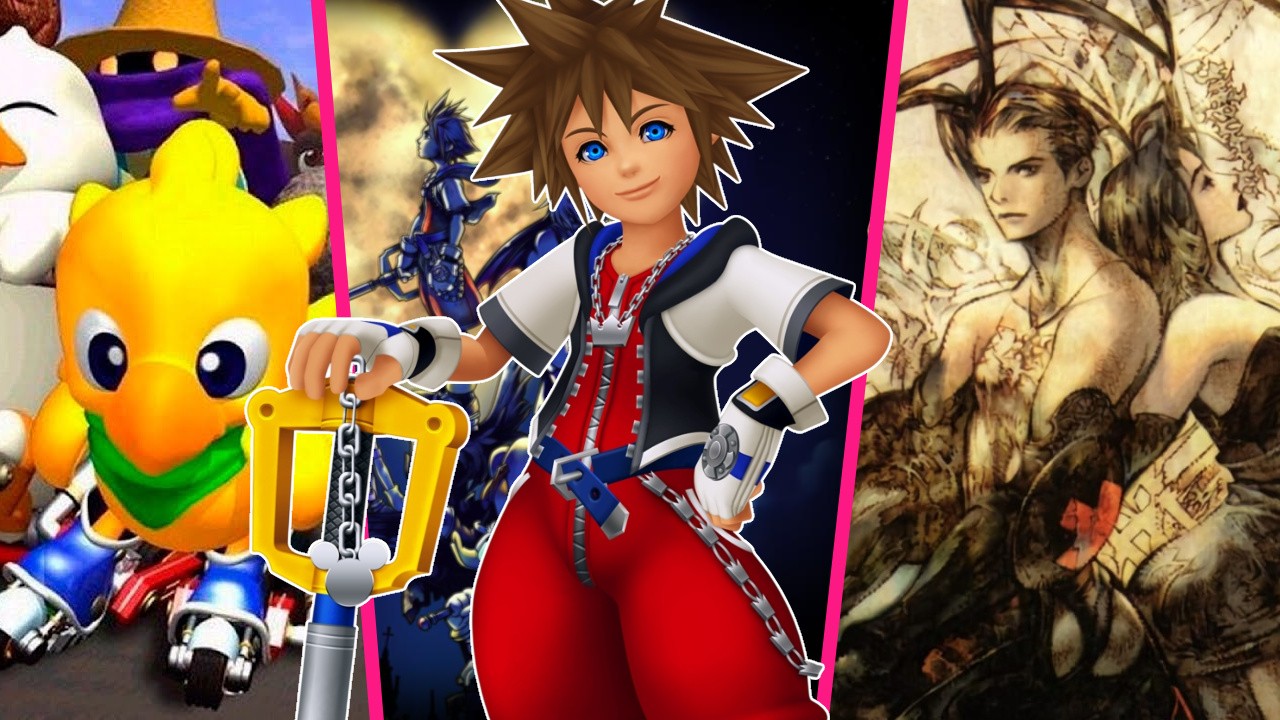
I’ve always been fascinated by the topic of video game localisation; for pretty much as long as I can remember.
Personally, for me, there’s just something that's so interesting about all of the hidden work that goes into taking a piece of media from one language and translating it into another, which constantly has me wondering about all the invisible changes and secret decision-making that occur behind the scenes.
In the past, for instance, I’ve had the amazing opportunity to interview a number of veteran translators and editors, such as Richard Honeywood, Leslie Swan, Alexander O. Smith, Brody Phillips, and Tom Shiraiwa, and I’m constantly on the lookout for other people to speak to, to help further deepen my knowledge and understanding of these types of roles, and the challenges that come along with them. This is what ultimately led me to get in touch with the former Square employee and localisation specialist, Amanda Jun Katsurada, earlier this year, in the hopes of potentially picking her brains about some of the projects she worked on during her career in games.
Katsurada was a translator at Square's Tokyo offices during a hugely transformative period for the company's localisation department. Initially joining the company in 1998 after a chance encounter at a job fair in the US, she went on to contribute to a number of notable projects, including Chocobo Racing, Legend of Mana, Vagrant Story, and Kingdom Hearts, before leaving the company to go freelance in 2003. She now works as a JA-EN conference interpreter, but still has fond memories of her time in games, many of which she was happy to share with us below:
Time Extension: How did you originally get involved in video game localisation?
Katsurada: So, just to give some background, I was born in Japan to a Japanese father and an American mom, but I went through the local schooling system up to 10th grade. So I didn't really speak English, although my mom always spoke to my sister and me in English and was always very intentional about being clean and correct.
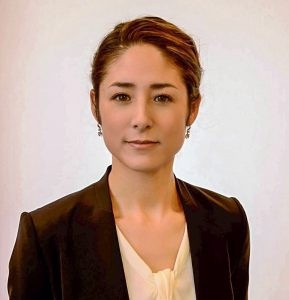
When I was 16, I finished 10th grade, and I was training to become a professional dancer, but I was having various issues. So, my mother said, 'Well, why don't you go to the States and live there? You have an aunt there.' So I moved there, went through the last two years of high school in the US, and then went on to a local university to earn a bachelor's degree.
I ended up kind of homesick, so I decided to try to get a job. But what I studied in college was all liberal arts. I had two majors (anthropology and comparative literature) and two minors (history and classics), and at that time, the only companies hiring were looking for programmers or people with science degrees. So the only job I could find was actually at Square.
I had gone to a job fair in Boston that primarily featured Japanese companies with U.S. offices or international companies with Japanese offices, and all the companies I was interested in rejected me based on my resume. But I found Square, and I honestly just went there because there was nowhere else to go.
Time Extension: Were you already familiar with Square’s output at the time before being hired?
Katsurada: Not really. I had never really played any video games growing up. I had zero interest.
My sister was a video game fan, though, and not just any video games. She was a hardcore fan of Yoshitaka Amano, the artist who created the poster images for Final Fantasy. My sister had picture books, and she really loved that world. So she always talked to me about it. Since I wasn't interested in video games, though, I just saw the artwork as art, not thinking about the video game side of things.
Anyway, at this event in Boston, I thought, 'I know Square because of my sister.' I'm just going to go over and see how things go. I went in and said, 'This is what I studied. I have zero experience with video games, but I'm actually interested and willing to learn. Do you have any interest in hiring someone like me?'
These people were from Square's LA office — there were Japanese and American people — and one of them said, 'You know what? You may not have any video game-specific interest or knowledge or experience, but I have a feeling that you would do really well with our company.'
I forgot who this was; it was someone probably from HR at their LA company. But she said, 'I think you'd be a good match. Are you interested in pursuing this?' By this time, I was really enjoying just having a conversation with these people, and I thought, 'This will be a good place. It's full of good people.'
After that, I had to go through the formal interview process with LA, and, internally, I guess, they were also looking into whether they could actually hire someone like me. They decided I would be a good fit as a localisation specialist and ultimately told me the job wouldn’t be for LA but for the Tokyo head office.
At the time, I was ready to come back to Japan anyway because the rest of my family was there, and I ended up starting the job in, I think, November 1998.
Time Extension: What was it like joining Square at that particular moment in time?
Katsurada: I had grown up way outside Tokyo, so this was really my first time exploring Tokyo and learning what it's like to live there. I knew Square was a big company and was doing well, but I remember being really impressed by its office building, which was fancy and made of marble.
During the onboarding process for new hires, I was also told I had to be in the office by 11. I thought, that seems a bit late. Not 8:30 or 9, but 11? I remember sharing that with other people in the office, including the other localisation people at Square, like Aiko Ito and Richard, and I think it was one of them who said, 'Well, it used to be 1 pm, and there are a lot of people who are unhappy about the starting time being pushed back.' I remember thinking, ‘The video game industry is crazy!’ Because I came from a totally non-video-game environment, everything was really shocking to me, particularly the long hours. I remember people staying a couple of days at a time and just working nonstop, eating at their booths. It was nothing like I expected, but it actually turned out to be great fun.
Time Extension: When I spoke to Richard Honeywood last year, he mentioned that one of the first projects he put you on was Chocobo Racing.
Speaking to him about the localisation, he said the primary focus was on how to approach characterisation and retain the humour and lightheartedness of the original Japanese script. Do you have any memories of working with him on the project or trying to achieve that goal?
Katsurada: Richard was the lead translator for Chocobo Racing, and he was so attentive. I just followed his lead.
Before we started that project, I remember he told me, 'We have more than enough time to work on the localisation of this project. So this will be a good project for you. I will teach you everything you need to learn.' We spent a lot of time translating all these characters into English and planning the different accents and speech patterns. So, the goblin speaks in a Cockney accent, and we made Cid speak in almost a southern accent. For me, it was an amazing experience because I've always been interested in understanding human nature, which is what anthropology is all about.
I tend to care a lot about history, culture, human nature, and how language shapes a person's character. So, this is when I really got to start putting into practice everything I'd learned in college or over six and a half years in the States. I was able to start thinking about different sounds and how to give different characters a unique feel based on where they’re from on a map, for example.
What's particularly interesting is that sort of game localisation didn't really exist from a linguistic perspective until shortly before I joined. Before that, it was mostly literal translation. So I was very lucky to join the company when they started to see the value of letting go of this very Japan-specific content and allowing it to be localised into other languages. I think Richard, in particular, was really important in that. He was able to build that trust within the company, to say, 'I know what I'm doing, I respect your creativity. I simply want to put that in a form that's going to be equally appreciated in English or any other language.'
Time Extension: Did you get to interact much with the Chocobo Racing team, being based in the same building, or were you mostly kept separate from one another?
Katsurada: We did. We worked with them pretty regularly. I can't recall where in the building they were relative to us, but the way it worked was that if we started translating and had a question, I would probably ask Richard or maybe the localisation manager, who handled all the administrative stuff. Oftentimes, though, we could just go straight to the team and say, 'I'm so sorry, what does this mean?'
I don't know how it is nowadays, but the text files were often organised by location; it wasn't like a written script or story, where you could follow along with who was saying what. And they were often programmed so differently, project by project, depending on who was doing the programming. So, it was really like walking through a minefield, trying not to mess up any of it.
I'm sure we got copies of the game to work on just to avoid critical errors, but it was still very, very tricky. So we had to go to the developers all the time. To avoid burdening them too much, we would try to play the game ourselves as much as possible – maybe not the alpha version, but something more playable, like the beta – to try to find the answer that way first.
I'm sure Richard probably mentioned this, too, but we also got very close with Takashi Tokita-san, who was the director of Chocobo Racing. He was so caring and so loving, and just a great all-round guy. He would just say, 'Hey, how's it going? Do you want to go grab ramen?' And that would lead to all of us spending these really fun evenings together. Because of that, it created this environment where I never felt afraid to ask the team for anything.
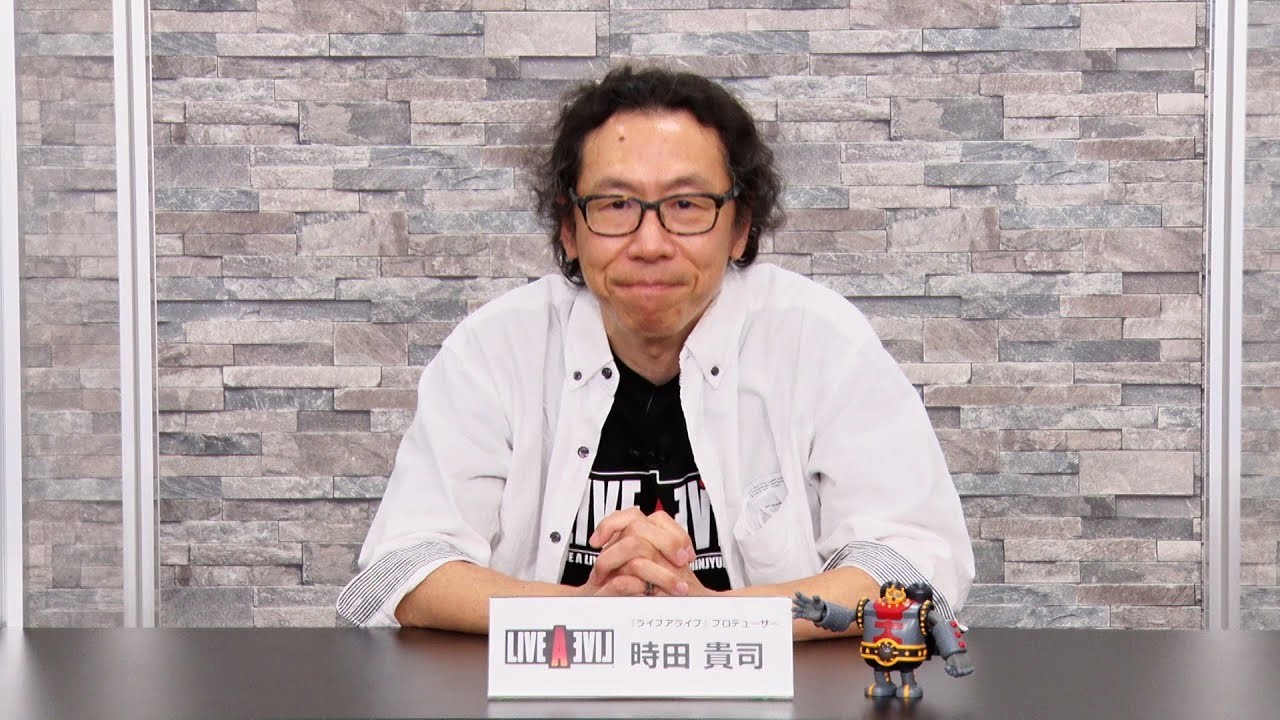
Time Extension: The same year Chocobo Racing came out, Square also released Legend of Mana, which you are also credited on, alongside Brody Phillips. On that project, you are credited as a localisation specialist. I’m curious, what is the difference between a translator and a localisation specialist? Was there a difference inside Square?
Katsurada: I think that’s just what the company decided to change it to. What I was doing was still the same: localising these games to be available in English – in my case, I was doing more American English.
I do think that term, ‘localisation specialist,’ helped us to understand, though, that we're not just working with words; we're also considering gestures, icons, and other aspects, too. For example, I know there was one instance where we were discussing internally what to look out for, and I remember hearing that if we sensed something that was not going to pass in a given destination, we should not be afraid to tell the team something like, 'You should check with the legal department of the country, because I don't think this is legally allowed.' So the name helped confirm to us that we weren’t just considering the text, but also other factors too.
Time Extension: It'd be interesting to hear: do you have any specific memories of working on Legend of Mana? Were there any particular challenges you remember facing with that project?
Katsurada: What I remember the most about that game is the beautiful music by Yoko Shimomura. As for the localisation side of things, I don't think there was anything too difficult.
I recall the team was a lot bigger than Chocobo Racing because Chocobo Racing was – I don't want to say a side project, but a fun addition to the Chocobo series, whereas Legend of Mana was the next big game within that series. So, I remember playing the entire Mana series before working on this translation, just to understand the world and what fans would expect.
Time Extension: Would Richard encourage people to do that? To go back and play older titles of the series they were working on?
Katsurada-san: He probably didn't really push us, but it just made sense. He'd say, 'Well, we've got the resources, go grab the games.'
I can't remember where in the company I got the games from, perhaps from a special library. Somebody would just appear and say, 'Here it is, go play,' and I would be like, 'Okay, I'm going to play eight hours of this today and take notes.' Again, I was never a video game player, but even for someone like me, they were pretty fun games, so I had no complaints.
Time Extension: Before this interview, I actually came across a comparison of Japanese and English names used in Legend of Mana. It seems like, for the most part, you followed the katakana names pretty closely. But there are some interesting exceptions. Bon Voyage is renamed Professor Bomb, for instance, and Corona is renamed Lisa. Looking over the list, those two names, in particular, stood out to me. Do you happen to have any memories of why those changes were made?
Katsurada: Honestly, I can’t pinpoint how those two localisations came to be, but I do vaguely recall consulting the senior translators and the localisation manager for the naming conventions. Bon Voyage (ボンボヤジ) is a wordplay. A combination of ボンボヤージ (bon voyage) and 親父 (oyaji, "dad"), with the ‘bon’ (the Japanese version of ‘bomb,’ ‘bam,’ ‘boom’) being an onomatopoeia for the sound of a cannon that he blasts. This fan page catches the essence of the naming. If I had to guess, we probably prioritised using the "Bomb" part.
As for Corona, I honestly cannot recall why she is Lisa in English. The name is not really my style, so I’m guessing there must have been a reason behind it that I’ve simply forgotten.
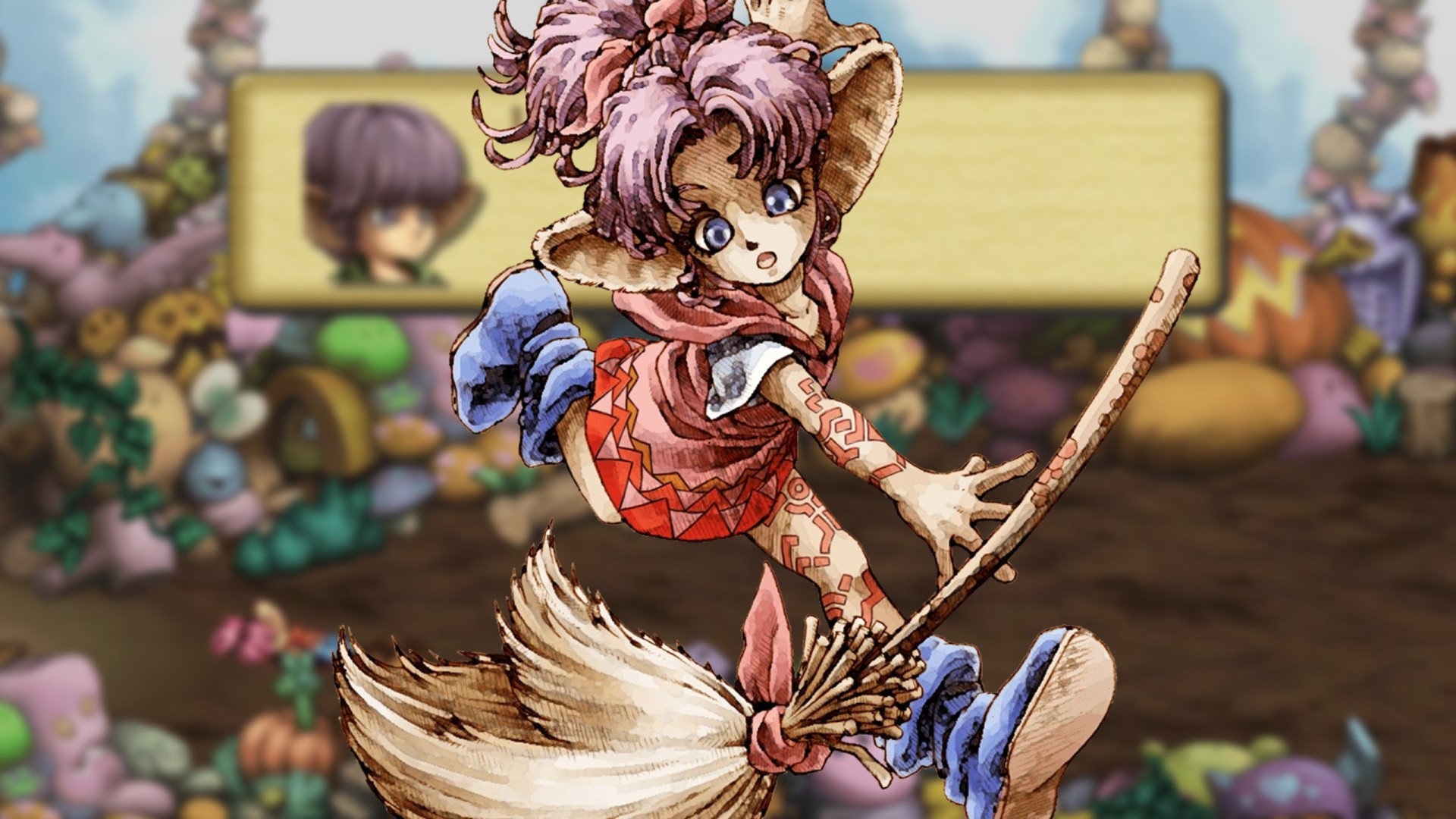
There is also one other small incident I remember from Legend of Mana. So, some of these Square games let you name your own characters. But I remember in Legend of Mana specifically, you could also randomly assign a name to your character. So we needed to translate that list of names into English.
And I remember one of them was "Amanda" in Japanese (アマンダ), because there was already a character called Amanda in the Mana series. I think someone else on the localisation team mistook that for me deciding to put in my own name, because we didn't have all the character names catalogued perfectly (as I recall) in the ‘90s, and translating past references typically relied heavily on our own personal records. So they ended up replacing one of the names and doing the same. They must have thought, 'Oh, Amanda's just doing this just to make it fun.' I think someone caught it and asked them to put it back as it was.
Time Extension: After Legend of Mana, I believe you ended up working on Vagrant Story with Alexander O. Smith (who I've also previously spoken to in the past). I think in a past interview, he mentioned that you handled much of the menu text, while he tackled the story and dialogue. Do you remember why you decided to approach the project this way?
Katsurada: Yes. So, I think that was the first time we very intentionally split the tasks like that, because Vagrant Story required that very high level of knowledge of that kind of [Shakespearean] language, and Alex was born to do that. We usually just split the workload as we went along, but I think I suggested, 'You need to do all the characters, because we need consistency, and this is a very specific type of language that’s needed. You do that, and I will handle the rest.'
For this particular game, the level of precision required was on a whole new level, and I think Alex was the only person who could really do it.
Time Extension: Richard also said something like that to me. He told me that whenever a project required people to write in this elevated Elizabethan style, he would always think of Alex. In terms of like the menu stuff you mentioned, can you remember anything specific you worked on?
Katsurada: So, there were a couple of things I did there, starting with the various weapons your character can choose. If I could get a glossary from the team, I would typically use that. But, most of the time, there was really nothing to work with. So what I would do is just walk over to the internal library we had, and there were all these encyclopedias on weapons from around the world. I would pick them up, flip through the pages, and try to figure out that way what they were and what their English equivalents would be.
I also did a lot of the room names, too. Luckily, this game didn't have too many dad jokes to work off, unlike a lot of Japanese games, so narratively it was a lot easier, but I remember I had to rely pretty heavily on my own creativity.
Time Extension: Did you happen to be responsible for renaming the item, the Crystal Eye of Clarivoyance, to the Eye of Argon in Vagrant Story? Or was that something Alex did? It seems to refer to an infamously bad novel from the ‘70s. I’d be curious to know how that ended up in the game.
Katsurada: I believe that was Alex. I can’t recall exactly how that happened, but I can easily imagine that those items were also my responsibility, and I just asked him for help. I often consulted Alex so that the item names were consistent with the Shakespearean feel he so beautifully created for the English version. And that relationship also worked both ways.
That’s because, while most of my colleagues were native English speakers and excellent translators, most of them were not Japanese and were probably not as good at finding all the hidden meanings, because these references were often obscure and very subtle. I grew up as a bookworm in Japan and was also trained in cross-cultural communication, anthropology, and sociology, which is why it usually worked well for me to be paired with a native English translator, like Alex, Brody, or Richard. That way, we could play to each other’s strengths. They could teach me how to make something sound more natural or consistent in English, and I could provide them with some of the cultural context they may have missed.
I don’t know if you know this, but when Alex was working on translating Japanese mystery novels, he actually hired me as the cultural checker. He is an excellent translator; he would do all the necessary research, but he still felt I would be an asset in ensuring he captured all the cultural nuances.
Time Extension: Besides what we’ve mentioned above, you’re also credited on Kingdom Hearts, which is now a huge blockbuster series for Square. At the time, though, I can imagine it must have felt like a strange proposition: mixing the worlds of Final Fantasy with traditional Disney characters. Do you remember what the process of localising that game was like?
Katsurada: I could be wrong, but I'm pretty sure this was the first time Disney let another company develop a video game using its characters. Until then, Disney was hiring other companies to develop games for them. But this was a collaboration, very much an equal partnership thing, and I think there was a lot of struggle for them to let go.
I recall, initially, Ryosuke Taketomi and I were selected as the translators on the Square side, and our assumption was, 'Okay, we'll just do our usual thing and just translate everything.' And then Disney said, 'No, no, no, no, we have chosen the translator. And they have a wonderful track record.' We saw the resume, and we were going, 'Whoa, I would love to see their work.' But, unfortunately, this person didn't know the odd formats or parameters that he had to work within at Square. So, pretty much everything had to be re-translated by us. So that reduced the time we could spend on translation, which was hard. My translation partner also left partway through, too, so in the end, I had to finish the project by myself.
I was working every single weekend, every single day for a long time — really long hours. Towards the end, I was pretty much living in the office, because we were so close to not making it. Honestly, it's all a bit of a blur in retrospect, because it was so gruelling. I should probably say, though, there were also some fun moments that made up for it. This was the first project where I did interpretation, for example. Some Disney executives came to the office because the Japanese voice-overs had to be done in Japan. We were recording Mickey, Minnie, and all those Disney characters in Japan, so the Disney vice president came to check in on the sessions, and I interpreted for them, which I ended up really enjoying.
Time Extension: Regarding the character names, it seems most of the characters kept their original Japanese names, such as Sora, Riku, and Kairi. I think the Heartless are even referred to in Japanese as Hātoresu (ハートレス). Was there ever any conversation with the developers about changing some of the names to appeal to a Western audience?
Katsurada: So, with this particular project, I wasn't always able to run to Nomura-san, because he was super busy, from what I understand.
From what I recall, I would usually consult the localisation project manager, and he would say, 'Sure, we can bring that up to him' or 'Let's not push that.' But from what I heard, Nomura-san typically preferred to keep everything unchanged.
I did make suggestions for the main character names and the monsters, but, from what I can remember, they had already been given katakana names, and he didn't want to change any of them. Heartless was fine, but I remember for some of the miscellaneous characters, I made the argument, 'We cannot just simply put these katakana names into English because some of them just won't sound good.'
Time Extension: I'm looking at a list of enemies here, and most of them just seem to be different variations of Heartless. I'll send you the list.
Katsurada: I guess this is a fan site. I’m looking at the list of Heartless. They look more localised, right from the beginning. So these may be the later versions. I know they amped up the localisation a whole lot starting from the second one.
Time Extension: I remember there was a miniboss character called "Stealth Sneak" for the Deep Jungle stage, which sounds slightly awkward and appears to come from a Katakana phrase.
Katsurada: It's that kind of name. Maybe I shouldn't talk about this because I have no way to verify, but it was definitely an episode. I remember there was like a skeleton-like monster/creature. It was one of those.
But I remember Nomura said, 'No, I'm gonna keep them as is.' At the time, there were some internal concerns about how that may impact sales, not just from me, but in the end, I don't know if we ended up changing them. I think in the end, it all came out alright.
One thing I should also say, which I'm proud of, is before Kingdom Hearts, I submitted the name Tidus for Final Fantasy X, for the Japanese character Tīda (ティーダ). I know there's been some debate about how it's pronounced since, but I did not touch on the pronunciation; I just submitted the written form: T-I-D-U-S.
Time Extension: We’ve mostly talked about your time at Square, but I’m curious, what other video game work have you done since?
Katsurada: So, Final Fantasy Origins was my last project at Square. And then I was so burned out that I left the company. I was like, 'It's time to move on.' I was absolutely exhausted, and I really needed a break. I'm looking at my own resume here, and I have all my game-related experiences.
So, after Square, I worked as a freelancer on several projects with Q Entertainment. I also did some translation work for online games, a couple of Disney Interactive games, and a game by the game developer, Three Rings. A lot of these were very small games, online games, no apps, because it was before smartphones. I also worked on Final Fantasy Tactics Advance for Square Enix, and did some localisation consultation for Electronic Arts.
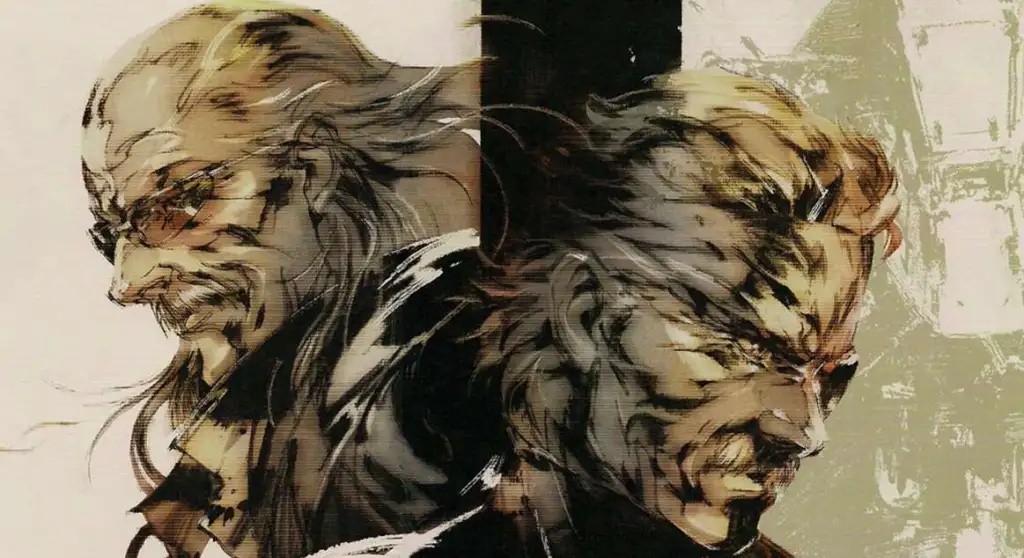
Time Extension: Didn’t you also happen to work on a Metal Gear project? I remember reading on your MobyGames profile that you are credited on Metal Gear Solid IV: Guns of the Patriots as a post-production translator for Dimagic.
Katsurada: Oh, yes. Oh, that was fun. So, I did some interpretation for that. I didn't do any text translation; they already had the game more or less complete. But I was hired to attend their sound-engineering mixing sessions at Skywalker Sound as an interpreter. You know that game had a lot of movie-like sequences, and they had to add some really high-quality sound effects, like people walking up steps, shooting, or something swooshing in the air. All that was done at Skywalker Sound. Kojima-san would be sitting there and say, 'No, this thing is going to come in from here, or come through here, and then there'll be a ching,' I would translate, and then the engineer would follow his instructions.
Time Extension: What are you doing now? I believe you've left the game industry now. Is that correct?
Katsurada: Yeah, so I'm a full-fledged freelance interpreter. So I do mostly simultaneous interpretation.
So after I left Square, I stayed in Tokyo for a few years, basically freelancing and not really trying to find a full-time job. I also did some simple interpreting jobs with musicians touring in Japan or at these big summer music festivals, so I would be there as their go-to interpreter.
I started doing more interpreting because, as I explained to you, I joined the Kingdom Hearts recording session when that executive came over, and really found that this is my calling.
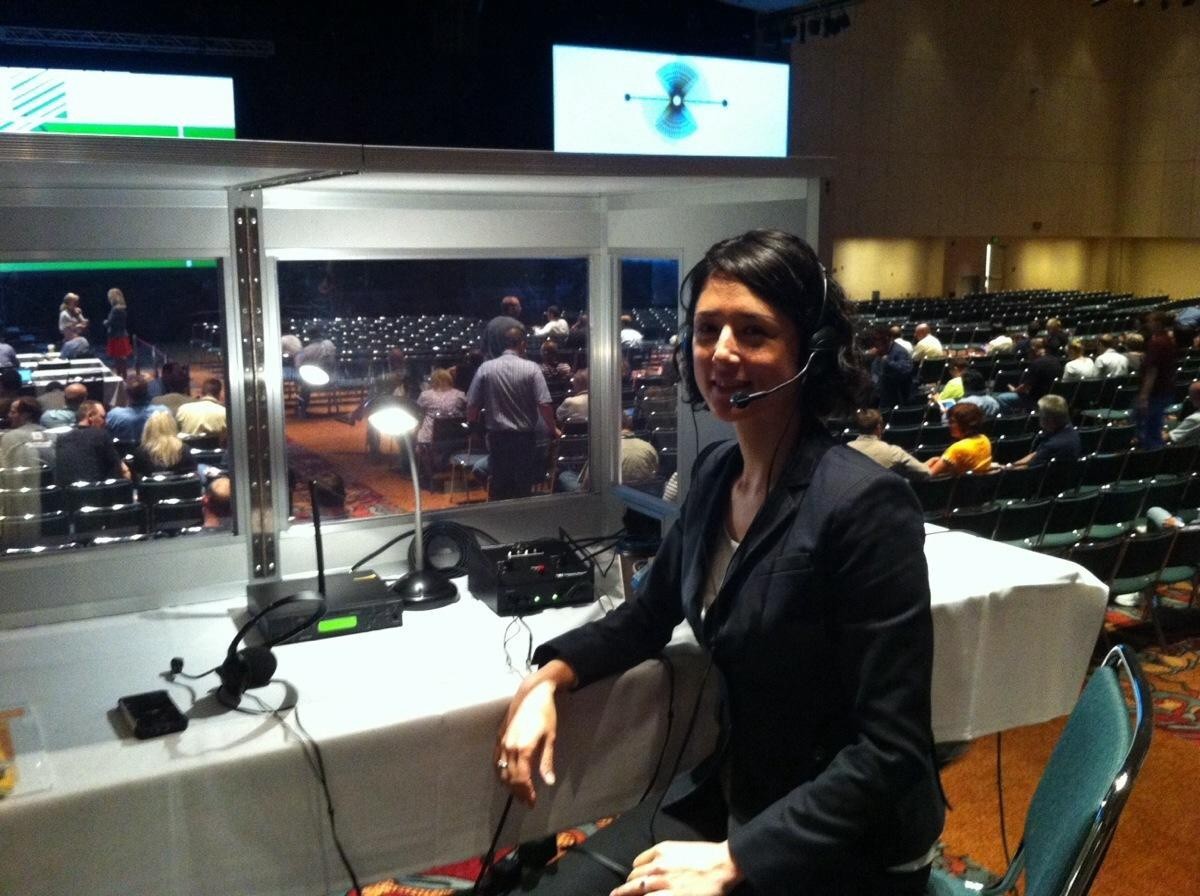
I think interpreting is a better fit for me, rather than just sitting all day typing. Although it was really enjoyable, I preferred this more direct, face-to-face interaction. And I think I was better at it. So I decided that after I left Square, I would try to find work as an interpreter. Initially, that wasn't really going all that well, because I didn't have a degree. So I decided to go to the States to pursue my master's degree in Conference Interpreting.
I did that for two years, got my degree, and then I got an in-house interpreting job at Honda, an automotive company, which had nothing to do with games. I worked there for a few years, but now I'm really freelancing as a conference interpreter, mostly doing automotive work.
Time Extension: Do you ever miss the video game industry?
Katsurada: I do miss the video game industry, and I would love to work in it again. In fact, towards the end of last year, there was a really nice get-together that Tokita-san, the director of Chocobo Racing (and the developer of other games like Hanjuku Hero and all that), attended.
He contacted me and said, 'Hey, J. Katsu, long time no see. You alive? Do you wanna just come hang with us?' and it was essentially all the gods of Square in one little restaurant. I was there just sitting at the end thinking, 'Why am I here?' I remember saying something there like, 'I'm available, but I need to study up on what's been happening in the video game industry since I've been gone.'
The video game industry helped me start my professional career, and it was wonderful to see what people were creating. I honestly don't know what the industry is like now, but yeah, I would love to do something in it again.