
 by
by 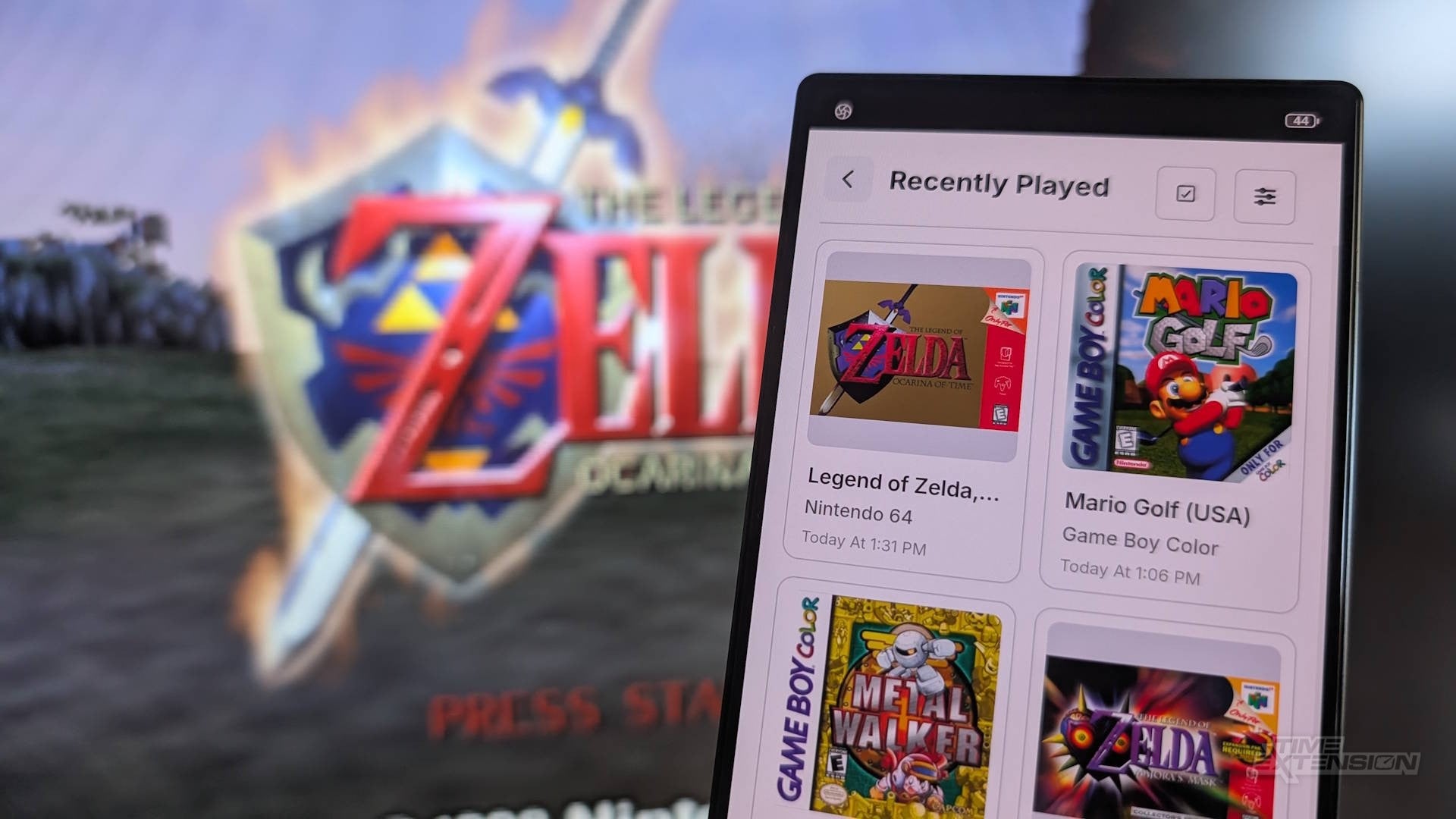
Modern emulators have made it easier than ever to play your favourite retro games on a phone, laptop, or even smart refrigerator, but unless you have some technical know-how, it isn’t easy to take your saves with you.
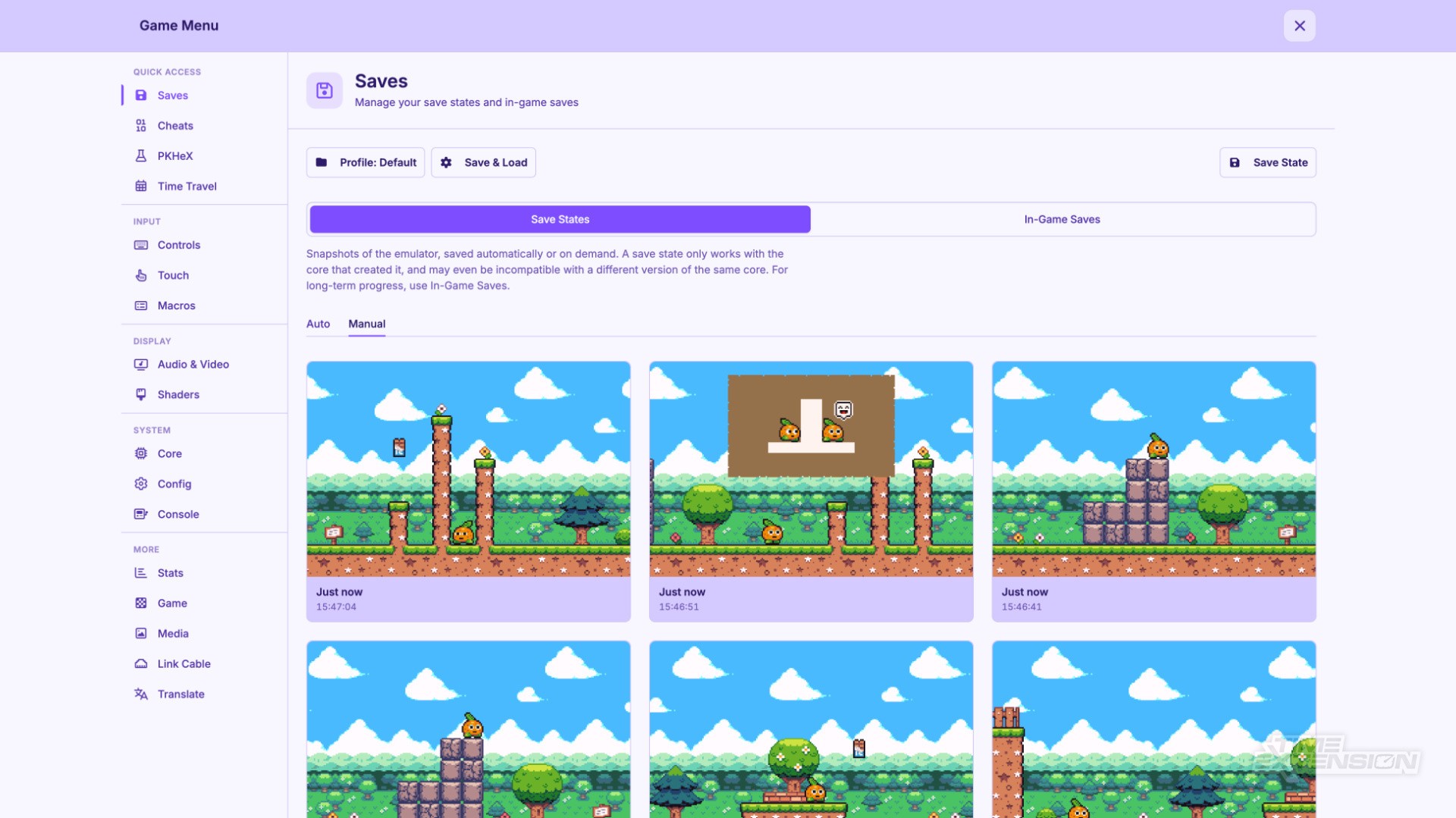
Patrick Corrigan set out to solve that problem five years ago with a browser-based emulation platform. The simple goal of starting a game on his desktop then resuming the same save from his phone while in line at the supermarket led to the creation of Afterplay.
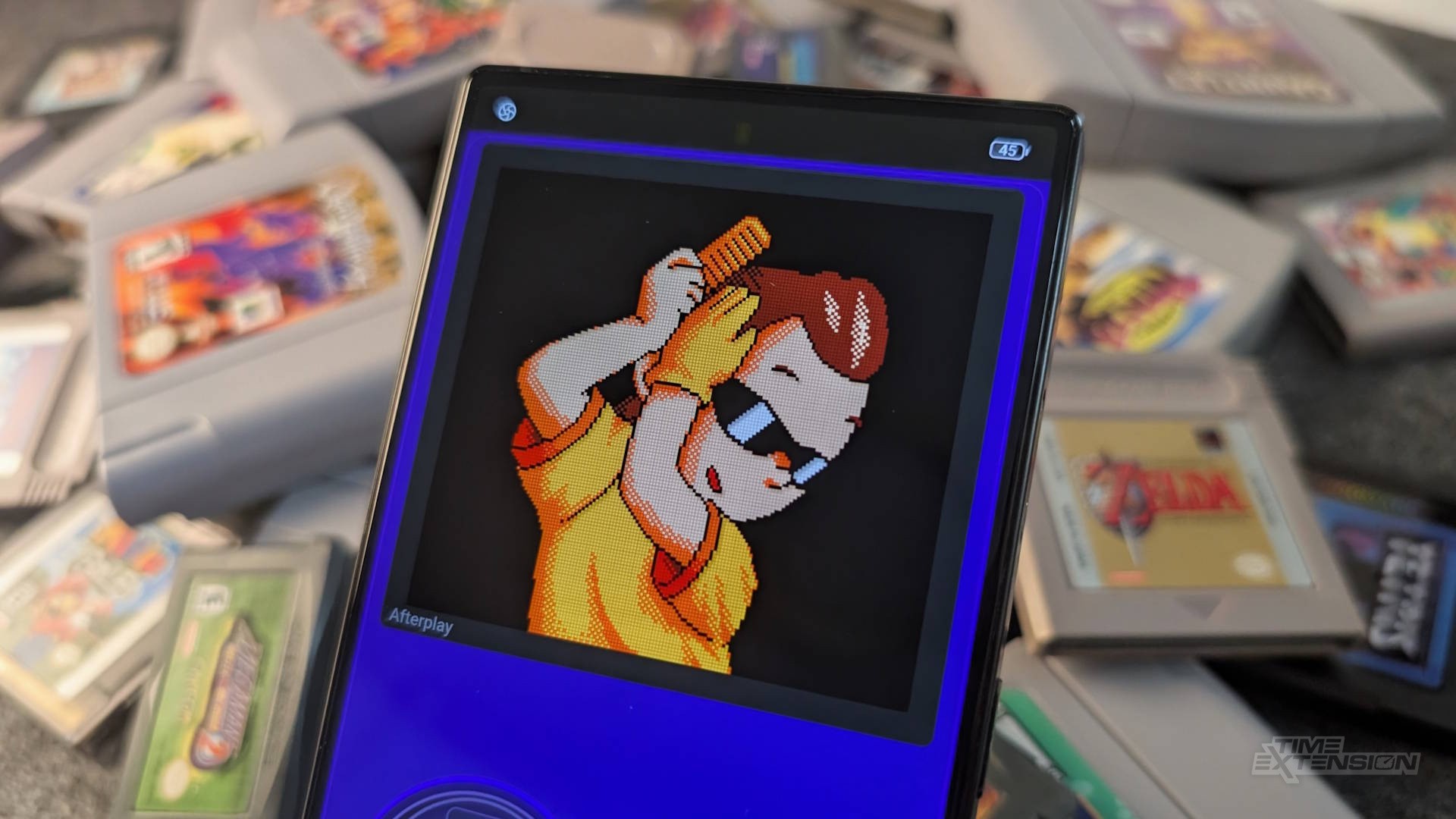
Today, Afterplay supports more than 30 classic systems, all playable from a desktop or mobile browser. You don’t need to download or set up any complicated emulators, and your games, saves, and settings are stored in the cloud. It even supports modern niceties like online multiplayer and RetroAchievements.
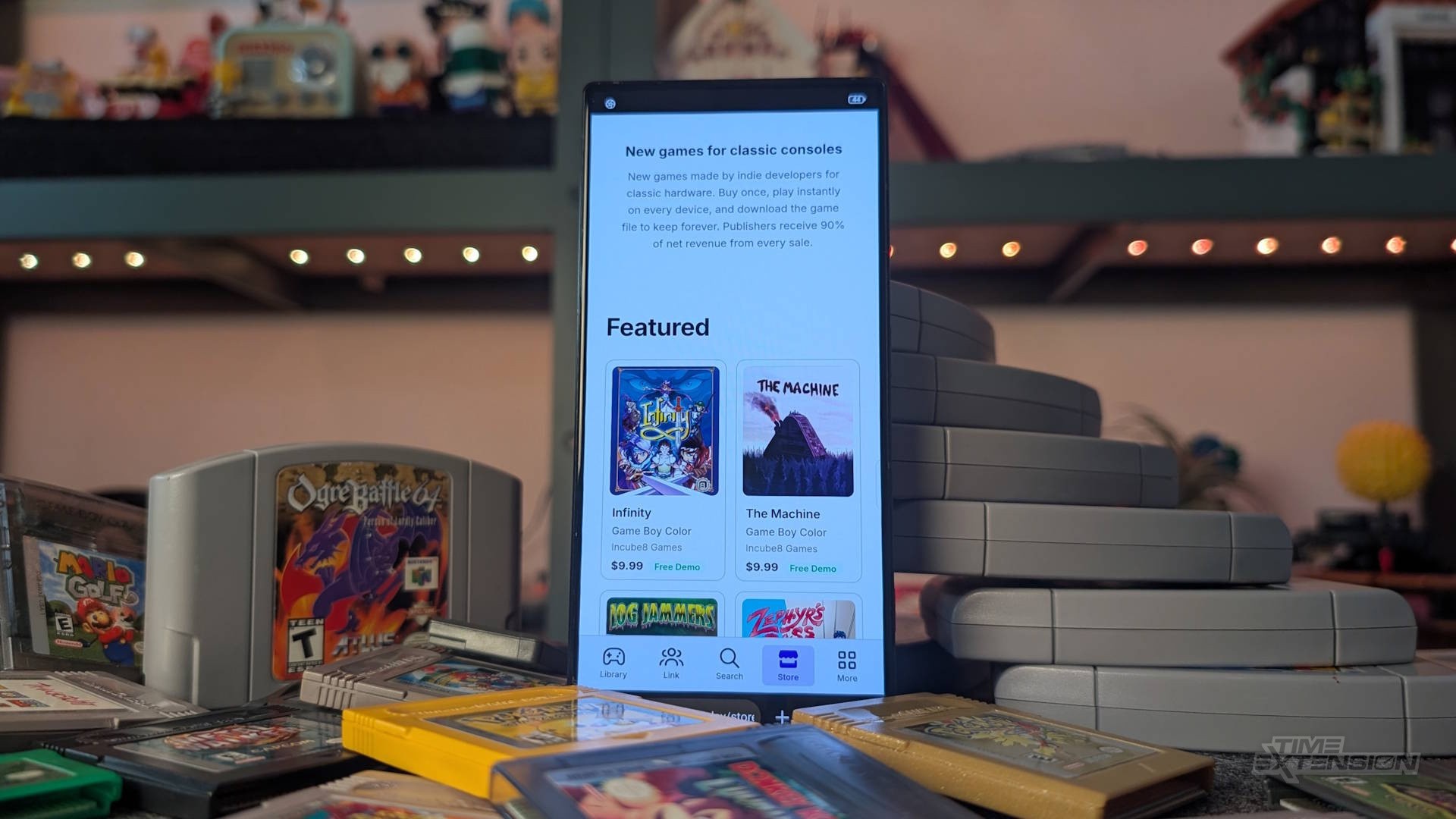
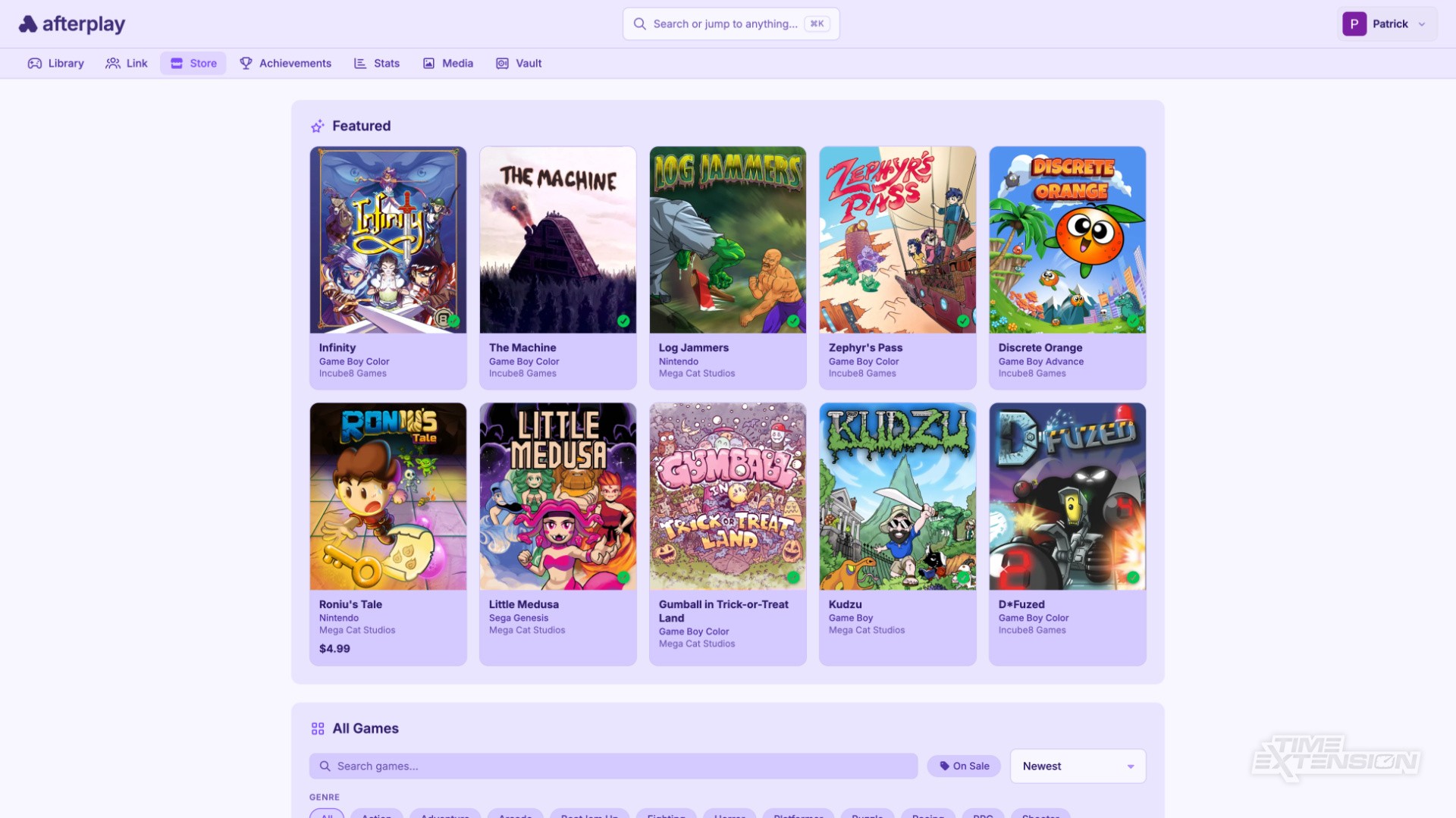
You’ll need to bring your own game ROMs, of course, but the platform has also partnered with publishers like incube8 Games and Mega Cat Studios to create a new storefront for modern indie retro titles. You can try out a demo for free, then buy the game and keep playing on any modern hardware.
I sat down with Patrick to talk about the project’s origins, how it got a big early boost on iOS, and just how far he thinks he can push browser-based emulation.
Time Extension: To start, can you tell us about your retro gaming journey? What systems did you grow up with, or when did you start playing retro games?
Patrick Corrigan: I’ve loved games for as long as I can remember. The first systems I had were my brother’s old NES and SNES, which I got after he moved on to a PlayStation, and from there I went through pretty much the whole run of Game Boys, the Pocket, the Colour, the Advance, then a PS2, the original Xbox, and a 360 later on. There was even an N-Gage in there at one point.
Some of the games that really stuck were Super Mario Land 2 on the Game Boy and the original Pokémon Red, which I actually played before the TV show ever came to Ireland, so I didn’t really know what it was at the time. Halo on the original Xbox was a big one, and because I was a skateboarder as a kid, I put a lot of hours into the Tony Hawk’s games, Pro Skater 3 through Underground especially.
Later I got into PC gaming and put together my own machine, though that ended up being more about overclocking and tinkering than actually playing. That tinkering is sort of where the retro side really started for me. I tried Wii emulation through Dolphin not long after building that PC and was amazed I could run Mario Galaxy on it.
Years later, wanting to play back through Pokémon Red on whatever device I had on me, is what eventually led to Afterplay.
What was your main goal in creating Afterplay? Do you think you’ve achieved it at this point?
Patrick: Honestly, it started pretty selfishly; I just wanted to play a game on my laptop then carry on from the exact same spot on my phone, no setup, the save just sitting there waiting. That part we’ve got right; it’s the heart of what Afterplay does. The bigger dream, being the default place to play retro games, we’re still working on.
Afterplay launched in 2021, primarily targeting iPhone users that couldn’t otherwise access emulators. How did you adjust after Apple reversed course in 2024?
Patrick: Afterplay was always meant to be cross-device; that was the whole idea from day one: start a game on your laptop, carry on from the same spot on your phone. The iPhone side wasn’t really the plan. There was just no good way to play retro on iOS without jailbreaking or sideloading, so we became one of the only decent options there, and a lot of early users came in that way.
When Apple opened the App Store to emulators in 2024, that stopped being ours alone, but it didn’t change our direction. Cross-device was always the point, and if anything, we leaned harder into it.
What advantages does Afterplay offer over self-hosted options like RomM?
Patrick: RomM’s fine, but it’s self-hosted, so you’ve got to set it up and keep it running yourself, and that’s a step most people just aren’t going to bother with.
It also doesn’t come close in terms of features. With Afterplay, there’s nothing to install and nothing to host; you sign in, and your library and saves are right there on whatever you pick up. Netplay, cloud sync, the store, it’s all built in, not stuff you’ve got to set up and maintain yourself.
Afterplay doesn’t provide ROMs, but does provide cloud storage for user-uploaded ROMs. What do you think about the legal line you’re walking?
Patrick: I’d push back gently on the idea of a line, because the pieces are all pretty well established. The emulator and the games are two separate things, and emulation itself has been legal and well understood for a long time.
We don’t provide ROMs at all. The storage side works like any other cloud service: you upload your own files, and you’re responsible for what you put there, the same as Dropbox or Google Drive. And everything we actually sell is properly licensed, real deals with real publishers.
On that note, you’ve recently added a storefront for new games designed to play on old hardware. Tell us about that decision and the complications it presented for the company. Has it paid off?
Patrick: There’s never really been one good place to buy new retro games digitally and just play them, no setup, so it made sense for us. We already had the runtime and an audience that plays retro every day.
AI is a big part of why it happened when it did; it took a fraction of the time to build compared to a couple of years ago, so it was more of a “let’s try it” than some huge bet that pulled development off the main product.
And it’s paid off. We’ve now got over 50 games on the store, and we’re adding more all the time. If you’re making something for a retro console, you can apply over at afterplay.io/publishers.
You've previously mentioned that Afterplay runs RetroArch under the hood. What was the hardest part of getting that to behave consistently across Safari, Chrome, and other browsers?
Patrick: It nearly always comes down to one thing: iOS Safari. It’s the most memory-constrained and the slowest to adopt new web standards, so it’s almost always the lowest common denominator, where we end up spending the time. The trick is getting everything to fit inside its limits, and once it works there, the other browsers usually just fall into line.
The hardest single case was the DS: the bigger games kept blowing past Safari’s memory ceiling and taking the whole tab down, so we ended up streaming them from compressed CHD files to get around it. That was the longest single fight with Safari I can remember, though we’ve since solved it more cleanly by streaming directly from OPFS.
You’ve been open about using AI in development, and there’s an AI credits system baked into the platform. What features are planned to take advantage of this? Have you seen a positive/negative reaction from the community, given the understandably strong feelings on the subject?
Patrick: The one that’s live is on-the-fly translation, playing games that were never localised, in your own language. We’ve also got an experimental autopilot, where the AI plays the game for you based on instructions you give it, something like “grind until level 30”. At the moment, it needs a deep understanding of a game’s memory structure to work, so it’s limited to a couple of titles. But as AI gets more powerful, it should eventually work with any game.
As for the reaction, AI’s divisive and I completely get why; there’s a mountain of low-effort nonsense out there. Our take is it should do things for players that genuinely weren’t possible before, like translation, not just be a gimmick bolted on.
What differentiates Afterplay from low-effort vibe-coded projects users are (rightfully) wary of?
Patrick: The wariness is fair; most vibe-coded projects are someone asking an AI to build something they don't really understand, and you can usually tell within about ten seconds of using it. Afterplay's a different thing on a couple of levels.
First, it's five years old, and the bulk of the architecture was built by hand long before AI was any use, so there's a real foundation under it; it wasn't spun up in a weekend. Second, it's in how we actually use AI. I'm not blindly shipping whatever it produces, I review at the level that matters, the plan going in, what changed, the overall approach, and I spot-check the load-bearing bits, I stay in control of the architecture and let it handle the rest.
If anything, AI's pushed our quality up rather than down; we lean on strong linting, architecture-boundary enforcement, real test coverage, even mutation testing. The kind of stuff that used to feel like overkill for a small team and is basically free now.
But honestly, the best answer is just to try it. The vibe-coded stuff falls apart the moment you lean on it, and we're confident Afterplay holds up.
What are your personal feelings on AI, both in your dev work and as a technology?
Patrick: On the dev side, I'm all in; I don't think writing software fully by hand really makes sense anymore. And it's not just doing the same work faster; it lets you do things that genuinely aren't possible for a person on their own.
Debugging's the clearest case. You can hand it a mysterious bug with steps to reproduce, set it going, and it'll add logging all over the place and run the thing again and again, for hours if it has to, never getting tired or bored or giving up, until it finds the cause. I've seen it crack things in minutes that would've taken a person weeks, or that honestly nobody would've found by hand at all. It clicked for me around late '25 when Opus 4.5 came out, the point it stopped feeling like a typist and started behaving like something you could hand a whole feature to and get a proper plan back.
As a technology, I think it's probably the greatest thing we've ever invented. It changes everything. All the mechanical, repetitive work, the stuff you do because it has to be done rather than because you want to, is on its way out, and I don't think we're going back. I already see it every day in how I build Afterplay, and it's only going to reach further than that.
Are there any features that the community demands that you have no intention of building?
Patrick: Nothing I’d give a flat no to, really. The way I see it, if you can already get something better in a separate app, there’s no point us shipping a worse version of it inside Afterplay, things like a notes feature or a guide browser I’ve tinkered with and then left out for exactly that reason. So it’s less “we’ll never build that” and more “we won’t clutter the place up with stuff you’d just open another app for anyway.”
What’s the ceiling on browser-based emulation? Is there a console generation that’s too demanding for this to work?
Patrick: We keep pushing that ceiling. MAME’s in progress, and PSP and Dreamcast are the most likely to land next; both should be doable in the browser. The genuinely heavy stuff, like PS2, is a lot harder to run, and to do it well you really need a dynamic recompiler.
The recompilers that exist for these consoles all target x86 and ARM, not WebAssembly, so we’d have to write our own. There’s no fundamental reason that couldn’t be done; it’s not a limitation of the web itself; it’s just software nobody’s written yet. We’ve started building cached interpreters to claw back a good chunk of the performance in the meantime, but proper support for the really heavy systems will need some work.
What does success look like for Afterplay in 5 years? How do you envision getting there?
Patrick: It’s Afterplay being the default way people play retro games, someone asks how to play an old game and the answer is simply “Afterplay.” Getting there is more of what we’re already doing: more systems, the controller-focused UI and the TV apps, growing the store.
But the part I’m most excited about is the social side, public rooms that make Afterplay feel like a place rather than just a tool.
Tell me more about the social features you’re excited about. Can you give us a preview of what’s to come? What kind of features exist already, and where do you want the community to grow?
Patrick: Right now the social side is built around playing together. You can spin up a private room and play with friends over netplay, with audio and video chat built right in, so you can see and talk to each other while you play.
The big thing I’m excited about is opening that up into public rooms. You’d open Afterplay and see what people are playing right now, a co-op session here, a versus match there, and just drop in, play, and leave, no setup or coordination needed. So much of what made retro gaming special was being in the same room as someone, and that’s the bit that’s missing online, so I want Afterplay to bring it back. We’ve held off on the public side until we get moderation right, but that’s where we’re heading.
If you want to follow along or get involved, come and join us on Discord, that’s where a lot of the roadmap gets shaped.