
 review by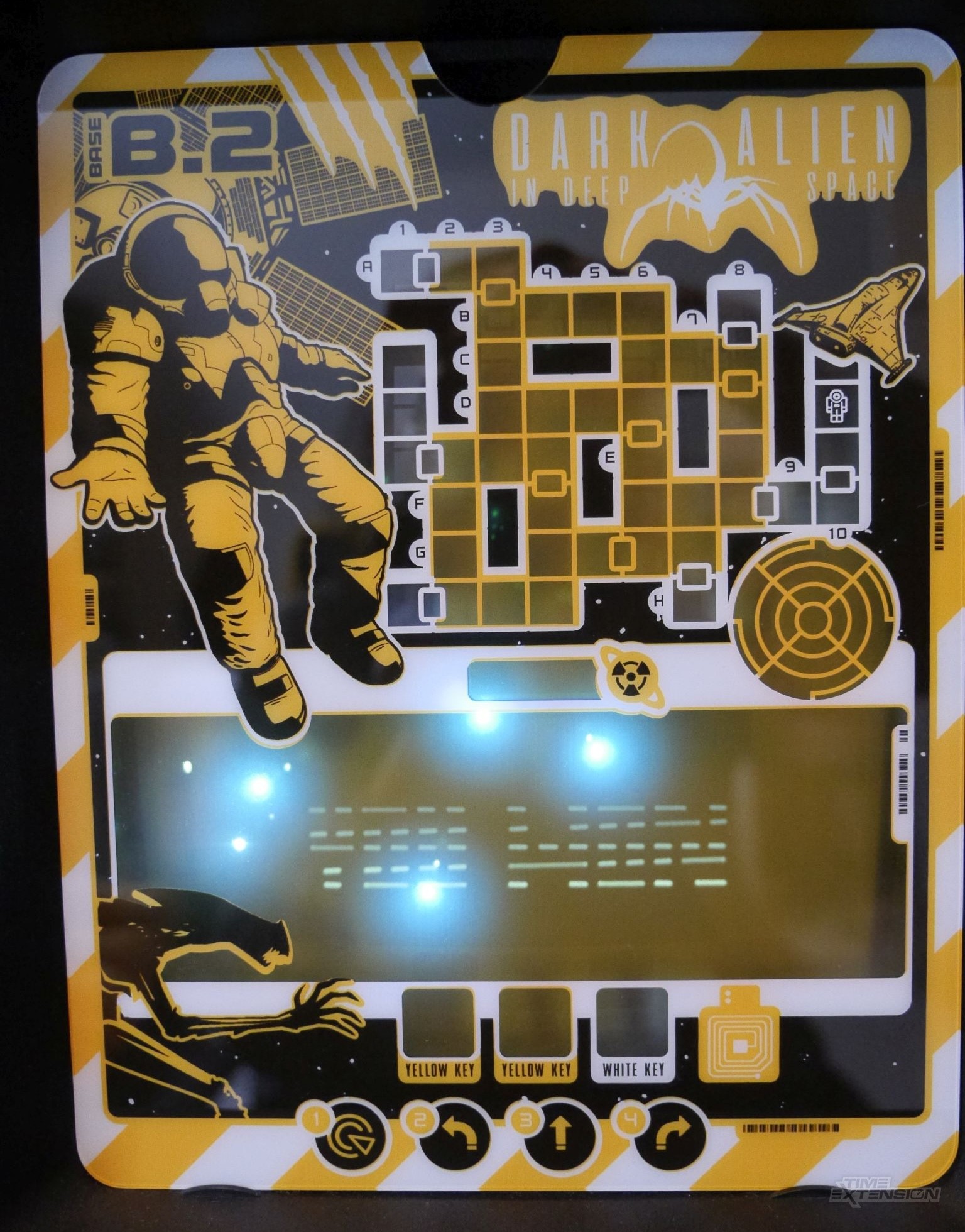
One of the coolest things about the Vectrex community is how many homebrew games have been made. There were 28 retail titles released during its lifetime; as of now, a conservative estimate would put aftermarket titles at around 150; it might even be over 200.
We honestly do not know, because unfortunately, the community is not great at publicising each new release – sometimes there'll just be a stealth drop on the Facebook group, easily missed. Other times it's just a small forum topic, meaning you either scan the Vectrex forum like a hawk or you'll miss them. By the time your author became aware of the Vectral cart containing four games, it was sold out. Not to mention the annual Vectrex Academy, where students will produce multiple new titles each year (and some of the oldest are no longer available to download anywhere).
In fact, it's worth pondering: does the Vectrex have the highest ratio of aftermarket titles to retail releases of all gaming systems? The ratio is easily 5:1, maybe even 6:1 or higher. The C64 has had thousands of homebrew releases, but with such an enormous retail catalogue, the ratio is actually quite small.
Equally interesting is considering the ratio of homebrew releases to systems sold. There are no official figures, but community members estimate that maybe half a million Vectrex were released into the wild. Meaning a conservative estimate of 150 aftermarket titles would equal 30 games per 100,000 systems, or 300 per million. An astronomical figure.
Why labour on such numbers? Well, apart from the fact that these are both possibly Guinness World Records, it is absolutely astonishing to consider that so many have been creating games in their spare time, which will only ever be accessible to such a small number of players. Put it another way: if you want the biggest possible audience, you'll make homebrew for the PS2; if you want one of the smallest audiences, you make for the Vectrex.
While most games are distributed for free (though finding even those can be difficult), games which are manufactured tend to be in small batches and sold by enthusiasts to enthusiasts. I'd hazard a guess that if there were a bricks-and-mortar store selling physical copies of all these homebrew Vectrex games, and a community outsider stumbled in, they'd be told: " This is a local shop, for local people, there's nothing for you here!
I jest of course, and I love the Vectrex community dearly, but it is agonisingly frustrating to see so much talent not get the wider attention it deserves. Your author had a mini-meltdown over this in 2023, trying to compile a comprehensive list of every game ever, before ultimately giving up and accepting that many of these might be lost forever, like tears in... (stop that and get on with the review already - Ed)
It should be noted that Ridley Scott has had a tremendous influence on the video game industry, both directly and indirectly, thanks to the Alien series. Dark Alien In Deep Space, running on hardware from 1982, is also clearly inspired by Alien. A lot of the experience of this game comes down to the presentation and enjoying the entire package, so I've produced a little unboxing video.
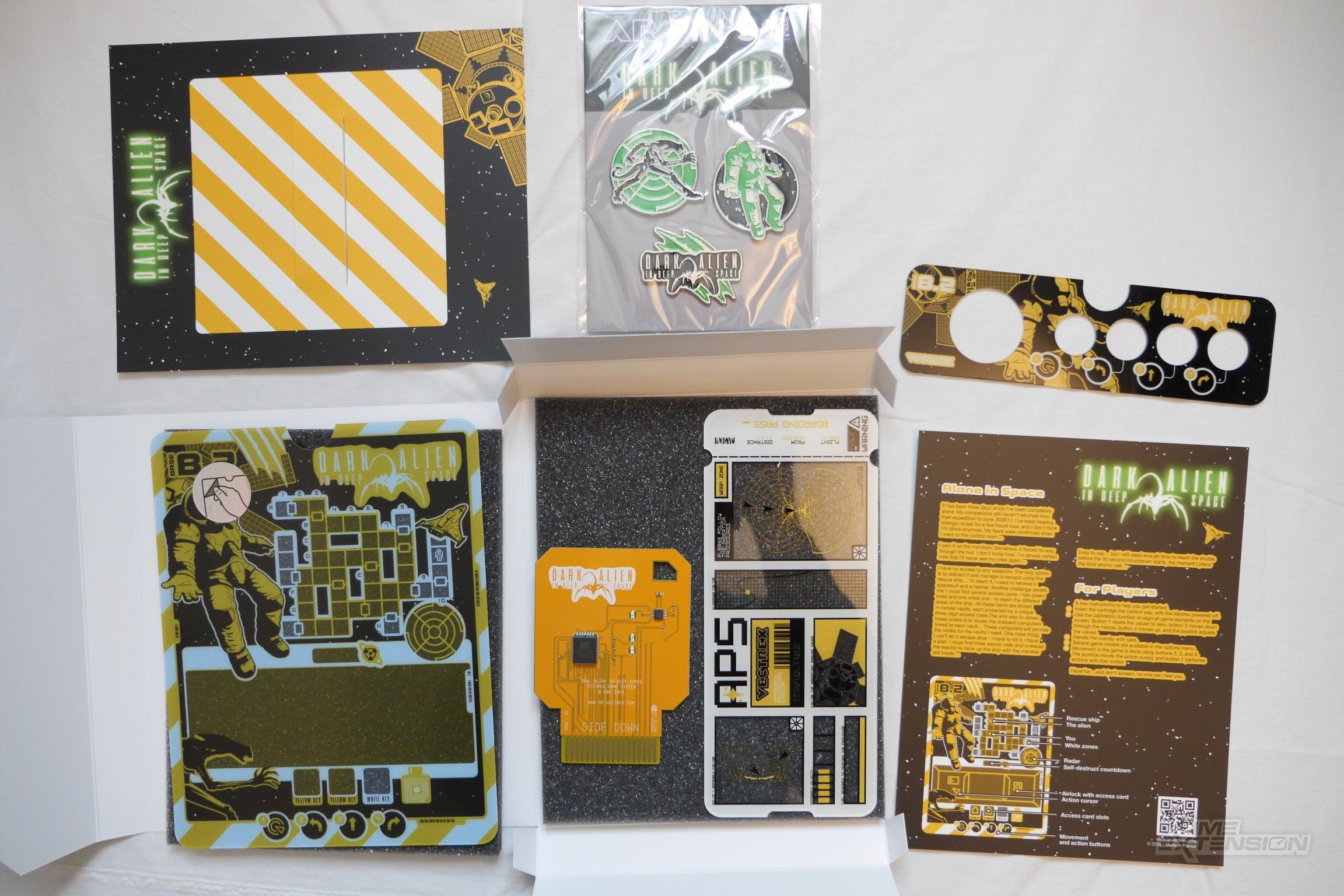
You get a bespoke box, slightly larger than retail Vectrex boxes (meaning it won't fit inside standard plastic protectors). Inside is a thick plastic novelty "boarding pass" for your space voyage, a brief instruction card, an overlay for your controller, an essential overlay for your screen, and a custom game PCB in a bespoke cardboard holder. I was also sent a pack of three pin badges, but these do not appear to be standard with the game on either the Solaris or Teria versions.
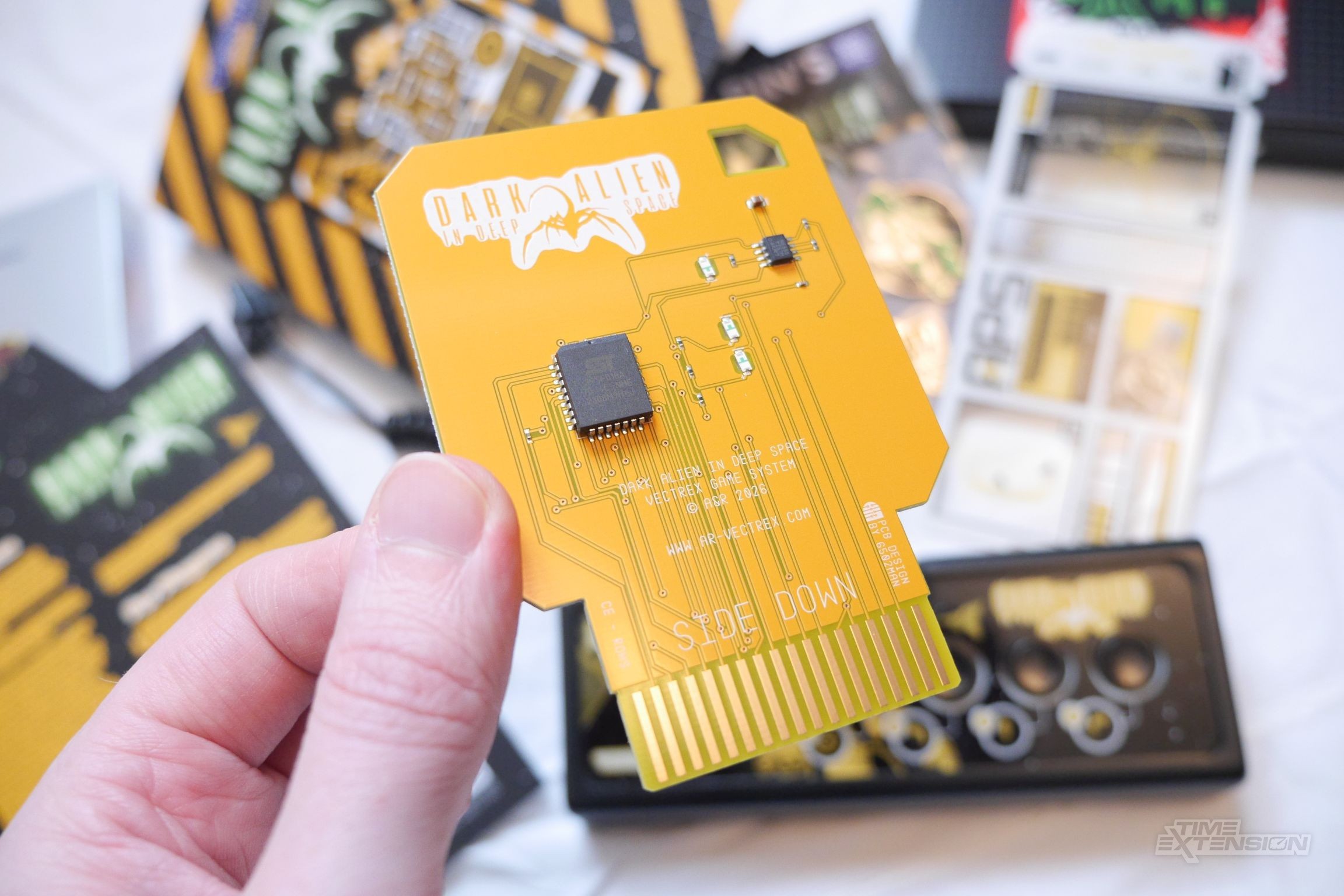
The two versions warrant particular mention, since it's not just aesthetic differences. I chose the yellow because, in my opinion, it looks cooler; the game PCB looked like an actual key-card, and I prefer the giant yellow danger lines on the box. Also, given that I already own several overlays for other games which prominently feature green, it seemed a nice change.
However, each version also has a unique map layout. Both games have the same core gameplay loop, but your strategies for each will be different. Comments from the developer on YouTube state that the yellow version is slightly more difficult than the green. They also told me:
"Dark Alien is available in two versions: Teria and Solaris, featuring two different space bases. The gameplay and the Alien's AI are the same, but each version offers a different playing experience. There are also different goodies and, of course, different overlays."
Dark Alien plays somewhat similarly to the contemporary Alien: Isolation. You are trapped in an enclosed maze-like environment and need to scavenge resources while avoiding an alien intent on killing you. This enemy cannot be killed and must therefore be avoided. Your goal is to acquire specific items and escape.
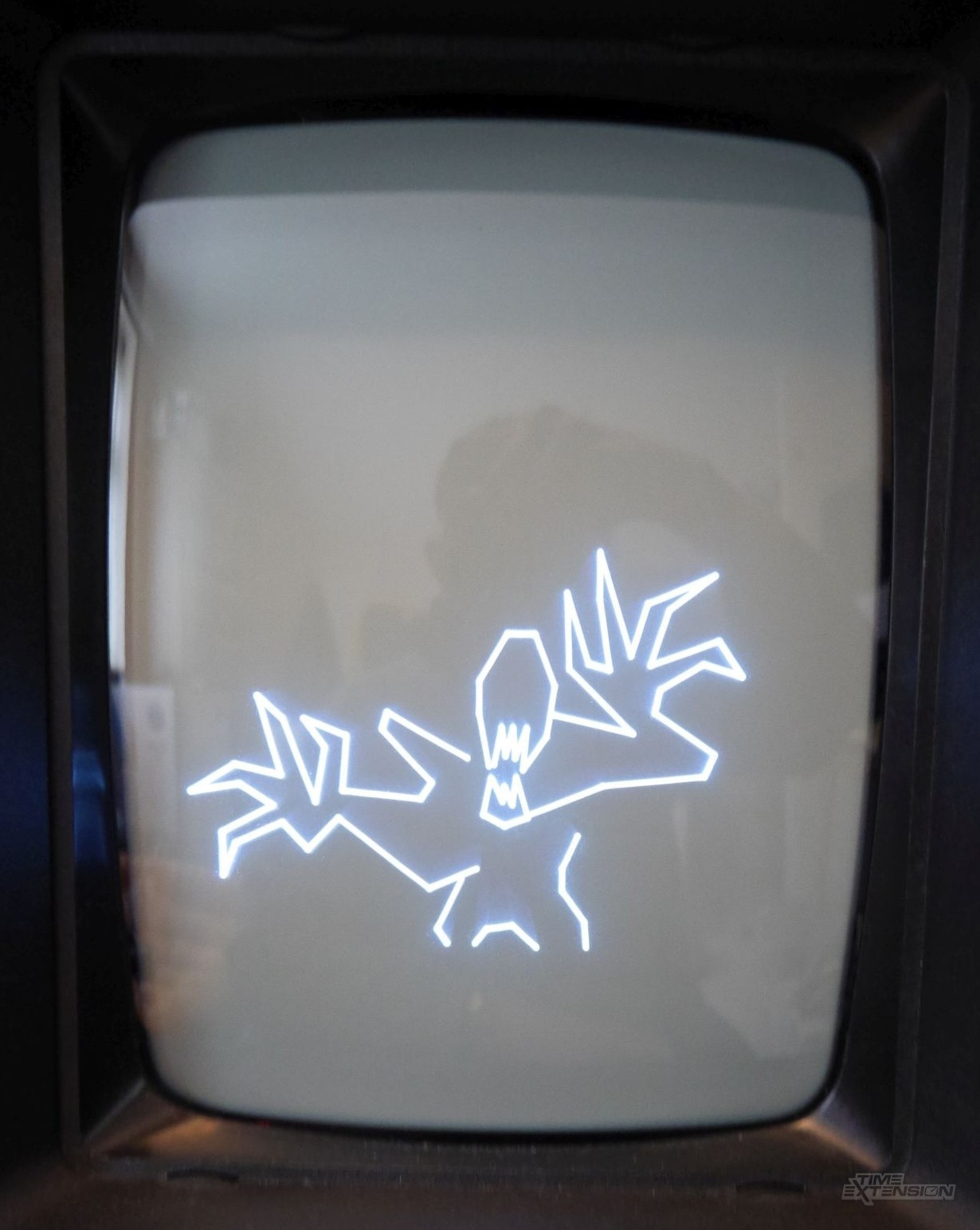
For Dark Alien, you're presented with a first-person view; the map at the top shows the alien (as a giant X), and an arrow shows your direction. At specific points on the walls are either locked safes requiring three digits to open, or computer monitors which provide said digits plus a map coordinate. Pay attention to these – with my first couple of attempts, I didn't realise it was actually telling me where on the base to go.
The numbers are randomised each time you start, as are which monitors are linked to which safe. However, the position of monitors and safes is fixed at specific points on the map. The monitor and safe in the starting room are always linked, and this is a safe space for players to acclimatise and get their first key card. Once outside, the real fun begins!
Different safes will contain different items. Sometimes junk, like drilling samples or papers, or sometimes one of several key items: a second yellow key card, a white key card to access the white zones, or one of three fuel cells needed to blow up the base. Random rooms in the white zones will contain a helmet and a spacesuit, which are needed before you can enter the escape pod. Key cards can be retracted from either side of a door, closing it; aliens cannot open doors, thus can be trapped.
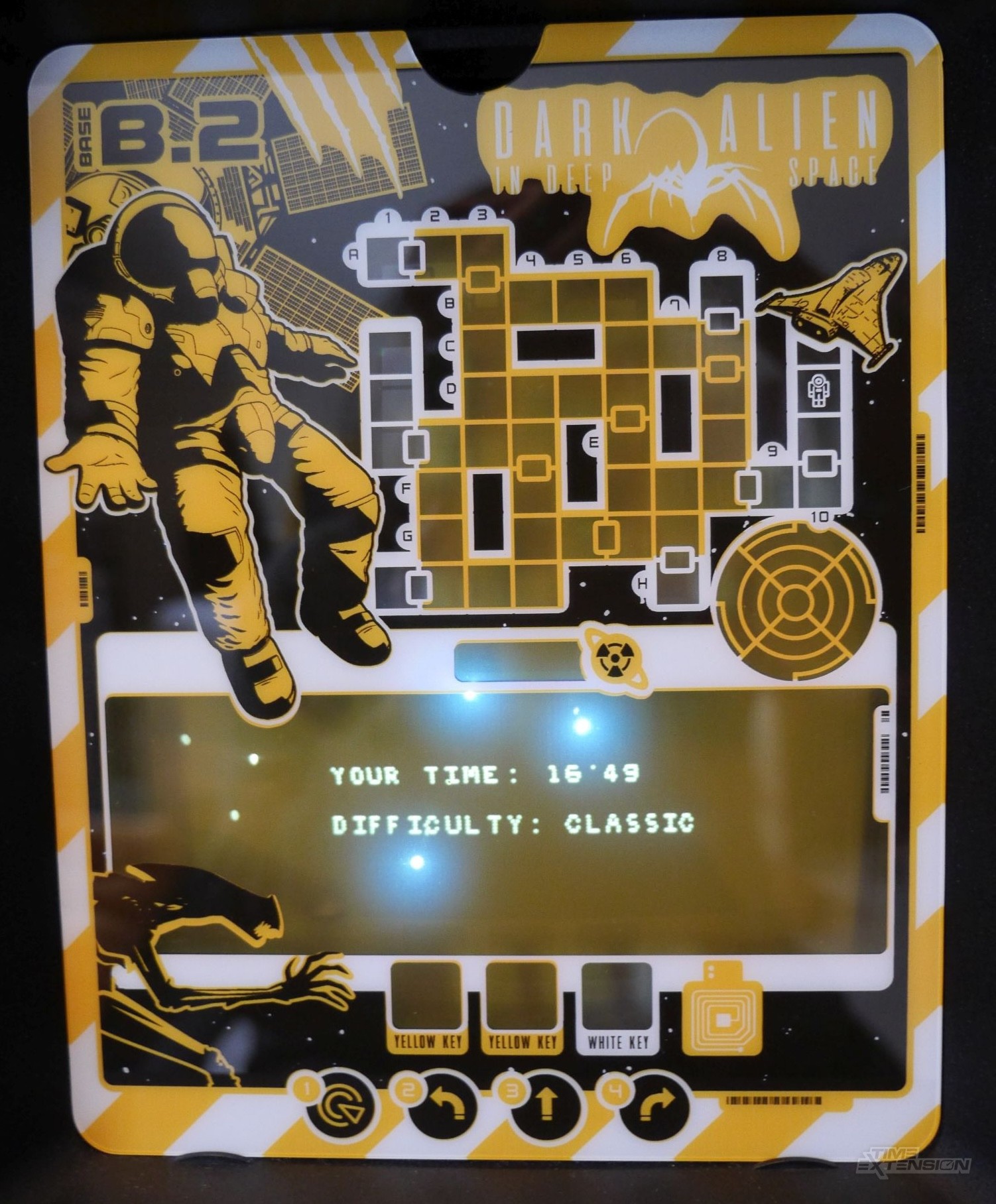
There are several strategies you can employ depending on the selected difficulty. Classic Mode has only one alien and is quite easy. You can trap it in the starting area, allowing free and relaxed movement in the rest of the base. Think of this as your tutorial; my first completion, after a couple failed attempts, took 16 minutes, while later I got it to under 12 minutes.
Hard Mode has two aliens, and this is where things get interesting. A good strategy is to trap one of the aliens, and then just avoid the second; theoretically, both can be trapped in the same room, but their movement is so incredibly random that this is unlikely. The aliens are not very smart, and it's difficult to say whether this is a positive or a negative. They cannot be lured, meaning it's not possible to get close and then run away as they give chase, so as to trap them somewhere. But the benefit of this is that it means you can try unlocking a safe when one is only a couple of squares away – it'll be completely random how they move, and the tension is exhilarating as you make increasingly risky attempts, hoping it doesn't touch you.
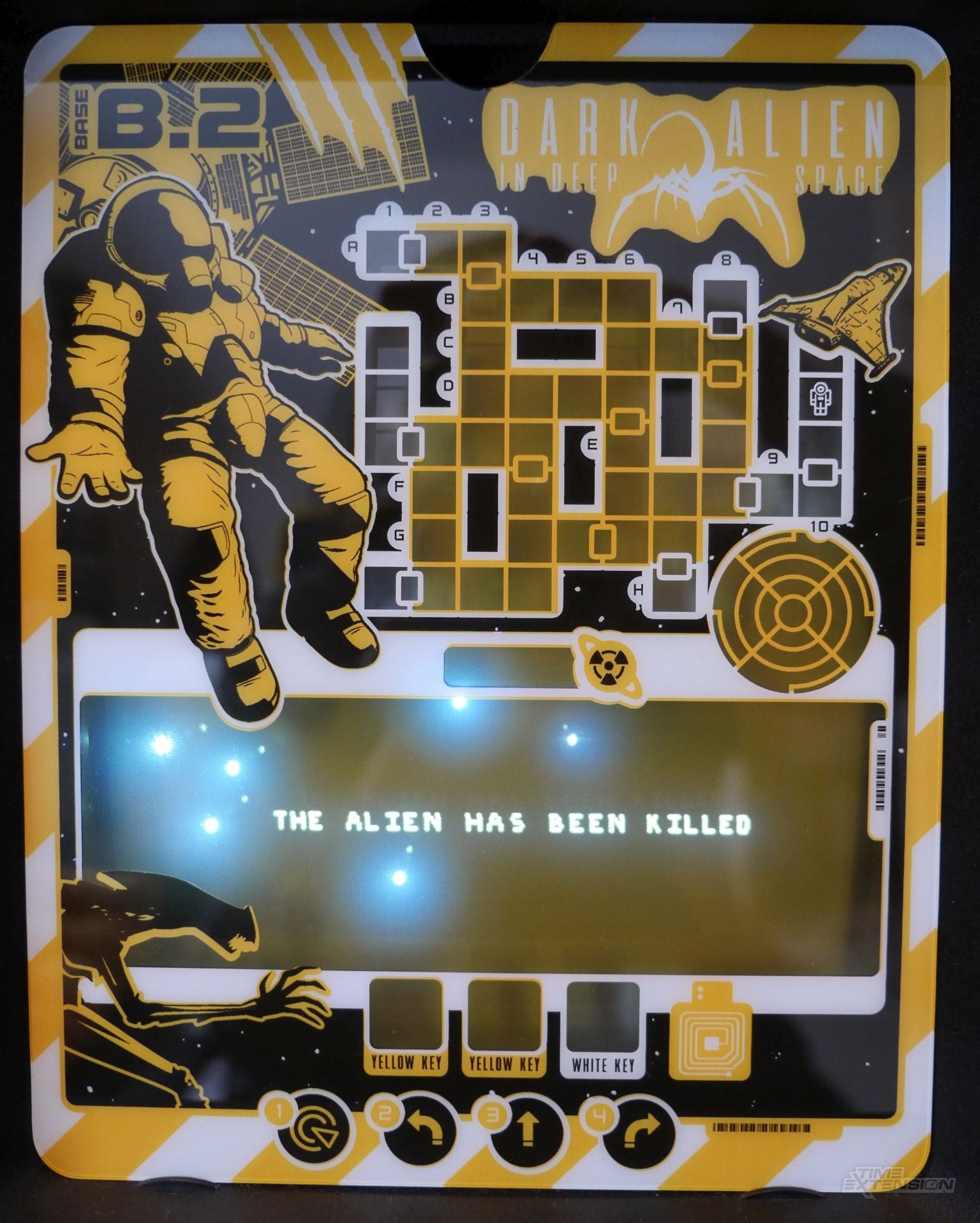
As you acquire codes, it's best to write them down, along with coordinates, and then cross them off once used. My little Post-it notes often ended up with 10 codes jotted down. You can make a beeline for the safe they correspond to, or slowly work your way around, building a list, depending on where the aliens are.
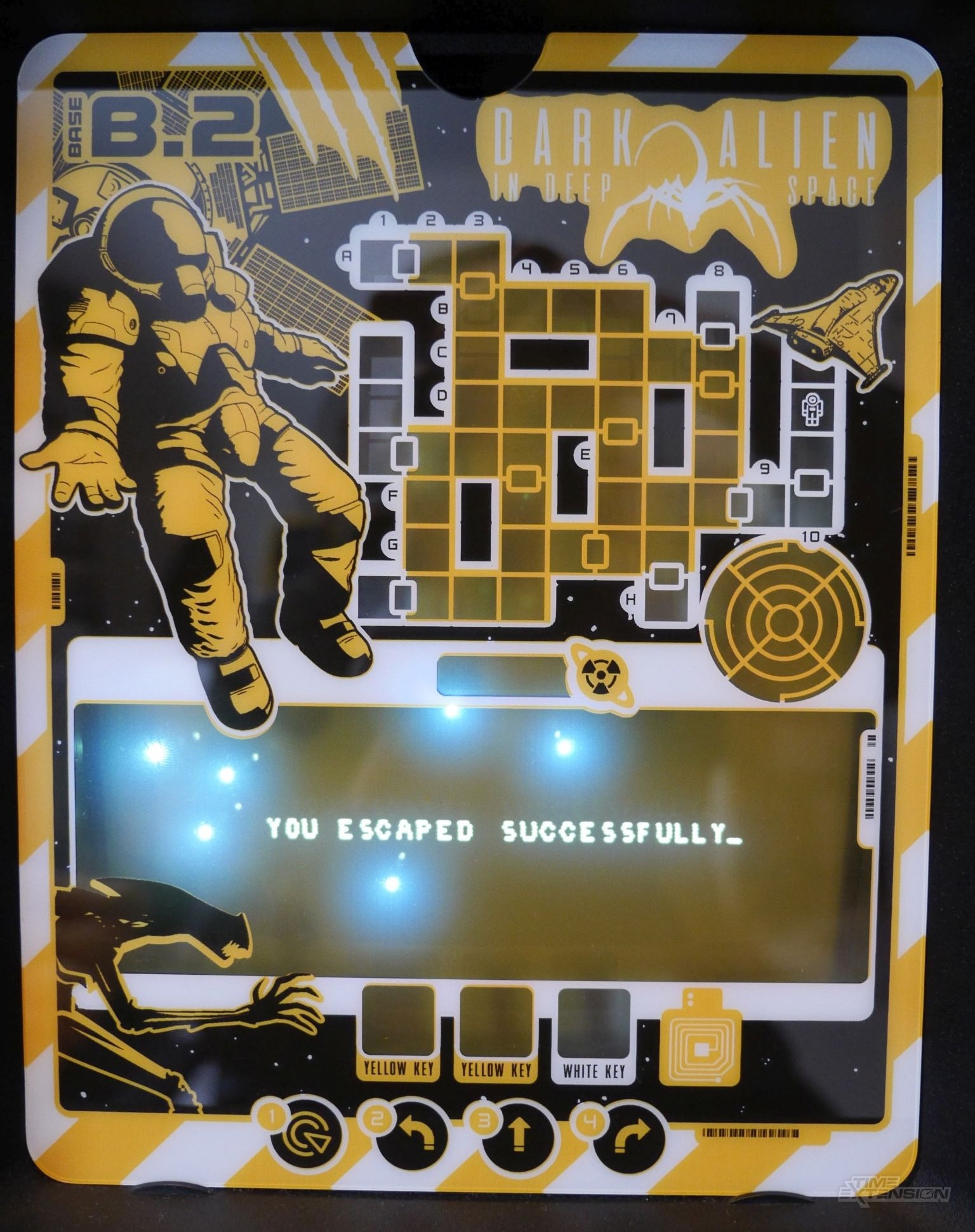
Suicide Mode features three aliens, but I didn't give this one much time since it seemed just a little too daunting. While playing, I was caught a few times, resulting in a Game Over. I also succeeded in leaving the base, once without killing the alien, and a couple of times by blowing everything up.
I also once accidentally blew myself up. The detonation timer only kicks in when you click the third fuel cell box, assuming you're holding a third fuel cell. The game doesn't show you how many fuel cells you're holding, nor whether you're holding the helmet or spacesuit. So when inside the detonation room, I thought: did I have two or three? I clicked the third box, and it turned out we had three, thus setting the timer, but I didn't yet have the helmet or spacesuit, dooming me to one of the unique bad endings. Still, at least I saved humanity from the alien threat, right?
In case you can't tell, playing Dark Alien for this review has been an absolute delight. It's not as complex as something like Quartz's Quest, which is a full-featured turn-based RPG, but there were multiple moments of pure giddy joy as I popped open a safe to discover a vital item, or was moments away from expiring but quickly ripped a key out, shutting the door and ensuring our safety.
The general gameplay loop also works incredibly well with the nature of the Vectrex itself. At the start, I pondered why anyone would make a game but limit their potential audience. The reason is that nothing else produces quite the same experience as the Vectrex. That warm glow of the vector screen is lost in emulation, even if modern resolutions can simulate its perfectly smooth lines.
When you sit at the Vectrex, you feel like Dallas or Ripley in front of the Nostromo's computer screens. Its cathode ray tube bathes you in light and even sound. Outside of the title screen, there's no music, and so in-game, you're left with the iconic buzz of the Vectrex. It's ironic that the community has gone to great lengths to find ways of removing this buzz (it's actually quite annoying), and here we have a game where that buzz adds to the immersion. It sounds like what you'd expect a station in space to sound like: an eerie silence, save for the electronics murmuring in the background.
One of the biggest complaints I have, ironically, is also sort of a point of praise: the calibration screen. As our Vectrex ages, the screen geometry alters. Eventually, you'll need to replace a group of specific capacitors which tend to dry out, and then carefully adjust a couple of turning pots to realign them – meaning no two Vectrex are going to have the exact same geometry, but generally this doesn't matter as long as all the important stuff is still visible.
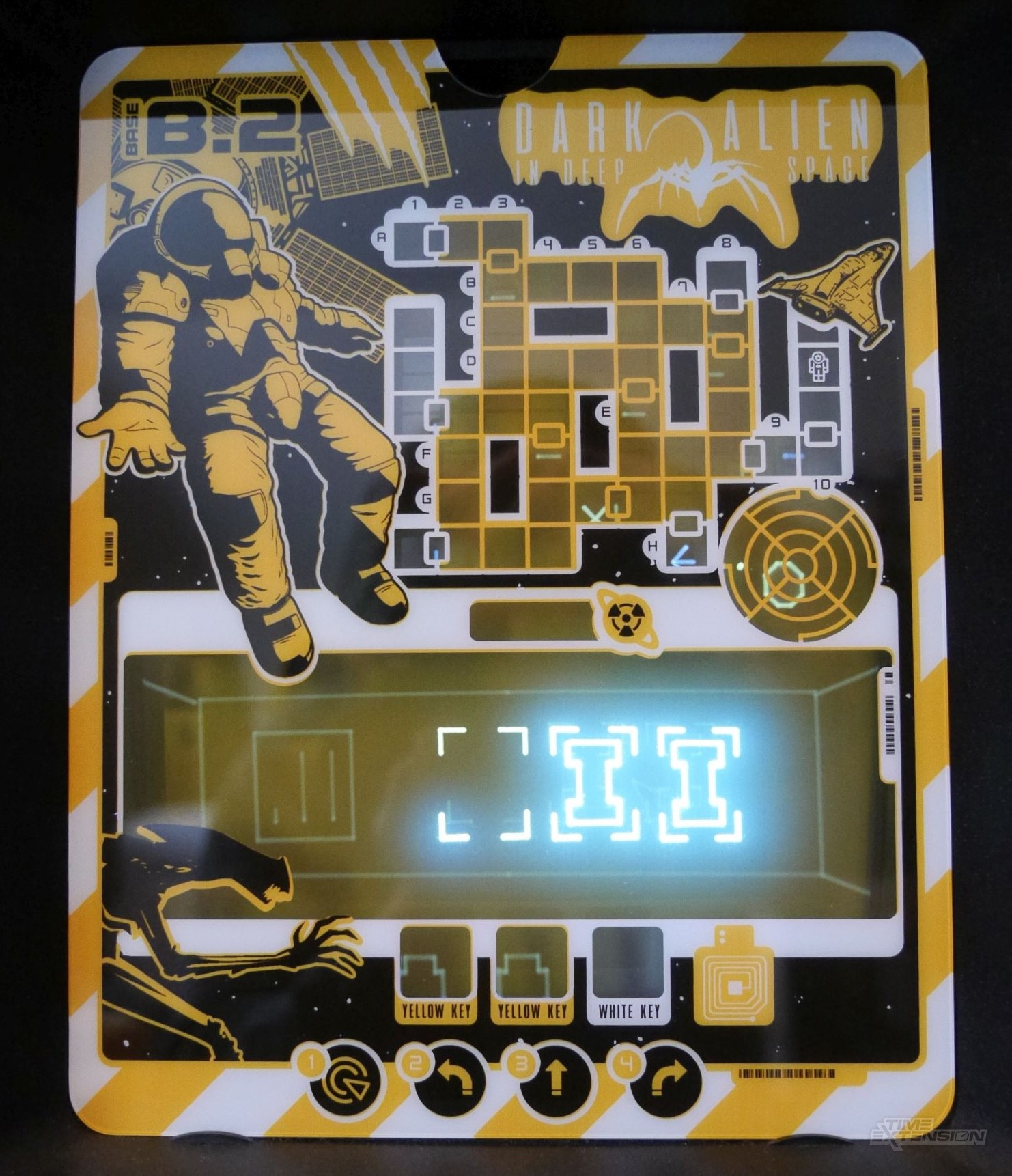
However, when the game relies on the screen overlay as much as Dark Alien, having anything even slightly off will make the game unplayable. Thankfully, developer AR Vectrex has implemented an absolutely essential calibration screen to adjust hall position, maze position, maze size, radar position, key position, and timer position. They've made it easy to get everything just perfect, and after a little practice, it becomes second nature, but you need to do it every time you power the Vectrex on. It takes less than a minute, but it is a mild annoyance. The game not showing how many fuel cells you've collected is also not ideal, so make sure you remember or jot it down.
It's a shame that conveying how the game feels to play is so difficult; I apologise that the photos on this page aren't really helping. The developer has a gameplay video up, but even that doesn't quite do it justice. It's important to get a feel for Dark Alien, because if you're going to shell out €80 plus shipping, that's a very big investment.
Previously, we've bought A Crush of Lucifer, the last-ever official retail game, lost for 40 years, and after international postage, it felt excessively expensive for something that was quite shallow and more of a historical curiosity than anything else. Likewise, with AR Vectrex's previous USA Zombie Apocalypse, we enjoyed our time with it, but the cost-to-fun ratio felt imbalanced.
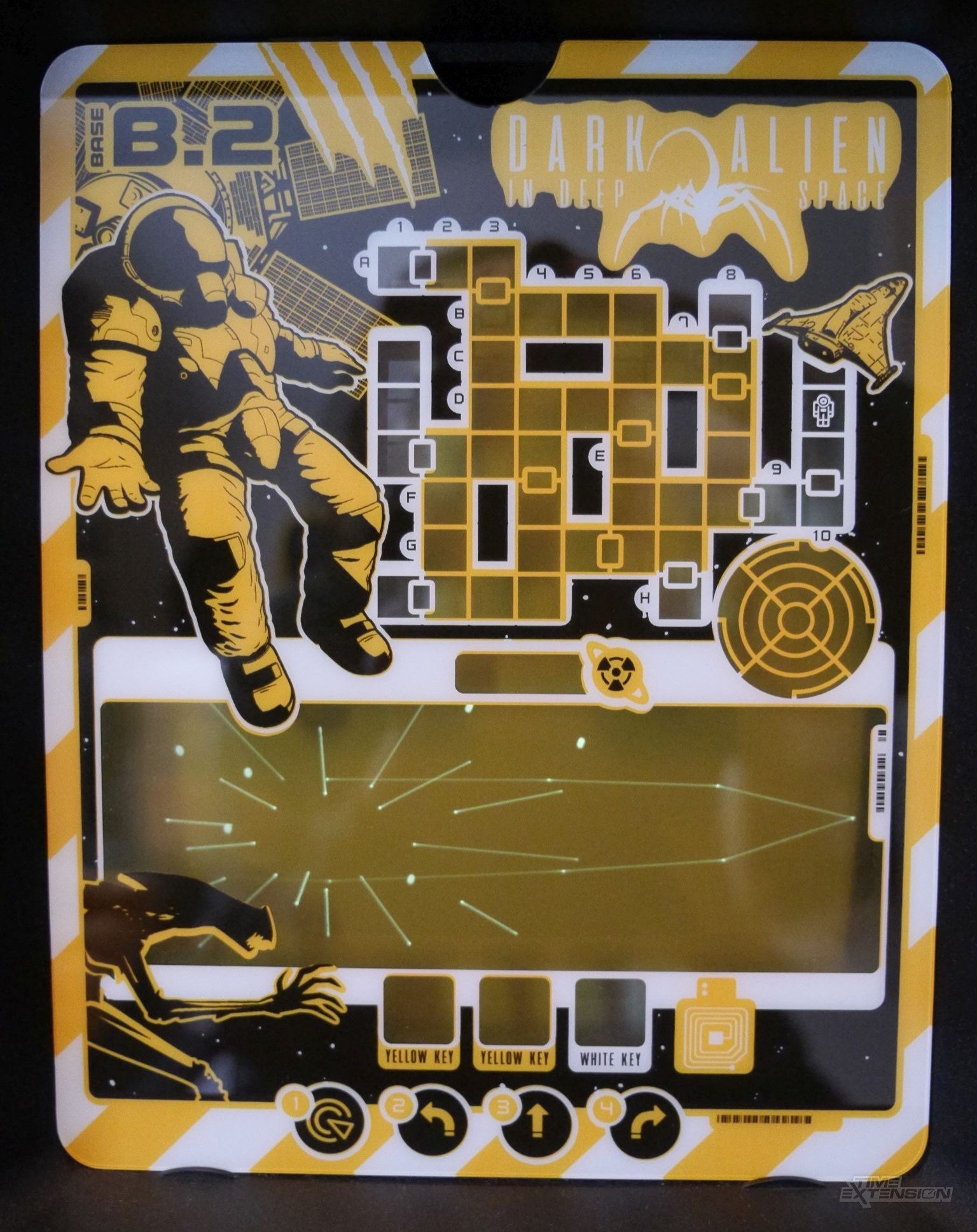
Dark Alien, in contrast, feels polished and worth it. It's a game that works to the system's idiosyncrasies, showcases the rich possibilities of what can be done with overlays, employs an established formula for a fun experience, and comes in a lavish package that makes us miss the days of manuals and pack-in goodies.
If you're a hardcore Vectrex collector, chances are you've already ordered Dark Alien. If you're new to the Vectrex scene, or have dragged your old system out of the loft, your first purchase should be an updateable multi-cart, like the VectMulti by Richard Hutchinson (it's what I use). Then you can start enjoying over a hundred free homebrew games.
But when you're ready to take a dip into the world of physical releases, this comes very highly recommended. It's more expensive than a copy of Alien: Isolation on modern hardware, but if you own a Vectrex, you're already enjoying a bit of kit that will set you back around £400 anyway, according to recent eBay auctions. And there's nothing else quite like the warm buzzing glow of those vector lines.
Conclusion
This is seemingly only AR Vectrex's second title, but it makes us excited to see what else they'll come up with next. There is so much untapped potential with overlays for both screen and controller; hopefully, Dark Alien also encourages other homebrew devs to go one better and conceptualise something even more ambitious.


Comments 8
Very good review! You should review more Vectrex games 😀
This is so cool!
Definitely buying a copy.
Thanks for the review and link to their site.
I wonder if they could make a version for the Vectrex Mini? It got over 6000 backers so there's a market there.
I reckon they could just make smaller versions of the overlays and sell the game on an SD card.
@KGRAMR
Thank you! I'll suggest it to @damo
@xzacutor
Their previous game, Zombie Apocalypse, is already part of the Vectrex Mini games list. So it is possible.
It would be easier if they just made a Vectrex Large (a 1:1 replica of the original). I would back that day one
@xzacutor AR Vectrex's "USA Zombie Apocalypse" is one of the built-in games for the Vectrex Mini. There's also one yet-to-be-announced built-in game. So it's possible Dark Alien might be that game...
I always enjoy seeing new releases like these, as it not only gives us new games to play on old hardware, but it's also fascinating to examine the influences, or to think about what might have inspired the developer.
While Alien: Isolation is the obvious comparison, this game also reminds me of some of the earliest CD-ROM games I played - namely, Iron Helix and The Journeyman Project. Both were first-person games in the, "find the stuff while avoiding the things," mold. Iron Helix, in particular, is very similar in premise, although you can defend yourself in that one, and the enemy AI can be lured. Enemy Zero is another similar game, though I never got too far in it, due to its unique "invisible enemies" premise.
In a way, though, all these games owe a lot to Pac-Man. Navigate the maze, grab the stuff, avoid the enemies, and complete the level / escape to the next scene. Heck, Alien even had its own licensed Pac-Man knock-off on the 2600. Maybe there's been an interview or two about this before, but was Pac-Man possibly inspired by the Alien film, to some degree?
Either way, having to find your way through a maze while avoiding a near-invincible enemy feels like a pretty timeless premise for a video game - and one I still enjoy quite a bit
@notreallyhere
Brilliant comment, thank you!
In an earlier draft of the review I actually had a long tangent on the history of survival horror, with the earliest Japanese example being Nostromo on PC-6001 from 1982. Which is, as you can guess, also based on Alien.
But it dragged the review off topic and was very sensibly trimmed.
But you're absolutely right, there is a long and rich heritage to the premise / genre, and one can clearly see an evolution of ideas with each new game.
Perhaps a feature is in order...? @damo ?
Show Comments
Leave A Comment
Hold on there, you need to login to post a comment...