
 by
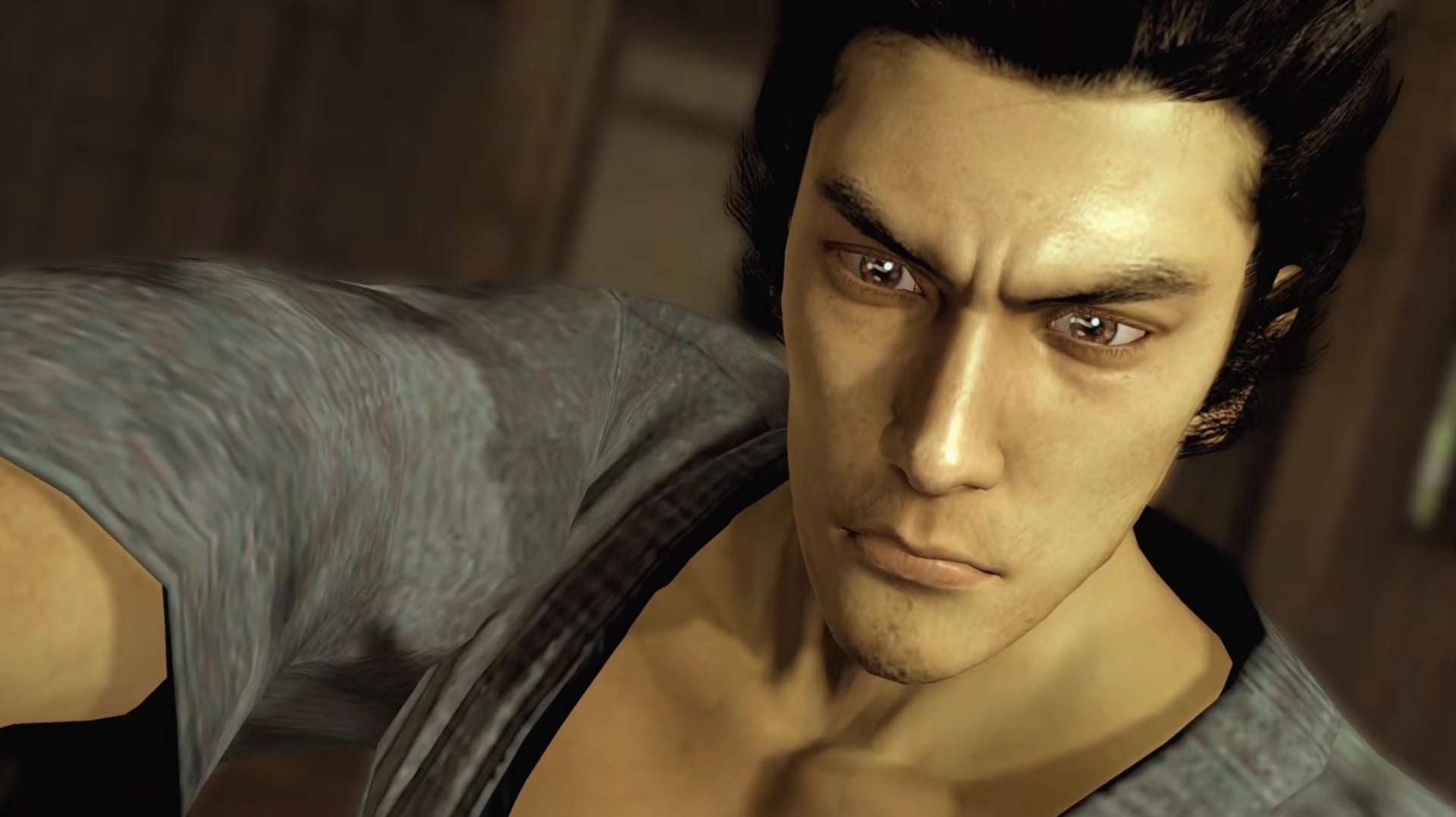
After 18 years, you can now play the jidaigeki-themed Yakuza / Like A Dragon spin-off Like A Dragon: Kenzan! (otherwise known as Ryū ga Gotoku Kenzan!) in English, courtesy of a fan translation.
Released in 2008 for the PS3, Like A Dragon: Kenzan! was released exclusively in Japan, and as such, never got an official English localisation. Unlike the other historical spin-off, Ishin!, It's also never been remade for modern platforms, with the Yakuza executive producer Masayoshi Yokoyama and chief producer Hiroyuki Sakamoto telling the outlet OneMoreGame in 2022 that the reason for remaking Ishin over Kenzan was simply that "many fans wanted an Ishin remake more than Kenzan."
In that interview, the pair also elaborated that because they ultimately would want to "change the storyline a little bit", it would also "take a lot of time and would be budget-consuming," so "good timing" would be needed for an official remake to properly manifest.
Set in the 1600s, Like A Dragon: Kenzan! follows the life of Miyamoto Musashi, who moves to Kyoto's Gion district where he adopts the identity of Kiryu Kazumanosuke after inadvertently being tricked into assassinating the heir to the Tokugawa clan. There, he begins working as a bodyguard, helping others while slowly plotting revenge on those who forced him into exile. The game plays similarly to many other Yakuza titles, but is notable (like Ishin!) for featuring characters loosely based on historical figures (in this case, individuals from the Edo period) for Kiryu to bump shoulders with.
The translation is the work of many of the same people who previously worked on the fan translation of the PS3 version of Ishin from last year, including Madjima (who was also responsible for English patches for the Japan-exclusive PS3 versions of Yakuza Kiwami and Yakuza 0) and has reportedly been in the works for the past two years.
A preview of the patch is available to view on another member of the team's YouTube channel (jurxd). This goes into some of the work that's been done to bring the game into English, such as adding bonus fonts, localising all of the mini-games (including Iroha Karuta), translating the menus, and adding terms to the dictionary, to ensure Western players get the most out of the experience.
When asked whether AI was used in the translation, Jurxd responded, "Every line was manually translated by us," but of course, that doesn't rule out using AI tools on the project.
We weren't able to find any further public comments on this, so we reached out to jurxd on Twitter/X to see if they could clarify things.
They replied over direct message, "Yes, the translation and the coding were all done by us without the help of AI. It took a lot of work, and we gained a lot of experience over the 2 years we were working on it. Of course, this also means that certain parts that were done at the start of our project may lack the quality of the parts we did later on. We went over the entire game multiple times, but we're always open to feedback regarding bugs or errors in the translation."