
 by
by 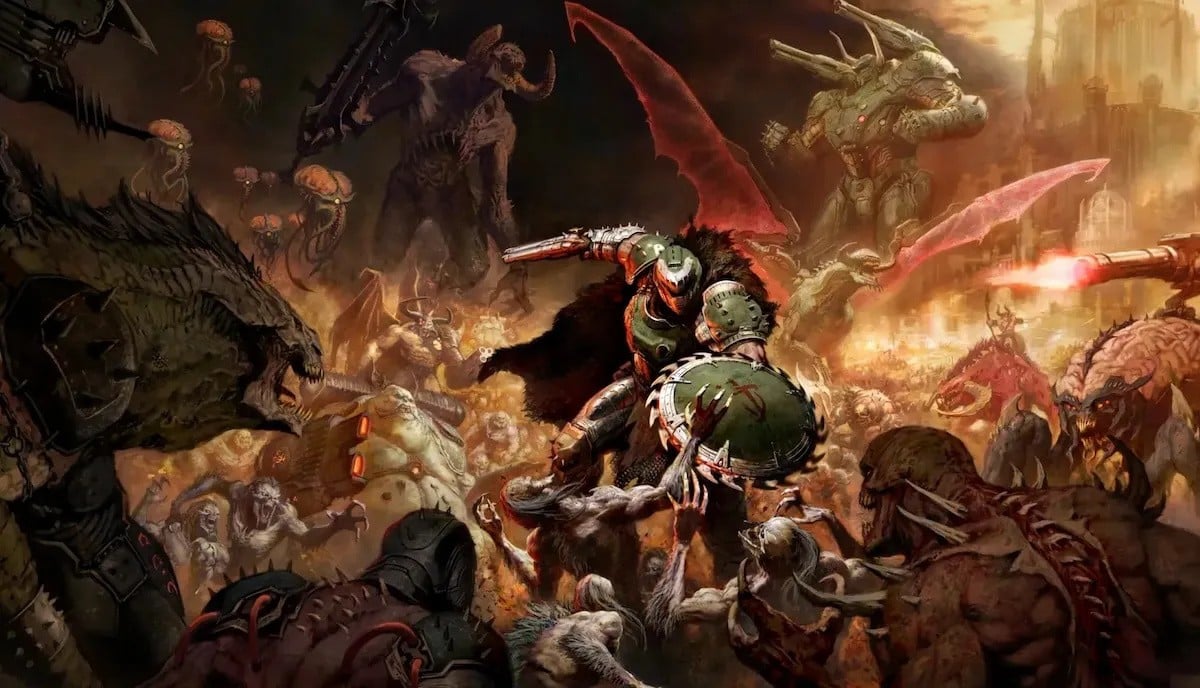
While we predominantly cover retro gaming here at Time Extension, we often cast our gaze across other sectors of the industry – especially when news impacts long-standing studios with amazing legacies, like id Software.
I'm sure it hasn't escaped your attention that Microsoft, which acquired the legendary DOOM and Quake creator when it purchased ZeniMax Media in 2021, has gutted the studio as part of its recent layoff campaign.
According to reports, id Software has effectively been reduced to a support studio following the release of DOOM: The Dark Ages Revelations.
id Software co-founder John Carmack – who was previously quite vocal about the advantages afforded by the company being Microsoft-owned – has taken to social media to give his take on the whole sorry affair.
"I have been trying to find something meaningful to say about the Id Software layoffs," says Carmack, who founded id Software in 1991 alongside Adrian Carmack, Tom Hall and John Romero. "My 'Microsoft will probably be a good steward of the brand' statement isn’t aging well, and this is certainly going to dampen the mood of the founder reunion at QuakeCon next month."
Carmack adds that he's "saddened, but I can’t muster anger or outrage over it. I don’t have access to the books, but I suspect that Id Software was a marginal business from Microsoft’s perspective. I believe the reports that Minecraft revenues have been carrying several other studios. To continue being produced long term, games need to succeed, not just be beloved."
He continues:
"You can’t rule out the possibility that executives are idiots, but that shouldn’t be your default belief. I don’t think there is any obvious path that would have doubled the revenue from Id games.
Could they have gotten more with a different pricing strategy? Could they have created more things for fans to buy? Could they have cost-effectively marketed in a way that reached more players who would have loved and bought the games? Could they have changed the game designs and broadened the appeal to more players without alienating existing ones? Could they have produced the games at a lower cost, faster or cheaper? I really don’t know."
Despite the pretty dire state of affairs, Carmack ends on a semi-positive note. "The game isn’t over yet, and I hope the studio rallies through."
I can't imagine any of the remaining id Software staffers share his optimism right now.