
 by
by 
As you're no doubt aware, Sony has caused quite a kerfuffle with the announcement that it is ending the production of physical media for its PlayStation 5 console in 2028, and intends to make its next machine a totally digital proposition.
The fallout of this news has been dramatic, with petitions appearing online in the vain hope of convincing Sony to change course – but sadly, the chances of that are almost non-existent, as the world of video gaming is now dominated by digital distribution.
Since Sony's declaration went live, I've seen a lot of different opinions on the topic, and I feel that I'm still trying to process what it means for me personally. I've got a foot in both camps currently, and can certainly appreciate the advantages (and disadvantages) of digital media.
For example, I have a Steam account and regularly purchase games digitally through the service – it's convenient to have my entire library within reach wherever I am, and Steam sales are a great excuse to dig into titles I've either missed out on or never considered buying before. I'm almost entirely digital when it comes to buying games on Xbox and PlayStation, too, but oddly, I prefer to own physical Switch and Switch 2 carts. What can I say? I'm a bundle of contradictions. Regardless, collecting modern games doesn't really appeal to me, by and large; after all, you don't even get an instruction manual these days.
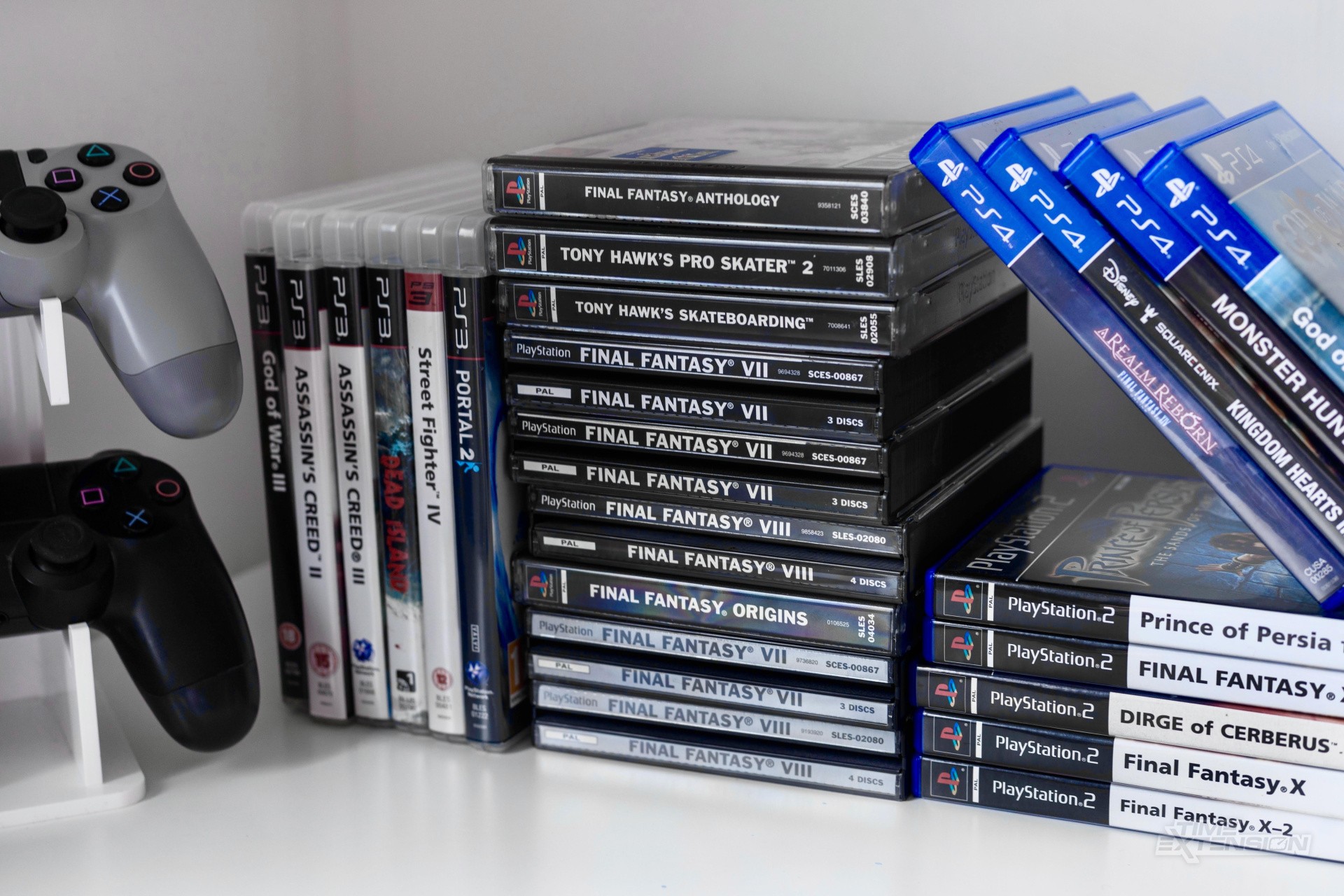
Despite embracing a digital future, I also have a massive collection of physical vintage games, and often find myself buying retro titles solely to have them on the shelf – it's no exaggeration to say that many of the games I own never get put anywhere near the console they're intended for, and are purely for cosmetic purposes.
It's easy to see why so many people are up in arms about Sony's choice. The removal of the physical item dramatically weakens the consumer's rights – when you buy a game digitally, you don't "own" it in the traditional sense of the word; you're purchasing the licence to play it for as long as the distributor decides to keep it in active circulation (something that has become painfully evident in recent times).
It's also a preservation nightmare, because digital games are so much harder to document and preserve as time goes on; if you need any more evidence of this, consider the state of the smartphone gaming landscape – many titles get taken offline after a few years and essentially become "lost media", and the constant stream of updates means that even active titles are changing on a yearly basis.
Despite this, I can also understand why Sony – as a coldhearted business built around making as much money as humanly possible – has decided to take this route. First, it saves on the production cost of its consoles by removing the optical drive, and by taking physical media out of the distribution equation, it will make further savings.
Whether those savings are passed down to the consumer remains to be seen; however, let's not forget that Sony, just like any publicly traded company, is primarily interested in generating as much revenue as it can; it's naive to think that it would keep producing discs purely to please a small but vocal sector of the market when a digital-only future means larger profits.
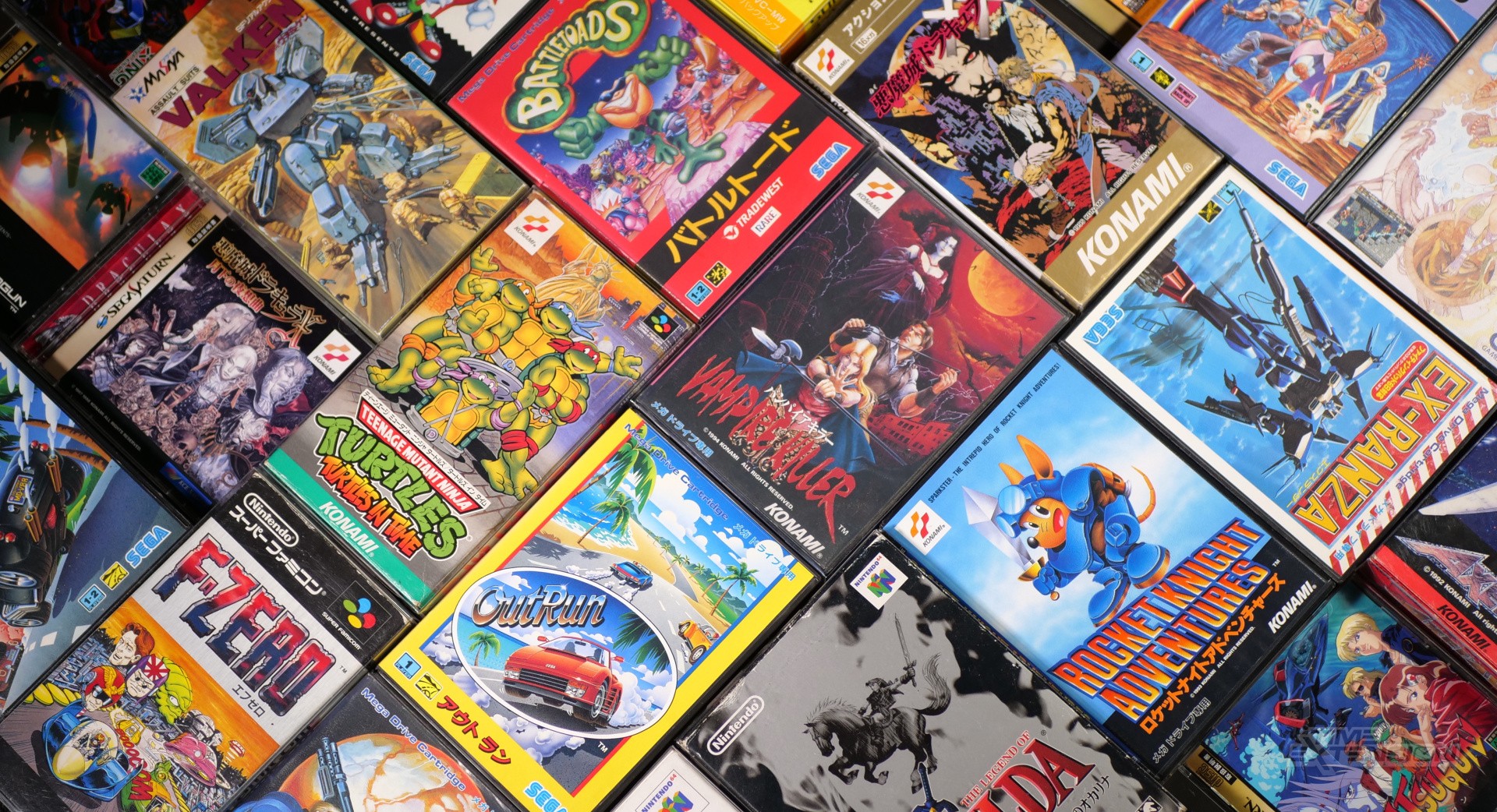
I'd also point out that just because Sony is pulling the plug on physical media doesn't mean it suddenly has no place in the world of gaming. We're still getting new games for the Mega Drive, SNES, Game Boy and even Neo Geo in 2026, so it's not beyond the realm of possibility that, in a decade or so, there will still be physical games being made to cater for a small but passionate market (the issue at that point, of course, will be the fact that any discs pressed for consoles like the PS4 or PS5 will need to overcome the fact that only Sony-made media runs on them, but I'm sure that will be overcome in some way).
In an age where digital is the only way to purchase games – and the companies behind those games are almost universally terrible at preserving their legacy – software piracy becomes even more important; it's often the only way that some games get preserved at all.
Ironically, by ditching physical media, Sony could well push some people towards piracy, as the appeal of collectable items is a big draw for many gamers. I don't doubt that there are some players out there who, faced with the prospect of spending $60 on a digital game and having nothing physical to show for it, will be tempted to resort to less legal means of obtaining their entertainment – but maybe I'm just being overly pessimistic.
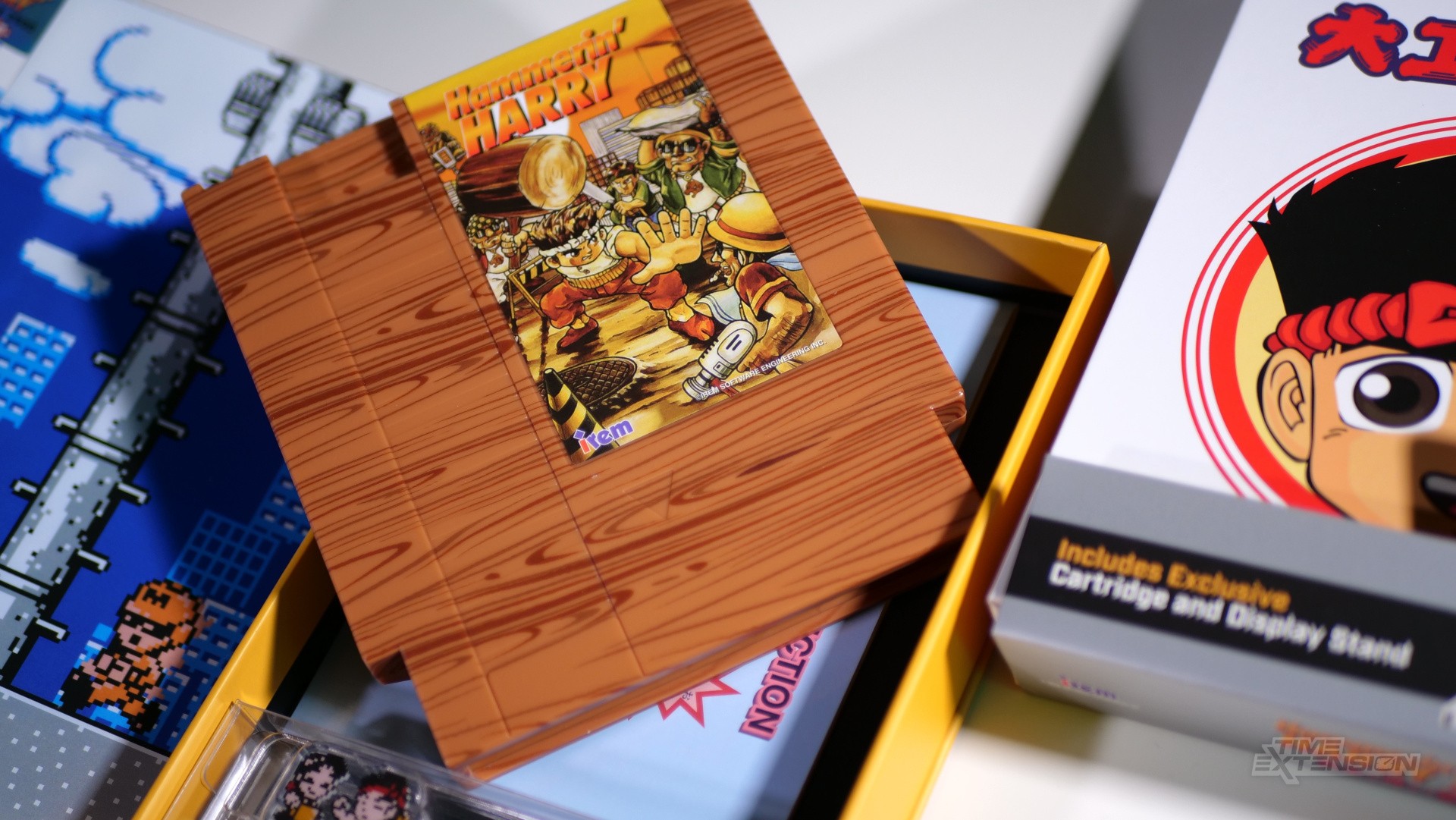
That leads me to another big issue with a digital-only future – with no physical object, there's no ability to trade in the game once you're finished playing it. If the trade-in system didn't exist when I was growing up, I wouldn't have experienced even a quarter of the games I did.
As I've discussed before, my local CeX was an utterly indispensable portal to a world of import gaming goodness, all of which I could only afford by trading in the game I'd bought the month before to cover some of the cost. Even today, when I buy fewer physical games than ever before, I still find myself occasionally cashing in old games to buy new ones.
This is, of course, a net positive for companies like Sony, who will see a second-hand sale as a lost sale – and I can imagine it factored into its decision to ditch physical media in at least some way. The removal of discs also means people can't lend them to friends – another win for the corporations.
I'm still trying to navigate my own feelings about the "death" of physical games; on one level, I'm sad about it as I've always preferred owning a physical copy of a game. Like any tangible object, discs and cartridges have memories imprinted on them; we recall the physical store we bought them from, the friend who lent them to us, the games we traded to get them... take that out of the equation, and it feels like we're losing something significant.
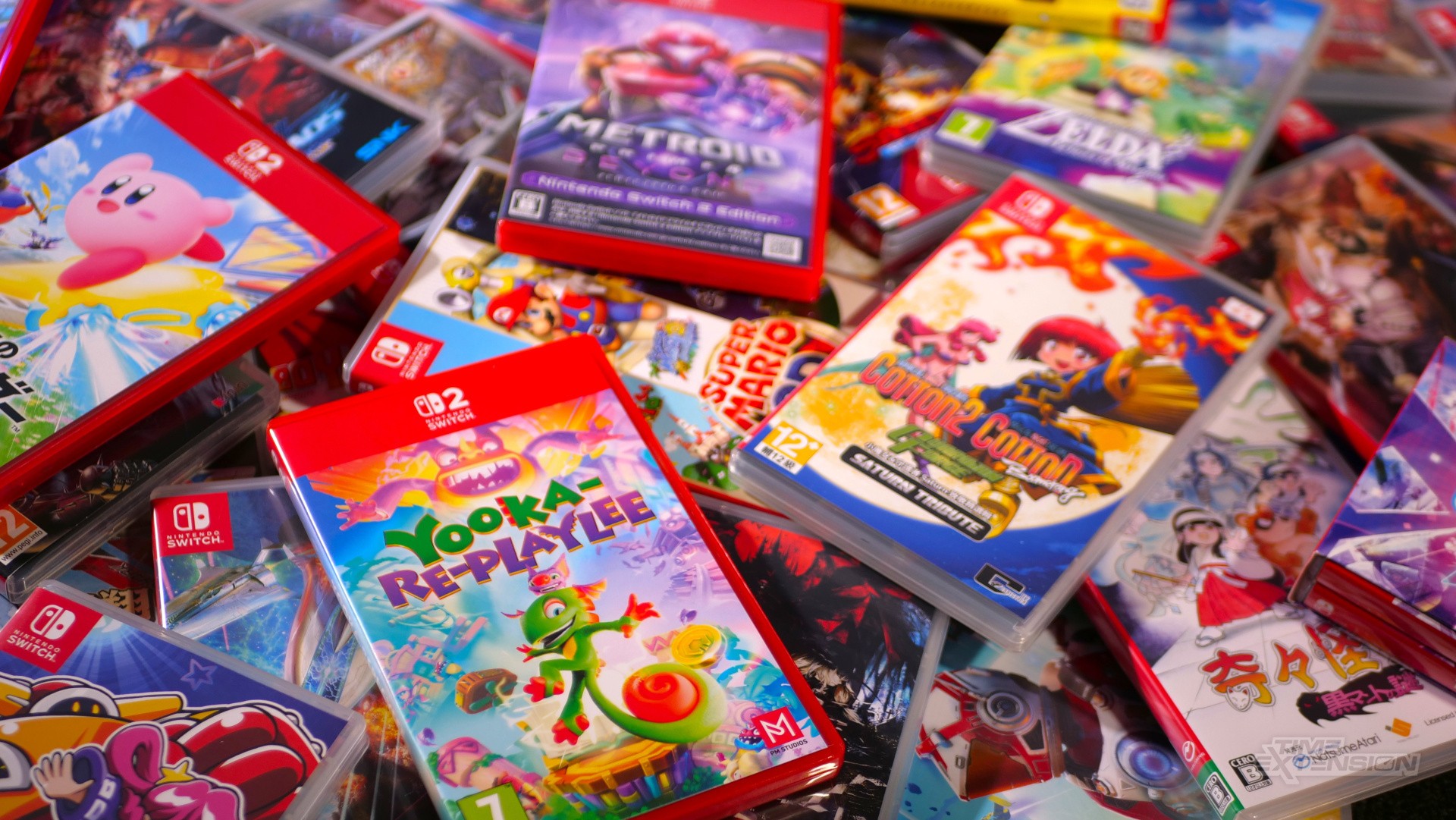
But, as I've said, I've already made the transition to a digital future in so many ways. I buy almost all of my games digitally (and happily reap the benefits that a take-anywhere digital library brings), and I have subscriptions to services that grant me access to TV shows, movies, and music.
Sony dropping discs is, if you think about it, just the next step in a digital evolution that's been evolving for the past few decades – yet, despite that progress, vinyl is growing each year in terms of sales, and we're also seeing "dead" media like audio cassettes and compact discs making a resurgence.
I hope there's a way physical media and digital distribution can happily coexist in the future, but whatever happens over the next few years, Sony has clearly decided that digital is the sole way forward – and I'm still not sure we'll see the full ramifications of that decision for a good while yet.
How do you feel about Sony ending production of physical discs? (837 votes)
- I'm furious, I collect physical games
- I'm not happy, but I'll survive - I already buy digital
- I'm already mostly digital, so it won't impact me
- I don't care either way