
 by
by 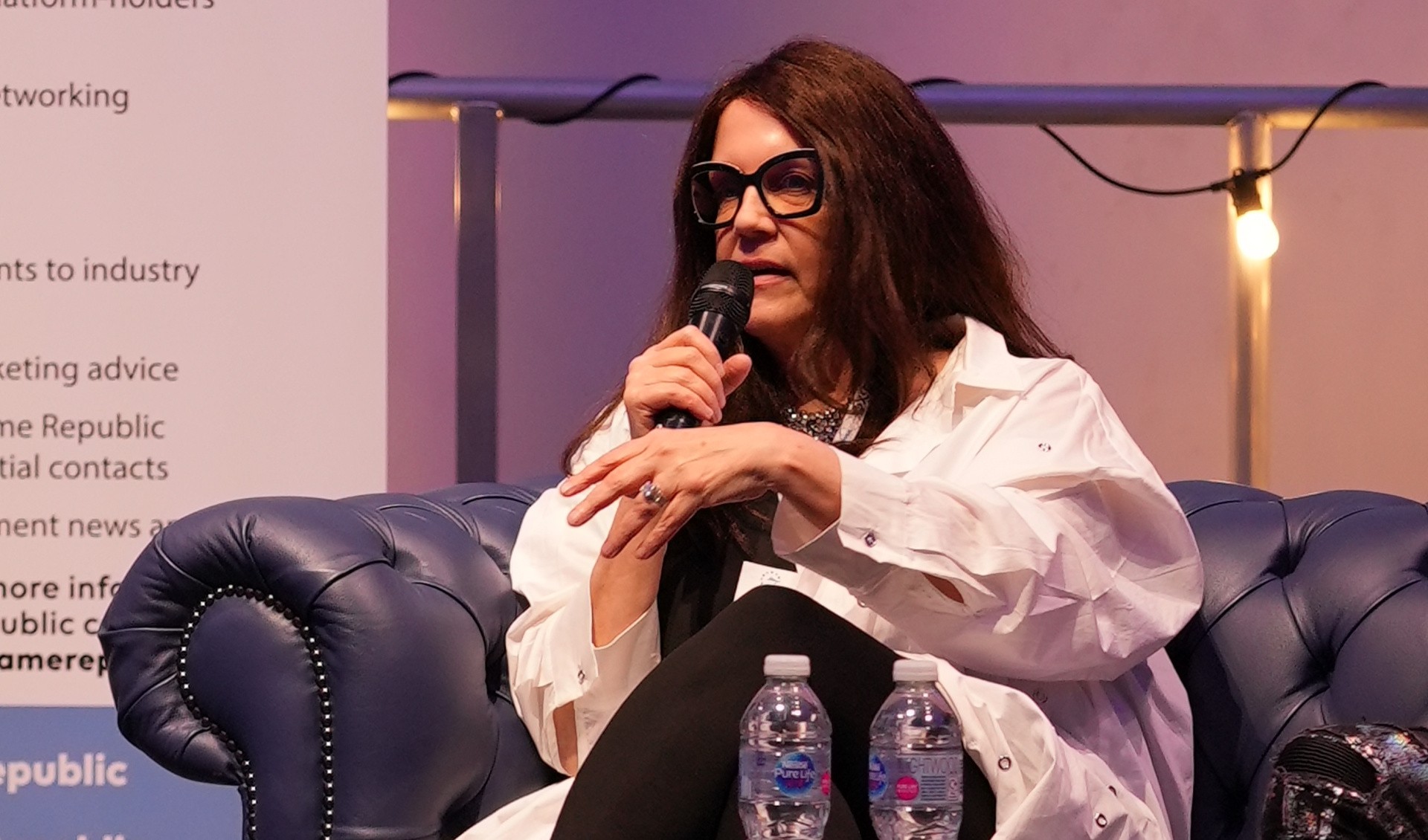
When you think of Dungeons & Dragons, there are certain expectations that immediately spring to mind, such as roleplaying, progression, epic loot, and elaborate quests filled with non-playable characters to interact with.
All of these are at the heart of what makes the tabletop role-playing game so beloved, allowing people to create their own characters and have a ton of freedom in how they interact with the world.
As a result, you may be a little surprised to hear about the making of Dungeons & Dragons Heroes, an exclusive for the original Xbox, which originally tried to do away with all of this good stuff, in favour of becoming a straightforward hack-and-slash action-adventure game.
Last week, Time Extension had the chance to sit down with industry legends John and Brenda Romero at Dark & Doomy (a Game Republic-organised event in Wakefield, England dedicated to the ID Software classic Doom), but couldn't help but throw a couple of miscellaneous questions the pair's way.
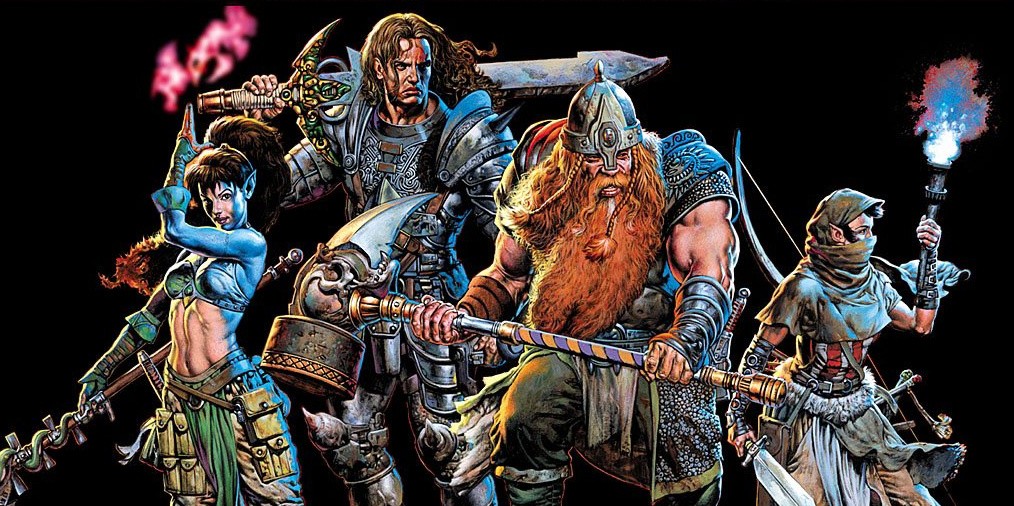
This included a question about the game Dungeons & Dragons Heroes, for which Brenda Romero served as lead designer, which almost shipped without any RPG mechanics whatsoever, before a last-minute shift in direction five months out from release led the team to reverse course.
Speaking to us about the project, Brenda gave us insight into the odd series of events that led to her having to design a Dungeons & Dragons without RPG mechanics, explained how the team tried to rescue the project in the 11th hour, and explained why she considers the game a "miracle" today, even though it only received mediocre reviews at the time of release.
"What happened was they wanted to make something that was similar to arcade Gauntlet," said Romero. "Except with D&D characters. So just go in and brawl and whatever. Except nobody's just gonna sit down for 10 hours and go in and brawl, right? Fundamentally, because of the fact that it had the D&D name on it, I expect to create a character, I want to grow that character, I want to have weapons, I want to go on quests, I want to have a shop, I want to have all of this stuff.
"At one point in time, that was my specialty; I knew how to do that. I'd been making RPGs for 20 years, [going back to working on the Wizardry series at Sir-Tech]. But I found myself in a situation where I'm making a non-RPG, on a console, and I remember saying, 'I'm not sure I'm the designer for this.'"
According to Romero, the original mandate for the game from higher up within the company where she was working at the time (the game was developed at Atari Interactive, specifically at Atari Interactive Hunt Valley Studio) was to have no NPCs, no levelling, no weapon upgrades, no economy, no quests, and no store — basically, none of the elements that define what Dungeons & Dragons actually is.
The team inevitably disagreed with this direction but did their best to create something fun despite the limitations placed on them. But then, roughly five months out from shipping and three months away from certification, the team held a crisis meeting of sorts, during which the game's quality was called into question.
"We were having this big meeting about, 'Well, what are we going to do with the game?' said Romero. "I believe it was probably five months to launch, but three months to cert. I remember a programmer on our team standing up and saying, 'Brenda's right. We're missing all kinds of stuff.' So we rushed to put in items, quests, character development, and a progression ramp, and we slammed it all in.
"I even remember looking at the maps that I designed, thinking, 'Where the fuck am I gonna put a store?' I still remember where I eventually put them. It was kind of surgical. The game ultimately turned out mediocre, but if I look at it now, I'm like, 'Holy shit!' We did all of that in such a short amount of time; it was a miracle — a lot of times, people don't know the excitement that goes on behind the scenes and these crazy game stories."
Looking at the reviews for Dungeon & Dragon Heroes from the time of launch, Eurogamer gave it a 6/10, dismissing it as Dark Alliance's "little brother" and "a stopgap hack-and-slash between now and Dark Alliance 2," while IGN, on the other hand, was a lot more complimentary. It awarded the game 8.3, praising the multiplayer and writing that it "captures the adventure-filled essence of [Gauntlet] but with a very clever new control system that can be enhanced and refined in all sorts of interesting ways."
Looking back today, Romero is in awe of what the team pulled off and is still proud of what they came up with while racing against the clock. Today, together with her husband, John Romero, she runs Romero Games, a video game studio based in Galway, Ireland, that is working on a long-awaited first-person shooter that was recently saved after a key investor pulled its funding last year.