
 by
by 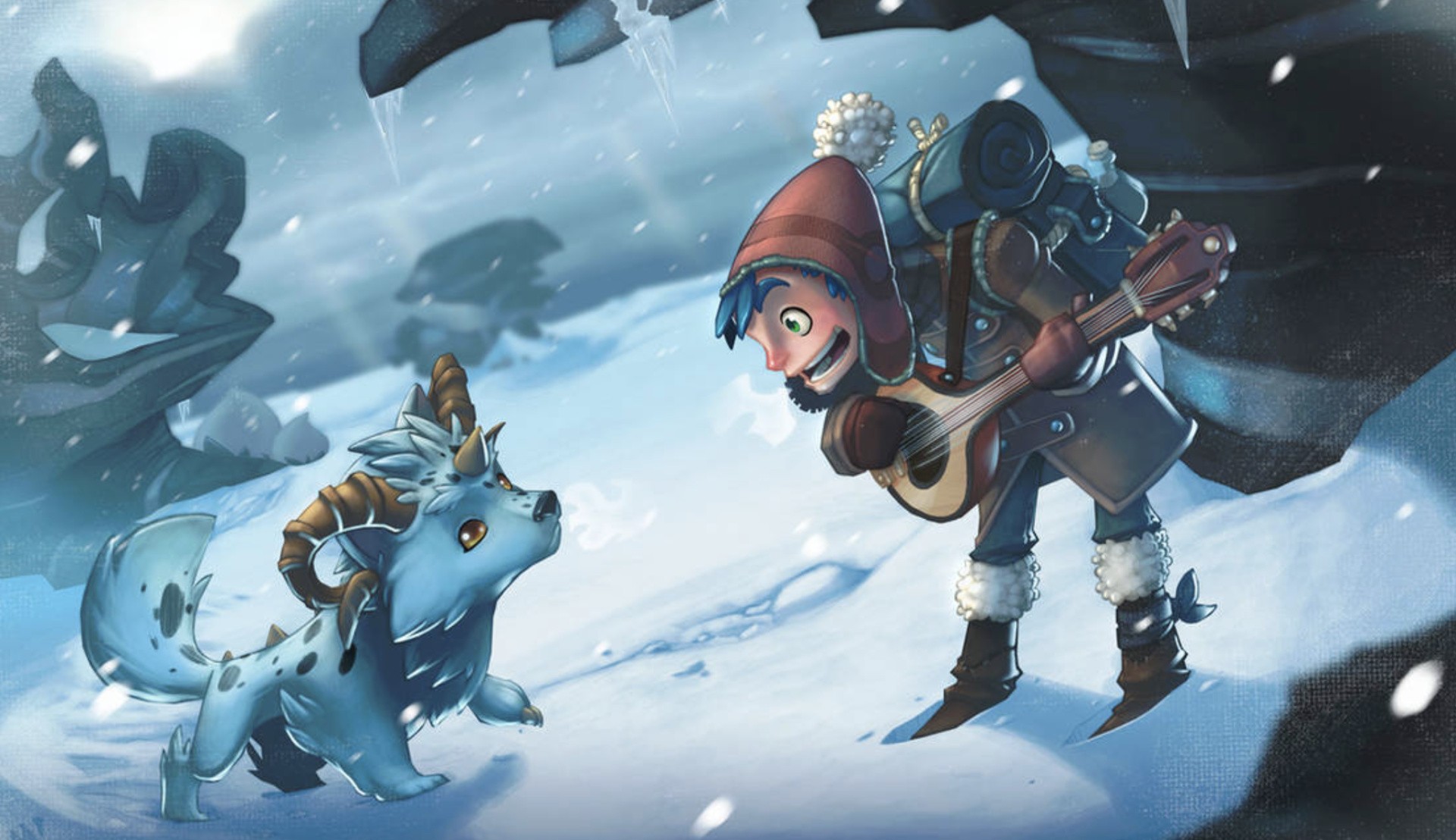
Ever since revolutionising the first-person shooter genre with games like Wolfenstein 3D, DOOM, and Quake, John Romero has tried his hand at a bunch of different projects, from more straightforward spiritual successors to his earlier work to mobile titles, social games, and MMOs.
The making of many of these projects has previously been documented in Romero's 2023 memoir, Doom Guy: A Life In First Person, with perhaps the most interesting to us being a mysterious educational MMO project nicknamed Project Redwood, which he worked on for four years (2005-2009) at Slipgate Ironworks & later Gazillion Entertainment, but which never saw the light of day.
This was an ambitious project that aimed to "flip World of Warcraft on its head" to create a safe and fun role-playing environment for kids, with Pokémon-like taming, and "stealth educational components", and has previously been described by Romero, in his book, as "the complete opposite of DOOM". One of the project's primary goals was to make learning math in school a little more fun and to make the path to a STEM career a little easier for kids, but ultimately, it proved too difficult to develop, with difficulties with the third-party engine the group had licensed dealing the "fatal" blow.
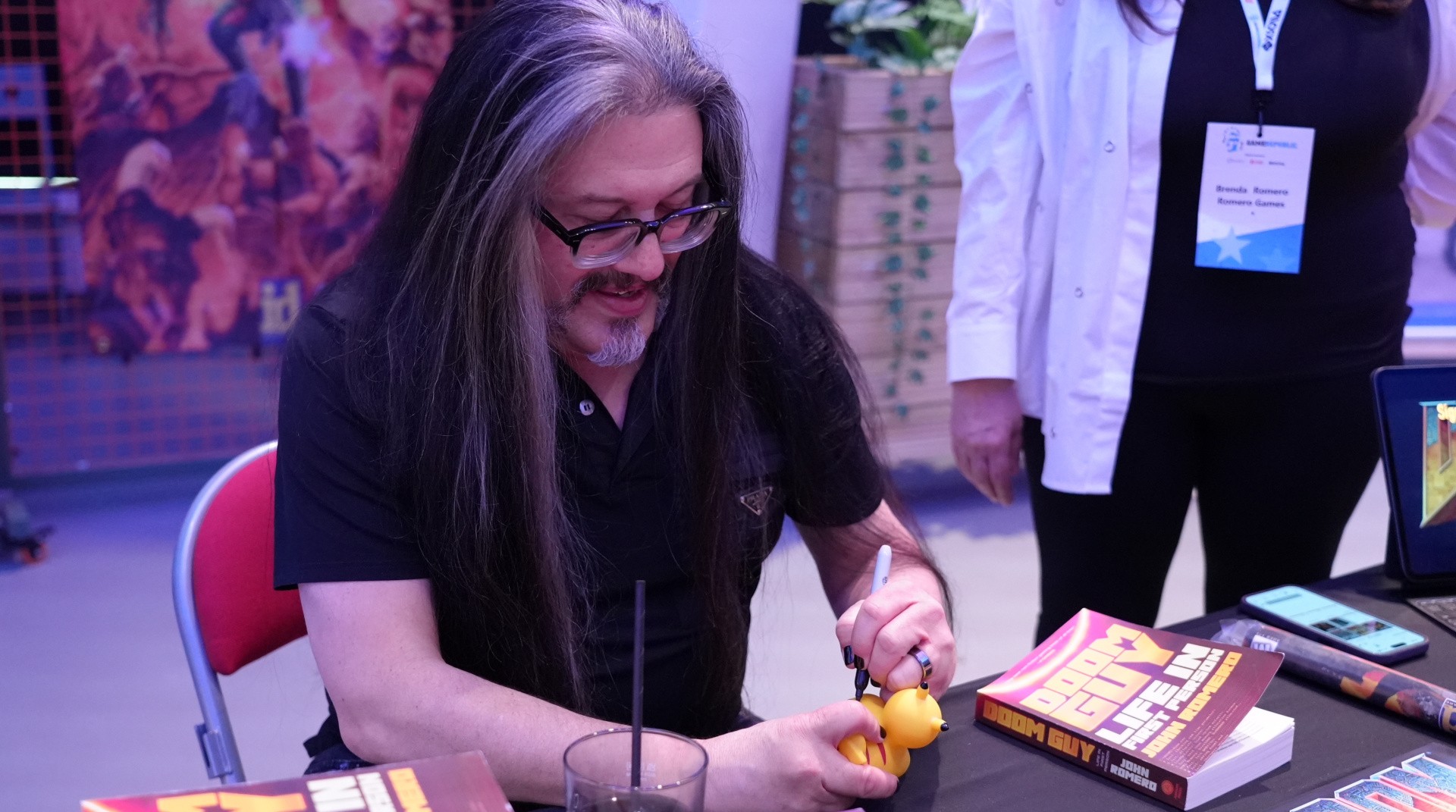
Over the years, Romero has occasionally mentioned the project and the reasons for its cancellation, but, beyond that, very little has come to light about how it played or how the educational mechanics were implemented. As a result, last week, when Time Extension attended an event called Dark & Doomy in Wakefield, England, where Romero was in attendance, we couldn't resist asking him a few questions about the project to tease out a few more details.
As Romero previously wrote in his book, the idea to make an educational MMO originally came about thanks to a suggestion from Gazillion co-founder Rob Hutter, but was something Romero was also keenly interested in, not only as a huge World of Warcraft fan (having clocked probably over "3,000-plus hours in WoW"), but as someone who recognised "what a powerful educator games were". Thanks to titles like Civilization, his own kids could reel off the names of various world leaders, while his son Michael knew the Pokédex better than he knew the elements of the periodic table. The idea was therefore to utilise the learning potential of games within an MMO designed from the ground up for kids.
"In World of Warcraft, when you're on any path, if you go off the path, you aggro something, and get into a fight," Romero told us. "For little kids, that's kind of scary. So I kind of flipped that upside down so that certain towns will be under siege by robots, but everywhere else you can run all over the world, and the world is full of animals.
"You can go and tame animals, kind of like you're fighting, but instead of weapons, you're using music, and instead of taking down hit points, you're building trust. You could have people playing three different types of instruments to make a song, with the tracks being layered depending on what came in. Then, finally, when you get them onto your side, you can take them home and get a loot drop kind of thing. So, you're basically doing the same thing, it just looks different."
According to Romero, this taming mechanic would form the basis of the game, but those who wanted to participate in combat could head into towns under siege to battle robots using weapons, armour, and shields. This is how you would unlock XP. As for the stealth learning elements, they were apparently very subtle, with most of the math hidden inside puzzles within the world and a guild that you would need to join.
"When you played the game, it felt like you were playing World of Warcraft," said Romero. "You didn't feel like you were in a school; you didn't feel like you were doing any education at all. In the world, there were certain things that you needed to figure out, but most of the math stuff was hidden inside a guild that you needed to join to get into that stuff. And if you did that, you could get gear that looked cooler than any other gear in the whole game."
"The idea behind that was that kids would talk to each other like, 'How did you get that?' and they'd find out, 'Oh, I need to join this guild and do these quests.' Then, all the quests had to do with being exposed to math concepts at a sixth-grade level or so."
As Romero has stated in the past, the game looked "amazing," but four years into the project, it became clear that the engine the team had licensed was "having difficulty supporting content at the scale it had been advertised as capable of handling," throwing a huge spanner in the works. The team spent some time trying to retrench to see if the game's vision could be saved, and even hired a specialised tech director to assess the tech ecosystem. However, they estimated it would take a year "to fix the client software and tools," while Romero knew it would take even longer to move everything to a different engine. This proved too great a risk for the investors, who decided to wind down the project.
In the aftermath, Romero shared a video of the game's demo on Vimeo in 2011, but it was later taken down for unknown reasons, and doesn't seem to be available anywhere else. All that remained of the project, as a result, seemed to be just a few character animations uploaded to YouTube in 2010. We've since been able to dig up more concept art (and potentially some videos) from the game, which we'll include here to give you a better look at what the team was working on. Enjoy!