
 by
by 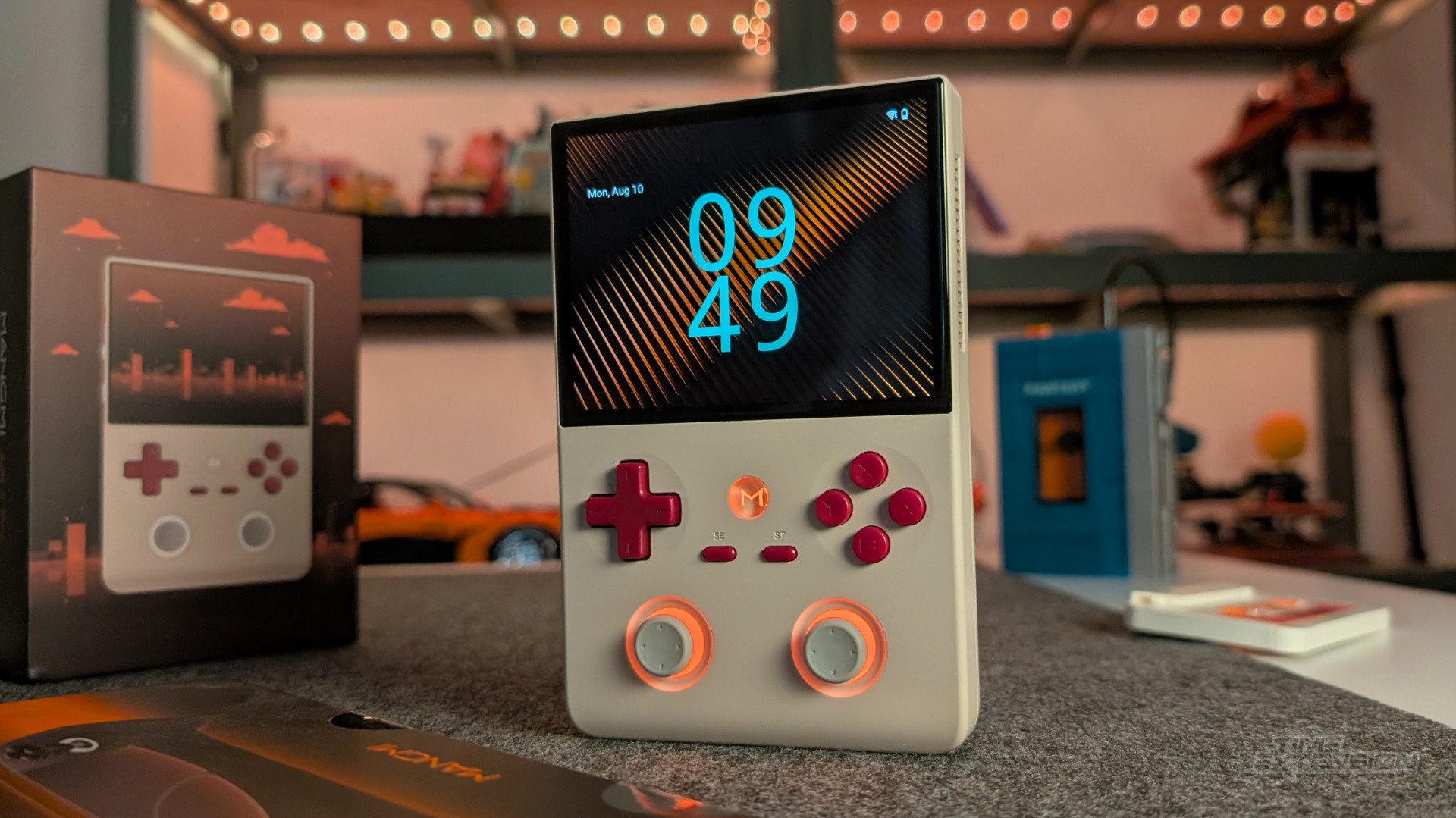
2026 is a rough year for the handheld business. Rising storage and component prices have rippled through the supply chain, pushing brands to hike prices or pull out of the market entirely.
In the face of all that, the upstart gaming handheld brand Mangmi is still finding its footing. After the warm reception of its first product, the affordable Air X, just over a year ago, it’s now looking for ways to thrive in an incredibly turbulent environment.
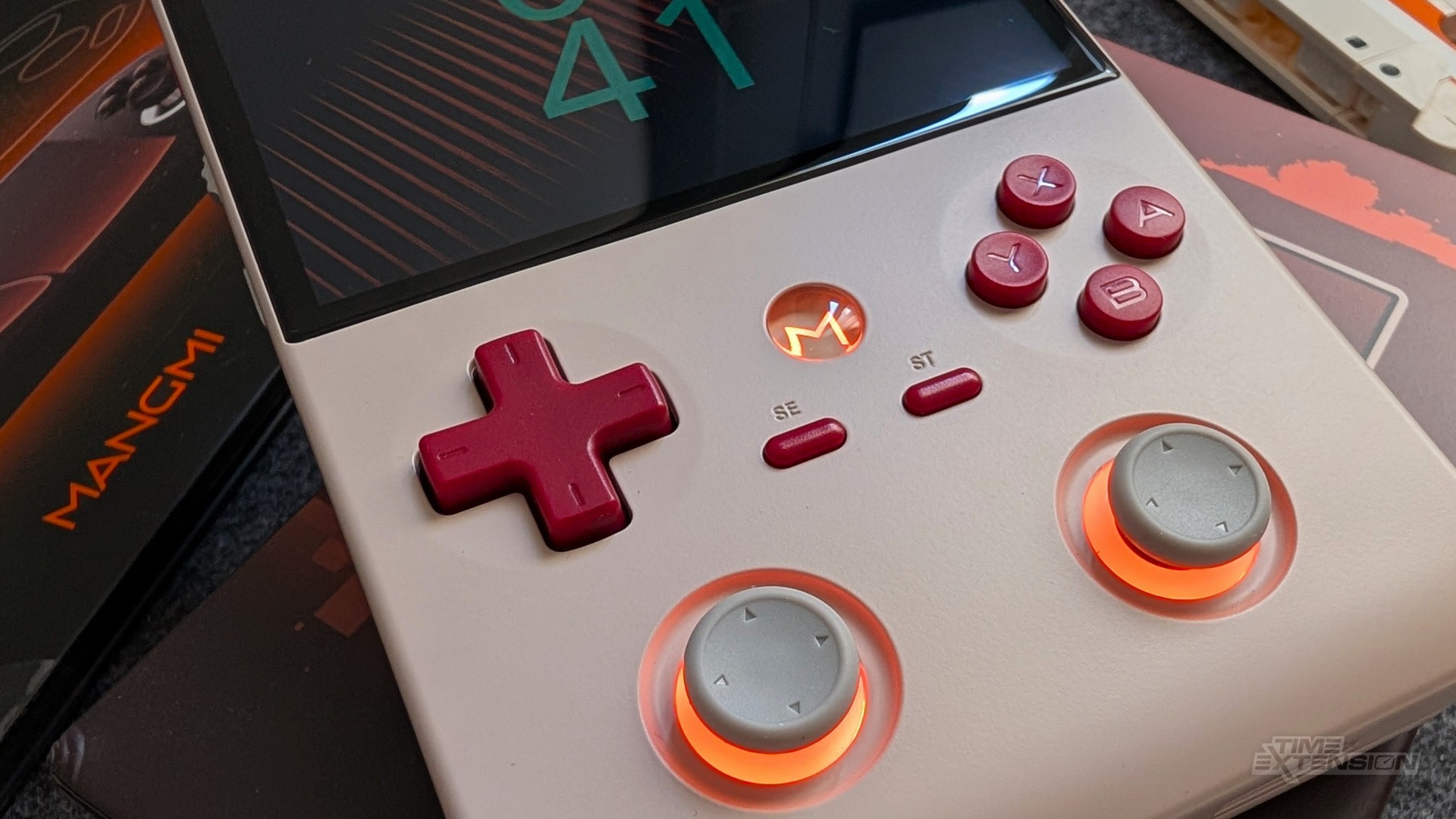
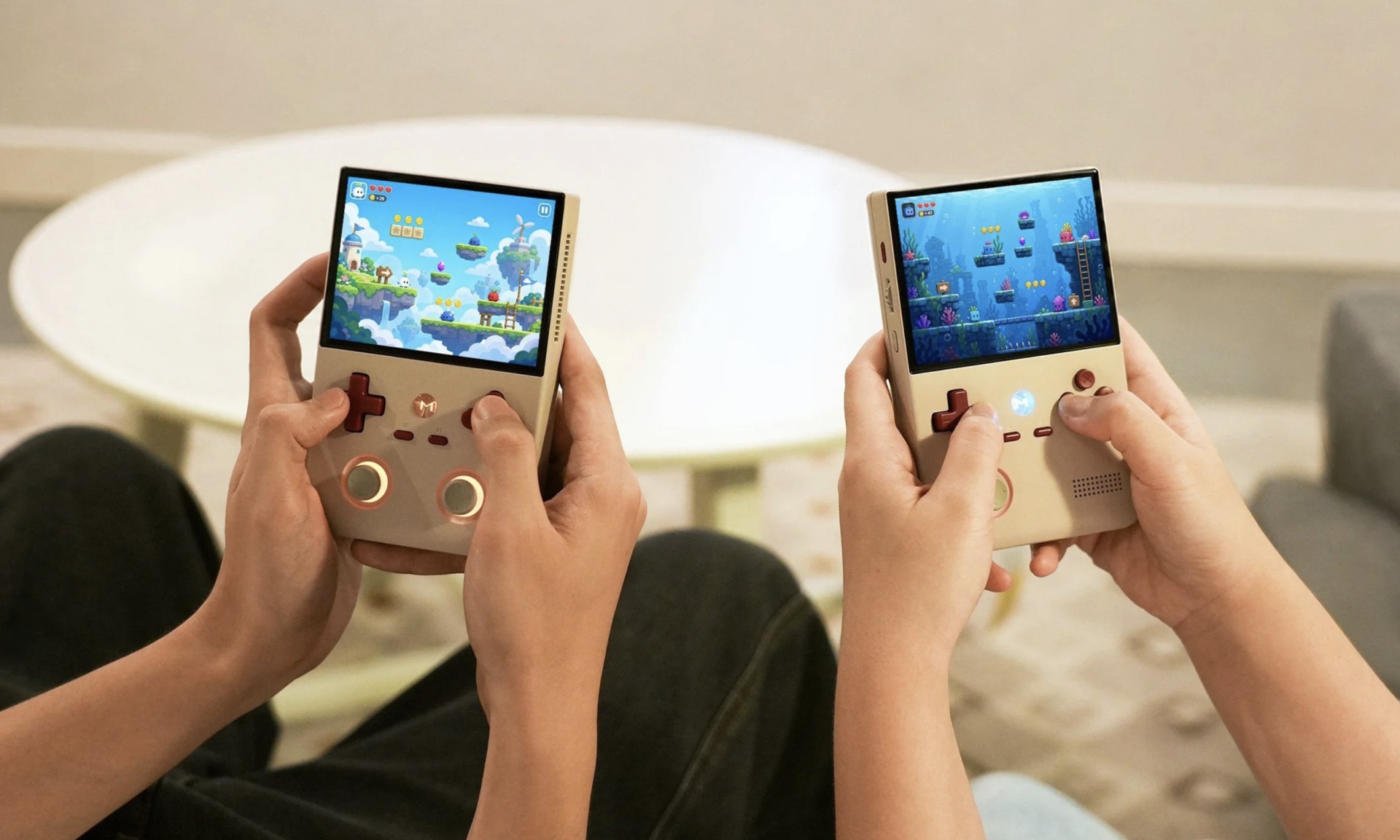
The brand’s third slate of devices, the vertically-oriented Air Y and Air Y Pro, are set to release later this week. The former sports the same Snapdragon 662 as the Air X, retaining the same sub-$100 price point. The Snapdragon 865-toting Air Y Pro packs more punch (and a second stick) to deliver PS2-level performance at about $150.
I spoke with the team behind the new releases about their design philosophy, the resistance to shoving AI into everything, and why they’re convinced gaming handhelds are more than a niche toy.
Time Extension: There are rumours that the Mangmi design team includes former AYANEO designers/staff, but is there any truth to that? How does your vision differ from other companies in the space?
Mangmi: The core team at Mangmi consists of veteran engineers and designers from the gaming handheld industry, bringing extensive experience in hardware R&D, software optimization, and UX design. We firmly believe that open source enables co-creation, and openness leads to win-win results. We warmly welcome like-minded partners to team up with Mangmi and build more exciting products together.
Speaking of our brand vision, Mangmi started with a very straightforward goal: "To enable every gamer to experience the joy of handheld gaming." Right now, the market is highly polarized. High-end handhelds cost hundreds of dollars, placing them out of reach for average players, while low-end products are hit-or-miss with unreliable quality and performance. What we want to do is deliver high-quality handhelds at a price everyone can afford.
It’s much like what Xiaomi did for smartphones back in the day—not just making the cheapest product, but offering the best possible experience at a given price point, and the most competitive price for a given level of experience. That is exactly the role MANGMI aims to play in the handheld community.
Time Extension: The Air Y is Mangmi's third handheld to come to market. What lessons have you learned from your previous two releases? How much have market conditions changed your strategy or plans?
Mangmi: Air X was our first product, launched at $79.99 USD, featuring a Qualcomm Snapdragon 662 chip and a 5.5-inch 1920 x 1080P display. It validated our core hypothesis: entry-level consumers prioritise value for money over absolute cheapness. Gamers are more than willing to pay for premium hardware like Hall effect joysticks and Hall triggers, provided the price point remains reasonable.
The Pocket Max represented a bolder step toward differentiation—featuring a 7-inch 144Hz AMOLED screen, magnetic modular buttons, a Snapdragon 865 processor, and full-size TMR joysticks. Positioned as a large-screen streaming and cloud gaming handheld, we aimed to look beyond the narrow confines of the Android handheld space and explore broader horizons in game streaming and cloud platforms.
Market shifts have certainly influenced our strategy. In 2026, skyrocketing storage chip prices pushed up industry-wide supply costs, forcing many brands to raise prices or even halt sales. However, we saw this as an opportunity: when the industry faces cost pressures, the advantage of true value for money becomes even more evident. Rather than scaling back, we accelerated the release of the Air Y Series to cover a wider spectrum of player needs with a richer product line.
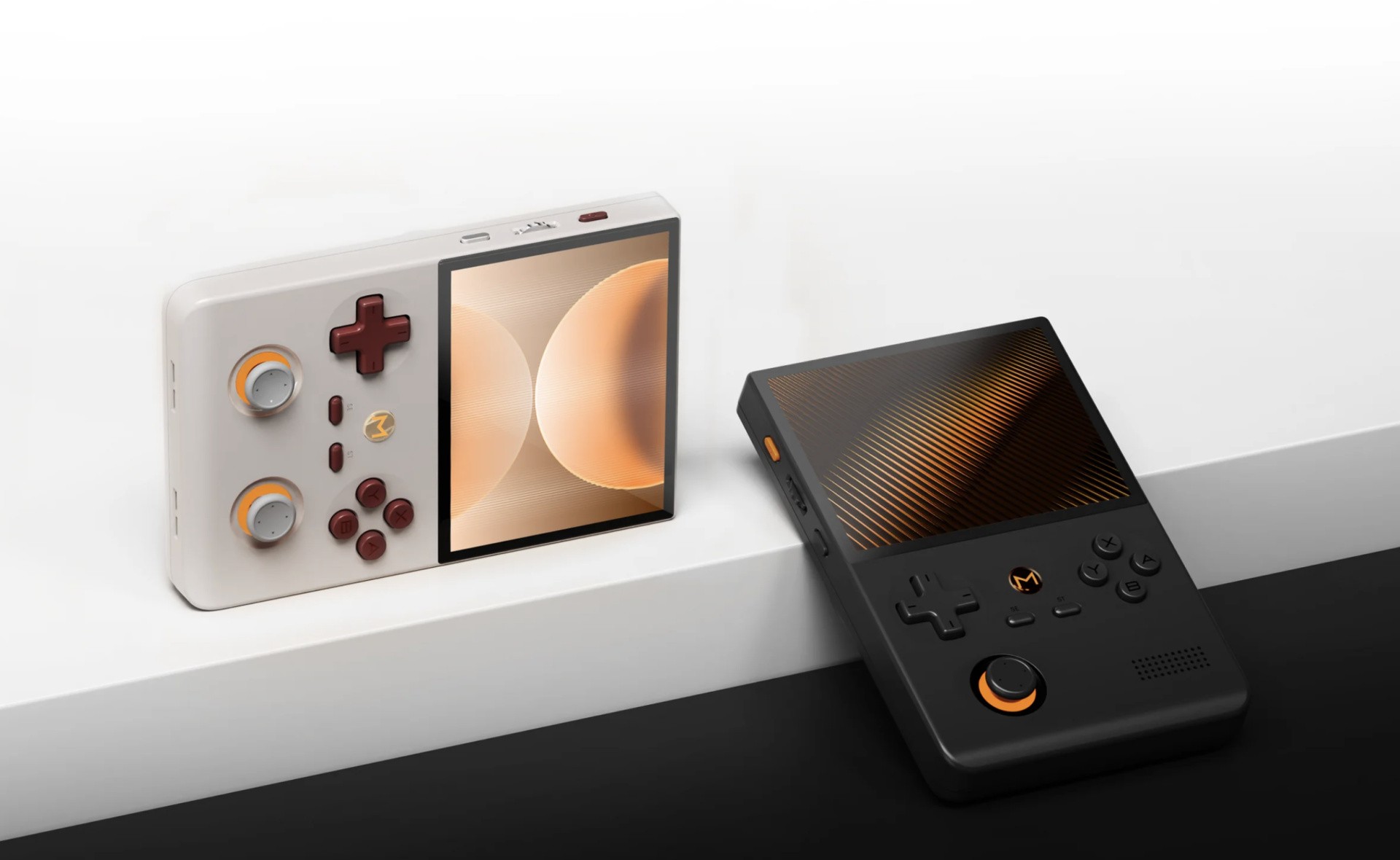
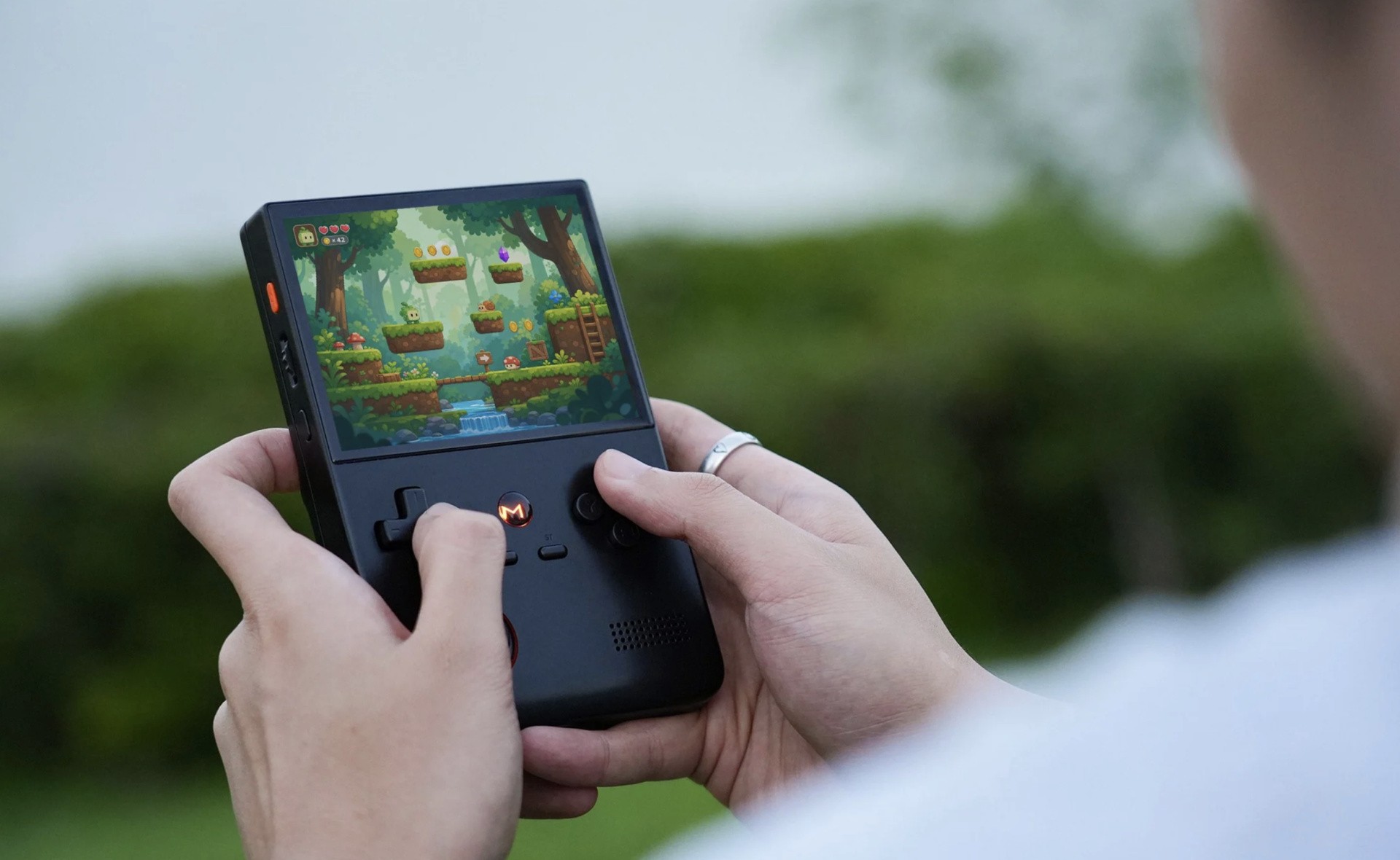
The Air Y Series stays true to Mangmi's philosophy of extreme cost-performance and serves as our most sincere answer to today's market environment. Within the lineup, the Air Y is positioned as the ultimate value vertical Android handheld under $100, while the Air Y Pro stands as the most powerful vertical handheld in the $150 price segment.
Time Extension: When designing a handheld, what are your primary constraints? What factors do you consider when selecting components and suppliers?
Mangmi: The biggest constraint in designing a gaming handheld is always how to pack the best possible experience into limited space and budget.
On the cost front, our logic is simple: we don't pile on unnecessary gimmicks, but we never compromise on specs that drive core user experience. For instance, the Air X features a 5.5-inch 1920x1080 IPS display—a rarity in its price segment. Similarly, while the Pocket Max's 7-inch 144Hz AMOLED screen, full-size TMR joysticks, and modular buttons added significant cost, they deliver a tangible, step-function upgrade to the overall experience.
When choosing supply chain partners, we focus on three main criteria: quality stability, delivery capability, and willingness to collaborate. Leveraging Shenzhen’s hardware industry cluster, we’ve achieved impressive efficiency in both prototyping and mass production. As for chip partners like Qualcomm, we’ve maintained a close relationship—from the Air X to the Pocket Max and now the Air Y Series, the Qualcomm platform remains the core of our product line. In fact, our Air X is likely the first Qualcomm-powered Android handheld priced under $100.
Time Extension: Walk us through your design process from concept to final product.
Mangmi: The R&D process for a hardware product typically spans several defined stages: user insight gathering, product definition, prototype verification, engineering validation & tuning, small-batch trial production, and finally, mass production & market launch.
Each stage has its own unique timeline. The insight-gathering and product-definition phases require extensive market research and user analysis, where multiple concept designs are often torn down and restarted from scratch. Engineering debugging is equally painstaking—optimising thermal management, fine-tuning button tactile feedback, and adapting the OS all take months of iterative refinement. Hardware development is undoubtedly challenging, but it is deeply rewarding. Doing the hard but right thing is a philosophy Mangmi has always stood by.
The development of the Air Y took nearly a year. Transitioning from a horizontal to a vertical form factor meant completely redesigning the internal stacking, button layout, and thermal setup. Even though we worked with the familiar Qualcomm Snapdragon platform, squeezing that level of performance into a much more compact chassis required just as much effort as building a brand-new device from scratch. As the Air Y approaches its launch, we sincerely hope gamers everywhere will love it.
Time Extension: What role do AI tools play in the gaming handhelds you design, if any?
Mangmi: Currently, AI integration in our products remains foundational, focusing primarily on software-level optimisation—such as system-level performance scheduling and game compatibility tuning. Industry-wide applications of AI on handhelds are still in an exploratory phase, and we are closely monitoring developments in this space.
Frankly speaking, for Mangmi’s target users, the core requirements will always be smooth gameplay and reasonable pricing. AI is a nice-to-have, not a dealbreaker. We will continue to track its progress and integrate mature technologies—such as AI translation and AI gaming assistants—when the time is right, rather than shoehorning AI features into our devices just to chase a trend.
Time Extension: What role does user feedback play in your design process? I've seen your polls on Discord/X, but do you have a similar system for domestic (Chinese) customers?
Mangmi: User feedback has always played a vital role in our design decisions. Giving gamers a platform to express their real thoughts—and even participate directly in product design—is a communication model we value immensely.
Our feedback loops in the domestic market are equally well-established. Across our official storefronts on JD.com, Tmall, and Douyin, our customer service teams systematically collect, index, and organise user reviews and suggestions. Beyond e-commerce, domestic community channels like QQ Groups, Bilibili, and RED (Xiaohongshu) serve as essential touchpoints for gathering insight. Wherever our users are, if they’re willing to share their voice, we will always be listening.
Time Extension: How much of your customer base is domestic vs global? Have you noticed any changes or trends in your customer base or the industry as a whole?
Mangmi: Both domestic and overseas markets are immensely important to Mangmi. We have always believed that truly great products resonate with gamers globally, regardless of region.
On the industry side, we see two trends worth watching closely. First, gamers are demanding a higher bar for differentiated innovation and playability. Second, interest in cloud gaming and remote streaming is steadily rising.
Time Extension: Are there any misconceptions that people have about gaming handheld design or the industry that you'd like to correct?
Mangmi: A common external misconception is that handheld gaming consoles are merely niche toys.
In reality, the handheld market is expanding continuously. Handhelds are not smartphone replacements—they offer an entirely distinct gaming experience. The tactile precision of physical controls and the immediate pickup-and-play convenience are things smartphones simply cannot deliver.
Time Extension: Can you give us a sneak peek of Mangmi's plans for the future? Are more handhelds already in the works?
Mangmi: I’d like to take this opportunity to share the story behind Mangmi's product naming convention.
"X" and "Y" represent the form factor: "X" refers to the X-axis, designating horizontal handhelds, while "Y" refers to the Y-axis, representing vertical handhelds. On the other hand, "AIR" and "Pocket" define our product lineups.
Moving forward, we will continue exploring additional form factors. While I can't reveal too much about our upcoming roadmap just yet, I can promise one thing: Mangmi will stay deeply committed to our two core principles—extreme value-for-money and differentiated innovation—bringing the joy of handheld gaming to even more players with better products.
Thank you for this interview! And a huge thank you to all the gamers following Mangmi—every piece of feedback and every vote you share helps us build better devices.