
 by
by 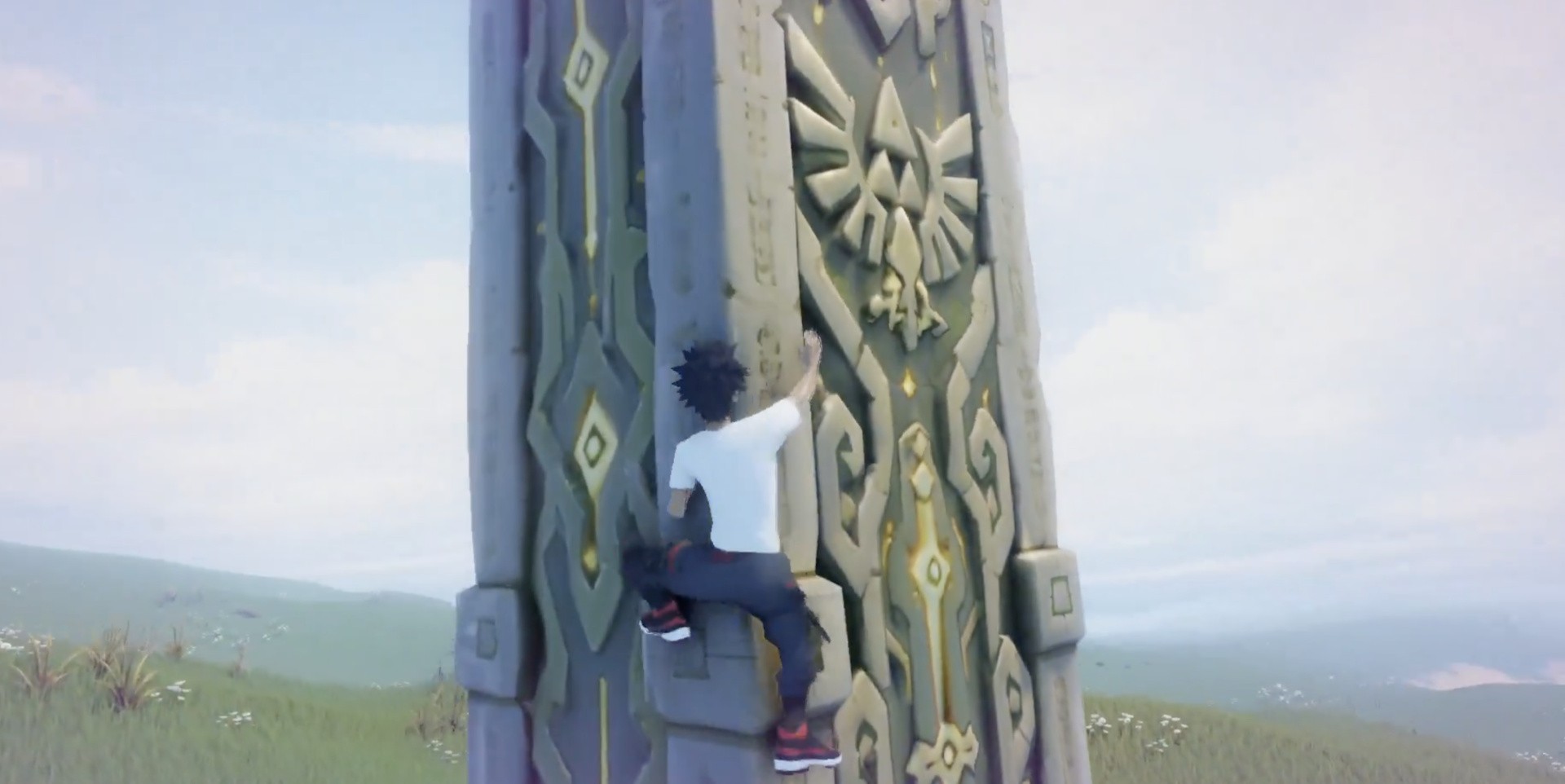
Not a week seems to go by without a major developer having to backtrack after being caught using GenAI in one of their titles.
Sega is the most notable example this week, and has been forced into damage limitation mode after a Steam disclaimer for its upcoming Crazy Taxi sequel stated that it contained GenAI elements, while Crystal Dynamics danced to a similar tune when it became clear that Tomb Raider: Legacy of Atlantis also used AI assets. Meanwhile, the trailer for Stellar Blade sequel Blood Rain has been pulled apart by fans after it became obvious it contained multiple GenAI assets.
We'll no doubt be seeing many more of these cases over the next few years (oops, there's another!) as studios try to leverage GenAI in order to bring down the real-world cost of making video games, which, to be fair, is very, very high these days.
There's a core problem with this approach, however – even if you put aside the fact that all of these GenAI models have been trained on human-made content without permission – and it has been summed up perfectly by some new test footage posted online by Sebastian Aaltonen, a former principal engineer at Unity and Ubisoft.
In the footage – which Aaltonen says was generated by "a single senior developer in 5 days using our new tools and engine" – a character is shown navigating a fantasy-style landscape. The assets used, according to Aaltonen, are "100% AI generated using our new asset pipeline", and it's at this point that the big problem occurs.
As pointed out by concept artist, illustrator and noted AI sceptic Reid Southen – who has worked on shows and movies such as Alien: Earth, The Matrix and The Hunger Games – the Triforce symbol from Zelda appears at one point during the demo. Also, the music from Zelda is clearly heard, and the character's grunts are almost identical to those of Link from the same series.
"I will never stop banging the drum that AI plagiarizes by default," says Southen. "You can literally never be sure it isn't ripping something else off when you generate an image, asset, or video."
This is an unfortunate fact that many people who use GenAI seem to willfully ignore; AI does not 'create' in the same way a human does. It is not inspired and cannot innovate; all it can do is reference the millions and millions of pieces of human-made art it has ingested and approximate something based on that.
This demo proves this point perfectly; the GenAI 'asset pipeline' Aaltonen mentions has presumably been promoted to create a 3D fantasy world, along with suitable audio. It picked Zelda, and that extends to the iconography, music and even vocal effects from Nintendo's famous series. OpenAI's (now shuttered) Sora video creation tool had the same issue.
It's ok though! Because now that Aaltonen is aware of this (how he didn't spot it in the first place is deeply, deeply worrying to me), he's going to remove those assets:
"I have told the developer that there was art resembling the Zelda emblem in the pillar. That asset will be regenerated. Thanks for noting me about it! We also started discussing about automated tooling for detecting potential copyright infringement. Many AI models have some internal detection, but it's not perfect. Not good enough. We need to implement tooling on top to ensure devs can safely ship AI generated assets."
Now, I'm not an expert on asset generation in the world of video games, but I'd argue the best way to avoid "potential copyright infringement" is to, you know, create stuff yourself rather than delegating it to a computer which simply picks the most popular thing it has seen online and regurgitates it almost 1:1.