
 by
by 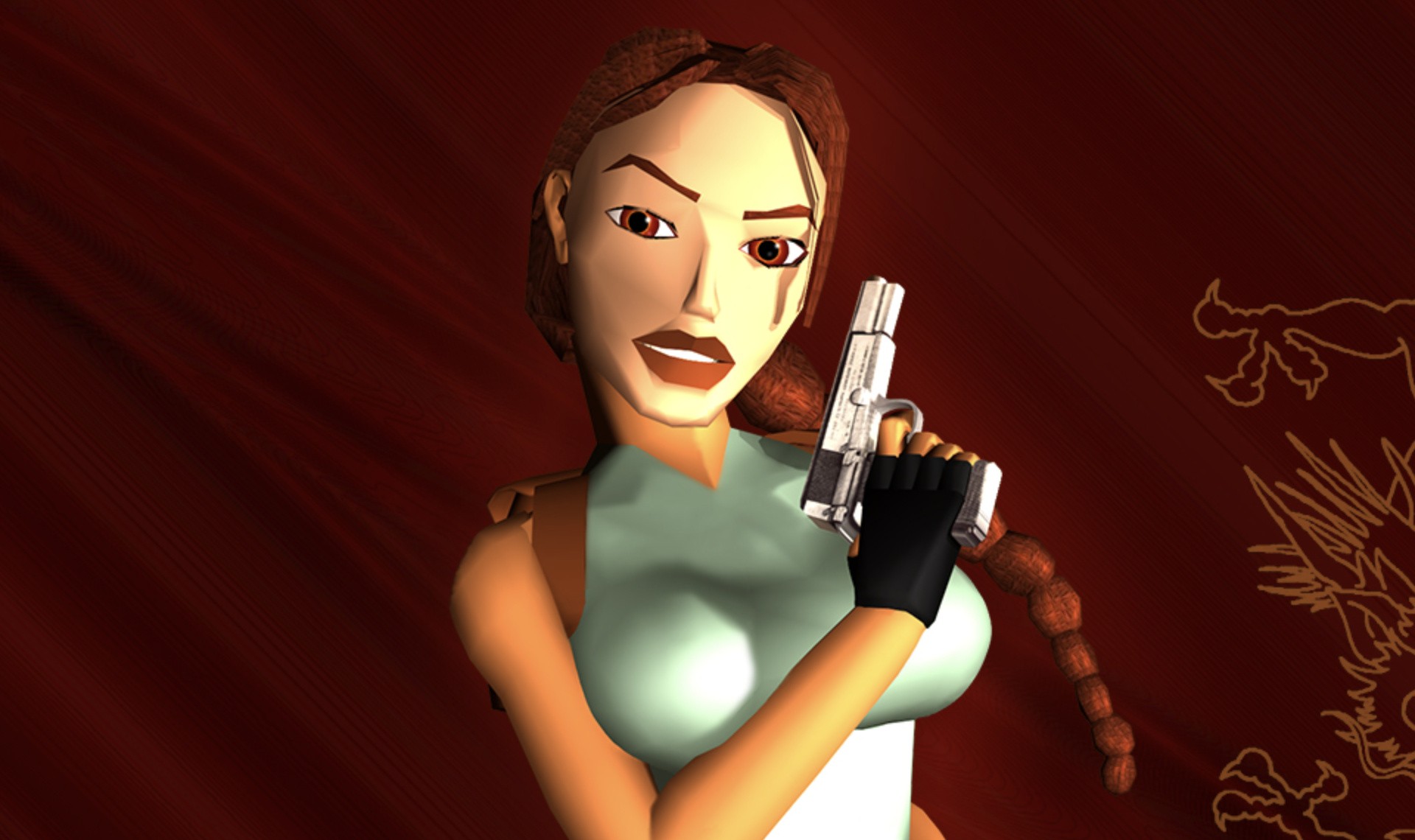
Given that Lara Croft became one of the (unofficial) faces of PlayStation back in the 1990s, it's very easy to forget that she actually made her console debut on the Sega Saturn, thanks in part to developer Core Design being a staunch supporter of Sega for many years previous.
A Saturn version of the second game was actually planned, but an exclusivity deal signed between Sony and publisher Eidos put an end to that.
If you're a Saturn fan who once dreamed of playing Lara's second adventure on your beloved 32-bit console, then you might be interested to learn that, 30 years on, a developer by the name of JRTombRaider is making this dream a reality.
"Tomb Raider debuted on the Sega Saturn in October 1996 and catapulted Lara Croft into stardom," says the developer. "The much-anticipated sequel was originally planned for the Saturn, but a deal with Sony ultimately prevented the series from ever returning to the console. Now, nearly 30 years later, Lara is coming back home, ready to show off all her new moves in a revamped new engine."
JRTombRaider has just released a demonstration of Tomb Raider II running on Sega's console. The project's "method of approach" involves taking the original assets from the second game and converting them to run on Saturn via custom-written tools. "Secondly, it uses the original Tomb Raider 1 Saturn engine as a base and injects new code to implement relevant Tomb Raider 2 functionality, effectively forming a hybrid engine," says the developer.
The opening level, JRTombRaider explains, allows us to "experience dynamic lighting, an impressive skybox, new traps and enemies, and so much more," with the developer adding that this first demo should be considered "a teaser for what's to come. A second, more extensive, demo is planned for Q2."
You can try out the demo for yourself by following this link. "This download folder contains a native NTSC version and a PAL-compensated NTSC version," says JRTombRaider. "If you own a PAL console and play at 50 Hz, the PAL-compensated version keeps gameplay at intended speed and prevents desyncing during the final cutscene. In all other cases, play the regular NTSC version."