
 by
by 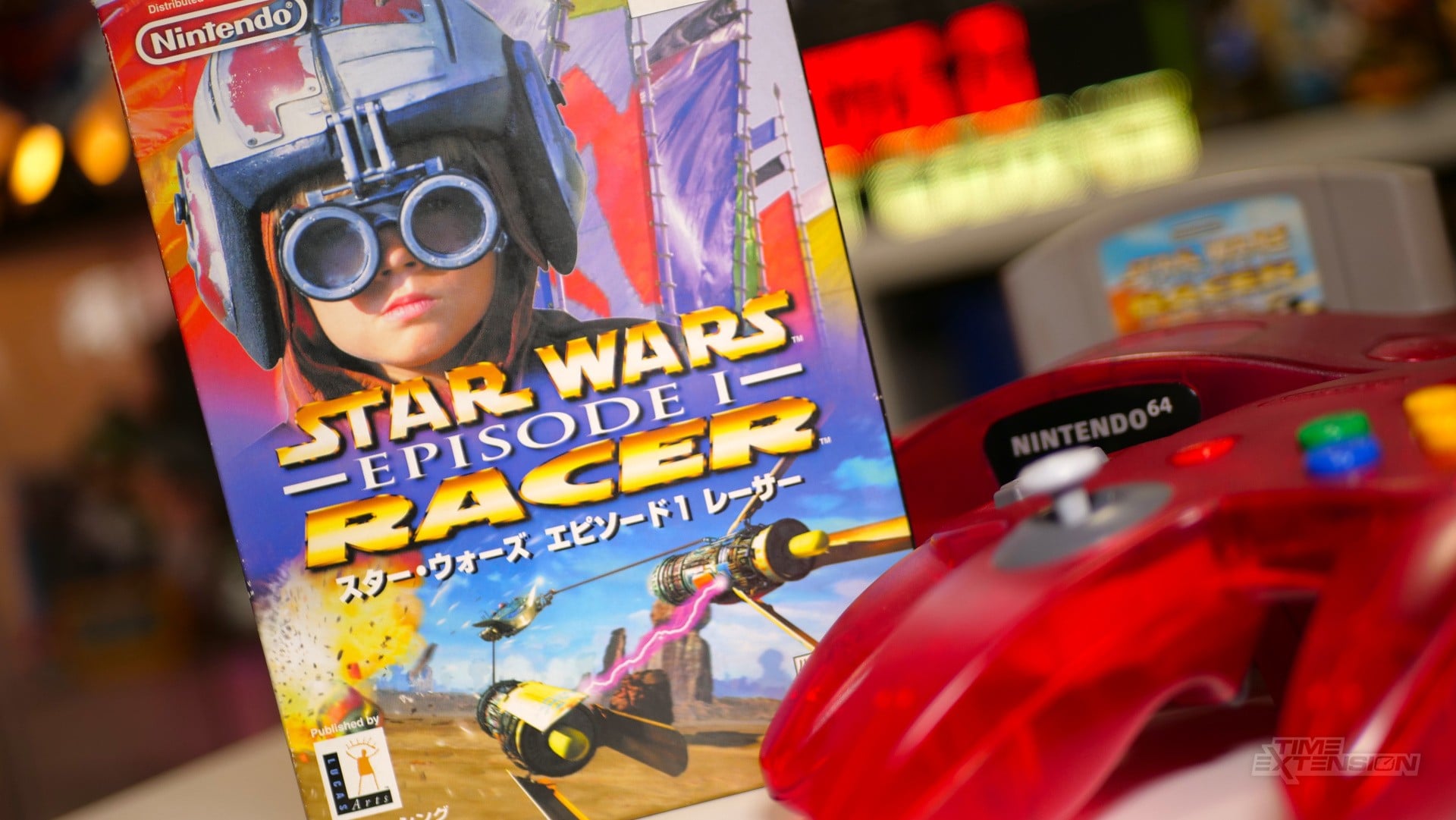
Being a kid in the '90s, it was pretty much impossible not to get swept up in the anticipation and excitement for Star Wars Episode 1.
Arriving just a couple of years after the rerelease of the original trilogy in cinemas (which had introduced a whole new generation to the films), the new Star Wars title seemed to absolutely dominate entertainment headlines and news broadcasts at the time, and gave birth to mountains of partnerships and merchandise: everything from toys and Koosh balls to toothpaste and kids' meals.
Basically, if there was the opportunity to slap a Jar Jar face on it or next to it, the chances are, Lucasfilm probably did, with Star Wars fever becoming an inescapable part of life in the run-up to the film's premiere.
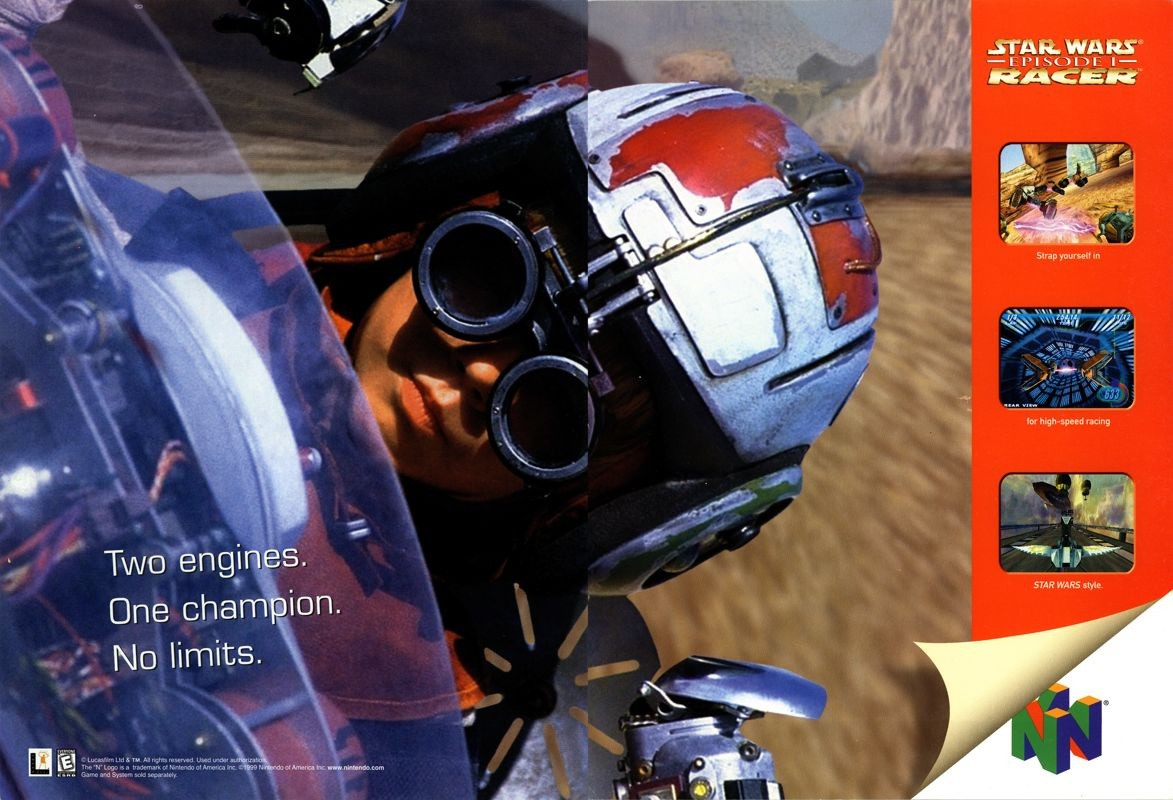
Of course, as we all know, when the film was released, it ultimately became a huge box-office success off the back of this unprecedented hype, but has gone on to develop something of a complicated legacy, with people still debating its merits in comment sections and online forums. One thing that we feel is indisputable, though, is the quality of some of the great video games we got as a result of the movie, with LucasArts' podracing title Star Wars Episode 1: Racer (for Windows, Mac, N64, and Sega Dreamcast) being among the best tie-ins released during the prequel era.
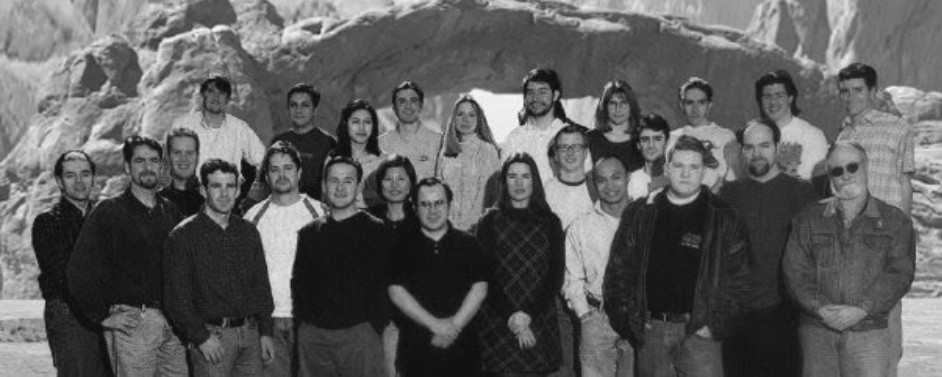
Later this year will see the release of Star Wars: Galactic Racer, a new racing game in the Star Wars universe from developer Fuse Games and the publisher Secret Mode, which is, in part, a spiritual successor to Episode 1: Racer. As a result, I've been thinking a lot lately about the LucasArts classic and have therefore decided to bring together the game's three project leads (Jon Knoles, Eric Johnston, and Brett Tosti) on a single call to uncover some of the strangest, funniest, and most interesting stories they have about the making of the original game and its ports.
"Let's Get The Old Gang Back Together!"
To give you a little background, Knoles joined LucasArts in 1990, back when it was still called Lucasfilm Games, having previously worked at Taito Software in Seattle on the NES game Indiana Jones and the Last Crusade. He got his start at Lucasfilm Games as an artist on titles like Defenders of Dynatron City and Star Wars (also for the NES), before switching to a project leader role in the mid-90s, when the company began developing for the N64.
Eric Johnston's relationship with the company, meanwhile, dates back to 1989, when he began working for the studio as a contractor, helping with Mac versions of Lucasfilm Games' software, such as The Secret of Monkey Island. He would join the company full-time in 1994, becoming a lead engineer and helping the company make the difficult transition from 2D to 3D games, notably working on the 1996 action-adventure game Shadows of the Empire alongside Knoles and Tosti. As for Tosti, his original role at Lucasfilm Games was as a tester, but he would eventually become a project coordinator, producer, and level designer, working on other Star Wars projects like Dark Forces.
With everyone assembled, I began by questioning how the project came to be and the history of the team:
Time Extension: First off, it's great to assemble you all here. I thought it would be interesting to reach out, as I know there's a new Star Wars racing game coming out later this year --
Knoles: — We did it first! (everyone laughs)
Time Extension: I thought this would be a good opportunity to chat to you about Episode 1: Racer and some of your memories of working on this type of game in the Star Wars Universe. I'm curious: how did the project initially start? I've read in an old interview with Brett that the project wasn't originally a podracing game, but was instead a more general racing game set in the Star Wars universe; is that accurate?
Knoles: I can jump in there because I remember that very clearly. So, the one lesson that came out of Shadows of the Empire, the game we made before, was let's not make five games in one. Let's, as Eric said, do one thing and do it really well, or do one thing and do the hell out of it.
And so we were pretty focused on applying the low-altitude flight mechanics we had created for the Shadows' snow speeder Battle, which we felt we had done most successfully. We basically handed Factor 5 the code and got them going with that, and said, 'Here's a comic book called Rogue Squadron, why don't you guys make a whole series out of that?'
And while they were doing that, I think we had a prototype that we were working on. So we were trying to imagine flying toward the planet in an X-Wing and then flying over the ground. We were thinking there was a way to do a seamless transition from space battle to low-altitude flight, but the idea was that the game would mostly be low-altitude flight. And then around that time, late 97, we had just finished Shadows of the Empire PC, or we were finishing it, and we were invited to Skywalker Ranch, where we used to work. Eric used to work there too to see concepts for the prequel film. And it was the first time we'd seen anything. First time we'd heard anything.
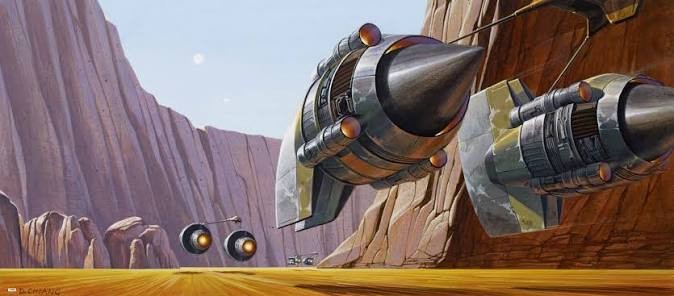
We went upstairs to the attic, where the team was working on concept art, and we saw these amazing drawings of the podrace that Doug Chiang had made. We were told it would be the film's centrepiece action sequence. And immediately we said, 'Okay, that looks amazing. Wow, can we do a racing game in Star Wars? I've never even considered anything like that. Let's go figure that out because that's a game.' Does that sound right, Eric? I think you were with me.
Johnston: Yeah. It's funny, I had forgotten about the Fractal Planet prototype until you mentioned it. We did this thing where you're approaching a planet and then go seamlessly down from the orbit, basically down to the surface. And we were looking at what if we could kind of do a fractal-generated landscape; that would be interesting to do, ripping around. And the most fun that we had was once you got down to the surface; space travel is a little bit boring sometimes.
And so once we got down to the surface, we were discussing, 'But there's no way that you can go the speeds that we were going in orbit on the surface and have it be controllable at all.' And I think that started a little bit of pie-in-the-sky stuff of, well, 'How fast can we go?'
Then when John came back from the ranch, he told us, 'Oh, there's this Ben Hur thing, there's this whole scene, and it's 900 miles an hour,' and that meshed so nicely with what we had been playing around with, on the engineering side. So I started putting together kind of a wind tunnel prototype, to find out what physics would let you do that, real or imaginary? And I remember us distilling everything down to one thing: go fast. You have to go really, really fast.
Knoles: Eyeball-peeling speed, as I recall.
Johnston: There was absolutely no way you could do that with real physics. So we came up with some game physics that, in some cases, are so very wrong, and they just feel good. And that was the whole point. It was to have fun and go fast.
Time Extension: Brett, how do you come into this? Were you also on Shadows of the Empire?
Tosti: It was an interesting trajectory. The three of us had worked on Shadows of the Empire quite a bit. We started at Kerner, and we had a big Onyx machine in Eric's office, so we did Shadows of the Empire, and as Eric and John mentioned, the snow speeder was, from a critical and customer standpoint, one of the highlights of Shadows of the Empire. So, when John said he handed off the code to Factor 5, I spun off for a bit.
While they were working on the prototypes, I worked very closely with Factor 5 on the Rogue Squadron game to highlight that snow speeder mechanic and take it to the next level. But when that wrapped up, we thought, 'Let's get the old gang back together.'
I'm not sure; I might have attended that session with John. But my recollection was that the first time I saw what Lucasfilm was doing with Episode One, as it relates to the podracer, was when I saw an animatic, and it was really, really cool. It was this mishmash of images from Tora! Tora! Tora! and the chariot racing scene from Ben-Hur, and some concept art. At least in my mind, I thought, 'That's a good starting point for us to creatively figure out a game around this.'
[Note: the animatic above is not the exact version Tosti saw. It's simply here for illustrative purposes]
'Maybe We Can't Make A Great Racing Game, But We Can Make An Excellent Toy.'
Having decided to make a game about a fictional sport, the team at LucasArts faced many challenges in making this idea a reality, with one of the most pressing being how to translate the experience that Lucasfilm and ILM were creating into a video game format. At the time development of the game started for the N64 and Windows computers, the filmmakers had yet to decide on many of the vehicles' intricacies. This meant the team often had to interpret how they thought the pods moved and functioned before running it by the filmmakers.
This led to what Knoles described as a "cool collaboration" between the two teams, with Tosti adding it felt like, "nobody was dictating the other"; instead, everyone just "wanted to make a consistent experience."
Knoles: Eric actually has a funny story about this. We were trying to figure out whether it's the engines that are making the pod swing around, or if the pod is steering the engines around. Eric, you want to describe your experience rollerblading with your dogs? (laughs).
Time Extension: Wait, what? I'd love to hear this.
Johnston: So I used to live in a town called Half Moon Bay, which is on the California coast. About an hour south of where we were working. I had two big Labradors that had chest harnesses and a leash made of climbing rope, and I had a skateboard. And for a while, the highway was closed because there'd been a landslide, so I took to just ripping around at unsafe speeds.
It was out of control, and it was absolutely what I wanted at that time. It was a stretch of life where I just needed to get away for a little bit now and then, and we just unhooked; that feeling was so unsafe and so fun, and I realised that's what we needed to bring to the game. So, I think that actually inspired our approach to that problem.
Knoles: Yeah, because of that, we decided to move the pod to pull the engines rather than the engines pulling the pod. So, when you turn right, the pod is the first thing to go, 'I want to go this way,' and that tells the engines to go this way; I think that was inspired by the dogs. And that was something ILM and Lucasfilm hadn't figured out, because we had to finish it first, right? The game had to be completed two or three months before the movie, and they were working on effects right up until the very end. But it just felt right, because you have to tell the dogs which way to go.
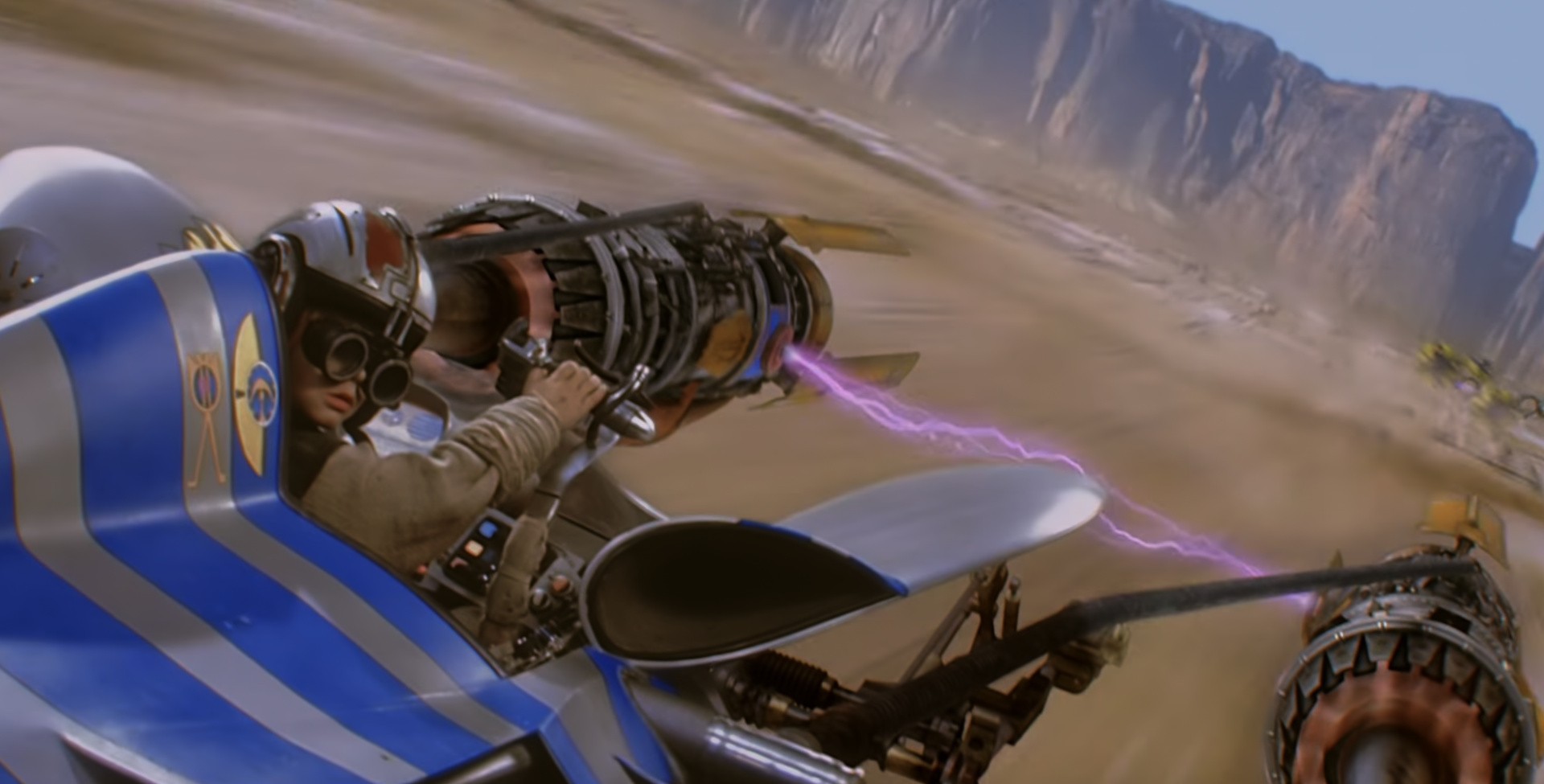
I would often take the cart with the latest build and an N64 over to John Knoll at ILM, who was next door. I'd show him what we were doing, and he'd say, 'Wait a second, you guys actually have flaps opening and closing?' And I'd answer, 'Yeah, Anakin's pod racer looked like it had these little doors on it. So we're going to use that as air flaps to brake and turn.' I think he hadn't even considered that, or they weren't sure yet; they knew they were going to do something, but they didn't know at the time that they would go really deep on surface controls. And in the movie, you see those flaps everywhere.
Tosti: We knew people would see this in the movies, so we were always focused on how we could give you that fantasy fulfilment. How do we get that sense of speed? How do we get the sense of danger? How do we make it feel very fragile and dangerous while at the same time going at great speeds?
If we really had accurate controls there, they would be way too sensitive, and you would just make a small movement and crash into a wall. So we had to kind of balance those things and say, 'No, Anakin didn't crash in a heartbeat. The other pod racers didn't crash in a heartbeat. They were smashing into each other, sabotaging each other, and engaging in this interplay to kind of get around each other. So that's what we wanted to focus on, rather than true physics.
Johnston: That was super important for us, because at that speed, with this kind of control model, if it's accurate, it's pretty much going to be all over the map. If you're winning a race, you're going to be all alone. And you're never going to see the other racers ever, right? They'll be a little dot in a realistic flight sim. And we didn't want that. We wanted them to be shouting at each other and bumping each other, similar to the movie. And so the physics model for them was a complete fabrication — a super simple design to keep them near you and keep it fun.
If you go faster, they'll catch up to you, and they'll give you a race. But if you're not winning, then John had this little Excel table of first-place finish times, and everyone else is distributed out after that. And if you're not in the lead, they always win the race in roughly the same amount of time. Being able to tune that difficulty was critical to the fun. Running full physics for 12 racers was never going to work on the hardware we had at the time. So, we had this spline, which is a curved path through the world that John would make, and that was the racetrack, and that was the path the racers would take.
If an opponent is within the player's view, they're rubber-banded to that. So they do this kind of tension; they're just glued to the path, and then they're varying from it by some degree, but they're on track. And then if you can't see them, they are just on that track. They don't care about walls; they don't care about anything. They calculate the next position on the track, which takes no math at all, and then they pin to it.
Once in a while, two of them will trade places or somebody will explode. But the ones near you are doing this rubber bandy thing, which just feels like the movie.
Knoles: Speaking of realism, I remember early on we were constantly talking about how to make the game as amazing as possible, and I think it was Eric that said to me at one point, 'Maybe we can't make a great racing game, but we can make an excellent toy.' And that really reframed things for me. Because up to that point, we were trying to do first-person views, I had a bunch of gauges working, and all the pod racers were wildly different, and there were 18 of them. But Brett and Eric (and probably Mark Blattel, our other amazing source programmer) said, 'Stop, we can't keep going down this road.'
I thought about that a lot, and the more I thought about it, the less it became about you versus the other racers. Instead, it became about you versus the environment: can you get through the level and take all the risky shortcuts, or can you handle the eye-peeling speed?
"Think Of The Pod Racing Physics Like A Greased M&M"
Besides the controls, another exciting obstacle for the Episode 1: Racer team was creating a diverse selection of compelling tracks for players to race on.
As you'll already know if you've seen the finished film, there is only one podracing race in the entire movie, which takes place on Tatooine and lasts 10 minutes for a single lap. Because of this, the team needed to take some creative liberties to adapt this map to work within the confines of the game, while also coming up with exciting new locations and race possibilities to build on what the wizards at Lucasfilm and ILM had created.
Wanting to know more, I asked about the design of the game's courses and the idea of risk versus reward that seems to permeate the game throughout, starting with how the team approached the design of the Boonta Classic (the race depicted in the film):
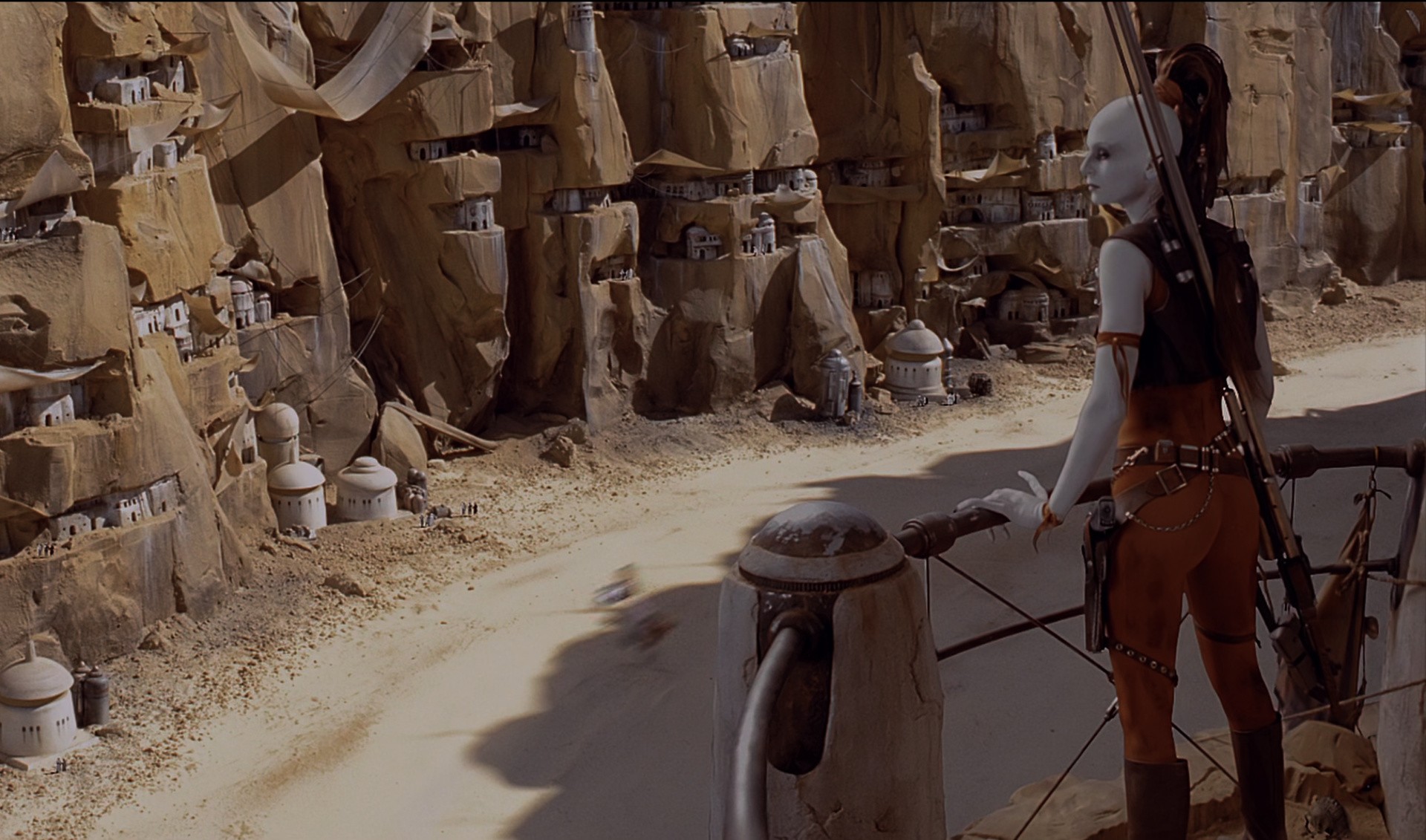
Knoles: Fortunately, for us, someone at Lucasfilm had drawn a huge top-down map of the entire course from the film because they needed to map out where their effect shots were going to be, what the backgrounds were going to look like.
There were areas such as the Mushroom Canyon, with big mushroom-shaped rocks. There was Beggar's Canyon, for lack of a better name, which was just a bunch of canyons that had a bunch of arches, and then there was the skinny notch in the cliff that we knew we wanted to roll sideways. So, we had all these big pieces, but someone had thankfully already gone in and done a map.
So, I said, 'All right, I'm going to take that map, and I'm going to build it.' So, I built the whole thing in 3D Studio, which was the software I was using at the time, and we put our scale speed at 600 miles an hour, but then we realised it took approximately 10 to 15 minutes to get around the track, and if you're going to do a three-lap race, it's never going to work. So I took the whole map and shrunk it down so you could get a two- or three-minute lap time, which meant making all the arches a little bigger and scaling all those pieces back up so you had some room to manoeuvre.
So that was important because we knew that level would set the pace for all the other levels. Once we had that size right and the general lap-time thing figured out, the other levels could follow a similar sizing scheme.
Time Extension: The Boonta Classic is in the film, but there are also other planets and events in the game. Did any Lucasfilm creatives help you develop those other locations in terms of developing artwork, or was that all done internally within LucasArts?
Knoles: That was all within LucasArts; I think we made up most of the planets ourselves. Ando Prime, I think, I just pulled that name out of thin air.
Tosti: By that point, we were very versed in Star Wars. We had watched all the movies, we'd done the research, we had tons of reference materials for pretty much anything we wanted.
So, when it comes to coming up with new creative ideas, we would always kind of let them see what we were doing. But, as John was talking about with the physics of the pod racers and such, oftentimes, we would kind of be out in front of things. We would share that with them, and if there was something that they were doing in the movie that was relevant to what we were doing, we would get that.
Knoles: Another big leap for us was, pun intended, the first time I cut a jump into the world on Tatooine, and I made it as big as possible. We had already figured out the boost button, which we were really enjoying, and the test team asked us, 'Can you guys make more jumps?'
Johnston: There was an ice planet one that was huge.
Knoles: Yes, that's right. I remember telling two of the level designers (there were a few, but the two most involved were Duncan Brown and Jake), 'Cut a big jump in every map.'
It's funny, in your email, you talk about the new game; it looks fantastic, right? The graphics look amazing, but one thing I noticed is the gravity is less pronounced than ours. I noticed when they went off a cliff, it looked as if they were floating and floating, and that's not real gravity. I think our gravity was 2.5x normal, or maybe even 3x, so we got that hard bounce. I think Mark Blattel said, 'Think of the pod racing collision physics like a greased M&M, with a little bit of cushion or something. Does that sound familiar, Eric?
Johnston: Oh yeah, absolutely. We had a lozenge. Lozenge was the name for the kind of coarse physical object that you're running. And then below that, we did other stuff. But we were basically pushing a lozenge around the course.
Knoles: We also had to do all the jumps both ways, too, because I think some of the tracks were reversed.
Johnston: So, with that, there was always the plan that you'd be able to, as a cheat code, race the courses backwards. But then we did the jumps, and that created the problem of, 'We can't do that anymore'
So, what we did was have you race a mirror image. And so that feels backwards to the player. You get the experience of, 'Oh, I know this course, but I can't do it.' It was super fun. Diddy Kong Racing did something similar as well. And that was literally done in the renderer. So, you're playing the game non-mirrored when you're playing the game mirrored. It's just that you're looking at it through a mirror. It was the only way to get it done in one weekend.
Time Extension: You mentioned Diddy Kong Racing. I'm curious, were there any contemporary titles, say F-Zero or WipEout, for example, that were an influence on how you approached the game's courses?
Knoles: WipEout was a reference. But honestly, what ended up being more important to us was Beetle Adventure Racing and what was the game by Boss Studios? Was that Overdrive or Top Gear Rally? Beetle Adventure Racing was so much more about the environment that it really inspired us, as level designers, to make the world more of a character. And then the Boss Studios' game, they did some graphical tricks that were just awesome, like reflective puddles.
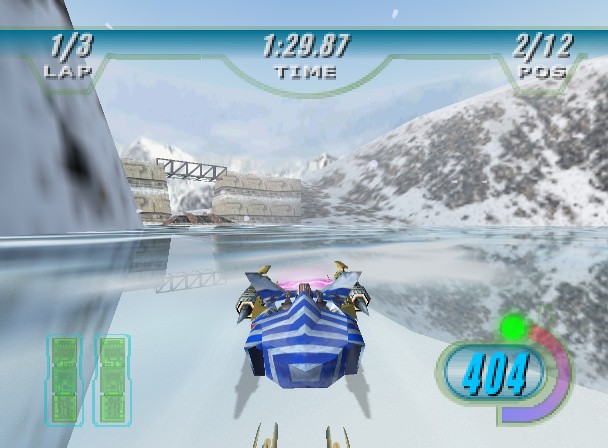
We had a world with an ice lake, and we were trying to figure out how to handle reflections or show driving over wet ground with puddles on the jungle planet. They just punched a hole in the ground where the puddle was, and then you saw the sky dome upside down with whatever you needed to see in the reflection. So, if you had to build a mountain, you'd have to build an upside-down version, because we couldn't do real reflections at the time. That was brilliant!
I think it was Eric who said, that's what they're doing. And I was like, 'Oh, I'll do that too.' So I cut a bunch of holes in the environment and built some of the world upside down, and voila, we had a mirror thing.
Johnston: And then we just double rendered the pond. That was sweet.
Knoles: The other big change we made pretty late was, and I'm kind of reminded of this from the new game where they're going off on an adventure and a big part of it's upgrading and all that stuff, I said to Brett, 'Hey, we should have a used parts dealership. We should be able to go to Watto and get new parts. And then out back, he should have this junkyard where you get parts that might blow up or they might not, but they're going to be cheaper.' That was all a 2D interface at one point, and it may have been Eric's apprentice, Darren Johnson, who we tasked with wiring it all up in 3D.
That all came about because I had made a 3D room where you could view the pod racers, and it looked great; we were really excited with our ability to do that. And so I thought, 'Why don't we make Watto's Shop like that too?' So, really late in development, I somehow inspired or excited Darren enough to wire up the pieces I gave him, turning what was a 2D interface into a rack where Watto was sitting there in 3D, his wings flapping, saying, 'Hey, wanna buy a board?' Again, it was just trying to bring you into a more immersive space, but I ended up giving these two guys a monster of a headache.
"Somebody Left A Jacket On The Machine; It Didn't Catch Fire But..."
As someone who grew up playing the N64 version of Episode 1: Racer, one topic I wanted to discuss was what it was like working with the N64 hardware.
This opened up a few interesting discussions, including the team's memories of getting the hardware, comments on Nintendo's testing process, and the more memorable bugs and issues that cropped up while putting the game through its paces. Before we get into that, though, I first wanted to draw your attention to the N64 analogue stick and the famous dual control mode cheat, which allowed players to use two N64 controllers/analogue sticks to steer the podracer:
Knoles: We really wanted to use the analogue controller, and Nintendo, of course, wanted us to make great use of it too. And so, for a while, that was the only way to control it: forward on the stick was acceleration, backwards on the stick was brake, and left and right were turn. But it got really strange when you were in the upper or lower diagonal areas; it just didn't feel right.
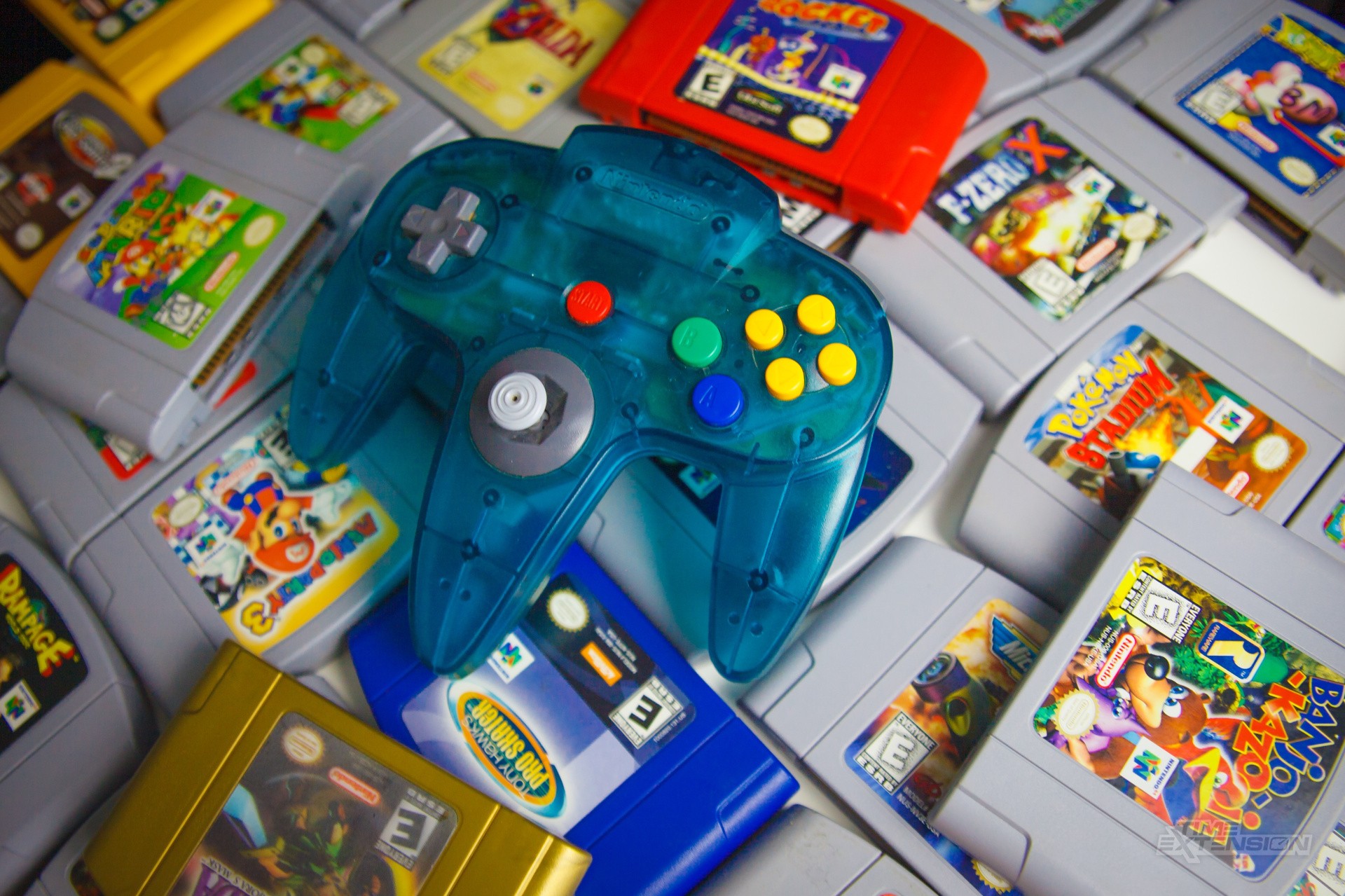
I can't remember whether it was you, Brett, or Andy Alamano (if he was on the project), but somebody kept saying, 'John. Every single racing game on earth has a brake button and an accelerate button. Why are you trying to break this?' And I was stubbornly sticking to, 'We got to do this analogue thing,' until I think I relented at some point. That's when I asked Eric or Mark Blattel to try mapping just the throttle and brake directly to the face buttons, and the game became infinitely more fun and let you do funny things such as drifting. You could kind of cut the throttle, turn, and then punch it.
Johnston: There's actually something similar in the game. You probably already know about this cheat code, but you can put an N64 controller in each hand and do forward and backwards on the sticks for the engines. That actually cost us a lot of development time because we would just sit in our chairs with our hands by our side and drive these things, and that felt good.
Time Extension: I wanted to ask you about developing for N64. Obviously, there were PC and N64 versions in development at the same time. In terms of the N64, I've spoken to people who worked at Electronic Arts on some of the older FIFA games, and many of them shared some fun and some admittedly less-fun challenges of working with the hardware. How did your experience compare?
Johnston: Oh, I loved that machine.
Knoles: Yeah, we loved it, but yes, it did have some serious challenges, especially on the art side. I think it had 2500 polys per frame to maintain something close to 30 frames a second.
Johnston: And you gotta remember the resolution. People forget this, but it had a 320 x 240 total screen resolution. And then there was a little bit of antialiasing, but on a TV, it looked fine.
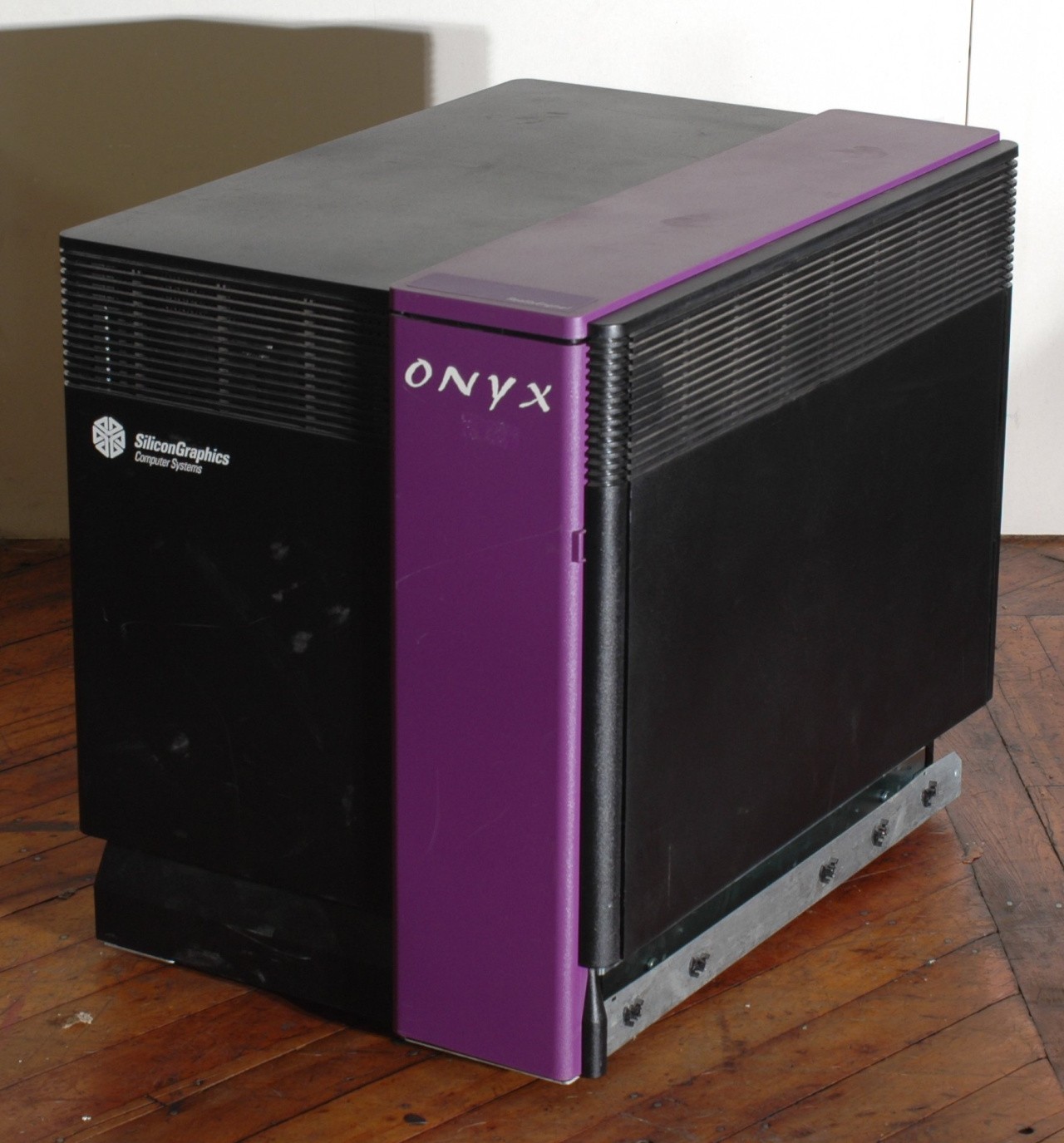
Knoles: I remembered the only thing that could emulate it was the Onyx, which is about the size of a college refrigerator, that would raise the office heat to like 85 degrees where you're sitting. For the programmer Mark Haigh Hutchinson, I think, especially. But we were shocked when they delivered the box they promised would do what the Onyx does, and they didn't lie. Like they were right. The N64 was such a cool little box.
Johnston: With both Shadows and Racer, we had a lot of overlap in the team. And we worked directly with SGI at the time, who was doing the hardware for the N64.
In fact, we can claim some of the credit for them doubling the RAM. They were going to have two and a half meg, and they ended up with four. They used nine-bit DRAMs because of the antialiasing. So we came up with a way to store extra information in the ninth bit, and they said, 'Don't do that. Come on.' And then they ended up doubling the RAM.
Knoles: Wait, did that result in the jacket test fail? Do you remember that one?
Johnston: No, it wasn't that. So what happened there was somebody left a jacket on the machine; it didn't catch fire but —
Knoles: — But it crashed. And I guess we were the only game that crashed when someone put a jacket on it. Nintendo said, 'Kids do this, they throw their clothes on their Nintendo on the floor, and the game should keep running. And yours is the only game that doesn't.' And I remember thinking, 'Are you kidding me?'
Johnston: It's because we had these kick-ass optimised interloops, and so the CPU gets a little hotter.
Tosti: Wow, you guys are reminding me of all the other things Nintendo used to say.
They used to say things to us like, 'Your input doesn't work when the controller's worn out.' We'd say, 'What? The controller's worn out? But they'd tell us, 'No, no. If it's getting an input close to one of the cardinal directions, you kind of have to assume that it's going that direction.' And we'd be saying to them, 'But the controller's worn out; it doesn't work'. They were very much into making sure they had the cork on the fork, meaning you couldn't poke your eye out with anything.
Knoles: I seem to recall a lot of bugs we got were early on, and again, I think, it was Mark Blattel who came to the rescue, as he often did.
The 3D program I was using, and the rest of the design team was building levels in, 3D Studio, is not built in floating-point math — correct me if I still don't get the technical terms right — so we were getting all kinds of bugs where there were visible seams in the world, and sometimes those seams happened with the collision geometry that's invisible. And if your pod racer got stuck in that tiny little seam, it would shoot into the nether regions, and you'd be out of the game world.
We kept getting hundreds and hundreds of these bugs. And no matter how much I went into my 3D Studio map, zoomed all the way in, and tried to get those vertices to align — 3D Studio didn't have a way to have two different vertices occupy the same space.
I think it was Mark who said, 'Well, how close can you zoom in?' And I said, 'I don't know, it's a unit. It's like 10 thousandths of a unit." And he says, 'Alright, anything within 10 thousandths of a unit, I'm just gonna consider the same spot, and you don't have to do anything.' And I was just like, 'Thank God!' because now, suddenly, all the seams in the world disappeared and pod racers stopped shooting into the nether regions. These are the things you encounter.
Johnston: Those are the classic Mark solutions, which is like 'Oh, well, okay, I can do this, and now it fixes everything everywhere.' So the issue there was that the engine is doing things in floating-point, but we have to compress it into something smaller to store the whole roadmap, all the models, the textures, and everything. They'd get decompressed, and if there are gaps between stuff, then you're gonna fly off the handle.
Knoles: I think that's also another reason for me shrinking the map as well, 'cause the farther away you got from the world source, the less accurate everything became. When I shrunk it down to 25 per cent of its original size, that kind of problem went away.
Johnston: Maybe my favourite day of the project was during testing, because we had been in crunch mode for a while, and we were all feeling punchy. Nintendo had 90 testers on our game, and we had had six or something, so we kept getting these faxes from them with different bugs we needed to look at. We were falling behind, and John came back with the raw audio recordings from the voice-over sessions.
I was just flipping through them because we had no time, and we had to map all of these to what they're supposed to sound like, and I came across this one that's Watto singing the Cantina theme, and it's so dumb and so ridiculous. And I put it in as the end-of-race thing. After every race, it happens. I figured at some point somebody's gonna either shoot me or tell me it needs to change. And it stayed in. I was so happy that it stayed in.
Knoles: What's funny about that is we didn't have room to store a lot of the voice stuff. Right? It's a small cartridge. So that's why Anakin only ever says, 'It's working! It's working!' Because we recorded him saying, 'Oh, that did it!' or, 'All right!' and all kinds of other things.
I also have another funny sound story. We had all the pod racers speaking Huttese, which was kind of the generic Star Wars language. Ben Burtt, the brilliant sound designer and editor of the Star Wars films, had written a book to help Lucasfilm with some rules for Huttese, but much of it was kind of make-it-up-as-you-go. Especially for us.
So when the podracers are going by, they're all speaking, but you don't know what they're saying, and we had to make up a lot of things. And Eric came up with some of the best ones. Brett had some good ones too. Basically, the whole team gave us some lines in English. Stuff like, 'Hey, don't get too close or you're going to get cooked.' And Eric translated that to something that sounded like, 'Approacha-mabumpa, cheese the crispa', which means, it sounds like, 'If you approach my bumper, you're going to be crispy,' Which is awesome because when it comes out, it sounds Star Wars-y. But there are some words that you can attach to that.
So they're not just speaking nonsense. They're all speaking our own interpretations of what we thought Huttese might sound like in short little insults.
Johnston: The end of Project Party was at a go-kart place, and we were all shouting the insults at each other.
"We Wanted To Call It Star Wars Episode 1: Podracer"
The Nintendo 64 and Windows versions of Star Wars Episode 1: Racer launched in May 1999 in the US, but they wouldn't be the platforms that would get the game.
In addition, there were also versions of Star Wars Episode 1: Racer on other platforms, too, including Mac computers and the Sega Dreamcast. Of these, the Mac version was the first to hit the market in late 1999, with the Sega Dreamcast version launching one year later, in 2000, and serving as the developer's first Dreamcast title. While I'd wager the Nintendo 64 version is arguably still the best-known console version, on account of being first, the Sega Dreamcast edition features a few improvements over the original, reintroducing the cut pre-rendered cutscenes before races (present in the Windows and Mac versions), and being able to fit more of the music into the races, eliminating the long silences in the N64 tournaments.
With that in mind, I was curious how the team's experience developing that version of the game compared to making the original:
Johnston: I love weird hardware, so I liked the Dreamcast. We had some personnel changes late in the project, so we had to round off some features here and there, but in many ways it was the best version of the game on consoles.
Knoles: Except for one thing. The one thing that ate me alive. I think I was the first one to realise; it was too late to fix it. But we were excited that on the N64, the music from John Williams that we only used on the final lap was mono because it had to be. But on the Dreamcast, you could have it in stereo because you had all this space. And so you had this big, beautiful music going. And sadly, we accidentally shipped it in mono. And I thought it would kill us, but nobody noticed.
Johnston: The mono thing actually wasn't quite an accident. It was the only way to get it out the door because of personnel changes. There just wasn't enough time.
Speaking of platform-specific things, by the way, I also remember there was the Mac version. Macs used to be cool, they became uncool, and then when they got cool again, they were like candy-coloured machines. And somebody at Apple had decided that every candy colored machine would have a terrible, but not nonexistent, GPU in it. And so we burned extra cycles to make that GPU run the game well, because then anything brightly coloured from Apple would run the game. And that worked. That was good; the only downside is you couldn't count on anything but mouse and keyboard, because even from the old SCUMM adventure days, people who buy Macs don't add hardware to them.
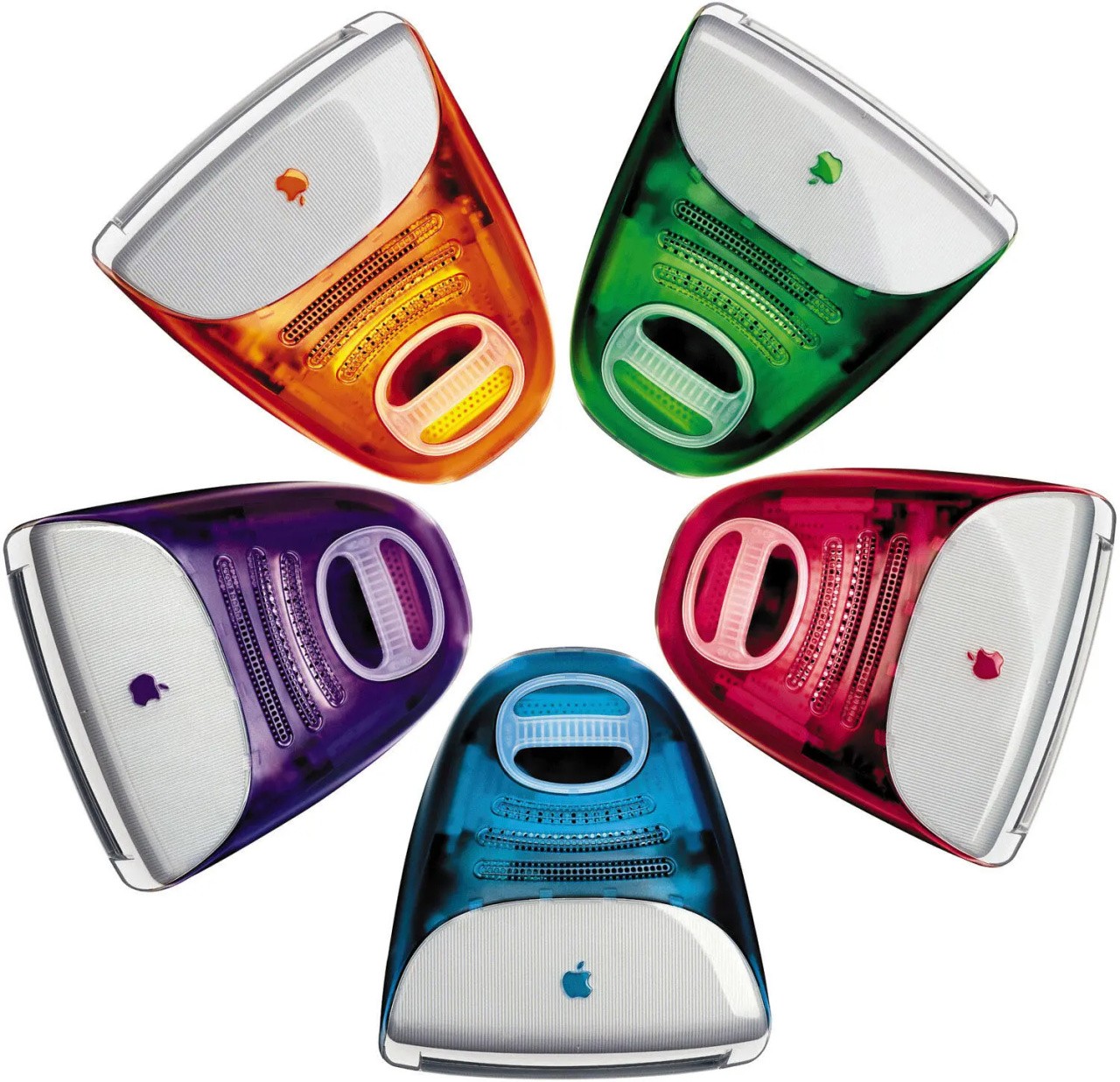
They just don't. So they don't buy controllers, sound cards, or graphics cards.
There was a PS1 version of Racer in development by an outside studio, but it just proved too hard because the PlayStation 1 didn't have Z-buffering, and the performance and look just couldn't quite match the quality on other platforms.
Time Extension: I don't know off the top of my head how much is known about that. I'll have to look into that.
Johnston: Somebody's got a disc.
Knoles: Rainbow Studios did the version of Racer Revenge on the PS2, and they did a great job with that as well.
Johnston: The other version of the game that I remember that was super surprising and really fun was of racer there was a cabinet coin up game I was actually going to ask about that because that's Sega, like one of Sega's.
Knoles: Jun Taniguchi, who I had worked with at Turn 10 on Forza games. He was the team designer. They had less time than we did.
Johnston: They did a brilliant job. They didn't use our code. They made a new game with a new map and everything, and you got to ride in the cabinet and do it. We had one of those in our front lobby, and the racer team was super proud of it, even though we didn't do it, because you can see our game's influence all over it. The team that did it at Sega got it right.
Knoles: They were a super talented bunch. They had come from Sega Rally. They totally knew their way around racing games, but it was amazing what they did. We thought we didn't have much time with 18 months.
Johnston: I'm sure they repurposed the engine. It was done by a team of pros for sure.
Time Extension: Did you ever have ideas for a sequel?
Knoles: I don't think so. In fact, I might have been going through Star Wars Burnout at the time. And I think even the head of LucasArts at the time said, 'John. I don't want you to make another racing game. I want you to go do something original.' So I spun off a team to do an original action-adventure platformer, codenamed Sawyer. We were all really excited about it until I was asked to stop that project and get back to work on Star Wars. Then after that, my next game was Star Wars: Bounty Hunter, our first PS2 game.
I was back in the Star Wars universe for a while after that. I did a Revenge of the Sith game, then that was kind of it for me at Lucas. But yeah, Racer brings back good memories. We were really proud of it too.
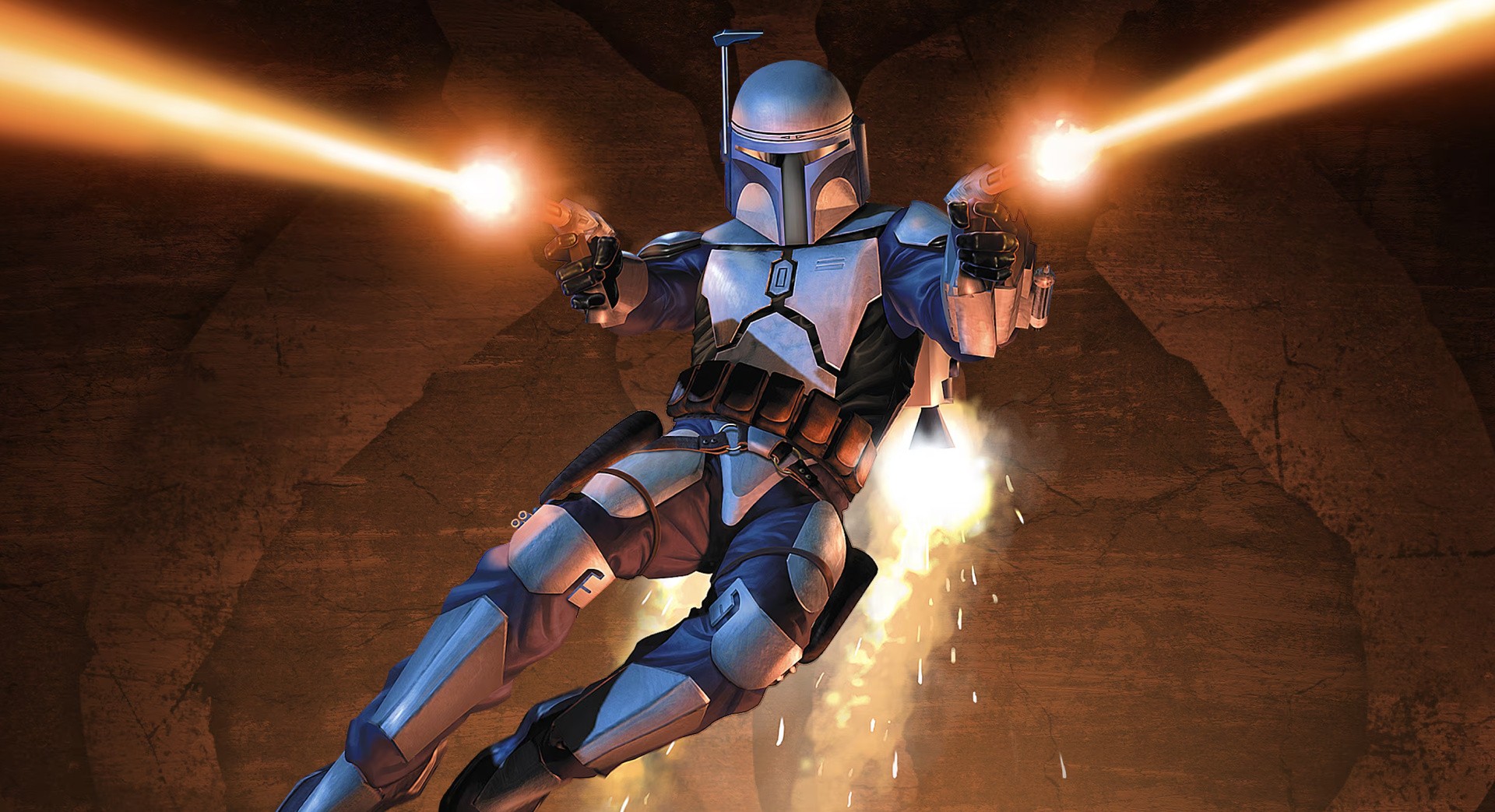
Also, we did want to call it Star Wars Episode 1: Podracer, but there was a company, I think it was Ubisoft, that had released a game earlier, called POD, and I believe the folks at LucasArts felt it was best to go in another direction.
Time Extension: I'm wondering, for you, John - you obviously went on to work on the Forza games- how was it going from an antigrav racer to working on more traditional racing games? Were there any of the same lessons you could apply?
Knoles: If you're talking about the years I spent working on Forza Motorsport and Forza Horizon, it was a totally different world, but there were a lot of the same challenges applied. How do you keep the race interesting when you're ahead? How do you keep the race interesting when you're far behind? But of course, those games had a ridiculously complex physics system, drawn from real-world car data from manufacturers and the like, which we tweaked to make an open-world game like Horizon.
The team at Playground took the physics and then really went to work to make sure that it was fun to drive in an open-world environment. Believe it or not, using the same physics straight out of the box from Motorsport was absolutely not fun in the context of an open-world environment as much as our core players thought it would be. We put it in front of them and gave them three different control models: the one we thought they'd pick, the hardcore one out of the box, and one that was kind of arcade-y, like Need for Speed. And they all hated the one that was straight out of the racetrack game. Because on a real-world racetrack, you're constantly braking and turning and braking and turning. In an open world, you're not.
So when the car goes off the road, the game feels broken. So we did some cheating. It's real physics, but we did things like remove lift entirely, so there's no aerodynamic lift. Anyway, a lot of stuff like that.
Time Extension: Same question to you, Brett, and you, Eric. Has there been anything that you've applied from this specific project to anything that you've worked on since? Have either of you guys worked on other racing games since Episode 1: Racer?
Tosti: After that, I didn't really work on any racing games. Like Eric and John, we lived, ate, and breathed Nintendo products, so I continued working on Nintendo products, and much of my work was with Factor 5.
I worked on all the Rogue Squadron games and then Battle for Naboo, so there wasn't really an opportunity to apply kind of the racing knowledge on those games. It just didn't work out.
Johnston: Yeah, I never worked on more racing games, so a lot of the things I brought forward were broader and more technical. It was things like the level of detail handling, but also Racer was very self-contained; as software engineers say, it had very few dependencies. It didn't use the platform libraries except where Mark and I tapped into them. So it was kind of this little self-contained ball of stuff that would just run on anything.
So, when we got the PS2 console, we started calling Racer a 'teapot.' In the graphics world, a teapot is a rendering test to see if your graphics are working correctly, and we could bring Racer up on basically anything. We brought it up on the iPad when it was brand-new. And I believe marketing kept wondering, 'Well, should we put this on this other thing?' but I don't know if they ever did. But we would just use it to test our graphics systems, and it was kind of fun because it was better than drawing a teapot; you could play Racer on your new toy.
Time Extension: I wanted to thank you all again for taking the time to do this. I think we've talked about pretty much everything, unless you have any last-minute comments.
Johnston: I have kind of a guilty admission. John probably remembers this, or maybe Brett does too.
So, after the game came out, our PR department would once in a while send us lists of questions from somebody, and we'd answer all the questions, so it was like an interview but asynchronous, and it might have been close to April 1st. But also I was just feeling punchy. So, somebody asked a question about the game physics, and I decided to have some fun.
So I told them, 'Well, there are only two working repulsorlift platforms on the ranch. There's the one used for the Landspeeder in the first one, and the smaller one used for the speeder bikes in Return of the Jedi. After that, it's all CG, so they didn't need them.' I said, 'We couldn't touch the original Landspeeder one, but we got to take the speeder bike one and just kind of try it out on Lake Ewok and take notes.'
I didn't expect anyone would take it seriously, but the person who interviewed me didn't question it. And then, three other people responded to the thing that they published, and were like, 'Oh my God, they've kept this secret.' I just remember thinking, 'Oh no, what have I done?' (laughs)