
 by
by 
The story of Nintendo in Brazil is anything but simple. It's a story informed by government policy, piracy, grey market imports, and the whims of a licensor that can probably be described as capricious at best. Because of this — not to mention the fairly obvious language barrier — it can be pretty hard to find good, reliable information in English about the company's history in the region.
Last year, as you may remember, we previously spoke to the former president of Tectoy, Stefano Arnhold, about that company's role in bringing Sega to Brazil, and it's always been the plan to follow it up with a similar look at Nintendo in the region. But we knew from the very start that it would be much harder to get the quality of information we needed, with many of the personnel involved in Nintendo's launch in the country having long exited the games industry, or simply having vanished into thin air. With those concerns fresh in the back of our minds, we began reaching out to former members of Playtronic, the joint venture between Gradiente and Estrela that officially launched Nintendo in the country in 1993, hoping these inquiries might soon yield some decent results.
This led us to get in touch with former Playtronic marketing assistant Eliana Rocca, who put us in touch with Pablo Miyazawa, a former Playtronic employee turned journalist, who has actually been writing a crowdfunded book about the very same topic for the past two years, called Nintendistas.
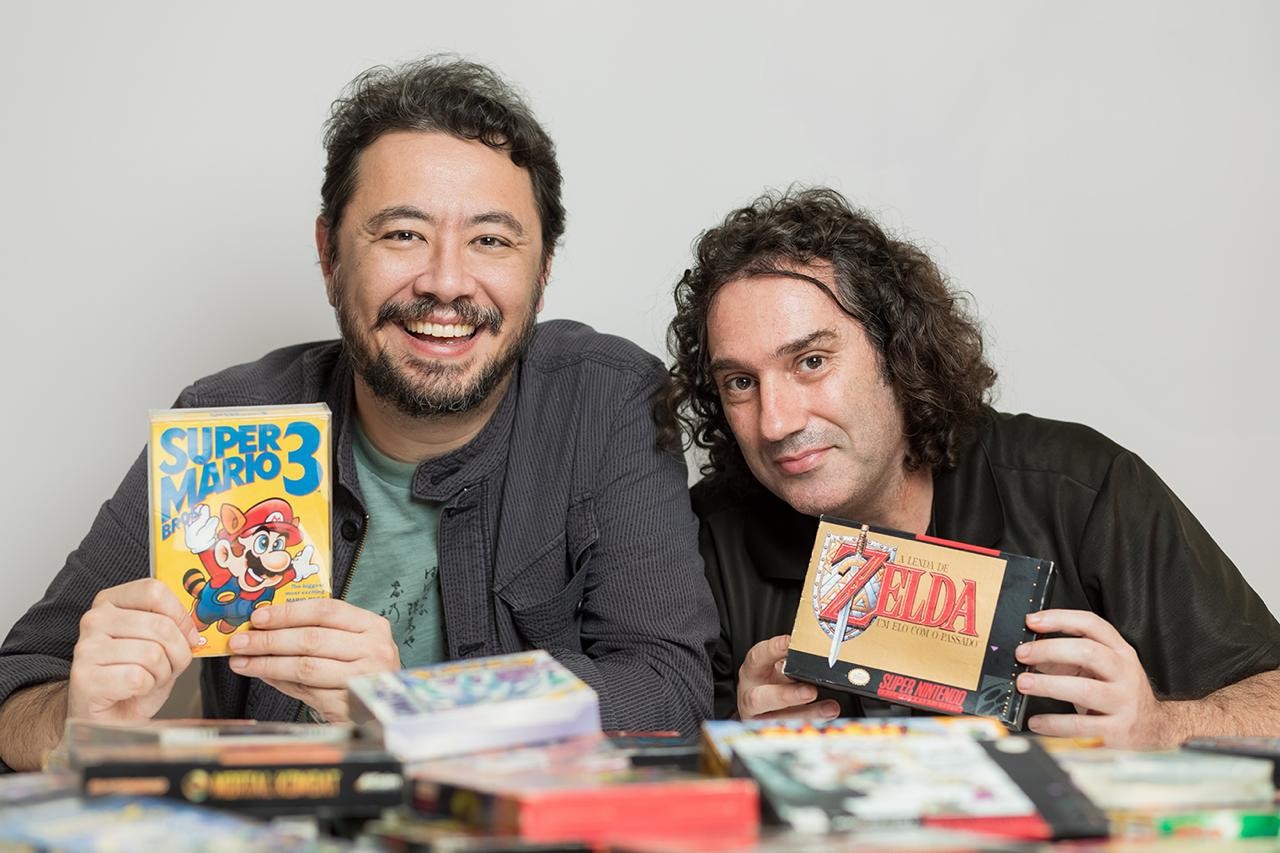
Miyazawa, just to give you some background, originally got a job at Playtronic in the mid-90s, working on the Nintendo Power Line (Brazil's version of North America's Nintendo Power Hotline), before moving across to join Nintendo World, the first official Nintendo magazine in the country, just as it was about to launch. He is also one of the first Brazilian journalists to interview the legendary game maker Shigeru Miyamoto, and has also notably held editorial positions at the Brazilian offshoots of Rolling Stone and IGN. More recently, though, he has been spending much of his spare time interviewing many of his former colleagues, with the aim of documenting Nintendo's complex history in the country.
Why 'Nintendistas'?
According to Miyazawa, one of the main reasons he set out to write a book was that he had always wanted to create something as entertaining as Blake J. Harris's Console Wars, and he felt the story of Nintendo would be a perfect fit given the lack of available information. So, during COVID, he began reaching out to former connections to assemble an all-star editorial team of Brazilian journalists and editors. This included André Forastieri, who launched Nintendo World, and Eduardo Trivella, a former Power Liner and Nintendo World contributing editor.
"I did many things after Nintendo; I worked at Rolling Stone Brazil and IGN," says Miyazawa. "But people always say, 'Oh, you were that guy from that magazine that I read when I was 10 years old; I started enjoying reading because of Nintendo World.' Back then, we didn't have the influencers that we have now, so we were kind of the influencers of the day. So I felt that if there is someone who could do this kind of research, who would know who all the important people are, and connect the dots, that would be me. Because I had the privilege to be there for some of it."
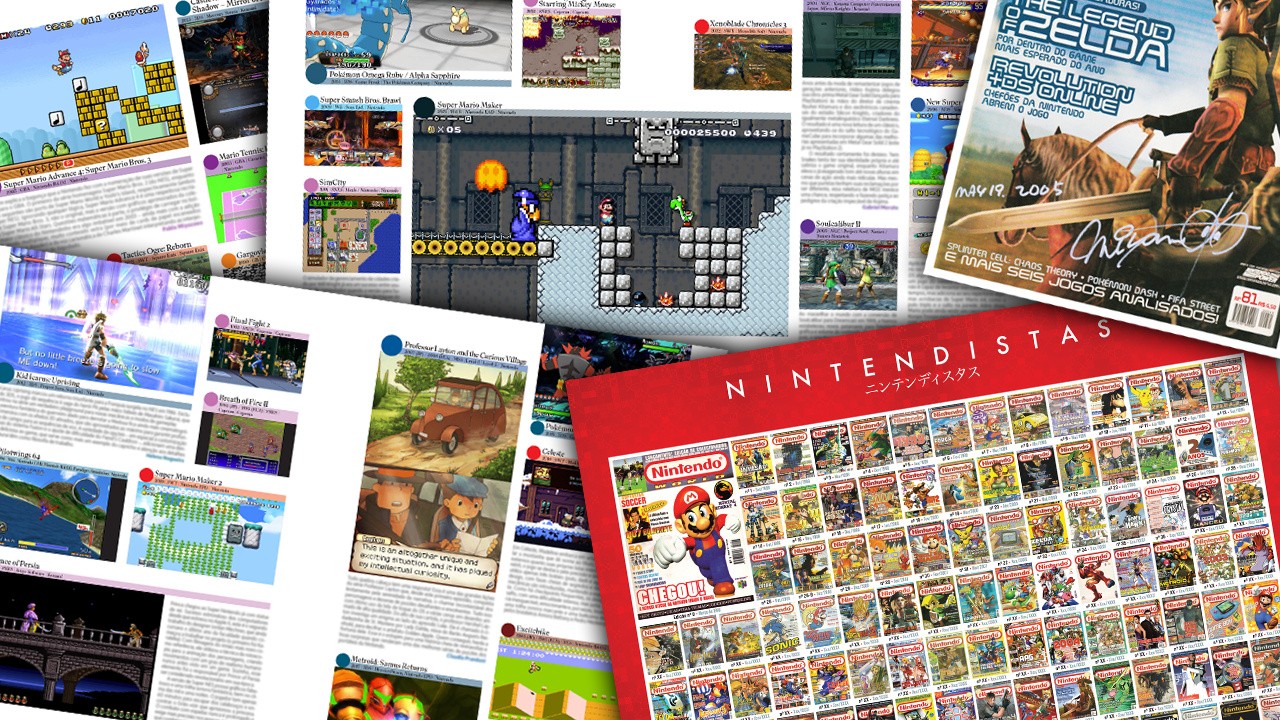
Nintendista's content, as outlined on the campaign page on Catarse, is divided into three distinct sections. The first is an oral history of Nintendo in Brazil, told by those who were part of it (including top employees at Gradiente and Playtronic), which will then be followed by a retrospective of Nintendo World Magazine and an overview of Nintendo's history, covering "the main games, consoles, and accessories from each phase since the 1970s." As for the book's title, Nintendistas, Miyazawa states it isn't a term he himself coined but one Nintendo fans in the country have used for a "long time" to identify themselves as supporters of the company.
"It's something that we, the people who like Nintendo, have called ourselves for a long time here in Brazil," says Miyazawa. "We have this suffix '- istas', which is something that you can put at the end of many words. So, for people who like Sony games, we have the term Sonistas. For Xbox, we have the Caixistas, because box translates to 'Caixa' in Portuguese. So Nintendistas is something funny, because it means people who like Nintendo, but at the same time, it can almost be translated as someone who sees and feels Nintendo like a football team, or as something very important in their lives. It's almost like a religion to them."
Initially, because of his connections, Miyazawa was confident in his ability to tackle this story and felt that it wouldn't be too big a project to put everything together, as he already had a leg up on other independent researchers. But as he began to dig deeper and deeper, he very quickly realised the enormity of what he'd taken on with the oral history portion of his book, discovering a number of challenges he would have to overcome to obtain the quality of information he needed.
One of the biggest roadblocks he faced, for instance, was the amount of time that had passed since some of the events in the book took place, as some of the people involved in the Playtronic story had since moved into other industries, were unwilling to talk, or had forgotten a lot of the details that Miyazawa was interested in.
"For many of the people who worked at Playtronic, it wasn't their dream job," says Miyazawa. "It was just a job. So they've now moved on to other things. To give you an example, most people back then got jobs at Nintendo in Brazil in 1993 and 94 through newspaper ads, where undisclosed companies would post listings like 'We're looking for someone who is good with art and graphics.' They would get there, do an interview, and only then would they realise, 'Oh, it's Nintendo.' So, many of them weren't passionate about games at all. So that's why it was so hard for them to remember things.
"This was, of course, a bit of a disappointment for me, because I was expecting people to have been keeping all these amazing secrets from the general public, and that they'd be able to give them all to me. But I would often say something to them, and they would respond, 'Oh, I don't remember.' So some of my sources weren't as knowledgeable as I'd hoped, and it took me a lot of effort to remind them of certain things. At the same time, though, there was still a huge part of the story that had never been told anywhere, in magazines or in newspapers. So I will say that I still discovered a ton of new things not documented anywhere else. It just took much longer than I anticipated."
Besides the difficulty of extracting firsthand information from sources, another problem that Miyazawa ended up running into was the sheer scope of the story, with the author acknowledging that it would be impossible to speak about Nintendo or Playtronic without at least touching upon the origins of the Brazilian game market itself, such as the emergence of Brazilian clone consoles, or the role that Paraguayan imports played in introducing the Super Famicom and SNES to the country.
Being from the UK, this is obviously an aspect of Brazilian game history that we're only vaguely familiar with through the little we've heard elsewhere and what we could find in English online, so we decided to ask Miyazawa — an expert — for some insight into these elements, and why the story of Nintendo is so unique. Fortunately, he was more than happy to share this information with us.
Attack of the Clones
According to Miyazawa, the first thing anyone needs to know when looking into the history of gaming in Brazil is the impact of government policy on the early video game market.
As Miyazawa explains, "In Brazil, we had a military regime, starting in 1964 and one of the policies that the dictatorship created to protect the Brazilian market was something called Reserva de Mercado, which translates to market reserve. This means that imports were effectively forbidden [through high taxes], which encouraged the Brazilian companies to build their own versions of existing products, including clone consoles."
As Miyazawa tells us, in the early '80s, as people in the United States were playing on their Atari 2600s, the first wave of clones began to hit the Brazilian market (most notably Dynacom's Dynavision), prompting Gradiente, a prominent producer of Brazilian electronics, to take notice. Gradiente, however, didn't just follow what everyone else was doing; instead, it set out to create an official Atari-sanctioned version of the console that had to be manufactured in the country to comply with existing market reserve policies.
"Gradiente started in the 60s," says Miyazawa. "They bought Polyvox, which was a manufacturer of boomboxes and other music paraphernalia, and they used this brand to release products that they were not so confident in. They saw companies in Brazil starting to create clone versions of the Atari 2600, but wanted to do things differently. So, they formed a partnership with Atari to release the Atari 2600 in Brazil in 1983."
"So while Nintendo was releasing the Nintendo Famicom in Japan and people in the U.S. were burying Ataris, what's interesting is here in Brazil we had the "Natal do Video Gaming", the Christmas of Video Games, which was huge. So, in 1983 and 1984, everyone here was playing Atari.
"Something similar also happened here with personal computers as well. We didn't have the ZX Spectrum as you did in the UK; we had the TK, which was our version of the ZX. So, during the 80s, as Japan and the US were being introduced to Nintendo, we were still behind. We had the Atari, or, if you were a bit older, the TK and the MSX (which Gradiente also officially released in Brazil)."
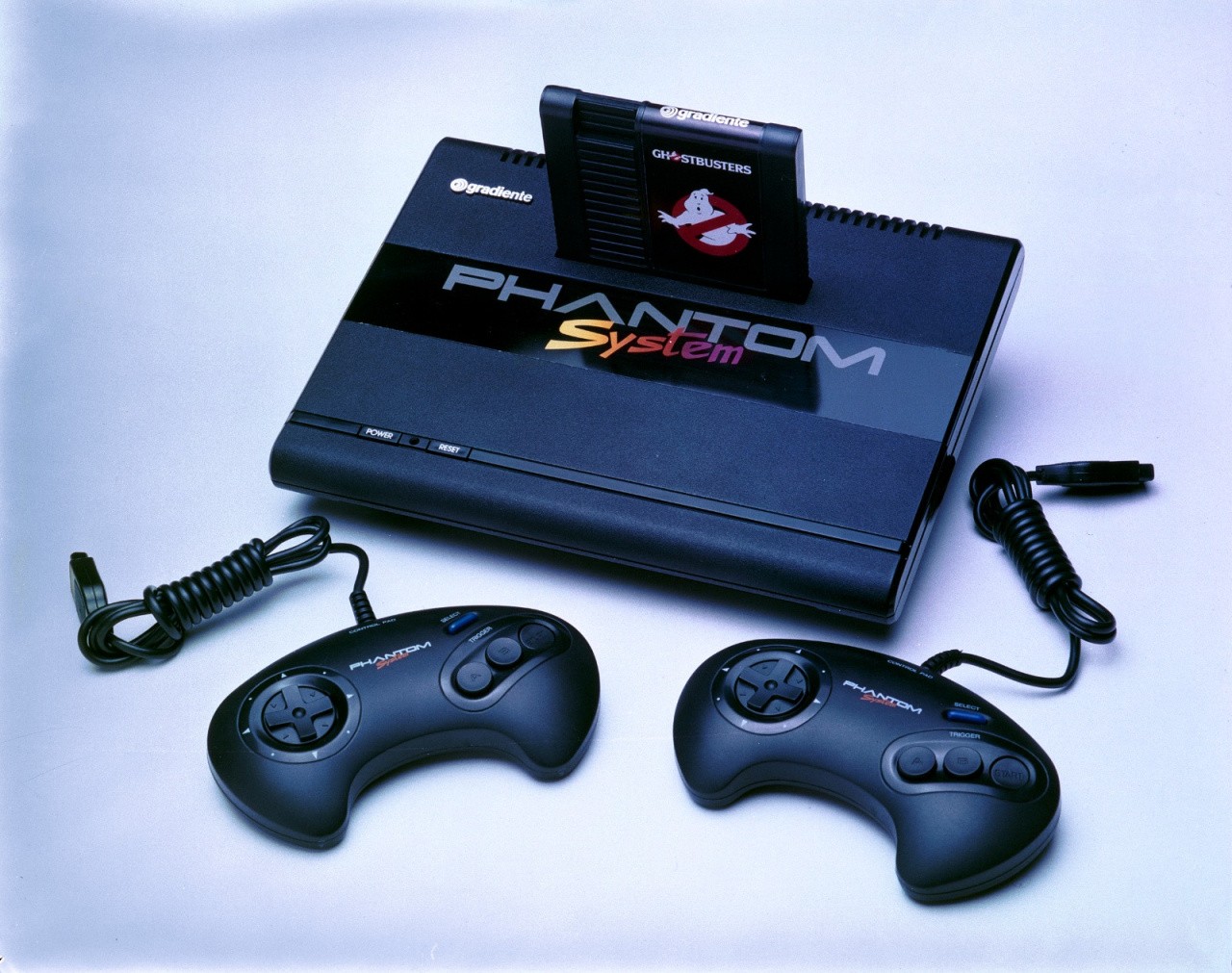
With market reserve policies leaving this Nintendo-shaped hole in the country, it was only a matter of time before Brazilian manufacturers began to take notice and try to reverse-engineer their own versions of the consoles to fill the gap. As Miyazawa explains, this led to a number of clones being produced, including Gradiente's own Phantom System, a "Frankenstein's monster"-like device that featured the shell of the Atari 7800, controllers modelled after official Sega hardware, and the ability to play Nintendo games.
"Phantom System was the best-selling clone in Brazil," says Miyazawa. "They did the whole project in six months, and it was amazing, because it was a better Nintendo 8-bit than the original.
"You may be wondering, though, why they didn't try to release it officially as they did with Atari? And the truth is, they did. Gradiente did try to make things official with Nintendo. But Nintendo didn't want to. They said, 'No, it's too hard to do business with you guys; it's too expensive.' Gradiente had a big plant in Manaus, in the middle of the Amazon, where they produced the Atari and wanted to build the console here in Brazil to make everything cheaper. But the Japanese said, 'No way,' and the Nintendo clones started taking off in 1989.
"Coincidentally, it was around the same time that Tectoy, a small electronic toy company, was also talking to Sega, with a similar plan for its Sega Master System, which led them to release that console in Brazil in 1989."
One of the interesting things about the presence of these clones, as well as Tectoy's decision to release the Master System, is that it meant Brazil had its very own version of the console wars happening elsewhere in the world. However, as Miyazawa points out, only Sega had any official representation in the country, with most Brazilians being more familiar with the names of the clones than with Nintendo itself. It would only be a matter of time, though, before that began to change, thanks to Brazil's border with Paraguay, the growth of video game rental stores, and the emergence of Brazilian game mags.
The SNES Arrives
Rental stores (or "locadoras") in Brazil, according to Miyazawa, were places where players could either pay to "rent" a game to play in-store or take it home without paying the full price, which was typically beyond an average person's wage. Their precise year or origin appears to be a source of debate, but, as Miyazawa notes, by the early 90s, they were becoming increasingly popular, thanks to not just stocking official releases and clones, but imported goods from other parts of the world, which were typically brought in via Brazil's border with Paraguay.
"Before rental stores, we didn't have a place to go when you wanted to talk about games or see what's happening," Miyazawa says. "We didn't have any gaming-specific magazines, for example. In the '90s, it became the place to be if you wanted to be a gamer or to know what was going on. That's because the guys who worked in these rental stores typically knew how to get all the latest releases from Japan and elsewhere."
"So, to give a recap. In Brazil, at that time, gaming was essentially divided into a few different parts. The official part through Tec Toy & Sega, the clones through these big electronic companies, and imported goods from Paraguay," says Miyazawa. "If you wanted the new games which were being released in Japan or the US, you could go to Paraguay, and there was this border that was like a free market city where you could just go, buy stuff, and then come back.
"Most of these rental stores would go to Paraguay on these long trips, where they'd just buy everything they could, before coming back. They would essentially bring it in under the rug, so to speak, because they didn't want to pay taxes, and they were praying the border police didn't catch them."
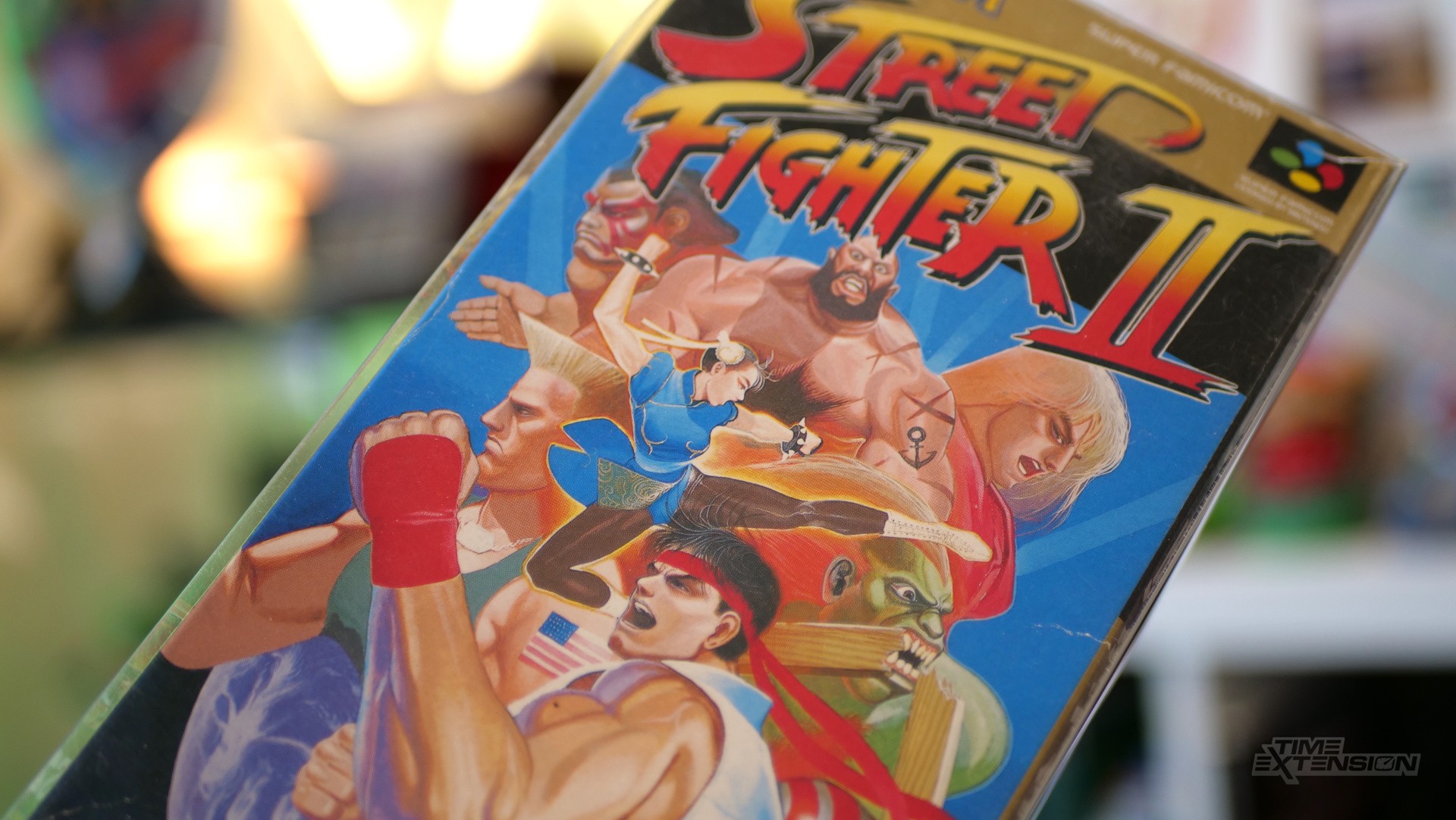
As Miyazawa recalls, it would be at one of these rental stores, shortly after the Super Famicom's release in Japan in 1990, that he would personally get to play Nintendo's 16-bit console for the very first time, prior to its official release in the country, and where he would also experience Street Fighter II: The World Warrior SNES, on the same day as its Japanese release, two years later, in 1992. These stores ended up exposing more Brazilians to what was happening beyond the country's borders, including alternatives to the 8-bit clones and the official Sega hardware they were already familiar with.
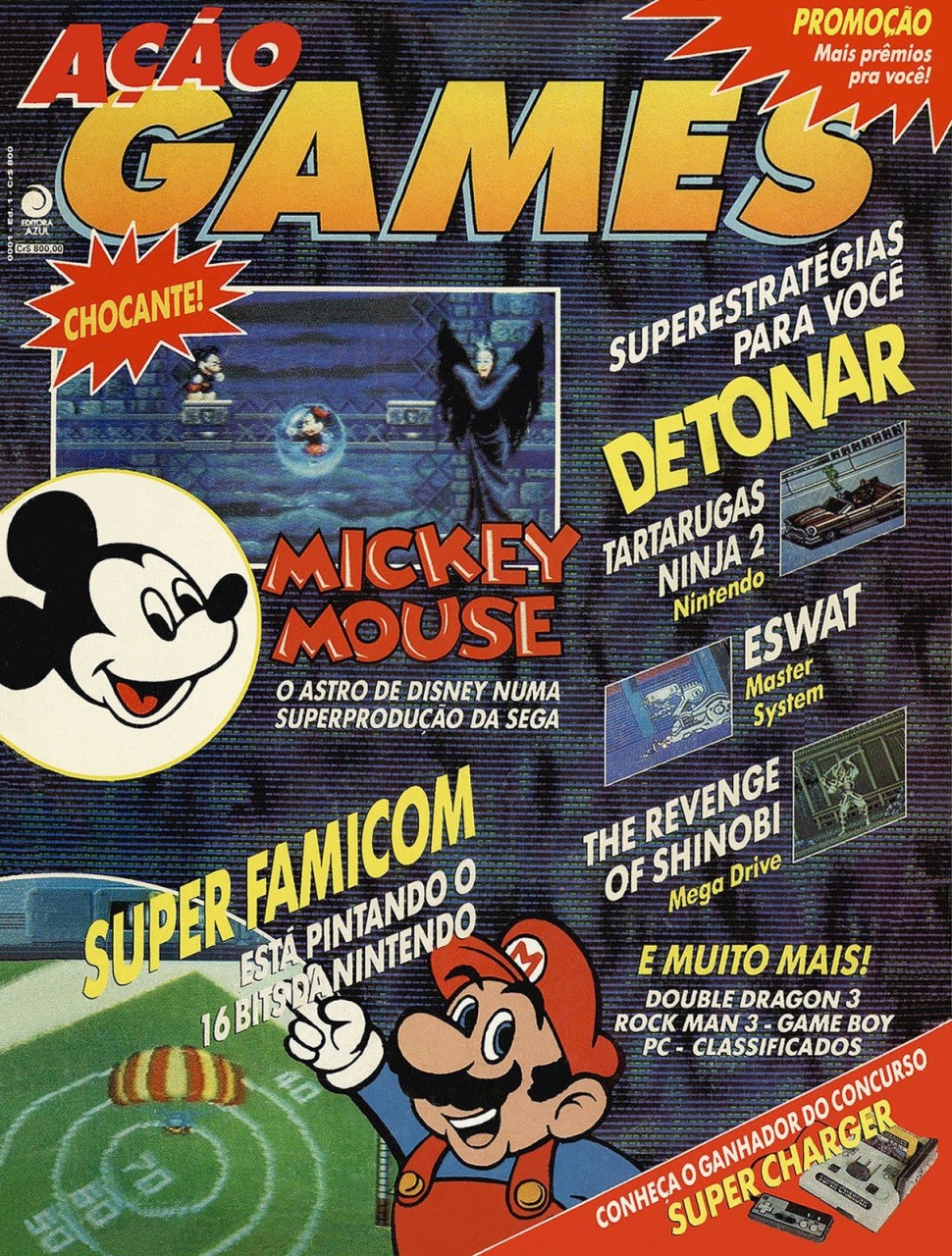
With the growing popularity of rental stores and the increasing demand for video games nationwide in the early 90s, Miyazawa states that several media publishers began to take notice of the growing appetite for information about new and upcoming titles around this time, leading to the formation of some of the country's earliest known video game magazines; magazines such as Editora Azul's Ação Games and Sigla Editora Ltda's Video Games. These didn't just cover official Sega products, but also what was happening elsewhere with the Super Nintendo.
The excitement for gaming in Brazil was reaching "a fever pitch," but behind the scenes, Nintendo and Gradiente still seemed to be at an impasse in their negotiations. That is, until another company, Estrela, was brought into the equation, which helped to move the deal forward and give Nintendo the reassurance it needed. And so it was that in 1993, Gradiente and Estrela reached a deal with Nintendo and founded a joint venture called Playtronic to create an official channel for Brazilian gamers to access Nintendo products, starting with the SNES, and moving on to the Nintendo Game Boy, NES, the Virtual Boy, and the N64, over the next three years.
Understandably, as you can imagine, this deal signalled the end of Phantom System, as well as the discontinuation of any other unofficial Nintendo products sold by Gradiente in the region.
Enter Playtronic
Looking at these events, you might be wondering why Nintendo decided to enter the country, given that it was already years behind its biggest rival elsewhere in the world. But as Miyazawa explains, there was a clear logic to this decision.
"Nintendo was well behind in a way because they were here, but not officially," says Miyazawa. "When Nintendo officially released the Super NES here in Brazil in September 1993, there were people who already had access to a Super Nintendo or had been playing it for two years, because they were late to the party. But you also have to remember that video games were something that only the high classes in Brazil could afford.
"We had a low minimum wage here. So you can imagine that, for a lot of people, a high-end video game console would have been worth at least one or two minimum wages here. It was so expensive. So it was a toy for the elite. It was very hard for the general public to get their hands on it. So, when Nintendo started in Brazil, there were still millions of people who had never played Nintendo, so it made sense for them to come here in 1993 and try to sell the Super NES and the Game Boy, which were already going out of style in the Northern hemisphere, because lots of people had still never heard of it and there was lots of potential room to grow."
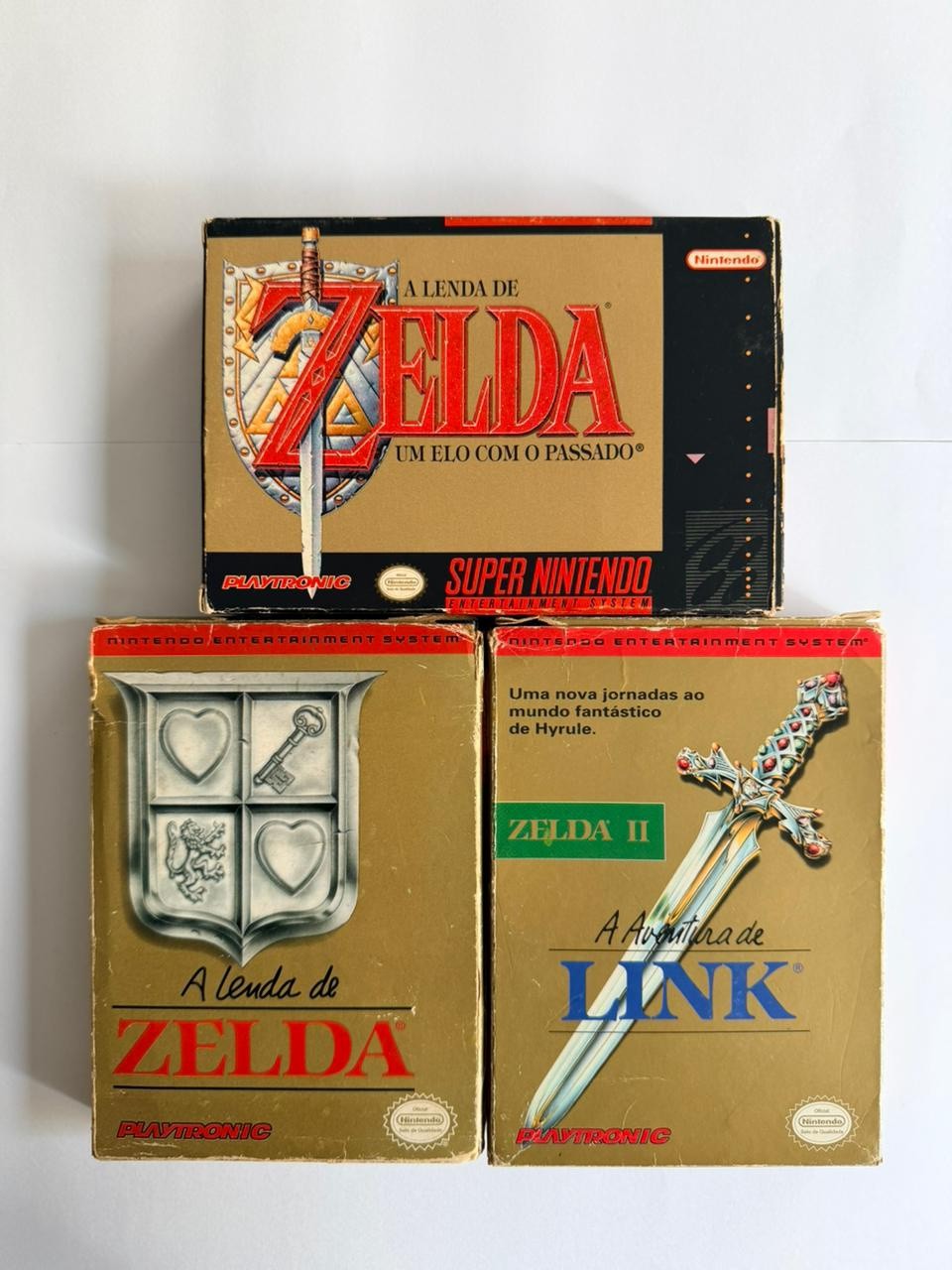
In bringing the SNES to Brazil, Playtronic used the North American design but modified it to work with PAL-M TVs. As for the games, they were made available exclusively in English, with only the game manuals and boxes being translated. A few special titles, however, did receive a Portuguese title. This includes The Legend of Zelda: A Link To The Past (otherwise known as "A Lenda De Zelda: Um Elo Com O Passado"). The side effect of this is that many Brazilian kids actually learned English through games — Miyazawa included.
"I am one of these guys who learned English through gaming," he tells us. "And I know lots of people who can say the same who grew up in the 90s. These days, it's very easy for kids to speak English because of TikTok and YouTube. But back then, you had to be very passionate about learning a second language to play these games. You can imagine, for example, how dedicated people must have been to play A Link to the Past in 1993, when only 5% of the population spoke or read English."
In addition to handling manufacturing, another major responsibility Playtronic took on in introducing Nintendo was marketing, with the company taking a lot of inspiration from their North American counterparts. Over the space of a few years, for instance, it would launch its own hotline; put people in stores to demonstrate the games; and introduce a bi-monthly newsletter, called Hot Shots, in 1994, available to people who sent away cards, included with their games.
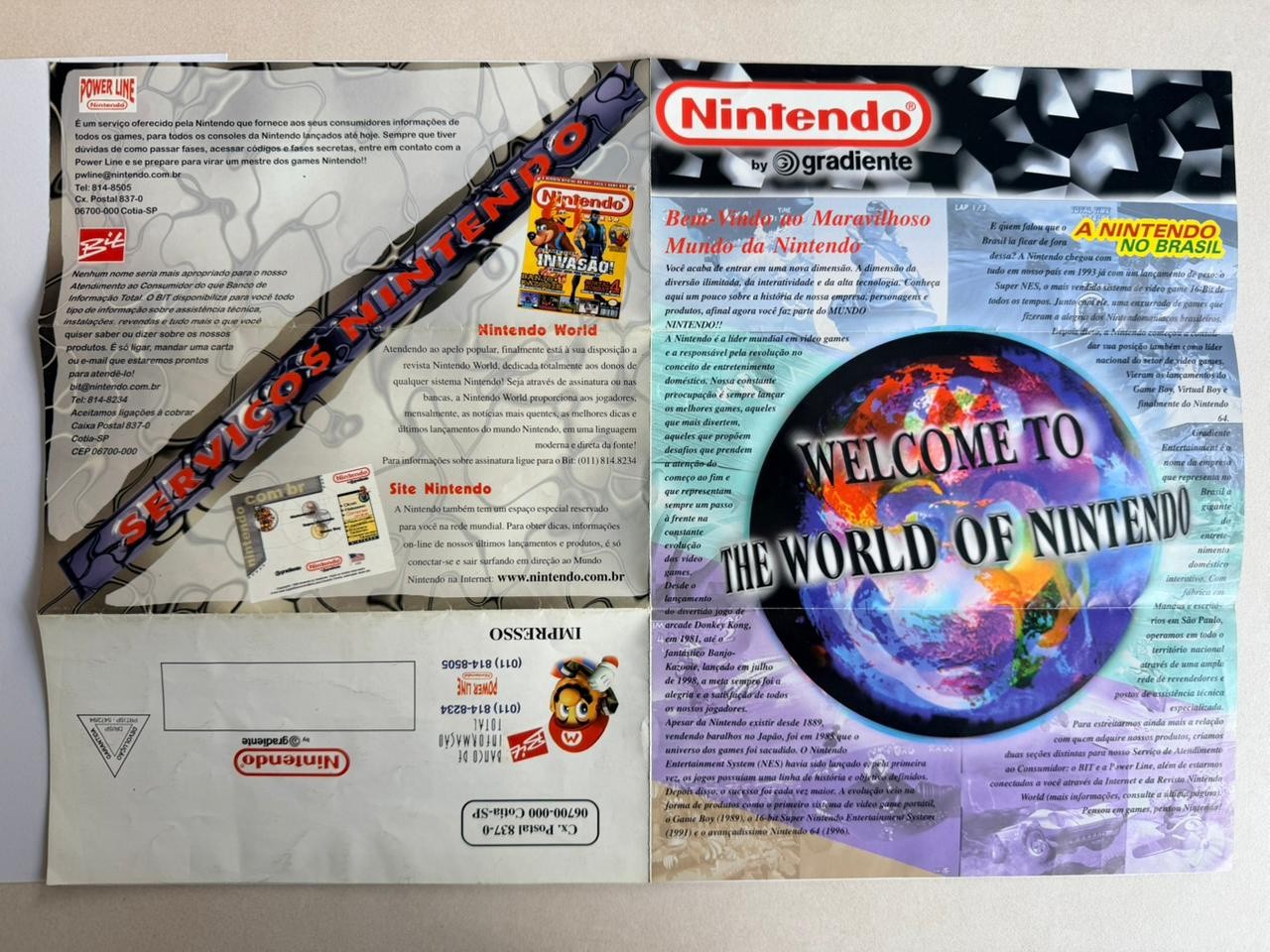
"Hot Shots was a little newspaper written by the game counsellors," says Miyazawa. "Who we called Power Liners. We wrote the tips and included things like 'Ask the Pros' and news on upcoming games, like an announcement that 'Donkey Kong Country 2 is coming'. The idea was that the guy who got this, who was reading it at home, would always be like, 'Oh, cool, there's something to look forward to.'
"So it was an amazing tool, but it was not enough. They started to realise, 'Okay, we need to reach more people', and that was how the idea of a magazine came about in 1998. That was roughly one year after Estrela pulled out of the joint venture, leaving the sale of Nintendo products to Gradiente alone."
Nintendo World, as this magazine was called, was launched in September 1998 by Gradiente and Conrad Publishing, a publishing house founded by André Forastieri, who had previously worked on the influential magazine Herói.
As a journalism student, Miyazawa moved from Gradiente to Conrad Publishing around this time, with his official job title being "staff writer". Initially, the idea was for the magazine to simply be an extension of what was being printed in Nintendo Power, but very quickly, Nintendo of America (who were consulted on the project), Gradiente, and Conrad all decided it was better to tailor the magazine more precisely to the market.
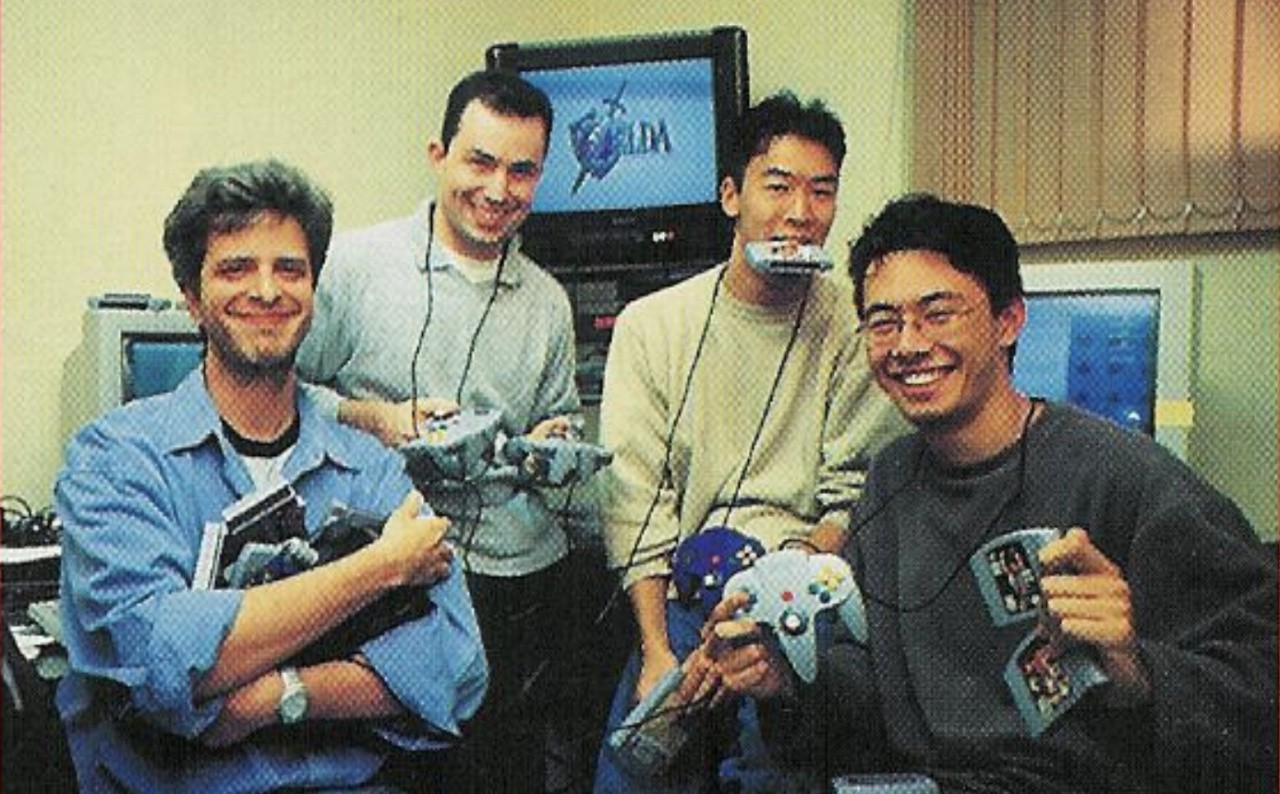
"Conrad got the rights to publish the Nintendo magazine in Brazil," says Miyazawa, "Which would be a version of the Nintendo Power magazine.
"But people here and people from Nintendo of America realised that you couldn't just translate the original magazine, you had to have the Brazilian flavour on it, or it would be a failure. So, that's why Nintendo World became a very different magazine from Nintendo Power. It became very much like the other magazine I mentioned to you, Herói. So, it was a bit crazy, and every page was very different from the others."
Nintendo World Magazine would run from 1998 to 2017, notably outlasting Gradiente's partnership with Nintendo, which ended in 2003 after Gradiente exited the video game market amid rising piracy and a decline in household spending. Since 2003, fans of Nintendo haven't exactly had an easy ride in the country, with subsequent consoles often subject to high prices and other frustrating restrictions on downloading games, due to these machines being imported rather than produced locally.
Speaking to Miyazawa, though, it's clear there are still people in the country who have deep nostalgia for the brand, and he hopes they will pick up his book when it is eventually made available later this year.
If you're interested, you can find out more about the Nintendistas project here.