
 by
by 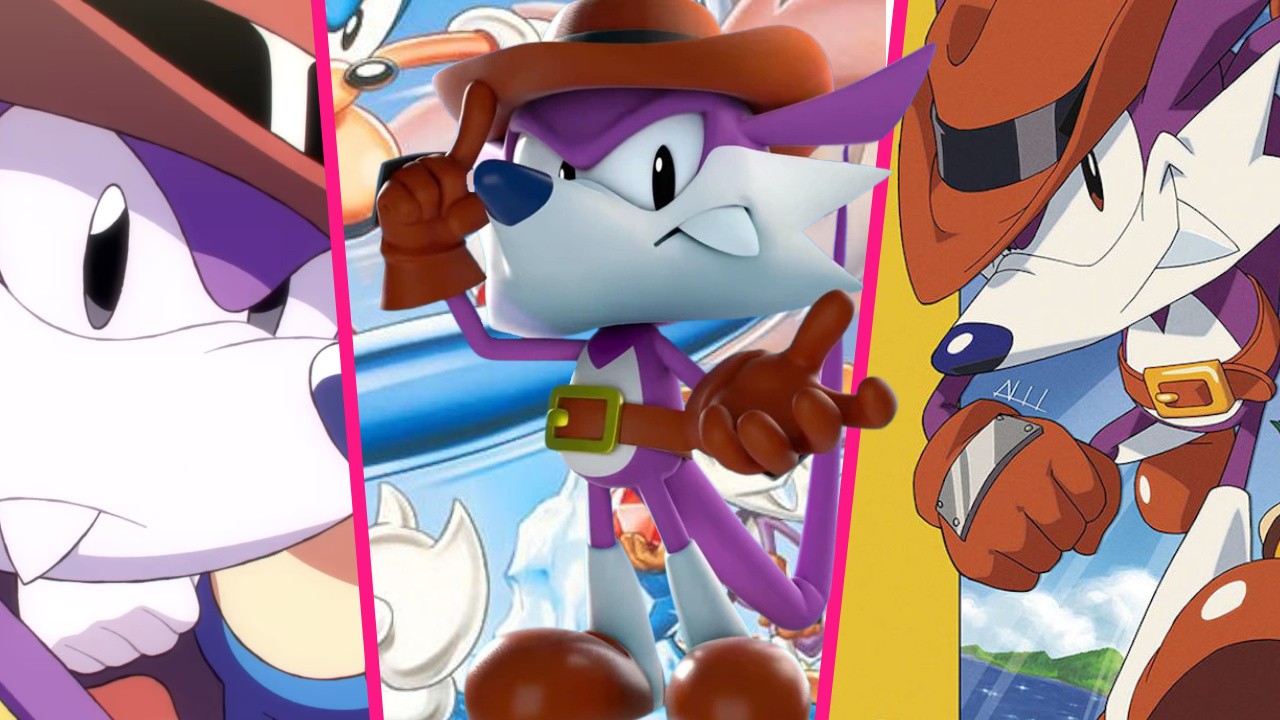
Arguably, no one is a bigger fan of the Sonic character Fang the Sniper than its creator, Shinichi "Touma" Higashi.
Despite leaving Sega in 2001 and embarking on a successful career as a toy designer (where he's continued to create popular designs such as the incredibly popular Knuckle Bear), he's never stopped loving the mischievous bounty hunter that originally debuted in the 1994 Game Gear game, Sonic the Hedgehog Triple Trouble. Even today, he still affectionately refers to the character as his "firstborn" and continues to collect and import as many Fang-themed items as he can. Though he still feels like he never has enough and says he is always on the lookout for new merch from Sega to get his hands on.
Last year, as you may already be aware, after decades of carving his own path post-Sega, Touma ended up collaborating with the Japanese giant once again for what he called "a very emotional" project, producing a beautiful set of new toys based on Sonic Mania Plus and Sonic Superstars (released exclusively in Japan). This included, among other things, a new Touma-designed 3D figure based on Fang.
For Sonic fans, it was a nice, feel-good story, representing Touma's return to the world of Sonic for the first time in decades, but we couldn't simply leave things there. As a result, we reached out to Touma earlier this year to see if he would answer some of our questions about working on the Sonic series, what influences have been particularly important to him in finding his own style, and why he decided to leave Sega to pursue a career in toys.
In response, he was kind enough to give us an insight into all of the above, sharing his love of Bruce Timm's Batman: The Animated Series, his early obsession with Sonic (and why he initially assumed it was an American creation), how health issues pushed him away from game development, and how his new career paved the way to a touching reunion.
Time Extension: To start, we're curious, who were some of your biggest design heroes growing up? Was there anyone whose work you found particularly helpful while you were developing your own style
Touma: Like many children who grew up in Japan, I watched a lot of tokusatsu shows such as Ultraman, Kamen Rider, and Goranger. I grew up in Fukuoka, Kyushu, where Tom and Jerry was repeatedly rebroadcast on television. Through that, I naturally developed an interest in American characters.
When I was in university, Batman: The Animated Series began airing in Japan, and it had a huge impact on me. At the time, there was no internet, so I couldn’t research much about it, but I believe I was greatly influenced by Bruce Timm’s work. What appealed to me about his style was the way his lines were simple, yet highly stylish, without relying on overly complex construction. I felt that his work had a sharp, edgy quality and a strong sense of surface composition that connects closely with art toys.
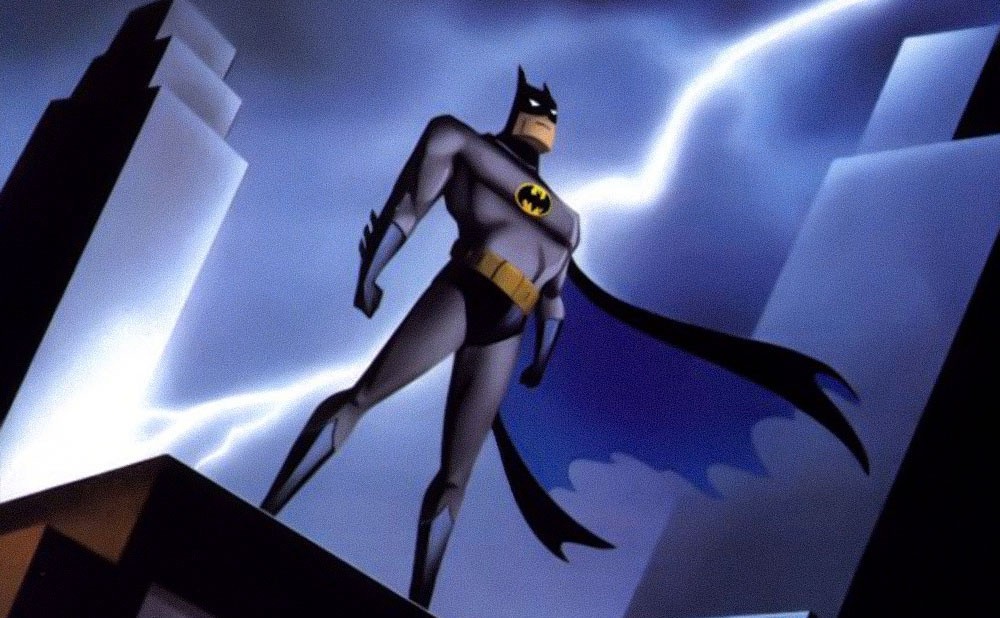
Rather than continuously adding elements and making designs more complicated, he practiced the very difficult art of “subtraction.” By removing unnecessary elements, he was able to create characters that were simple yet extremely convincing. That approach was something I truly admired.
Time Extension: I read that you took a visual design course at Kyushu Sangyo University. By that point, had you already become interested in designing your own characters? Did you ever think you’d eventually pursue a career in games?
Touma: At that time, I had not yet developed any original characters of my own. I was doing my best just to copy and study existing characters. During my university years, I encountered Sonic the Hedgehog. Although my father was very strict and I was not allowed to own a game console, I was strongly attracted to Sonic whenever I saw the game being played on monitors in game shops.
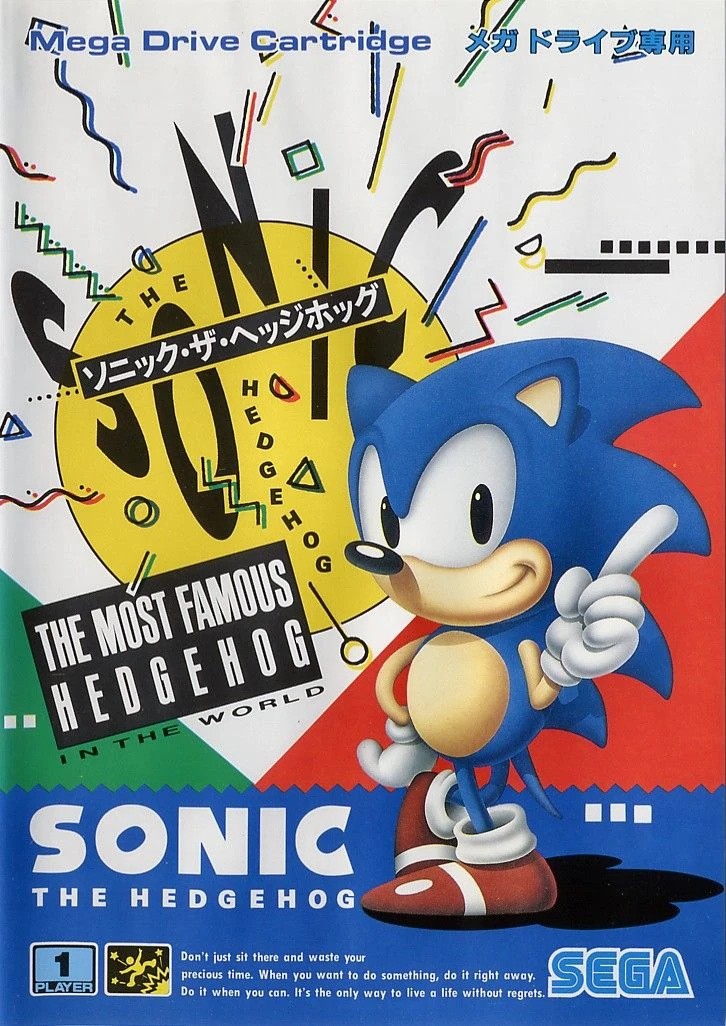
[Looking at the game], I believed that the person who designed Sonic must be American, and I thought that if I ever had the chance, I wanted to work under that person and learn as much as possible. With that goal in mind, I decided to take the entrance exam for Sega.
Time Extension: It’s interesting to hear you say you were a fan of Sonic before joining Sega, and you thought it was an American game. What was it about his design that made you think he was an American creation?
Touma: I was from a fairly rural area at the time. There was no internet back then, so I would go to large bookstores in the city and look at books about Disney and Hanna-Barbera. I came to associate refined, sophisticated character designs with American creators. Sonic looked very polished—he wore gloves and large red shoes—and I felt he shared something in common with Disney characters.
Time Extension: In 1991, you got your first job in the games industry at Sega. How did you end up working there? Had you applied to any other game companies at the time?
Touma: Sega was the only company I applied to. Although I attended information sessions for other companies, my desire to work with the creator of Sonic was so strong that I never seriously considered applying anywhere else.
Time Extension: Did you ever meet any of Sonic's creators after joining Sega, like Yasuhara-san or Ohshima-san? Did you ever get to work together on any titles?
Touma: I believe Mr. Yasuhara moved to the United States shortly after I joined the company. When he returned to Japan, he once noticed a large Buzz Lightyear toy from Toy Story on my desk and started talking to me about it. At the time, it had not yet been officially released in Japan, and I had purchased it at a high price from a parallel import shop. Later, when I was working as a freelancer, he contacted me—probably through Facebook—and said, “So you’re the one who designed Knuckle Bear!” We later had dinner together in Los Angeles.
I also worked directly with Mr. Ohshima, and I learned a great deal from him. We collaborated on projects such as NiGHTS and Burning Rangers.
Time Extension: Fang the Sniper is the character you are arguably most known for overseas. Was that the first character you designed for a commercial project? How did the team settle on a jerboa as the character’s species? Did that design take a lot of revisions to get right?
Sidenote: Earlier versions of concept art online seem to feature the character with a slightly more realistic gun than the pop-cap gun he has in official art. Was this changed for any specific reason?
Touma: Fang was quite an unfortunate character, as he did not appear in the main storyline very often. For many years, I believed he was a forgotten character that nobody really knew. Only recently did I learn from overseas fans that he was very active and popular in the comics.
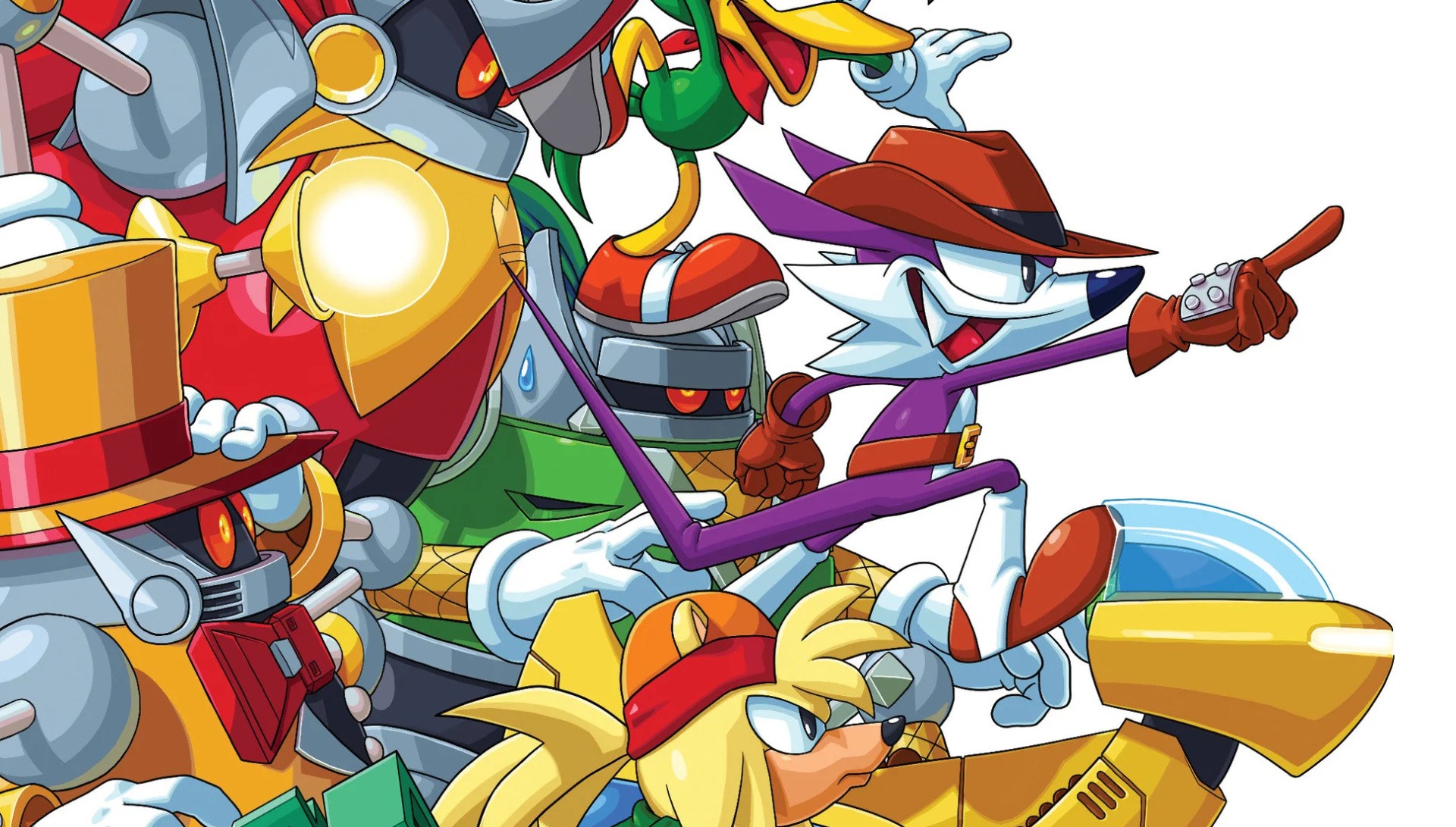
Although he was not the first character I worked on, he appeared in major titles and had well-developed settings, so I feel like he is my “firstborn” in a sense. In the original design, he had large feet and was about one animation cell smaller than Sonic. His initial motif was a jerboa. There were many different designs before the final version was decided. Because his personality and background settings were changed along the way, his appearance and even the shape of his gun [like you mentioned] were also modified.
Time Extension: You mention that Fang’s personality and background were changed quite a bit, and that this informed the design changes. Can you share how his personality changed? Was he originally more fierce or threatening? Is it true that Tadashi Ihoroi was responsible for designing the character's personality and backstory?
Touma: At first, I believe Fang was intended to be a purely villainous character. His appearance was more gang-like, and his gun had a slightly futuristic design. However, around the same time, Knuckles was being introduced in Sonic 3, which was being developed in the United States, and I think this led to a change in direction.
Although Fang looked cool, he was gradually redesigned into a clumsy, impatient, and somewhat foolish character—someone who was charming and impossible to hate. All of his personality and background settings were handled by Tadashi Ihoroi.
Time Extension: The character has obviously gone on to have a life beyond your own involvement with the company. How does it feel to see Fang still being utilised today and people still creating fan art of your original design?
Touma: I view Fang almost like a fan myself. I think I might be his biggest fan. I have personally imported a large number of figures and plush toys from the United States. Even now, I still feel I don’t have enough. I would love to see more figures made.
Time Extension: In the early 2000s, you became a designer of vinyl toys. I’m curious, what inspired you to make that change?
Touma: The turning point was a doctor’s warning. I was told to stop doing work that required constantly looking at monitors. After years of working with pixel art and then detailed polygon modeling, the strain on my eyes became severe and started causing headaches. I was told that if I continued, I might not even be able to maintain a normal life.
So I began creating original characters by sculpting them in clay, focusing on work that did not strain my eyes. Through that activity, I was approached by a company in Hong Kong, which led me into the world of vinyl toys.
Time Extension: What is the process like from initially coming up with a toy idea to seeing it manufactured?
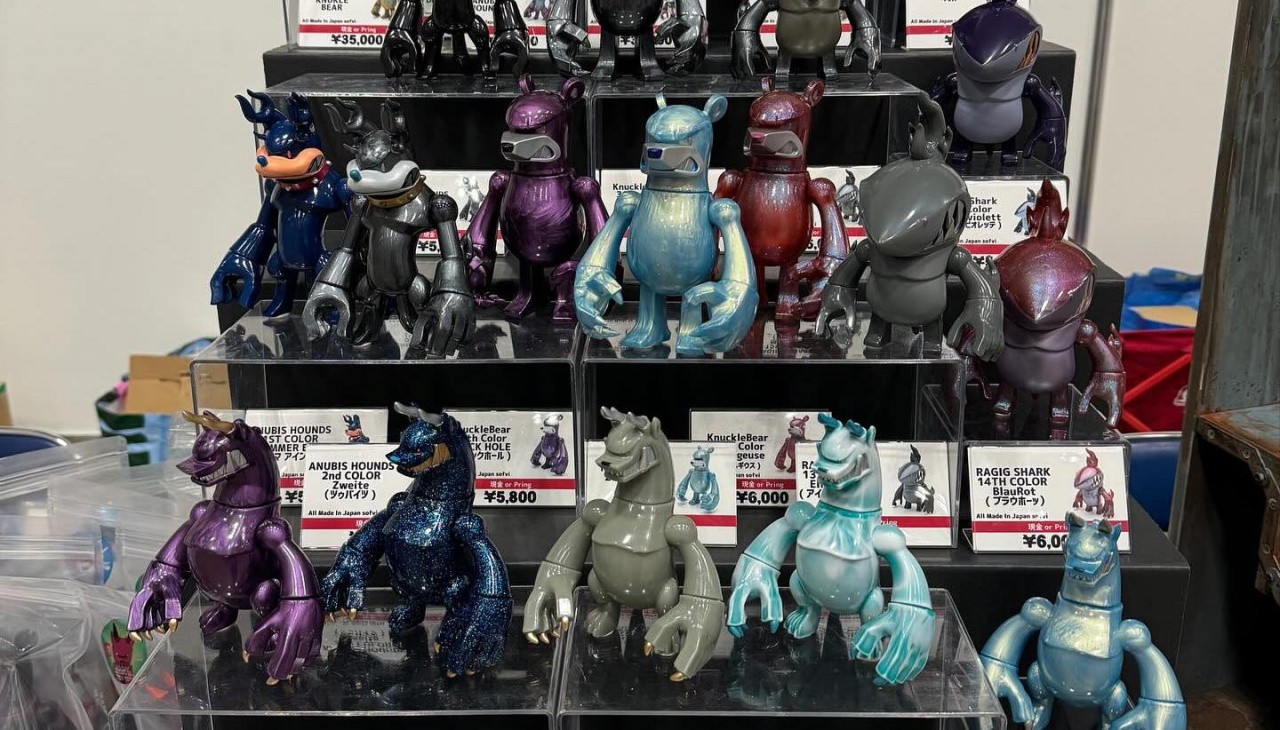
Touma: I have a huge number of ideas, so I start by turning them into rough sketches. Then I refine them, create 3D models, output them using a 3D printer, and make fine adjustments to complete the master prototype.
Time Extension: Is there a central philosophy that guides your work today? Are video games still an influence on your work?
I am greatly influenced by games, animation, films, manga, and also the works of my friends and colleagues. I always try to keep my “antenna” up and stay open to new things.
Time Extension: I’m curious, I’ve noticed you wear a mask in some of your public appearances and on social media. Is there any particular reasoning behind this? Is it related to wanting people to know you by your work first and foremost?
Touma: When my children were still very young, someone once asked me for an autograph and a handshake while I was shopping at a large retail store. I became concerned about my children’s privacy and safety, so I started wearing a mask in public.
Time Extension: Your mask is similar to your design for Knuckle Bear, which I’ve read is one of your first-ever vinyl toy designs. How did you come up with the concept for Knuckle Bear? Did you expect it to get as popular as it did?
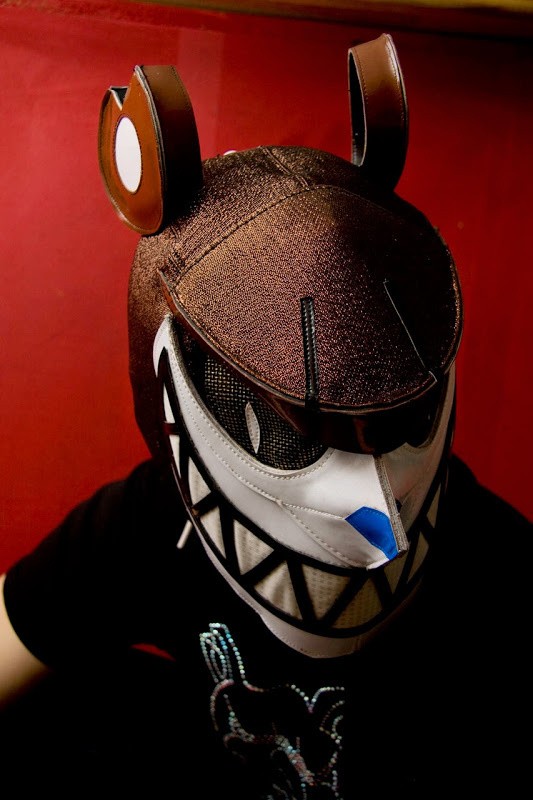
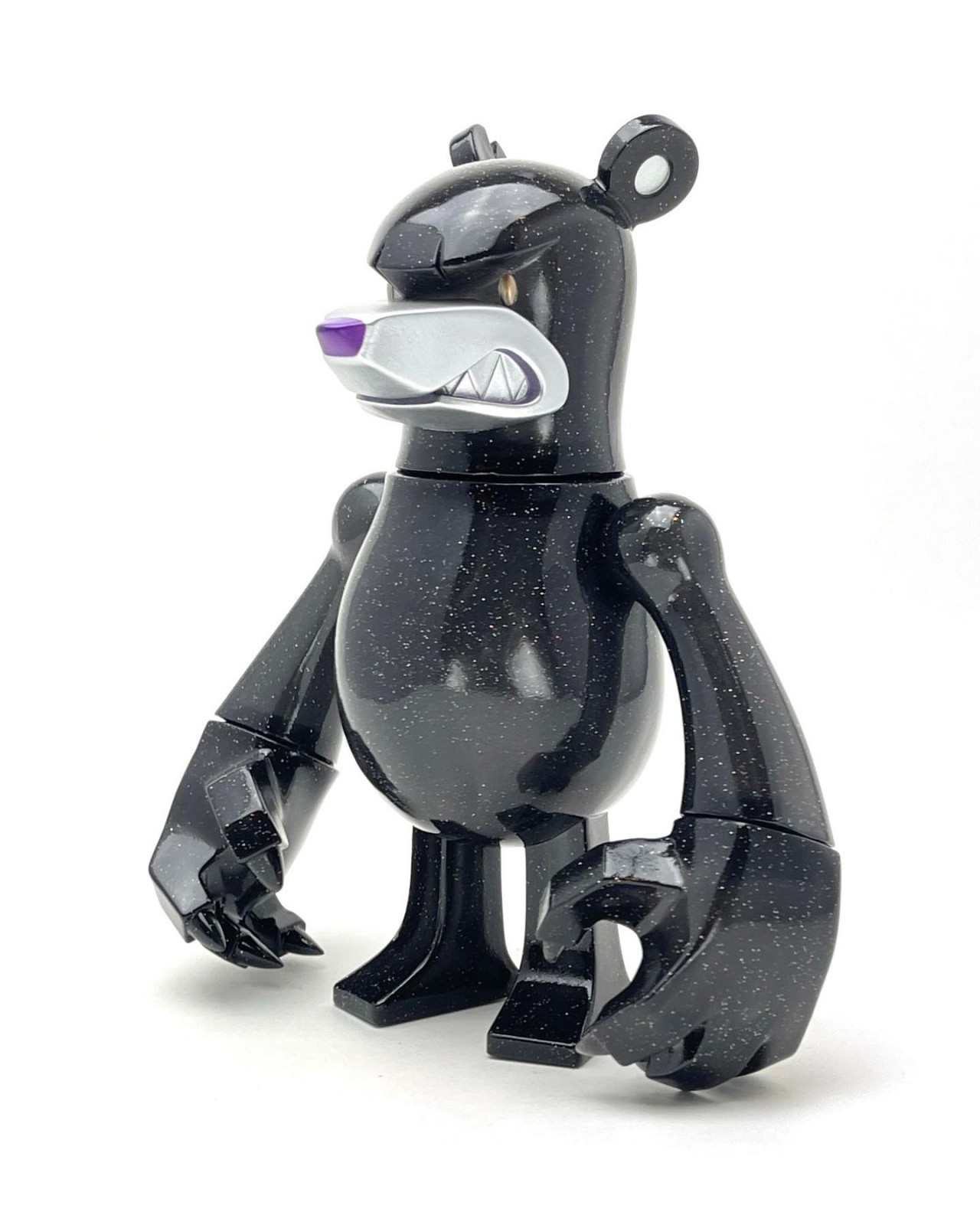
Touma: Yes, the mask I wear is indeed Knuckle Bear. It was the very first character I ever turned into a sofubi figure. The original concept was inspired by a character from Japanese folklore. There is a story about a boy named Kintarō, who lives on Mount Ashigara and wrestles animals, even throwing a giant bear. I found it ironic and unrealistic that a child could overpower such a large bear, so I created a three-dimensional work based on that idea.
When I first presented the piece, it showed an enraged bear overpowering a boy. At the time, I was working with the president of an art toy company in Hong Kong. After seeing the piece, he suggested that we remove the boy and turn only the bear into a sofubi figure. That is how Knuckle Bear was born. This is why his face looks furious and why he appears to be gripping something with his large claws.
Although I have designed many characters, I still feel that I have not created anything more popular than Knuckle Bear. It was released around 2004, and I traveled to many countries with it, holding signing events. Even now, I do not fully understand why it became so popular. Perhaps it stood out simply because there were not many artists creating animal-based characters at the time.
Time Extension: You’ve worked with a bunch of licenses over the years for your toy work, including Sonic, Star Wars, Ultraman, Alien Vs. Predator. The list is endless. What has been the favourite license you worked with?
Touma: Among my licensed works, the recently released Sonic figure is especially meaningful to me. I planned the project myself, redesigned the character, and created the prototype. It is a product I feel very strongly about. During the supervision process with Sega, I often communicated with people who had once been my superiors, which made the experience very emotional and meaningful for me.
Time Extension: Finally, is there any way for people overseas to view or buy your toys?
Touma: In the United States, my works can be purchased at QPOP Shop in Los Angeles and at 3DRetro in Las Vegas. In addition, because of the current weak yen, overseas customers can also purchase directly from the TOUMART online shop.
Time Extension: Thank you for answering our questions! We appreciate you taking the time to talk to us.