
 by
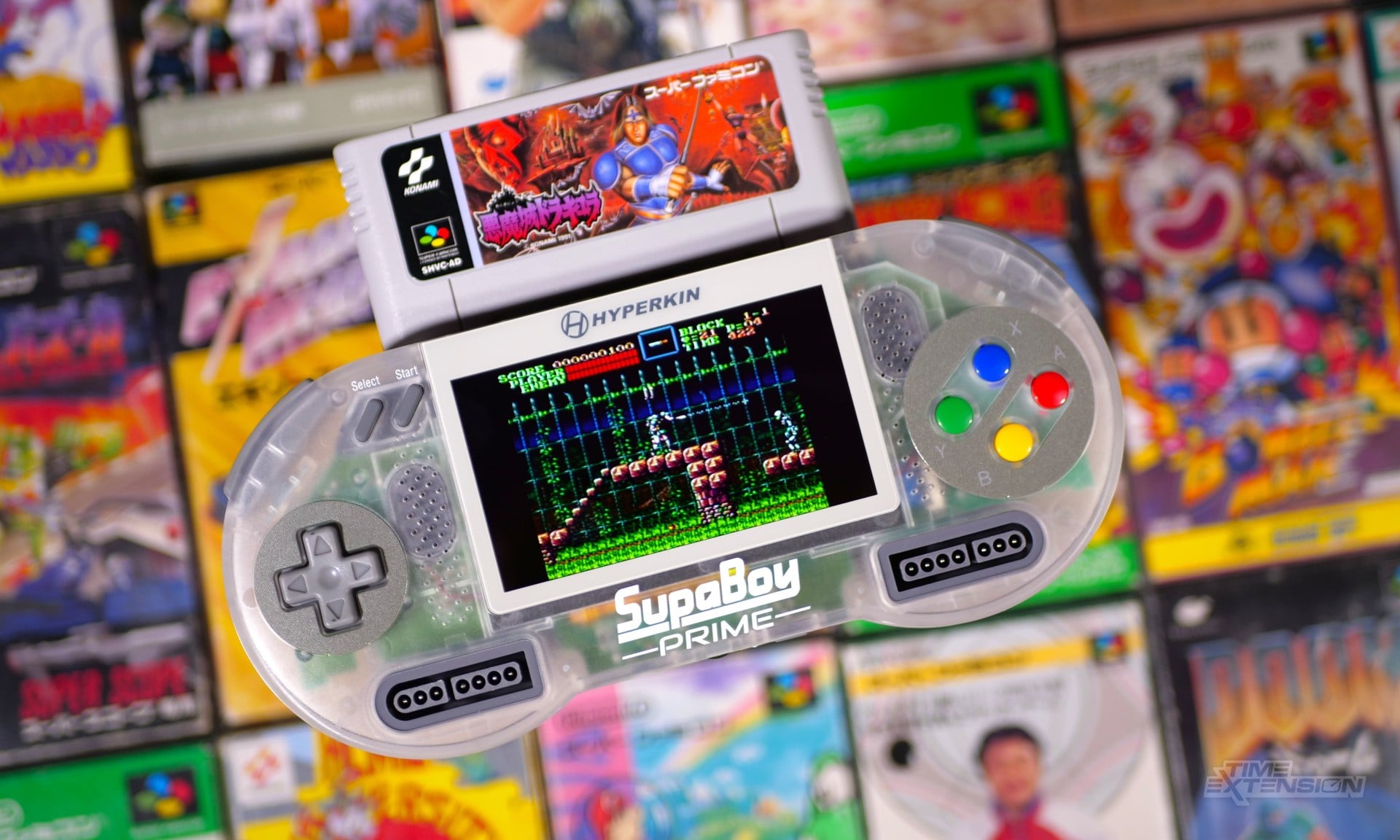
You'll have to forgive me if I feel intense déjà vu during this review, because this is the fourth time I've reviewed Hyperkin's SupaBoy system, essentially a portable SNES that plays original cartridges.
The first model launched all the way back in 2012, and came with a 4:3 screen. Hyperkin followed this up in 2016 with the SupaBoy S, which boasted an "improved" 16:9 display which sadly stretched the image. In 2018, the company refreshed the lineup again with the SupaBoy SFC, which not only introduced Super Famicom / Euro SNES-coloured buttons but also added a toggle allowing you to switch to a 4:3 aspect ratio (even though the screen remained 16:9).
Fast forward to the present day, and Hyperkin has revived this family of handhelds with the $129.99 SupaBoy Prime, and, if you've been paying studious attention to the evolution of this particular device, you'll no doubt assume this to be an iteration rather than a major upgrade – and you'd be bang on the money.
Hyperkin Supaboy Prime Review: The Same, But Different
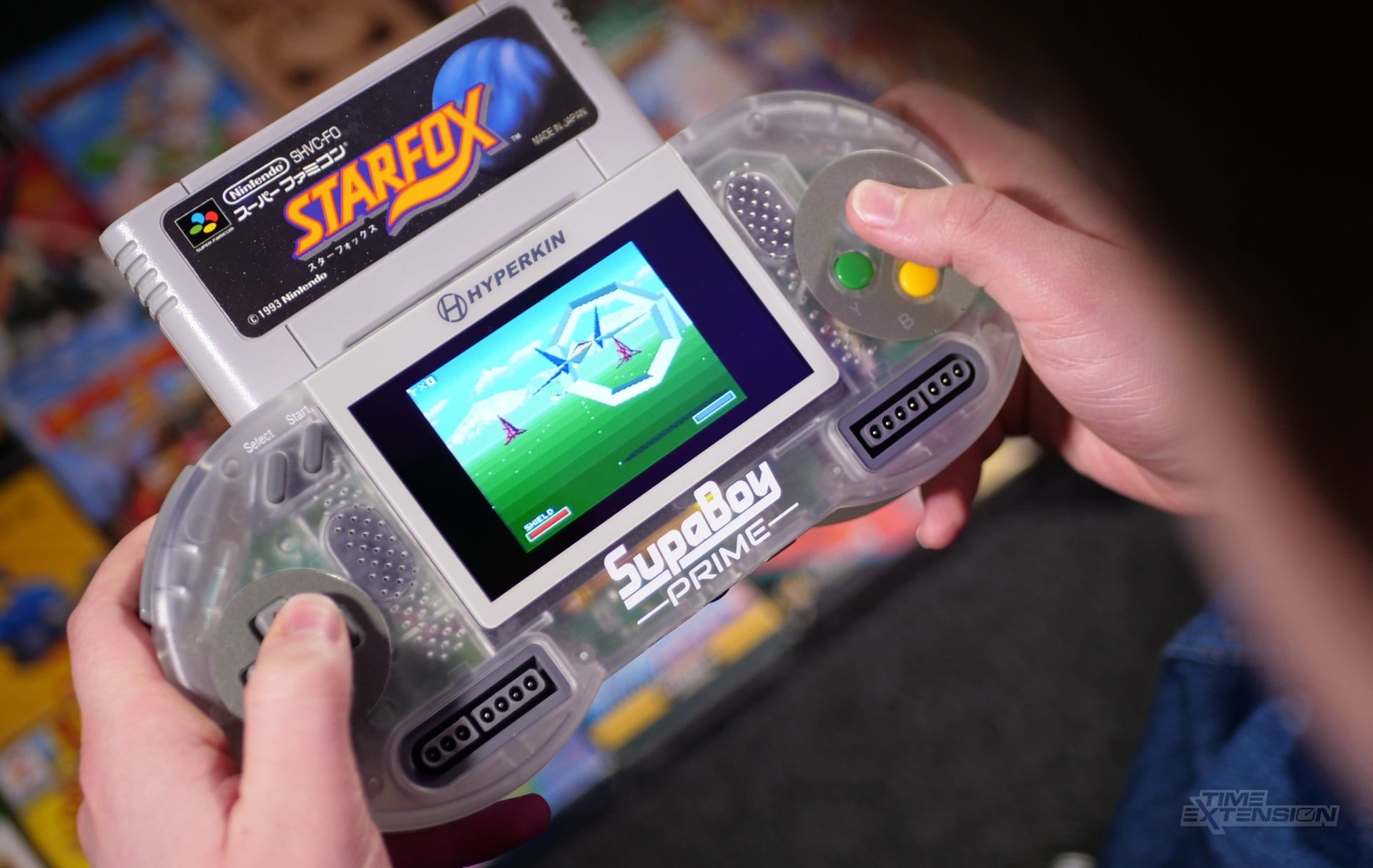
Before we dig into what's different, let's first summarise what the SupaBoy Prime is. It's an almost comically unwieldy and bulky device with a 16:9 LCD screen, authentic SNES-style controls, AV-out, a rechargeable battery, and two built-in controller ports so you can use your original pads. It accepts games from all regions, and the NTSC/PAL toggle lets you bypass lockout issues.
The single biggest change with the SupaBoy Prime, as far as I can see, is the screen. It's still 16:9 (I suspect it's a repurposed smartphone screen – sadly, nobody makes 4:3 panels anymore) and the image quality remains highly suspect (even more so in 2026), but the good news is that the viewing angles have improved dramatically when compared to the SupaBoy SFC. On the 2018 model, tilting the console even slightly would cause the colours to distort and darken, but the SupaBoy Prime has rock-solid viewing angles – a big improvement.
It's a shame, then, that the overall quality of the image itself remains largely unchanged. Don't expect pin-sharp, pixel-perfect visuals here, as you'd see on the Analogue Pocket or an Anbernic device; the image has a muddy, indistinct quality, like you're viewing the action through a composite connection on an LCD TV. It's reasonably bright, at least, but the colours look drab and uninspiring, even if they have a modicum more punch than on the previous model.
The fuzziness isn't a fault of the screen itself, I suspect, but rather in how the internal hardware outputs the image signal to the panel. For this to still be an issue after multiple hardware revisions suggests that Hyperkin has been using the same basic internals for all of its SupaBoy consoles.
I complained of a human hair being present underneath the protective screen of my SupaBoy SFC back in 2018, and while there was no repeat this time around, I have spotted particles of dust between the LCD screen and the front panel – another worrying lapse of quality control on Hyperkin's part.
I was a little more forgiving of this shortcoming with earlier models of the SupaBoy, but things have changed in the years since, and for Hyperkin to release a handheld with a screen of this standard in 2026 is borderline insulting. The same can be said for the sound; the stereo speakers are weak and lack bass, and don't appear to have been updated over the previous models.
Hyperkin Supaboy Prime Review: Emulation & Portability
On a more positive note, the emulation is decent, and games perform well enough (save for some occasionally odd-sounding audio in certain games); there are no serious latency problems. Games feel snappy and responsive, and the controls are excellent – I especially like the D-pad on this device.
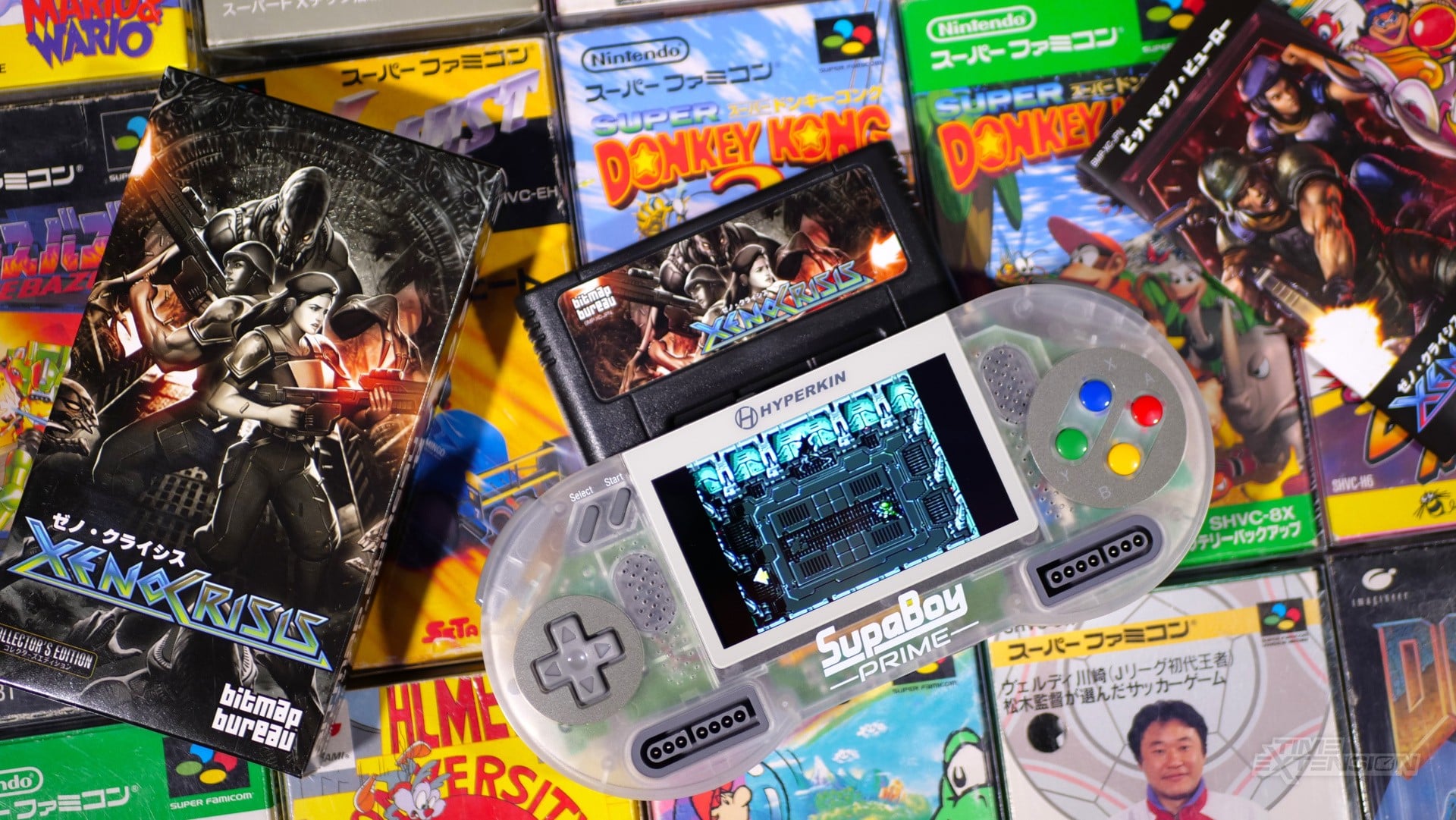
The SupaBoy Prime (like its forerunners) can run Super FX games, the Super Game Boy adapter and modern-day flash carts perfectly fine. It will even play aftermarket titles like Xeno Crisis with no issues. While the carts protrude quite dramatically from the top of the unit, I wasn't able to cause a crash by shaking the device during use – an issue that Hyperkin nailed with an earlier revision of the SupaBoy, thankfully.
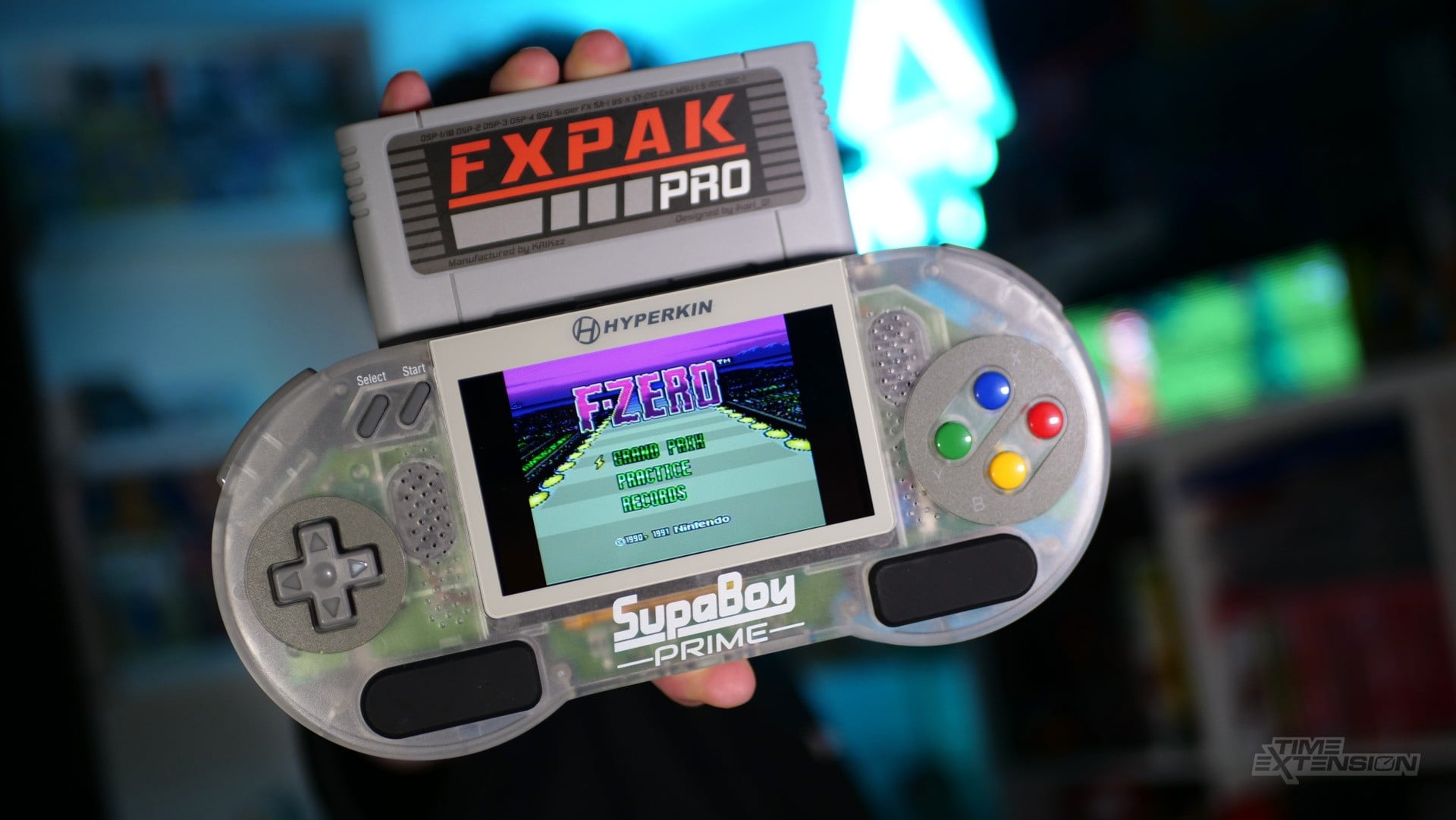
I tested a wide selection of games both on cartridge and via the FX Pak Pro, and didn't encounter any that refused to load (that doesn't mean that the SupaBoy Prime has 100% compatibility with the entire SNES library, of course, and should I come across any titles that don't play nice, I will update this review).
The jury is still out on whether or not this should even be considered a 'portable' device, however; it's both massive and thick, so you can shelve any notions you might have harboured about this being a pocket-friendly device – unless you happen to be MC Hammer's housemate and have easy access to a pair of his baggy trousers.
And that's before you even place a cartridge in its slot; with one inserted, the SupaBoy Prime becomes even less mobile, which means you'll probably end up playing it mostly around the house rather than taking it on the road (this was true of previous SupaBoy models, of course).
Otherwise, what we have here is almost identical to the SupaBoy SFC, save for the fact that the charging port has been upgraded to USB-C, which is nice, and Hyperkin has included two rubber covers for the controller ports to protect them from dust when they're not in use. Oh, and the two new case designs feature transparent plastic – which, I have to admit, looks rather swanky.
The AV-out functionality remains stuck in the past, however; it uses a 3.5mm jack and a composite connection, which most modern TVs won't accept unless you have an upscaler handy (and even then, you're looking at pretty dismal results). At the very least, I expected HDMI output, but alas, that isn't the case.
Even the accessories that come in the box have largely been left the same – the cloth bag Hyperkin supplies to carry the device in is woefully inadequate when it comes to protecting from bumps and drops, but it does at least prevent the screen from getting scratched in transit. If you're serious about taking this monster on the road with you, you'll want to invest in a more robust carry case.
Hyperkin Supaboy Prime Review: Conclusion
The SupaBoy Prime represents a massive missed opportunity; Hyperkin had the foundation to enhance and improve what is, by and large, a fairly solid (if bulky) concept, but instead opted to release a cheap rehash of a handheld effectively created 14 years ago – and still charge $129.99 for it.
The screen, while slightly better, is still pretty terrible for 2026, and lumping a modern-day device with such poor AV output is unacceptable. Given the screens included in low-cost emulation devices from the likes of Anbernic and AYANEO, there's no excuse other than cheapening out on the consumer.
Despite all of this, the SupaBoy Prime still does what it was intended to do – play your original SNES games on the go – and if that's what you're hankering for more than anything, then there's still some enjoyment to be extracted from this device.
However, as someone who has experienced every single iteration of the SupaBoy, I can't help but feel disappointed that Hyperkin has taken the chance to bolster its appeal in more meaningful ways; in fact, it's hard not to feel downright insulted that the company considers this kind of effort to be acceptable in today's massively competitive retro gaming hardware market.
Thanks to Hyperkin for supplying the SupaBoy Prime used in this review.