
 by
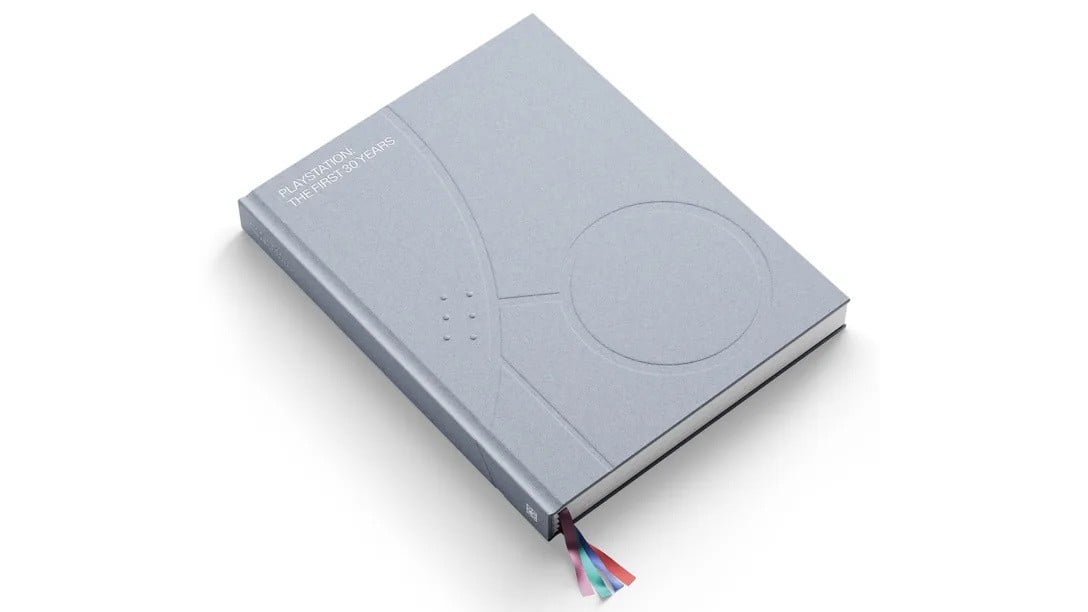
It's a helluva month for PlayStation to release a tome celebrating its 30-year legacy. And, like it or not, it has been an undeniable and indelible three decades for the first-time console maker. Sony stepped into the market in 1996 and not only took on the veterans at their own game, but beat them. Soundly.
PlayStation redefined the entire industry. It brought gaming to the biggest audience it had ever had to that point. It took gaming mainstream, made it "cool" for celebrities to endorse what had then been tediously dubbed a "nerd" pastime, and, from the PS1's launch onwards, PlayStation continued to grow as a globally recognised brand, synonymous with gaming and often considered the flagship platform for all of the industry's biggest releases.

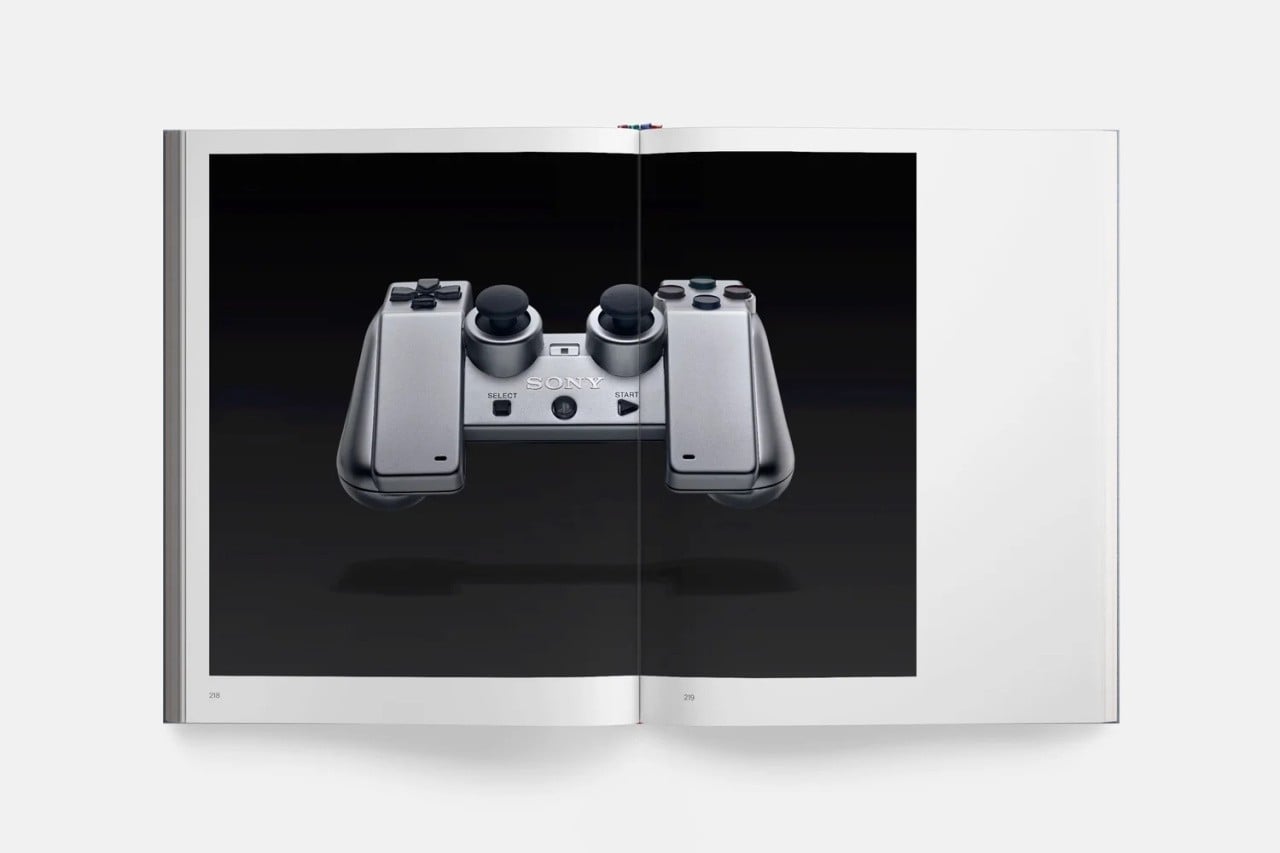
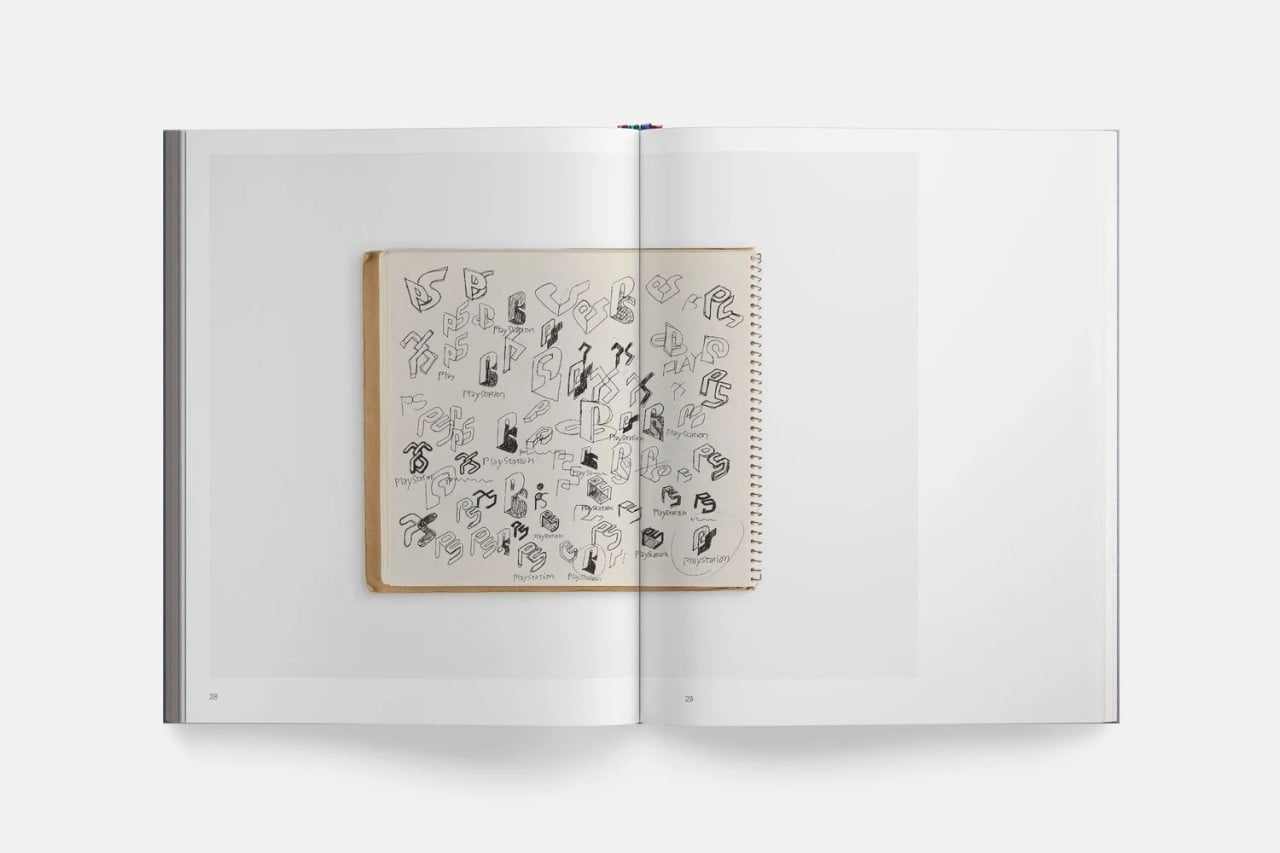
As part of its ongoing anniversary festivities, PlayStation has partnered with publisher Read-Only Memory to release PlayStation: The First 30 Years, a lush, coffee-table hardback featuring a 400-page visual history of the consoles, accessories, marketing, games, characters, and people that grew PlayStation from a sophomore gaming entity into an intentional business juggernaut.
No doubt this incredibly slick-looking and comprehensive hardback makes for a helluva read - celebrating three decades of hardware and software evolution for one of gaming's aesthetically cleanest, most stylish brands by showcasing some of its most successful (not to mention most bizarre) design concepts
And yet, ironically, the book has launched at a time when the company's reputation hangs on a knife edge. A time when the PlayStation brand is facing enormous backlash from its audience, akin to the infamous 2013 Xbox One reveal. And this backlash was spawned from a concern that has been hanging over the industry like the Sword of Damocles for years: When you buy a product, what do you actually own?
Sony's decision to stop production of physical game discs (incoincidentally beginning with what is touted to be the biggest media release of all time, Rockstar's Grand Theft Auto VI) immediately put the company in the crosshairs of its audience. The player base has an array of legitimate reasons to be frustrated at the decision - from those who simply enjoy the tangibility of collecting physical games to those who feel uncomfortable with having a media library hanging in perpetual limbo.

In the wake of its physical media announcement, Sony has found itself on the defensive, recently stating in its legal defence that "In the digital age, it is not plausible to allege that reasonable consumers believed they were obtaining ‘ownership’ of a digital game". In essence, Sony is claiming that it is on the owner to ascertain that paying £70 for a product did not mean they owned it - an outrageously insincere statement for an industry that hadn't followed said restrictions for the best part of 50 years.
While PlayStation has been in hot water before for its business decisions, particularly during its famously hubristic PS3 era, many players and critics are vocally incensed at the studio for its recent announcements, feeling they are being fleeced with higher prices than ever, while simultaneously being told that everything they "purchase" is, in essence, a "borrowed" product - completely at the whim of its original publisher. Game? What game?
This "We Win, You Lose" mentality has seeped its way into all of media's crevices over the past 15 years, utilising the "boiled frog" strategy to push ever closer to a bizarre "Executive Only" landscape where humans no longer make games (or movies, or music); where the customer pays more for them than ever before; and, most importantly, where nobody, outside of the publisher, has a right of ownership to anything.
PlayStation: The First 30 Years is available now, priced at $125. The book looks fantastic; a splendid record of a very creative, evolutionary age for our favourite pastime. It just makes you wonder, given the current creative and economic timeline, whether PlayStation's next 30 years will be worth celebrating at all.