
 by
by 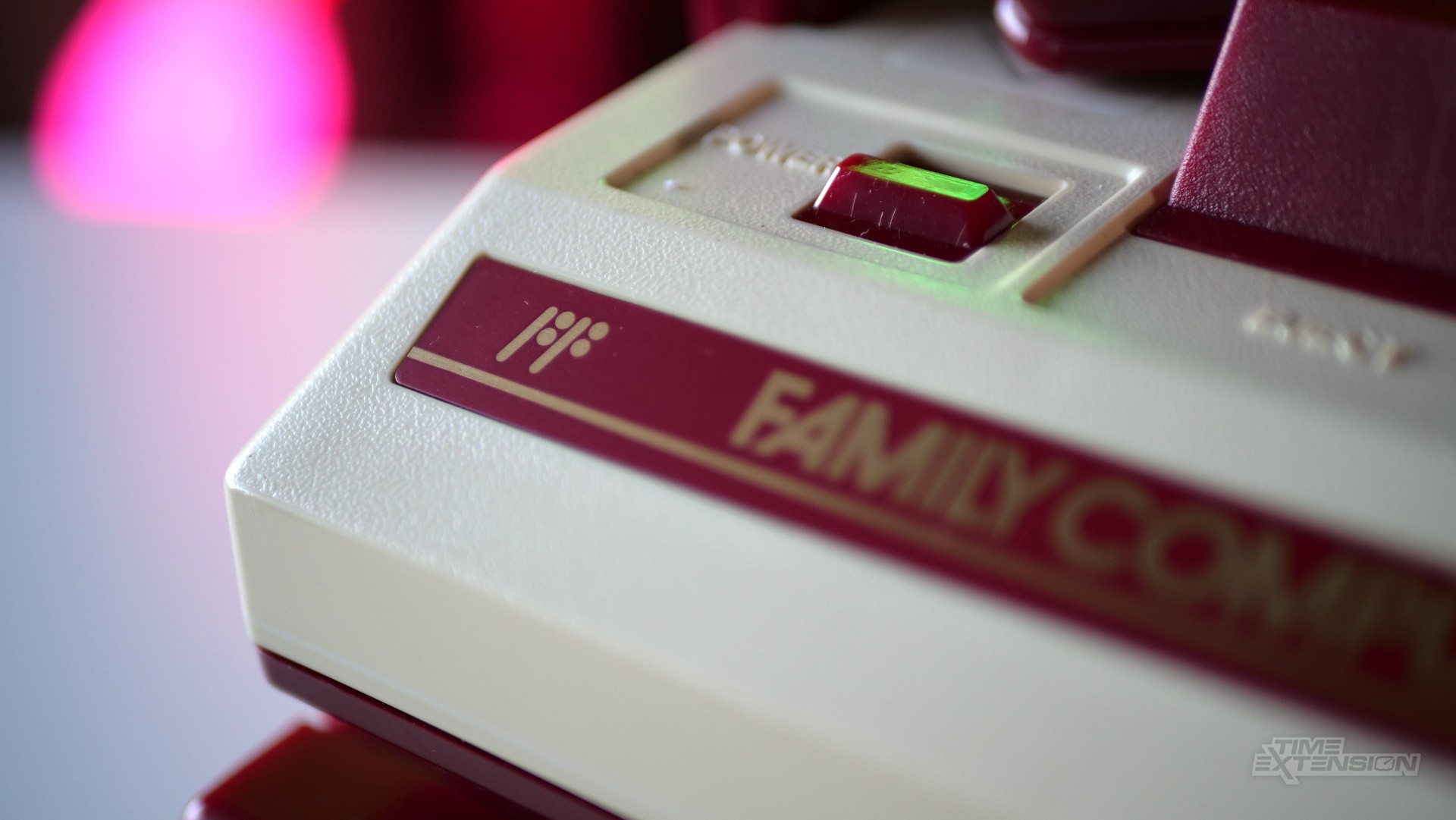
Today, it's very easy to fall into the trap of believing the Nintendo Famicom's success in Japan was a foregone conclusion or that Nintendo was 100% convinced about its chances of success, but that apparently wasn't the case.
With Famitsu recently celebrating the console's 43rd anniversary, Hirokazu "Hip" Tanaka (better known today as Chip Tanaka) has shared some interesting recollections about the uncertainty inside Nintendo in the run-up to Famicom's release in 1983 — something he'd be keenly aware of, having been involved with the development of the internal sound chip for the Nintendo Famicom (h/t: @JJtheTexan).
In the short thread, published on Twitter/X, Tanaka, for instance, reflected how, within three years of joining the company, his superior told him about the booming sales of the Game & Watch and Nintendo's decision to pull out of the arcade market, but added that it didn't feel like "there was any firm conviction" to this decision; instead, it simply felt like "there was no other path but this one."
As he states, members of the team had often spoken about how a gaming computer might be a good idea, but there was none of the "excitement" like "what gets talked about on YouTube", and "Not everyone was brimming with confidence and imagining a brilliant future ahead of such an epoch-making event."
Instead, he characterises the Famicom's development as "grinding through the immediate challenges one by one, feeling increasingly cornered," and that the Atari Shock (the Japanese name for the North American video game crash) seemed to reinforce that this was the right decision to make.
In the final part of his recollections, he also brought up something he felt was often lost in discussions about the Famicom's development: the size and age of the team behind it.
As he notes, "The in-house development team working on the Famicom hardware was mostly centred around people in their mid-20s to late 20s, and you could count them on one hand (excluding folks from partner companies)."
He described the team as "innocent and carefree," stating the project felt like an extracurricular activity as a result.
Tanaka would later work on several Game & Watch titles, immediately following the development of the Famicom, something he now describes as a "bitter" experience (laughing as he recounts the story). During his 20-year career at Nintendo, however, he would arguably be best known for his soundtracks for Metroid, Kid Icarus, Tetris, Mother, and EarthBound, as well as for his involvement in the development of the Game Boy sound chip and the Game Boy Camera.