
 by
by 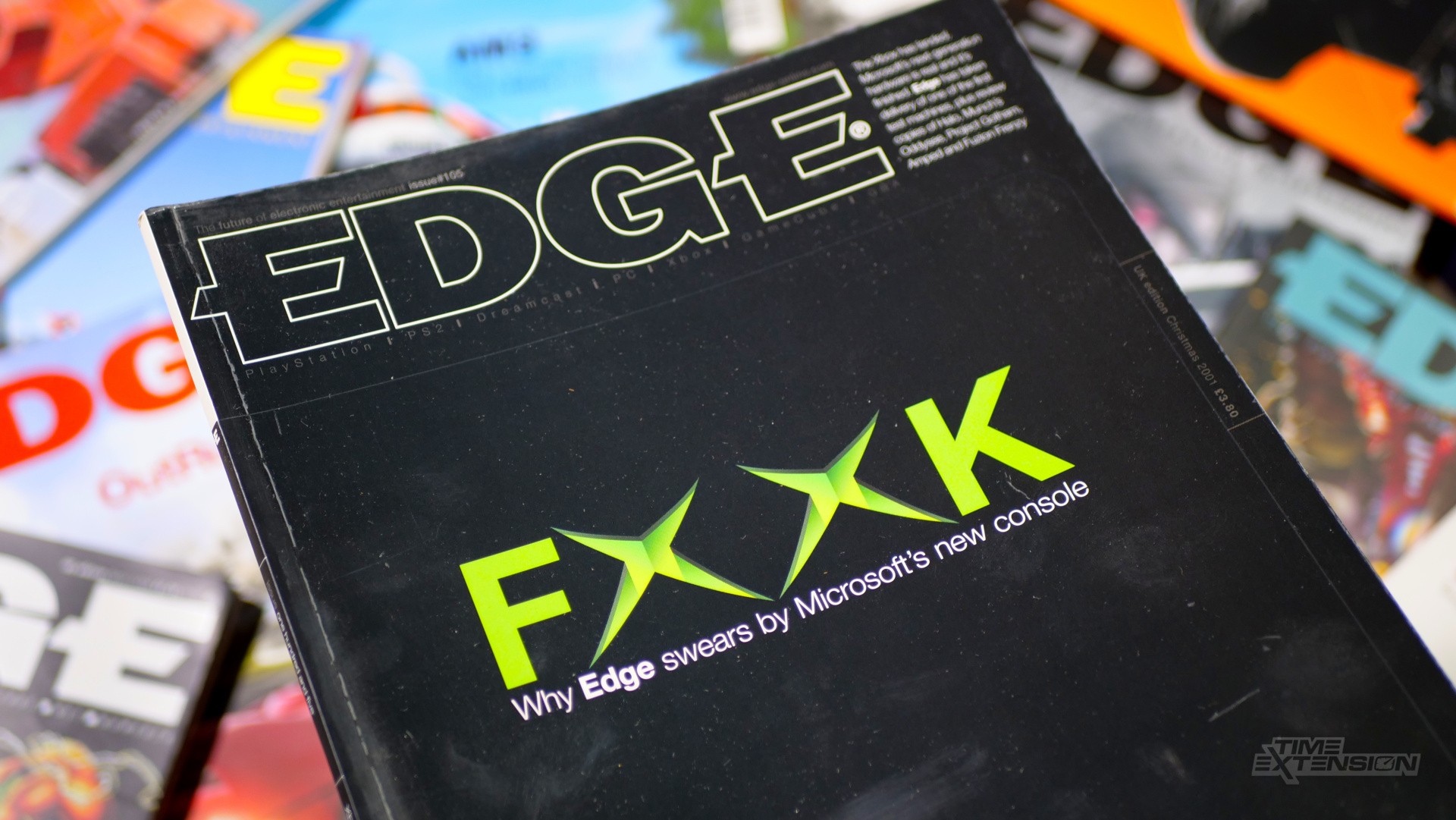
Tim Langdell – the notable copyright troll who was once a thorn in the sides of Namco, Future Publishing and Electronic Arts over the use of the word 'Edge' in various products – is back to his old tricks.
Mobigame CEO David Papazian has revealed that Langdell has filed a federal complaint against Mobigame in Virginia. Mobigame, as you might recall, had its iOS game EDGE removed from Apple's App Store in the US and the UK due to threats of legal action by Tim Langdell back in 2009.
The game returned to digital storefronts under its original name in 2009, following the cancellation of the 'Edge' trademark after legal action by Electronic Arts, which had tussled with Langdell over the game Mirror's Edge.
"For more than 17 years, Mobigame has had to deal with Tim Langdell and Edge Games over the word EDGE," says Papazian on Linkedin.
"The new complaint relies on the claim that Edge Games used EDGE GAMES in U.S. commerce as early as 2003 through Bobby Bearing," he explains, before adding:
"But the evidence it highlights is a J2ME/Java mobile version, while the registration they are trying to revive comes from a use-based application filed in October 2010. That means they need real, verifiable U.S. trademark use before that date. The technical problem is obvious. In 2003, J2ME made sense in Europe. But the U.S. carrier market was largely controlled through Qualcomm’s BREW system. BREW and J2ME were incompatible ecosystems. A European J2ME game on the internet is not evidence of U.S. trademark use."
Papazian explains that Mobigame has contacted the developer of the Bobby Bearing mobile version, and that his testimony is clear:
"The J2ME version was created by his team, not by Langdell, and distributed mainly in Europe. A BREW version was discussed, but they refused the proposed conditions. The screenshot used by Langdell even carries the name Artegence, the Polish company connected to that work, strongly confirming that this is not independent proof of U.S. commercial use."
The recent commercial success of Mobigame's Zombie Tsunami means the situation is somewhat different today than it was back in 2009.
"Mobigame will not treat this as a private nuisance to be settled quietly," says Papazian. "Thanks to Zombie Tsunami and its 500M+ downloads, we have the means, evidence and determination to fight this case to the end. Yes, Tim, more than half a billion zombies are finally here to help us clean up this mess."
Papazian adds that he and his team "welcome discovery," and want "the documents, metadata, alleged sales records, file sources, chain of rights, communications, ... If the evidence confirms what the public record suggests, Mobigame will seek full compensation. We intend to expose Tim Langdell for what he is: a trademark troll, and keep this fight public, factual and documented, so the industry can learn from it and help ensure this never happens again."
Langdell is an ordained Priest (Zen and Christian) and Chaplain working in palliative care these days, and has written books on "computer programming, video game design, virtual reality, psychology and hospice". He recently republished a book he wrote about the ZX Spectrum.
Langdell's historic trademark trolling was once enough to scare companies such as Future and Namco into bowing to his will. The former licensed the trademark for its EDGE magazine in 1993 before buying out the relevant part of the trademark from Langdell in 2005, while the latter changed the name of Soul Edge to Soul Blade to avoid any potential issues; it would rechristen the entire series Soulcalibur for future instalments.