
 by
by 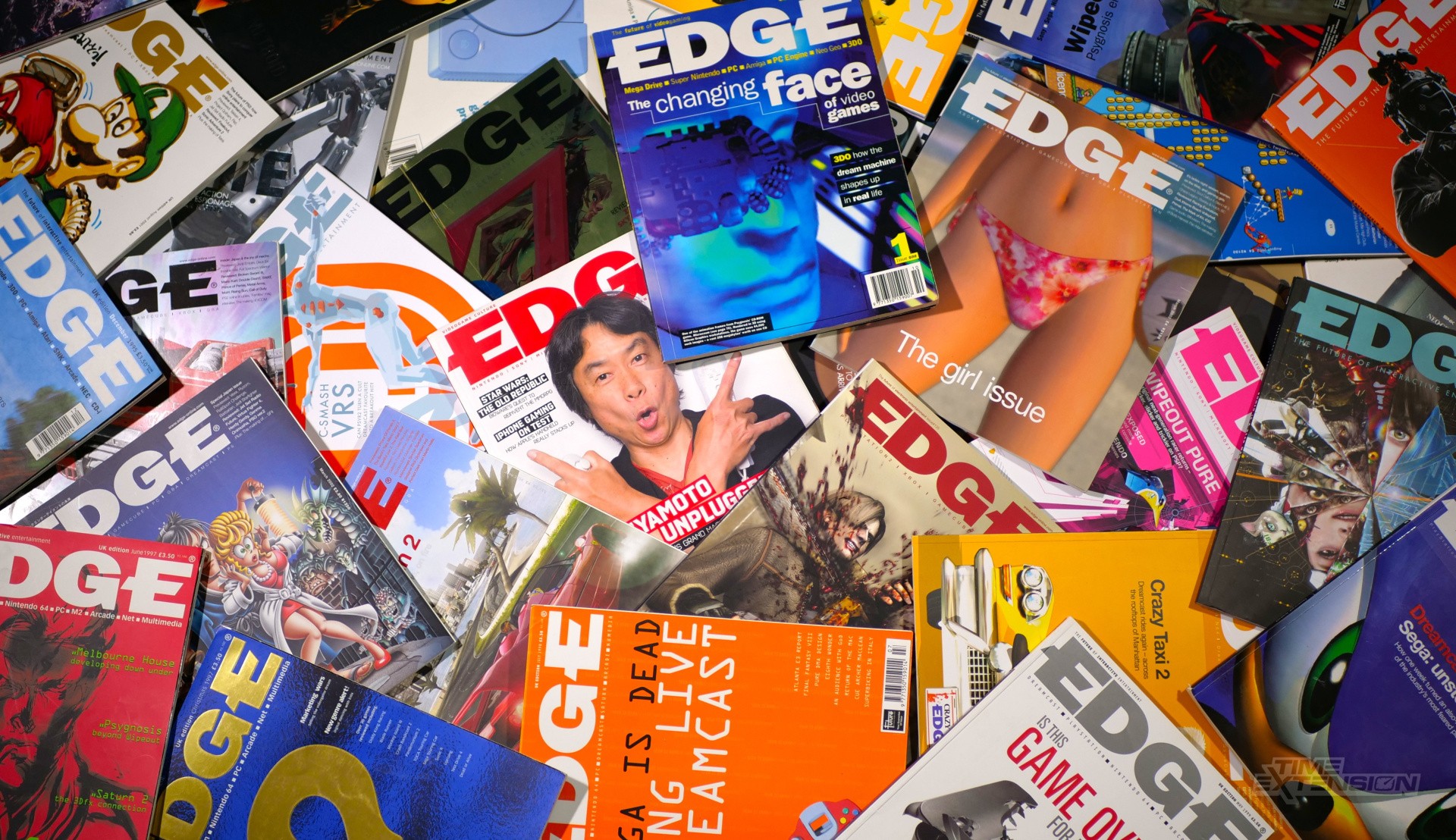
If you've been paying attention to the world of video game print media, you'll be aware that the number of magazines in active circulation is perhaps at its lowest point since the industry began.
Once upon a time, newsstands were packed with publications covering all aspects of interactive entertainment, with multi-format mags rubbing shoulders with more specialised, format-specific publications – many of which sold hundreds of thousands of copies in the UK alone.
EGM, GamePro, Official Nintendo Magazine, Official PlayStation Magazine, Nintendo Power... these are just some of the big names that are sadly no longer with us – yet one name has endured the dramatic changes of the past few decades to remain in publication: EDGE.
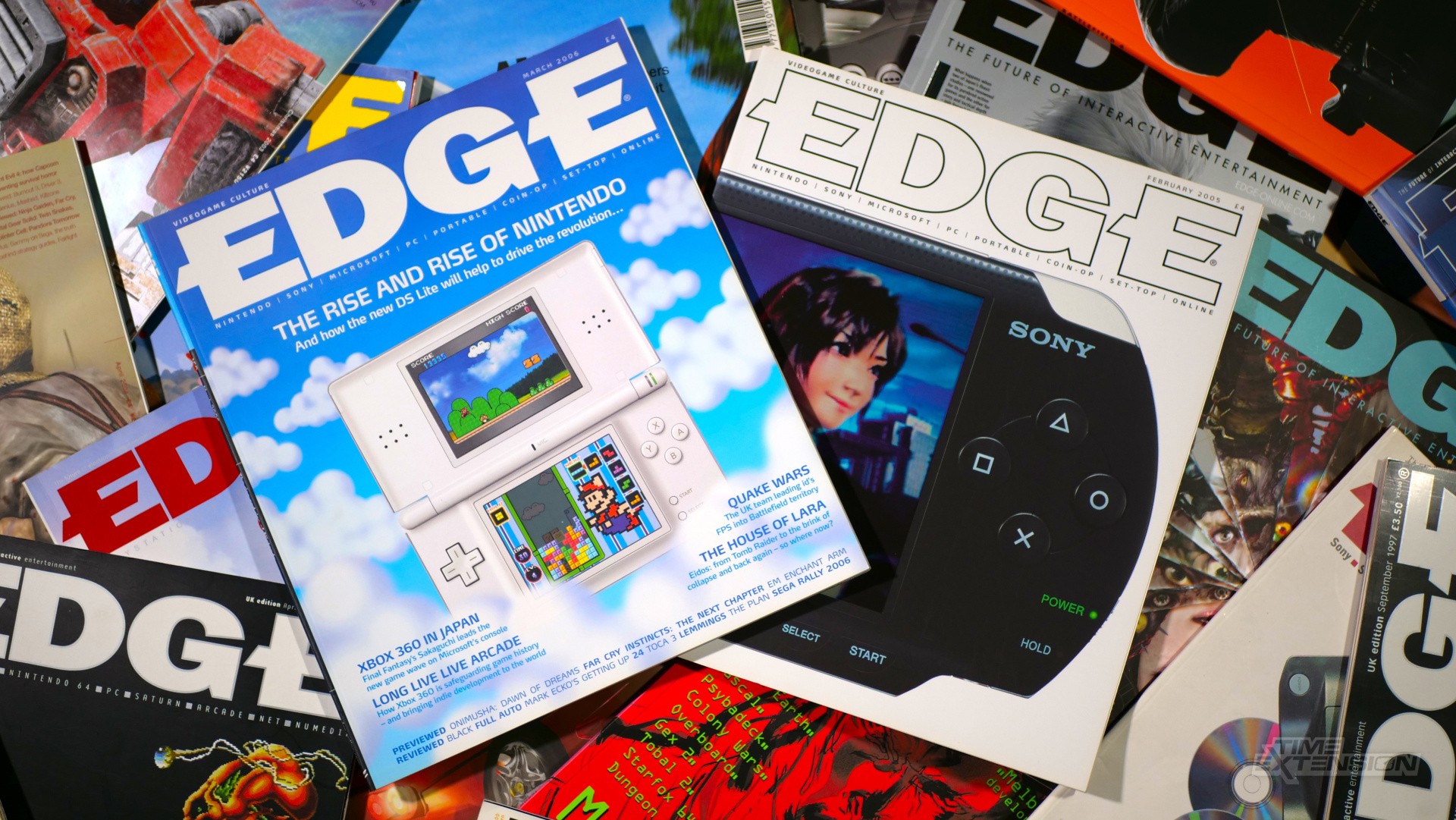
This British multi-format magazine arrived in newsagents all the way back in October 1993, and even came packaged inside a plastic bag, which prevented prospective buyers from leafing through to see what all the fuss was about. Billed as "the future of interactive entertainment", EDGE quickly gained a reputation for being authoritative, on the pulse of technological change and – perhaps most important of all – written by adults for adults.
With the magazine now in its 33rd year of publication, we thought it might be a good idea to speak to some of the people who made EDGE a reality. They are:
Steve Jarratt (Launch Editor 1993-1994) - Jarratt's career in video game media is near-legendary. He cut his teeth at Newsfield before moving to Future, where he helped launch TOTAL!, EDGE, Official PlayStation Magazine, T3 and more, and rose to the position of Senior Group Editor before leaving Future in 2011. Now semi-retired, he regularly collaborates with Bitmap Books, one of the world's leading publishers of retro game-related tomes.
Keith Stuart (Features Editor 1995-1997) - Stuart has been writing about video games and culture for decades, and is The Guardian's expert on all things video games, technology and digital culture. He's also a critically acclaimed author, having penned the books The Frequency of Us, Days of Wonder, Love is a Curse and A Boy Made of Blocks.
João Diniz Sanches (Staff Writer 1997, Reviews Editor 1997-1999, Deputy Editor 1999-2001, Editor 2001-2004) - Having kicked off his career on EDGE in 1997, João Diniz Sanches would work his way up to the role of editor. He's written books on video games such as The Video Gaming Manual and The Driving Games Manual, and also works in the field of professional photography.
Ben Maxwell (Staff Writer 2010-2017, Features Editor 2017) - Maxwell joined EDGE in 2010 and would eventually become the magazine's features editor. His career has included roles at PCGamesN and Network N; at Network N, he served as Publishing Director and oversaw sites such as The Loadout, Pocket Tactics, Wargamer, and The Digital Fix.
How did you come to work for EDGE?
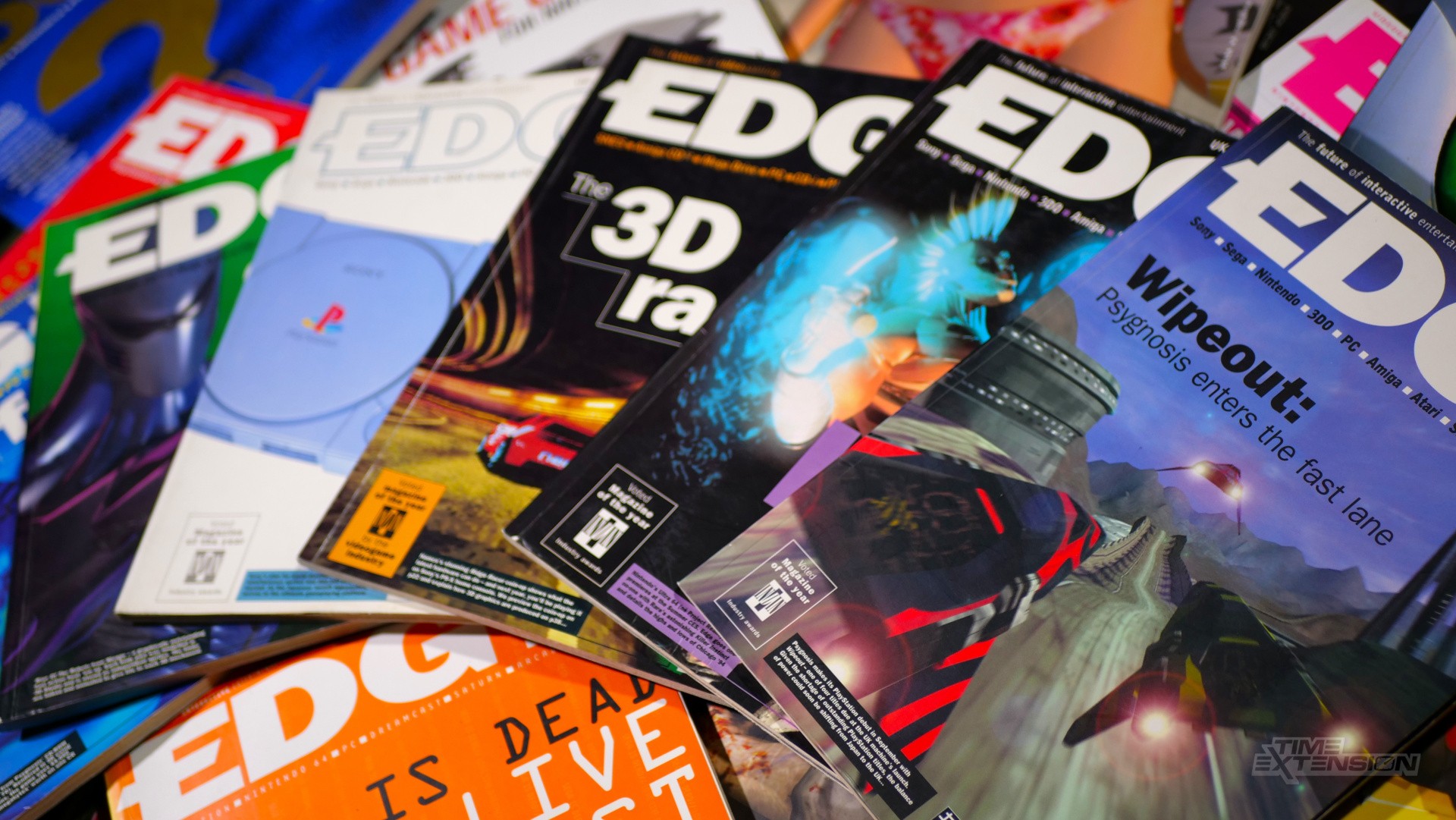
Steve Jarratt: When Future Publishing sold ACE magazine to EMAP, the company had to refrain from creating another multi-format games mag for, I believe, five years. The moment that embargo lifted, Future’s CEO Greg Ingham and publisher Steve Carey came to me with the idea of creating a new magazine.
Keith Stuart: I'd just finished a degree in English and Drama at Warwick University and had no idea what I was going to do with my life. I'd managed to get a bit of work at Big Red Software in Leamington, doing game testing and writing manuals and documents, and they used to get EDGE every month. It was so unlike any game mag I'd ever seen, and then I saw an ad asking for writers, so I applied. Jason interviewed me and set me a writing task - I had to review XCOM. About two months later, after I'd completely given up on the job, he called me and offered me a position. This, I would soon realise, was typical Jason behaviour!
João Diniz Sanches: I had been gaming since the '70s and inevitably consumed forests' worth of games magazines during the '80s... but it never occurred to me that working on one was a career option – or indeed anything editorial-related. My choices in that regard at the time were split between the wishful (documentary photography) and practical (forensic pathology). But at university I somehow started reviewing films for the student newspaper, ended up co-editing the editions, and by the time I graduated (having spent an obscenely disproportionate amount of my three years gaming versus studying, that period also coinciding with the pivotal arrival of EDGE) I knew where I should be headed.
I enrolled in a postgraduate magazine journalism course to acquire some foundational knowledge, but mostly with the singular intention of convincing the EDGE team to host me for a week-long work placement in my final trimester (May 1997). It took ten phone calls to then editor Jason Brookes (whom we sadly lost to cancer in 2019) before nailing things down, which to this day ranks alongside the completion of GoldenEye 007's Aztec level on 00 Agent difficulty as my most tenacious moment. I subsequently arrived to find he'd gone on holiday and forgotten to inform his crew I would be turning up – a very confused Keith Stuart came to collect a pretty nervous me from Future Publishing's reception.
I got on with the team, daunting deputy editor Tony Mott liked my efforts, so the week turned into two. My unofficial job interview took place whilst following Jase around Sainsbury's one late evening as he hunted down a microwaveable curry to get him through the night – those infamous EDGE deadlines... Which is a long-winded way of saying I had a plan, I uncharacteristically stuck to it, but got lucky with the timing: the team needed a staff writer at that point, and I wasn't terrible.
Ben Maxwell: In 2010, I was juggling working in a customer complaint management role at LloydsTSB with helping to run a record label. I'd read EDGE since I was 13 or 14, and a Lloyds colleague who knew I was obsessed with the mag told me there was a staff writer vacancy and that I should apply. I dismissed the suggestion initially, as I had never done any kind of professional writing and this was... EDGE, y'know? Don't be so stupid.
Still, he and my partner at the time kept pushing me to give it a shot, so I did. I had one weekend until the deadline and absolutely no example work, so I wrote an op-ed about how games that don't try to cross the uncanny valley actually do a much better job of building convincing worlds. I included that along with a cover letter in which I groped for relevant examples, to the point that I included the fact that many of my colleagues had complimented the quality of my official emails. Despite this (and the fact that I'd misspelt Uncharted as 'Unchartered' throughout the op-ed), Tony reached out.
It was a pretty intensive interview process, with phone, in-person, and live exercise stuff over a series of months - with Christmas right in the middle. There were two staff writer roles up for grabs, and I somehow made it all the way to the final stage. And then... I was informed that I had not been successful. The roles went to the immensely talented Craig Owens and David Valjalo – couldn't have been pipped to the post by better writers! While I was crestfallen, the feedback I got was positive enough that I was emboldened to quit my well-paid bank job to do a three-month unpaid internship at Pocket Gamer (made possible by my extremely supportive partner), and during that time, Tony commissioned me to write a few entries for 1001 Video Games You Must Play Before You Die.
Serendipitously, as the internship came to an end, a role working on EDGE Online with Alex Wiltshire opened up. It was a trial by fire, but I muddled through, and after three years I was able to move into a staff writer role on the mag - an absolute dream come true.
EDGE was arguably the first games magazine that treated its readers like adults. Why do you think it took so long for a publication to take this approach?
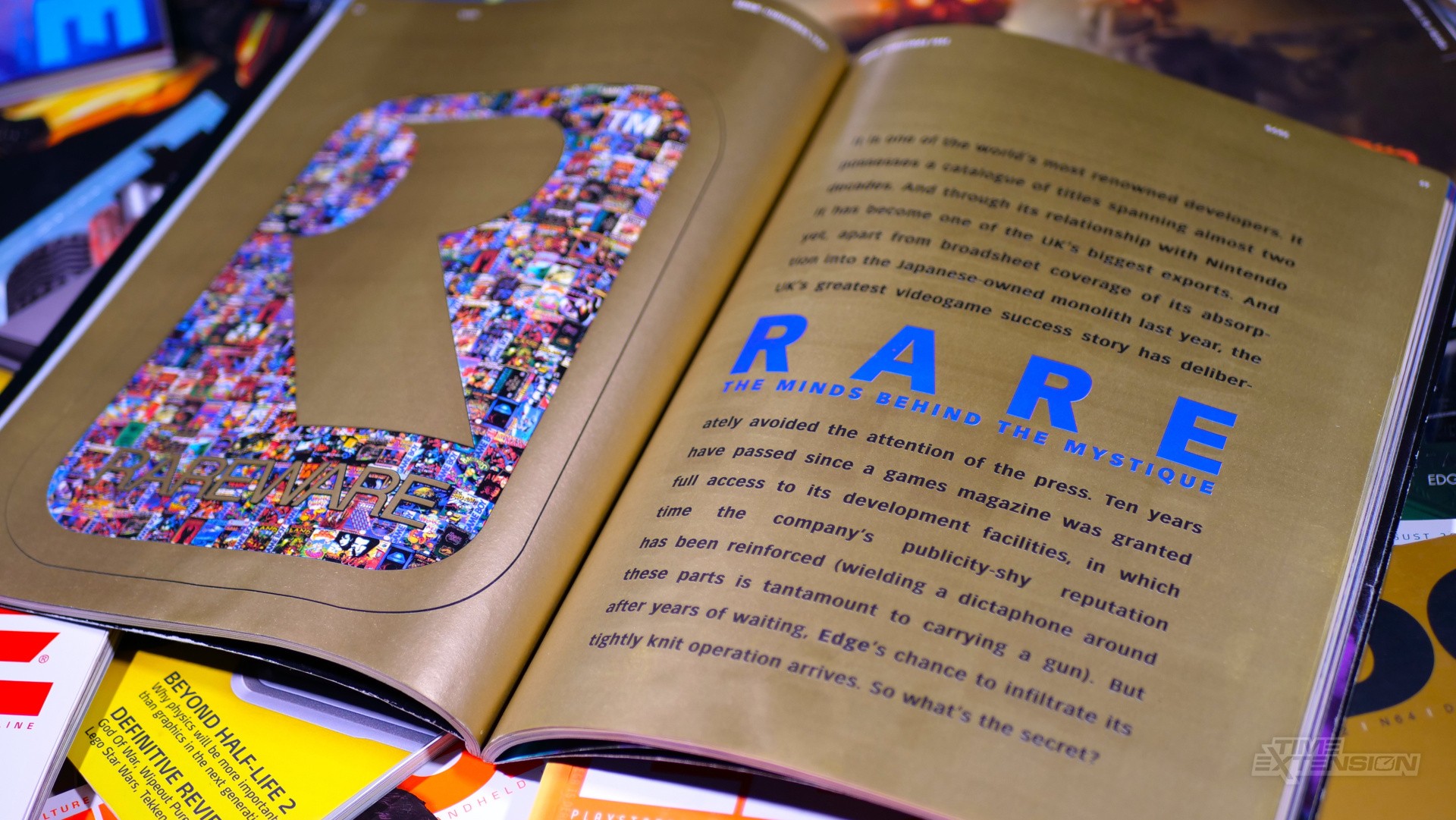
Steve Jarratt: I guess to an extent it was a self-fulfilling: the games market was still relatively new, consoles were viewed as devices for kids and so games magazines were aimed, largely, at children – or at most teenagers. There was no real imperative to launch anything for a more mature audience.
But back in 1993, I was just in my 30s, and the idea of making yet another brightly-coloured kids’ mag with wacky characters and silly humour held little appeal. I wanted a serious magazine about video games and how they were created, so I based the idea on Cinefex, a quarterly American title about movie VFX. It was full of anecdotes and technical insight, and made me feel like I was part of the industry.
With that in mind, I thought it would be interesting to talk about all aspects of gaming, including the development side, and I figured there must be ageing gamers like me who would enjoy it as well.
What was it like working for EDGE with the late, great Jason Brookes?
Steve Jarratt: It was great. We got on really well, and his love of Japanese gaming brought an entirely different angle to the magazine, which, if I’m honest, would have been lacking without him. He taught me a lot about that side of the industry and brought balance to the magazine’s content. It helped that he was a lovely bloke, endlessly enthusiastic, and with a sharp intellect. I still find it hard to believe that he’s no longer with us, and that he died at such a ridiculously young age.
Keith Stuart: It was chaotic, exciting, funny and exhausting! Every single issue felt like an epic quest. Jason was always determined to make it on time, so often a news story would break, or he'd get an exclusive interview just days before the deadline, forcing us to completely rethink the entire layout. He had amazing contacts throughout the industry because he was both knowledgeable and completely charming - he used to go clubbing with Tetsuya Mizuguchi, and he knew all the big US developers. He would often disappear to the US or Japan for several days, then come back with amazing interviews (which I was inevitably given the job of transcribing).
He was also a perfectionist, carefully choosing every screenshot by hand, spending hours on feature designs with the art team. All of this meant that we always got exclusives - we ran the first news on the PlayStation and Ultra 64, we got amazing interviews with Molyneux, Bill Gates, etc. But it was hard work - we were always late to print, and the last week of an issue usually meant 18-hour work days with the odd all-nighter. We did it because we believed in the mag - and he was such a charismatic leader.
There has never been a video game magazine editor like him, and I doubt there ever will be again.
Tony Mott has often been described as "Mr EDGE" and has been involved with the magazine for decades. What was he like to work with?
João Diniz Sanches: Yeah, Mr EDGE fits. To me, Tony embodies the magazine's ethos probably more than anyone I worked with. He possessed supreme gaming knowledge, relied on excellent magazine craft, had enviable design sensibilities, was exceptionally detail-oriented, and confidently in control – I suppose the one differentiation was the fact that he failed to refer to himself in the third person.
My memories of serving under Tony, particularly as his deputy, are glorious. Sure, he set – and kept – exacting standards, but he was fair, calm, and considered, and proved instrumental in shaping the way I would go on to approach my editorial work.
Ben Maxwell: I was intimidated at first, as I was so aware of him (and other EDGE legends) having grown up reading the mag. But he's a big softy, really - supportive, friendly, and always ready to go to bat for you and the magazine. He has hugely high standards for EDGE and the writing within it, and he was meticulous in maintaining that, but he was also always open to writers' varying styles and approaches - I think this is something that gets misunderstood a lot: yes, EDGE has a singular voice, but it's made up of lots of contributing personalities and ideas in any given period.
A common mistake writers make with the mag when first writing for it (myself included) is trying to be EDGE, rather than yourself. Tony wants to bring out the best in everyone under that iconic masthead.
Do you have a favourite moment that stands out from your time on the magazine?
Steve Jarratt: One highlight that sticks in the mind was being given a personal demo of the original PlayStation before it was announced. Myself and Jason went to Sony’s HQ in London to be given some info on the console and to see some tech demos. That felt pretty special. (In fact, I was so impressed, I immediately asked if I could launch the official PlayStation magazine when the console arrived).
Keith Stuart: Visiting Bullfrog and DMA Design were professional highlights. I got to see some of the best game designers in the country at the very beginning of their careers. I had an amazing trip to Moscow to see the flight sim developer Eagle Dynamics, which employed dozens of coders from the Soviet nuclear missile programme and had armed guards on the door to protect the staff from the Russian mafia. We also got really early demos of Tomb Raider and Resident Evil, and it was fascinating to see those seminal games at such a formative stage.
João Diniz Sanches: I had the privilege of meeting fascinating games industry professionals – individuals and teams – who were driven by unique flair and insight. Some of them had been responsible for games that enthralled me as a younger player, many of them would go on to create exquisite gaming experiences.
But if I may be a little myopic, my standout moment is likely my stint as editor. And by that I mean nothing to do with my status and everything to do with the team 'underneath' me – a spectacular collective of individuals across editorial, art, and production working in unison from a shared passion for games... and for making the very best games magazine we could, 13 times a year.
Not every issue we put out was stellar, but we were fortunate to enjoy many in which all of the elements, all of the voices within them, aligned to create something that felt – to us, at least – pretty magical. (I mean, within the context of magazines about video games.)
Ben Maxwell: I think there are lots of general moments - like getting those box-fresh issues from the printers every three weeks, or the sense of camaraderie as the deadline approaches and everyone's reading through printouts to get the issue over the line. Also, travelling the world constantly, including two trips to Tokyo to cover features on The Last Guardian and PSVR and a 72-hour round trip to id Software in Richardson. And working with the incredible Andrew Hind to make features look amazing.
But I think the memory that stands out most for me is features editor Jason Killingsworth praising a Places feature I wrote about the castle in ICO, and then using it as an exemplar for freelancers contributing to the spot. Pretty proud of that.
The magazine has a reputation for being somewhat elitist; do you think this is fair? And, more to the point, is it really a bad thing?
Steve Jarratt: Totally fair, but nothing to do with me! As a counterpoint to all the other games mags, the idea was to have EDGE speak as a single voice, without caricatures or bylines. But over time, that morphed, and the tone became haughty and a bit pretentious.
It was a product of teams that worked on the magazine after I was gone, and I never really liked it, to be honest; I felt it was too cold and aloof. It may well have had an impact on sales, because I’ve met people who stopped reading because of this affectation. Still, it gave the mag a character, and it’s still going, so it didn’t affect it too badly.
Keith Stuart: Yes, it was elitist, and no, that wasn't a bad thing.
There were plenty of magazines around at the time that catered to the traditional gaming audience. We wanted to do something different - we wrote for serious fans and those inside the industry, treating games as a cultural product, like films. This was the mid-1990s, when dance music and gaming were converging - when PlayStation consoles were being put in clubs, and when electronic music artists were contributing to game soundtracks - it felt really exciting, and we wanted to explore that.
Games were also making it into the mainstream press - there were a lot of concerns over game violence, for example, and we felt it was important to challenge assumptions over what games were and who played them. We wanted to look different to every other mag out there - and it's why every developer in the business read EDGE and wanted to be on the cover - it meant something.
João Diniz Sanches: I can understand the perspective from where such an argument would come from. But I'd counter, respectfully, that characterisation feels reductive in that it misses some of the nuance of what the magazine, at least in my time, tried to be.
To me, EDGE was often about passion. Passion for the games, for the game makers, for the technology that made this astonishing medium possible. That passion may not have leapt off the page through the use of exclamation marks, but it was there if looked at objectively. But there was also a passion for quality, accuracy, and actuality.
I'm probably not making the strongest of cases here – this is the sort of thing more easily discussed across a pub table – so I'll try to convey part of my point through an instance that has just come to mind: Back in 1999 we reviewed Sega's F355 Challenge and noted that, having experienced a real-life F355 Challenge, the game's depiction of this race-ready version of Ferrari's lauded road car felt a little lifeless.
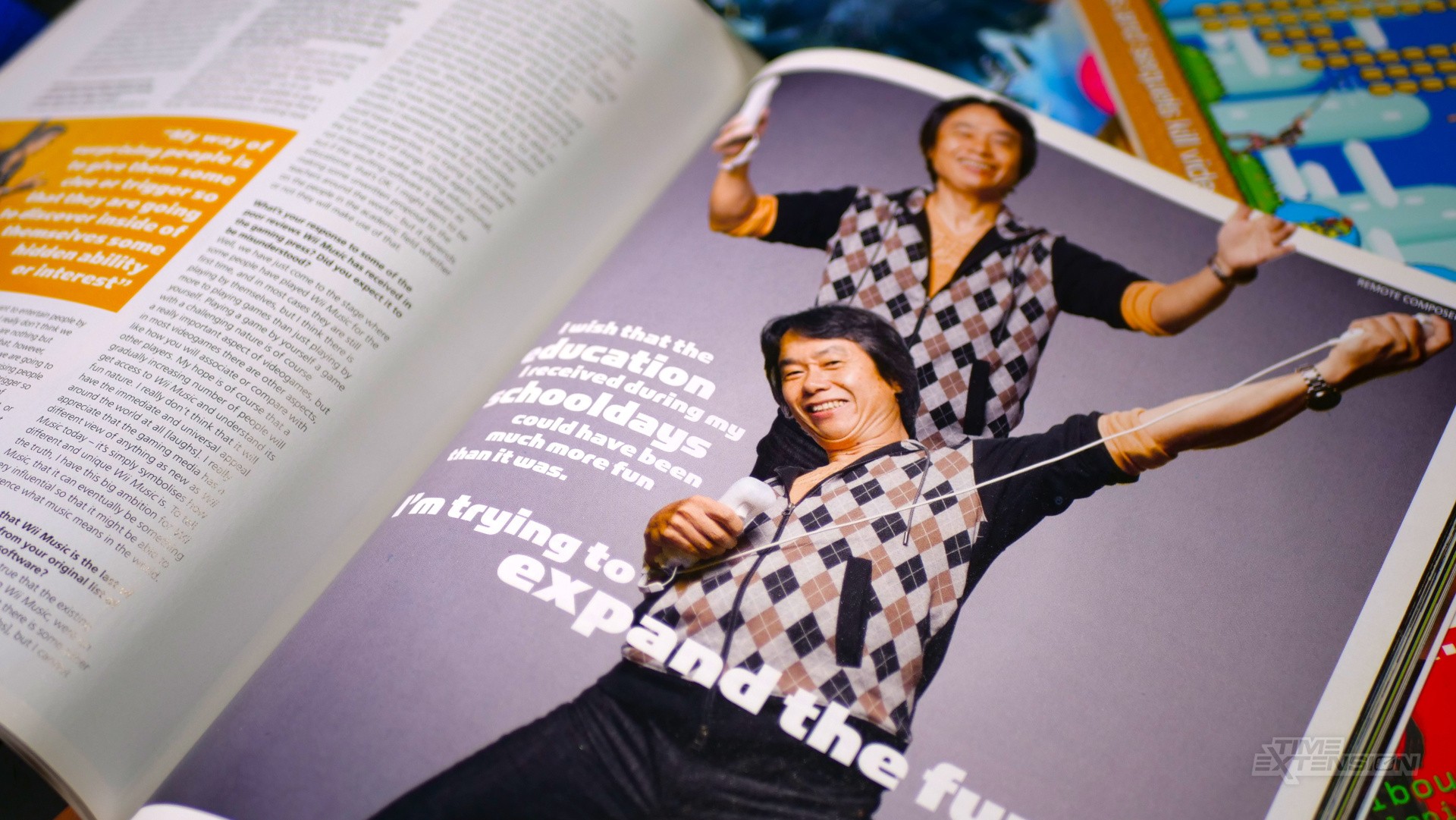
Now, back then, we didn't have the comments sections that we all enjoy today, but basic online forums were around, and I recall the majority of readers' responses on an EDGE page slating us for 'parading our superiority'. Their position was that we were more focused on showing off that we'd taken the rarest of rides in such a car than the merits of the game itself. They'd missed the point. It was precisely because we'd had firsthand knowledge of the physical ferocity of the experience that we lamented the comparatively sterile digital version we were being offered.
We wanted more from the game because we felt players deserved it, the development team had the necessary talent, and it wasn't an impossible ask – Codemasters had already managed it with its racing series. It's perhaps an odd example, but it hopefully serves as a suitable illustration. We were passionate gamers, rejoicing in the best representations of this medium, celebrating the expertise of the sector's best teams... but also prepared to call things out when we felt standards fell short.
Ben Maxwell: I've never really understood the endurance of this sentiment. EDGE has had its moments, sure (there are some great stories about how that has manifested in the office over the years...), but if you read the mag you'll find some of the warmest, most passionate and wryly funny game writing going. It's welcoming and inclusive.
I think much of the issue stems from the clash of that age-old (and very odd) phenomenon of individuals becoming personally offended by opinions on games differing from their own, and EDGE tending to score a little lower than other teams. I remember when I was 13 being deeply saddened if a game I was excited about got a 5 or 6 in EDGE. It meant I couldn't like the game, right? EDGE's word was final - the only verdict that matters. So I sort of get it.
But as I grew up and worked out how to have my own personality and thoughts, that monthly trauma softened somewhat. The mag has high standards, aesthetically, content-wise, and for what constitutes a minimum quality bar in games - but that's born from cherishing the artform, not a desire to be contrarian.
EDGE turned 30 last year. As someone who was integral to its genesis, does it make you proud to see how long it has lasted?
Steve Jarratt: Yes, to an extent. I’m happy to say that the concept of EDGE is mine, but in truth, the magazine’s lasting success is a testament to the numerous people who have worked on it over the years. It’s because of their accumulated efforts that it’s still going and still so highly thought of.
Keith Stuart: EDGE has always been able to distil and explore every element of the industry from the latest games to the next generation of hardware - and it has done that in detail, with a sense of thoughtful impartiality. Its reviews aim for cultural criticism rather than providing buying guides, and it has never been afraid to feature weird, offbeat games and ideas on the cover. I think the excellent design has also helped - it's a magazine but it is also a lovely, highly tactile design object. Steve Jarratt definitely set that blueprint up, but it was Jason who really made it fly.
What do you think is the secret to the magazine's longevity in a print media market which is littered with defunct publications?
Steve Jarratt: I think there are four main elements to this. Certainly, a key factor is its multiform nature: the lack of reliance on a single console or brand means that it can move seamlessly from one console or gaming generation to another. Almost definitely the more mature look and feel helps to prevent people from growing out of it, as you might with mags aimed at a younger audience. I think the content is good enough and different enough from a lot of the stuff you get on the Internet, which makes it worth paying for. And I think it benefits from a high degree of loyalty, which keeps people coming back issue after issue.
João Diniz Sanches: There was a time when the gag answer would have been: its advertising revenue. But having spent seven years on EDGE, I might offer an alternative. At its core, I'd argue that the publication has been put together by successive teams of individuals with a deep appreciation of, affection for, and dedication to videogaming, underpinned by those lofty standards – editorial, design, production – that, as a package, chimes with enough of an audience to keep the whole thing going.
Ben Maxwell: EDGE is special - it offered something very different when it launched in the '90s, and it continues to distinguish itself from other mags and websites (even the ones that try very hard to ape it) today. It's okay to say that, and being consistently good at something doesn't tend to get criticised in other sectors in the same way game journalism does. No brand is immune to the challenges that face quality game journalism today, but I still contend that EDGE serves as a high-water mark for engaging, thought-provoking, and relevant video game discussion.
Designing EDGE: Mark Wynne (Art Director 2011 - 2015) On Creating A Classic Look
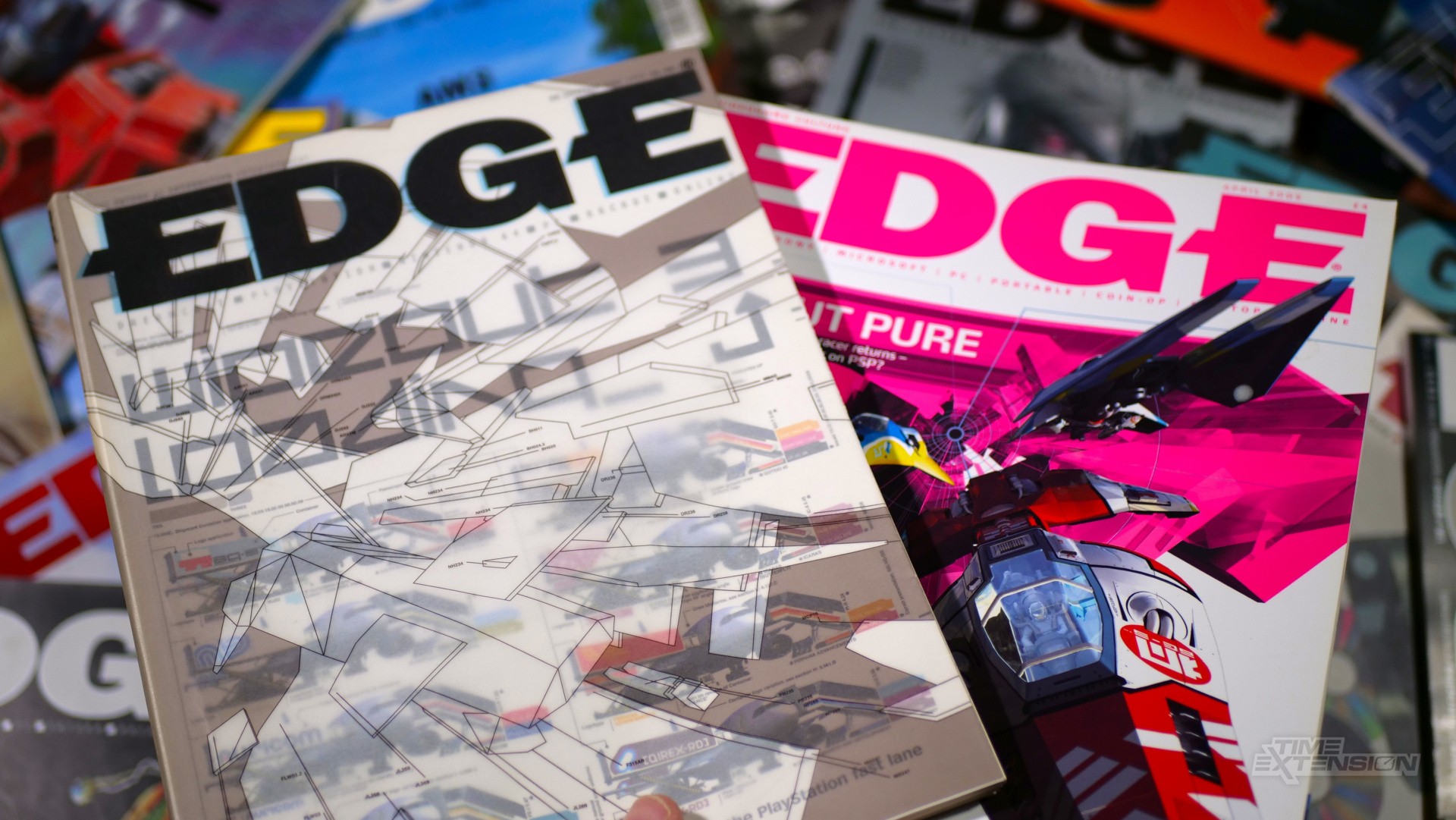
As a video game magazine fan from the 8-bit days of Crash And Zzap, the impact EDGE had on me as a designer was incalculable. Matt Williams’ sophisticated design looked more like an art journal or architecture quarterly than Sinclair User, and made everything else in the industry (including all my work) look faintly ridiculous. Williams was famously withering about the low-res screenshots and often juvenile art of the games industry, but EDGE arrived at just the right time: the PlayStation and Saturn were on the horizon, and the industry (and audience) had grown up. With shrink-wrapped covers and opulent printing techniques, EDGE would be as influential on me (and most designers I knew) as the Peter Saville-designed record sleeves for Joy Division and New Order for Factory Records. It was that big a deal.
It took me 18 years to get to redesign EDGE myself, and once I accepted that it was impossible to match the cultural significance of the Jarratt/William era, we had a lot of fun reconnecting with the visual dynamism that the magazine had been famous for. My own mantra was that we should treat the iconic video game companies with the reverence and design minimalism of couture fashion houses – so Sony and Nintendo became Gucci and Alexander McQueen, epic brands that inspired devotion – and I borrowed heavily from fashion and lifestyle magazine layouts to give us a very different feel.
My design philosophy was that EDGE was a cult, and as such, it was bigger than any individual game we covered. Unlike the format-specific officially licensed titles that I worked for at Future (like Xbox and PlayStation) EDGE existed as EDGE, which meant that whatever game we were covering, we committed to treating it in a way that no one else would. It was about looking deeper, finding the DNA of the game and then designing covers that fitted with our aesthetic. So even if we were given exclusive pack art, we often applied radical crops and bold typography or, more often, rejected it in favour of deeper cut development art. It was the story we wanted to tell about the game that mattered, and EDGE’s unique visual identity mattered more (to me) than any individual game.
EDGE always benefited from super smart and visually literate editors, and I was fortunate to work with Tony Mott at the helm, who encouraged and nurtured enigmatic and provocative cover treatments and editorial layouts. One of my favourite covers was actually designed by him: a brutal crop of Mario’s face with the coverline 'IT’S TIME' plonked on his nose. It was unexpected, eye-catching and playful, a characteristic not often remembered about EDGE. It wasn’t enough to put the game art and logo on the cover – we had to show what we felt about the game.
This EDGE difference became a real opportunity for developers to show a different side of their game – EDGE had been an industry favourite from issue one – and getting covered in the magazine really mattered as a sign of respect. This often enabled us to get big budgets for lavish treatments, and I think that most game studios enjoyed being able to veer away from market-tested game pack and campaign art to show more interesting angles on their games.
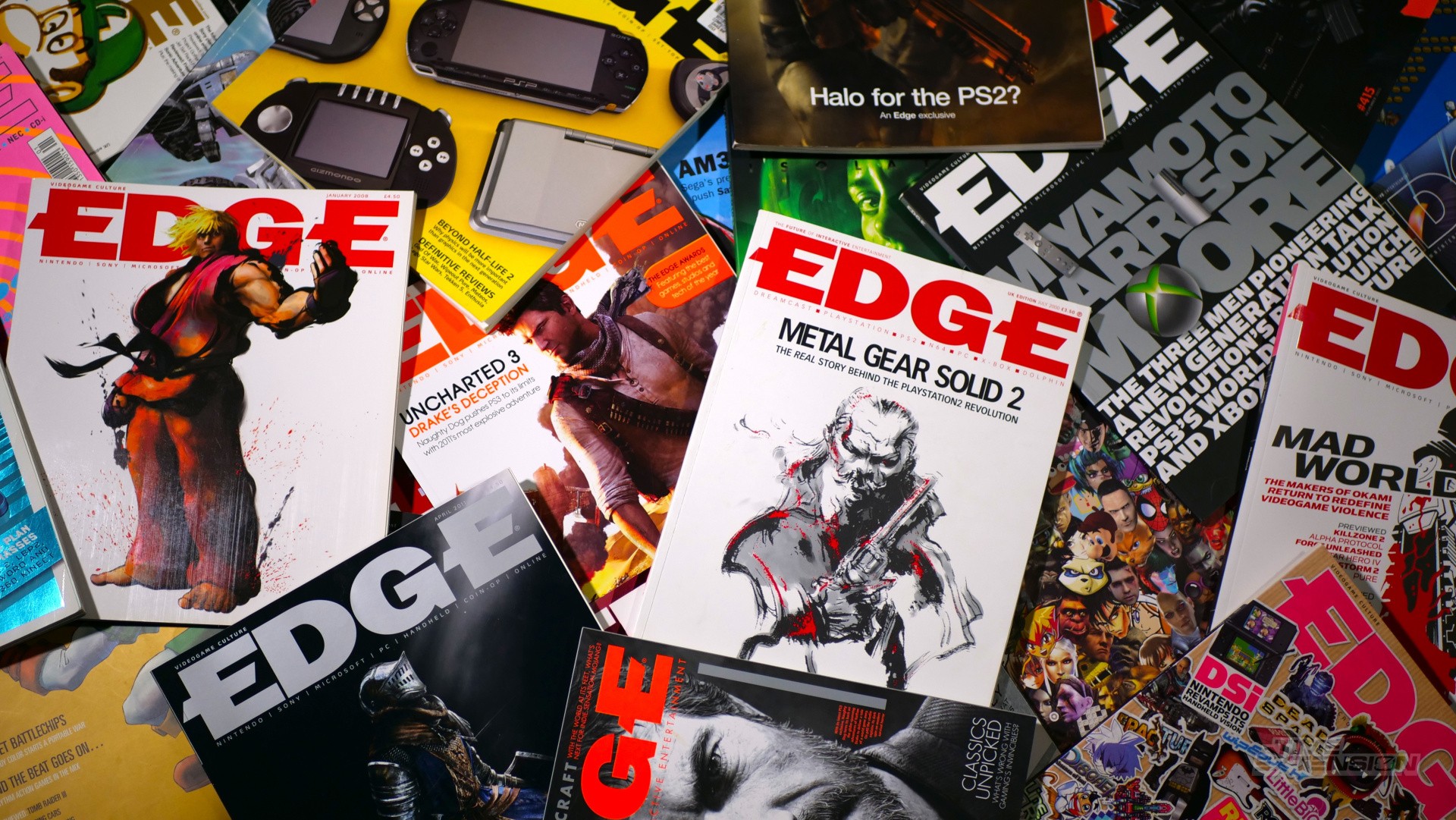
Some games were so early, they barely had any art, but a combination of smart editorial lines and special print treatments could expose under-the-radar titles to a dedicated audience. The (then) obscure indie No Man Sky benefitted from a lavish foil treatment and provocative coverlines (INFINITE. EPIC. INDIE) and the magazine articles themselves often highlighted the stunning artwork behind the scenes, another reason that studios themselves usually relished getting EDGE articles. RiME by Tequila Works had some of the most beautiful development artwork we’d ever seen, and as well as a mammoth feature inside the magazine, we executed a suitably extravagant (and expensive) blue foil cover. It was only when I met Tequila founder Raúl Rubio recently that he admitted he’d been so determined to ensure he got that extra special EDGE treatment, he’d paid for the cover treatment with his own credit card.
EDGE has frequently been criticised by some as aloof, but to me, this has always been a misunderstanding of the magazine’s unique integrity. Games really mattered to EDGE – hence their notoriously harsh scores – and the elegant, adult design that helped make it famous was simply a reflection of the editorial mission: to take the industry seriously. Its continued existence as every other magazine vanishes proves (to me) that caring that much is a trait that should be celebrated.
Mark Wynne (Art Director 2011 - 2015) designed a large range of titles for over 30 years, from Official 3DO Magazine (yes, it was real) to Official PlayStation Magazine. He now works as an independent design consultant for the games industry, as well as designing for videogame book specialist Tune & Fairweather.