
 by
by 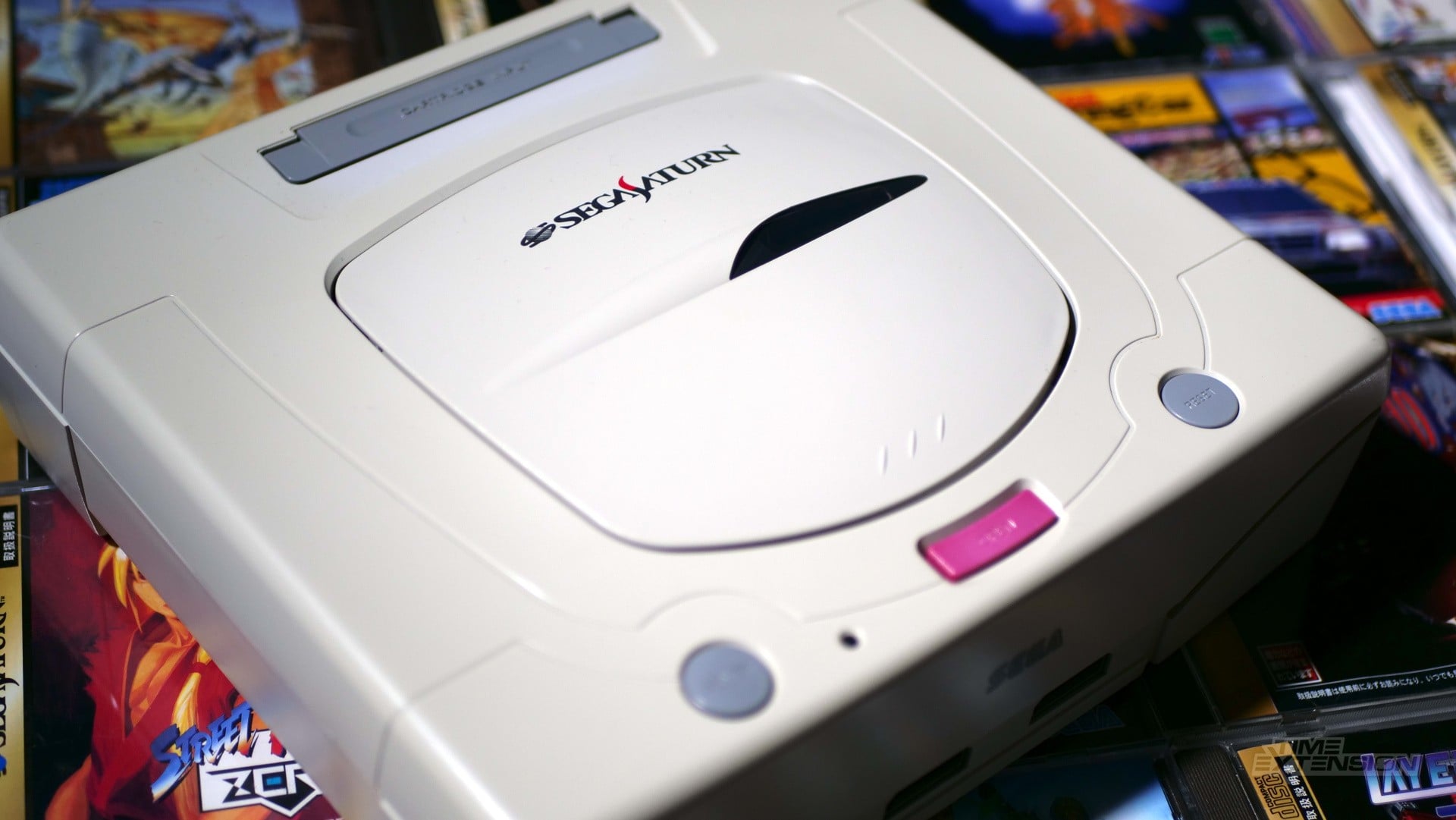
If you've played a modern 3D video game recently, then you will almost certainly have noticed an effect known as "dithering", which allows an object to become semi-transparent when it obscures your view of the action.
While it's certainly effective, the dithering effect can often look somewhat ugly, which has led many to speculate why developers don't use the more visually appealing transparency approach instead.
Boundry Break has posted a handy summary of why this is the case, and it all relates to how modern systems handle transparency effects in relation to other 3D objects in the scene.
Using Pokémon Pokédex as an example of why transparency effects can have unwelcome outcomes, a block is shown with a transparency effect applied, which then affects the visual effects applied to other 3D objects on-screen.
Dithering is different; it simply tells your graphics hardware that any object closer to the camera than another should be dithered, which doesn't re-render it but instead puts a bunch of holes in it, making it semi-transparent. This avoids the visual glitch seen in the Pokopia video above.
Those of you with long memories will recall that during the 32-bit era, one of the advantages the PlayStation had over the Sega Saturn was its ability to easily render transparent 3D objects. Given that this was in the infancy of 3D gaming, there wasn't the issue of rendering transparencies 'breaking' other on-screen effects. As a result, many games that were on both systems ended up looking far better on PlayStation.
The Saturn can achieve transparency effects to some degree, but it was certainly easier to do so on Sony's hardware. However, given that the industry has largely embraced dithering these days, you could argue that Sega was ahead of the game (kinda).