
 by
by 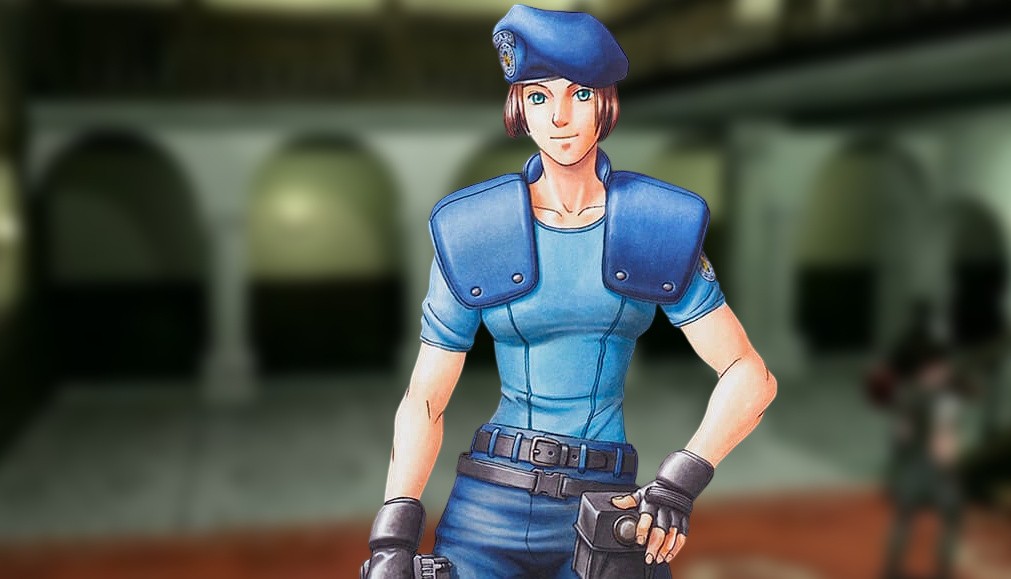
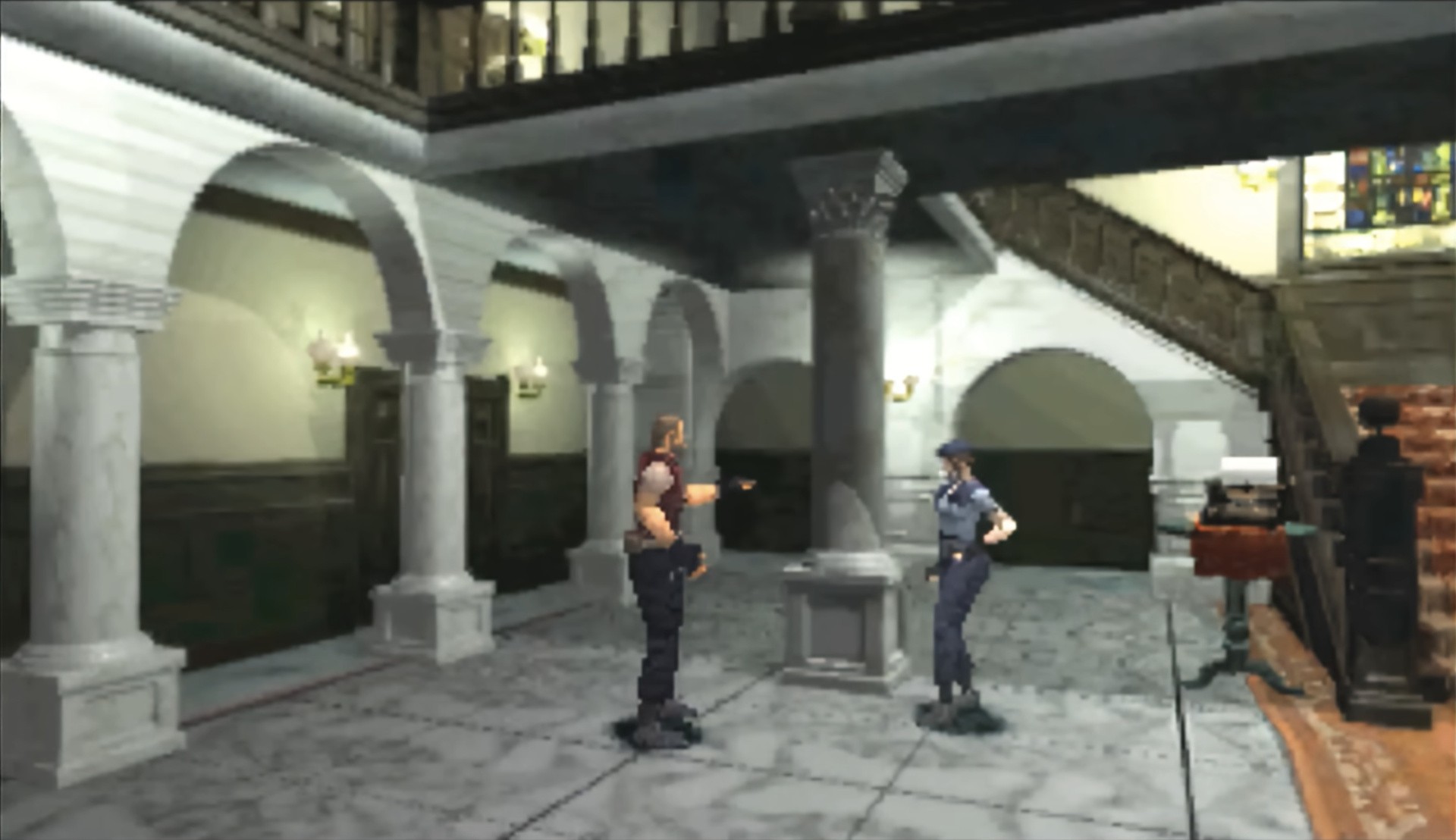
Speaking exclusively to Time Extension, Tom Shiraiwa, a former localisation lead at Capcom's Osaka offices, recently offered insight into the localisation of the 1996 survival-horror classic Resident Evil, including a potential explanation as to why the game's dialogue ended up being so laughably bad.
Despite its reputation as one of (if not) the most influential horror games of all time, much has been written over the years about the low quality of Resident Evil's English voice acting and in-game dialogue, with many comparing it to low-budget, straight-to-video B-movies of the 80s and 90s.
Lines like "You were almost a Jill Sandwich," for instance, and "It might be handy if you, the Master Of Unlocking, take it with you" have both gone on to spawn a bunch of online memes, as well as plenty of self-referential easter eggs in other Capcom games, such as Dead Rising and Resident Evil 4 Remake. And they're not alone, either, with the game's script being full of a bunch of other similarly awkward-sounding phrases that have gone on to be quoted endlessly by the game's fanbase.
Like many fans of the series, we've always been curious about why the game's translation turned out the way it did, but we have never been able to find much information because the studio has never credited the individual or individuals involved. Last month, however, we found ourselves speaking to Shiraiwa about his years in localisation at Capcom (1990-2004), and during the process, he was able to fill us in on some of the context behind Resident Evil's "comical" dialogue, implying that it was the result of the game's director, Shinji Mikami, bypassing Capcom USA to work with his own voice over company and translators.
According to Shiraiwa, how the localisation process would typically work on Capcom games back in the early '90s is that Shiraiwa would usually submit a draft featuring a very basic translation of the game to Capcom USA and would then partner up with one of their employees (more often than not, Erik Suzuki) to make it sound more natural in English. Then, in circumstances when English audio needed to be recorded, they would bring in the freelance casting director/voice director, Susan Hart (whose involvement with Capcom began through her connection to Marvel properties, such as the X-Men Animated series). The original Resident Evil, however, proved to be an exception to this.
Because it was such an important project for Mikami, and likely because of the amount of voiceover work that needed to be done, Shiraiwa's involvement ended after submitting a rough translation of the game, with the former localisation lead telling us that the game's director deliberately opted to record the dialogue in a Tokyo studio instead, enlisting his own team to punch up the game's script.
"Mikami actually went to a studio in Tokyo to record those English voices," said Shiraiwa. "And I think maybe the same company worked on the English text as well. [...] I think the reason for that is that Mikami wanted to be directly involved in the recording session and also give it that very Western horror-film kind of atmosphere. [...] So he actually bypassed me on that project, which was very rare at that time."
He added, "Mikami's Resident Evil team really wanted to do everything internally. "They were even hesitant to use people from overseas, and other departments within Capcom, other than Capcom Production Studio 4. Their philosophy was that if you use external people, they will not be able to fully convey what they are trying to achieve in the game because they are outsiders."
According to Shiraiwa, this attitude only started to change after Resident Evil launched, when members of the team became aware of some of the "comical expressions" that English-speaking fans were picking up on, leading Resident Evil 2's director Hideki Kamiya (not Shinji Mikami as Shiraiwa previously told us) to enlist the localisation lead's help for the game's sequel.
However, some on the team were still not satisfied with the quality of their work on the project, because the game mostly featured Canadian voice talent rather than US-based actors.
"When all the problems became apparent with the translation, Kamiya started talking to me for RE2 and the rest," Shiraiwa told us in a follow-up on LinkedIn. "We (Erik and I) handled those projects using recording studios in Canada. We tried our best, but they were not completely satisfied with our work either (Canadian accent for American characters was a part of the issue, I think)."
We checked with several sources to double-check Shiraiwa's story, including Chris Kramer, who worked at Capcom USA in the '90s. Kramer seemed to confirm Shiraiwa's version of events, stating, "Tom would definitely not have come up with dopey stuff like 'Jill sandwich' or 'Master of Unlocking'" and that, in his opinion, all signs pointed to the game being translated by someone else in Japan:
"In the early 90s, scripts for Capcom games would often get shipped over to the Capcom US office and a handful of us — Scott Smith, Corey Tresidder, Joel Pambid, Robert Johnson, Justin Berenbaum — would often be tasked with reviewing and "cleaning up" the text. I just checked with Scott and he did not do any work on RE and I would know if Corey, Robert or Justin had done so, which leads me to believe that the English work was being done by English speakers in Osaka, probably on the QA team.
"We did a lot of other stuff — renaming Mega Man bosses, working on scripts for the Breath of Fire games, etc. — but RE didn't come our way or we would have cleaned up some of those clunkers."