
 by
by 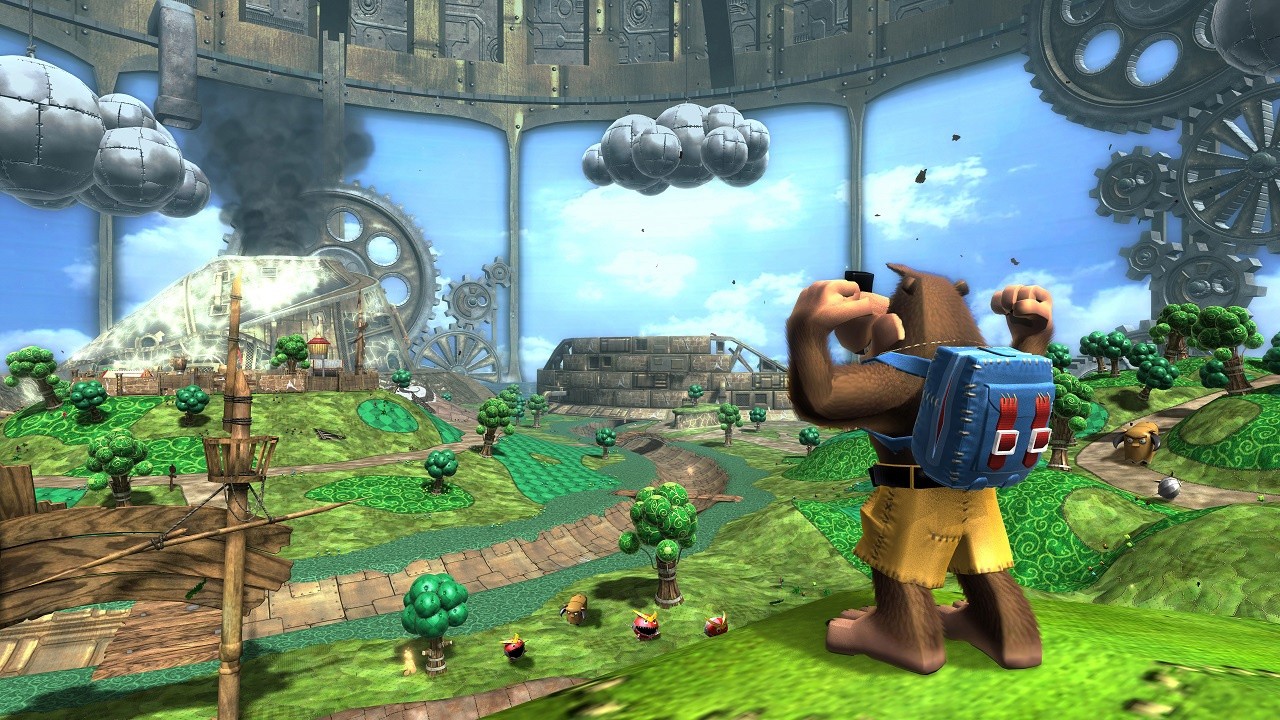
We were recently lucky enough to sit down for a chat with Xbox co-founder and former Microsoft vice president of gaming, Ed Fries, and one of the topics that came up was British studio Rare.
Microsoft acquired Rare in the 2000s, transforming it from a Nintendo-centric outfit into part of the Xbox family – a situation that remains unchanged to this day.
While Fries wasn't at Xbox for long after the deal was done, he's naturally got some opinions on how the company has operated since the acquisition.
Rare's first game for Xbox was Grabbed by the Ghoulies, which Fries describes as "a great little game, but it was just kind of the first of many things to come from the relationship." He adds that "it wasn't meant to be the cornerstone of what we were going to do with Rare in the future... the only regret I have is that I don't think we set expectations correctly."
In fact, the game that did eventually make Fries "feel good" about the deal came a little after he had left:
"For me, though, the game that really made me feel good about the acquisition was Banjo-Kazooie: Nuts & Bolts. I thought the creativity of the physics-based construction was great, and of course, we later saw it strongly echoed in Nintendo's The Legend of Zelda: Tears of the Kingdom. That made me feel good that the creativity was still there at Rare."
When quizzed by us on the current position of Rare and why the company hasn't returned to its older IP in recent times, Fries feels that experimentation and a willingness to try something new are perhaps more important:
"One thing you need to think about is just how difficult it is when you have a hit game to make another hit game. You take a great studio that we worked with, like Ensemble Studios, for example; they made Age of Empires, and then they made more Age of Empires, and then more Age of Empires. And all that time, they were trying to start other internal projects, but none of them got very far off the ground.
By comparison, Rare is trying very original, new things all the time. And when you do that in the game business, most of them are going to fail. That's just the way the game business works. If all they did was make Perfect Dark sequels, they probably could have looked more successful. They wouldn't have been more successful from my point of view. My point of view is that they're continuing to create really interesting new things that will hopefully become future sequels. But not that many studios can do that, I guess is what I'm saying. Even the best studios, if they're trying new things, will most likely fail. That's just part of the game."