

Back when I was a kid, Dungeon Master was a life-changing experience for me. Introduced to its real-time RPG charms at a tender age by my gaming-obsessed father, FTL's seminal first-person dungeon-crawler really left a mark on me – but this piece isn't about Dungeon Master, it's about Shining in the Darkness, Climax Entertainment's first Genesis / Mega Drive release, which followed around four years later.
From the moment I read a report in British magazine Raze (issue 4, February 1991 – it's NSFW, so consider yourself warned), I knew I had to own this game. "The game causing the most excitement in Japan on the Mega Drive is Shining and Darkness [sic], the Dungeon Master clone that far surpasses the original," reported Shintaro Kanaoya (who I always assumed was a fake name used by a British writer given the preponderance of British slang in the text, but is, in fact, a real person who has since worked for Bullfrog, Rare and Microsoft – and starred in the TV series Shōgun and FBI: International).
To be brutally honest, I'm not sure I'd argue that Shining in the Darkness (called Shining and the Darkness in Japan) comes anywhere close to reaching the heights of Dungeon Master, but that doesn't mean I wasn't utterly intoxicated by it at the time of release. I recall receiving the Western version for my birthday in 1991 and being blown away by the bold sprites, smoothly scrolling dungeons and rousing music.
The turn-based random encounters took a little more getting used to – you have to remember that, while Shining in the Darkness came a few years after Final Fantasy and Dragon Quest had gripped Japan, JRPGs were a lot less common in the West (Phantasy Star had hit the Master System a few years previously, but I didn't play it at the time). In fact, this may well have been my first introduction to the genre – and I found the fact that I couldn't actually see enemies before they attacked me to be, well, backwards when compared to the real-time, persistent world of Dungeon Master.
But then, this was never meant to challenge FTL's 1987 classic. Instead, Climax Entertainment tried to replicate the feel of the Wizardry series (which was massively popular in Japan), while the studio's origins as a breakaway outfit made up of former Enix staffers (Hiroyuki Takahashi, Kan Naito, Yoshitaka Tamaki and Yasuhiro Taguchi) make the Dragon Quest influence all the more obvious. What they came up with is a traditional turn-based JRPG viewed entirely from a first-person perspective; the Wizardry influence is easy to spot, but it is combined with a softer, more approachable setup, similar to that seen in Dragon Quest.
Once I'd gotten over the fact that this wasn't going to offer the same kind of immersive, real-time experience as my beloved Dungeon Master, I was able to appreciate Shining in the Darkness' charms fully. JRPGs, as we all know, have an addictive gameplay loop that makes them so compelling. You earn experience to level up and improve your abilities, defeat enemies to acquire gold, and visit the local shop to purchase better gear – all of which make your subsequent descent into the Labyrinth a little bit easier.
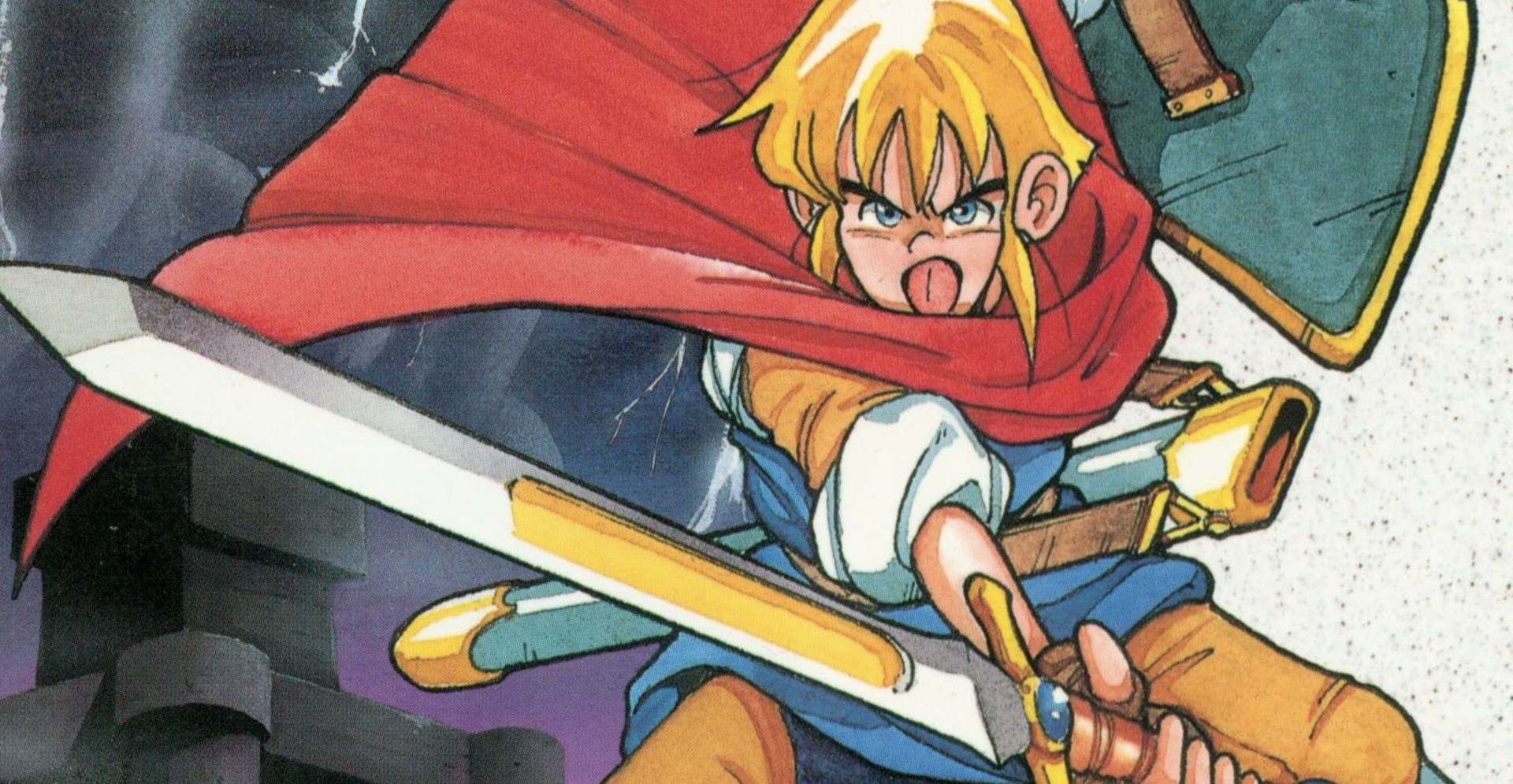
Japanese games were very often praised back in the '90s for offering stronger characterisation than their Western counterparts, and Shining in the Darkness is an excellent example of this. While Dungeon Master barely featured any character artwork (outside of the famous champion portraits), Shining in the Darkness was blessed with the invaluable talent of Yoshitaka Tamaki, who tragically passed away in 2023.
I remember loving Tamaki's work across titles such as Shining Force, FEDA, Landstalker and Alundra, but Shining in the Darkness was my first exposure to his art. I spend hours copying the original Japanese illustrations from copies of Mean Machines magazine (the Western versions removed Tamaki's art from the packaging, sadly); I still don't think there's another artist who has so perfectly fused Western fantasy with Japanese sensibility in this way.
Shining in the Darkness isn't a perfect game, by any means; the lack of an in-game automap is maddening, the initial grind to gain experience and cash can be off-putting and the entire concept feels a little underdeveloped at times – something that would be rectified in HAL's so-similar-there-should-have-been-legal-action Arcana on the SNES, and later by the superb Shining The Holy Ark on the Saturn, a direct sequel to Climax's 1991 Genesis / Mega Drive debut.
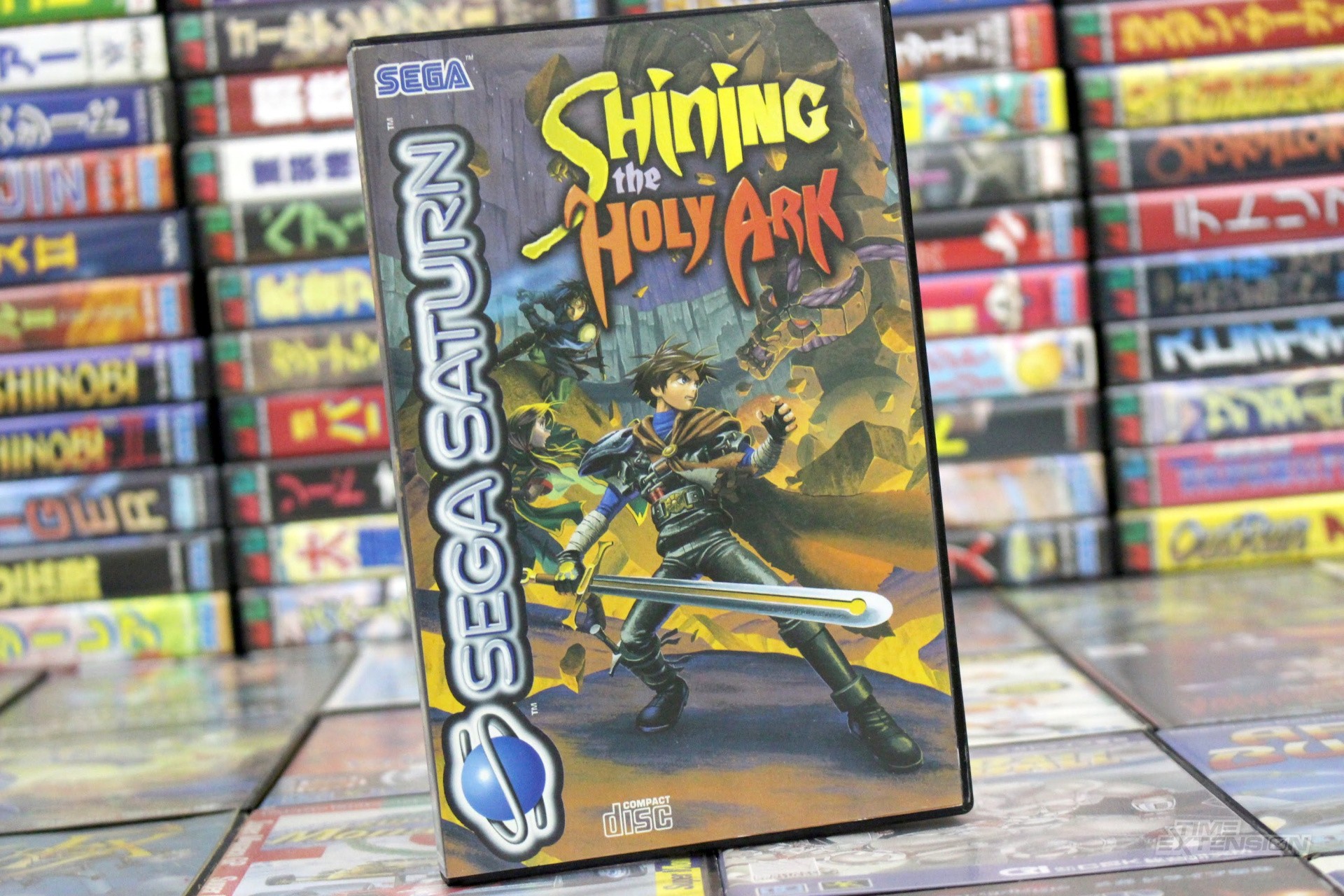
Despite the 32-bit sequel, Shining in the Darkness represents something of an unusual dead-end. While the series would shift into the world of turn-based strategy with Shining Force, and it's this branch of the franchise which is perhaps better known by fans globally (although, since Takahashi and his team stepped away from the series, most of the Shining Force games have been pretty poor).
For me personally, however, it will forever be my entry point into a JRPG fantasy landscape, and from that point on, I was hopelessly hooked on the genre.