
 by
by 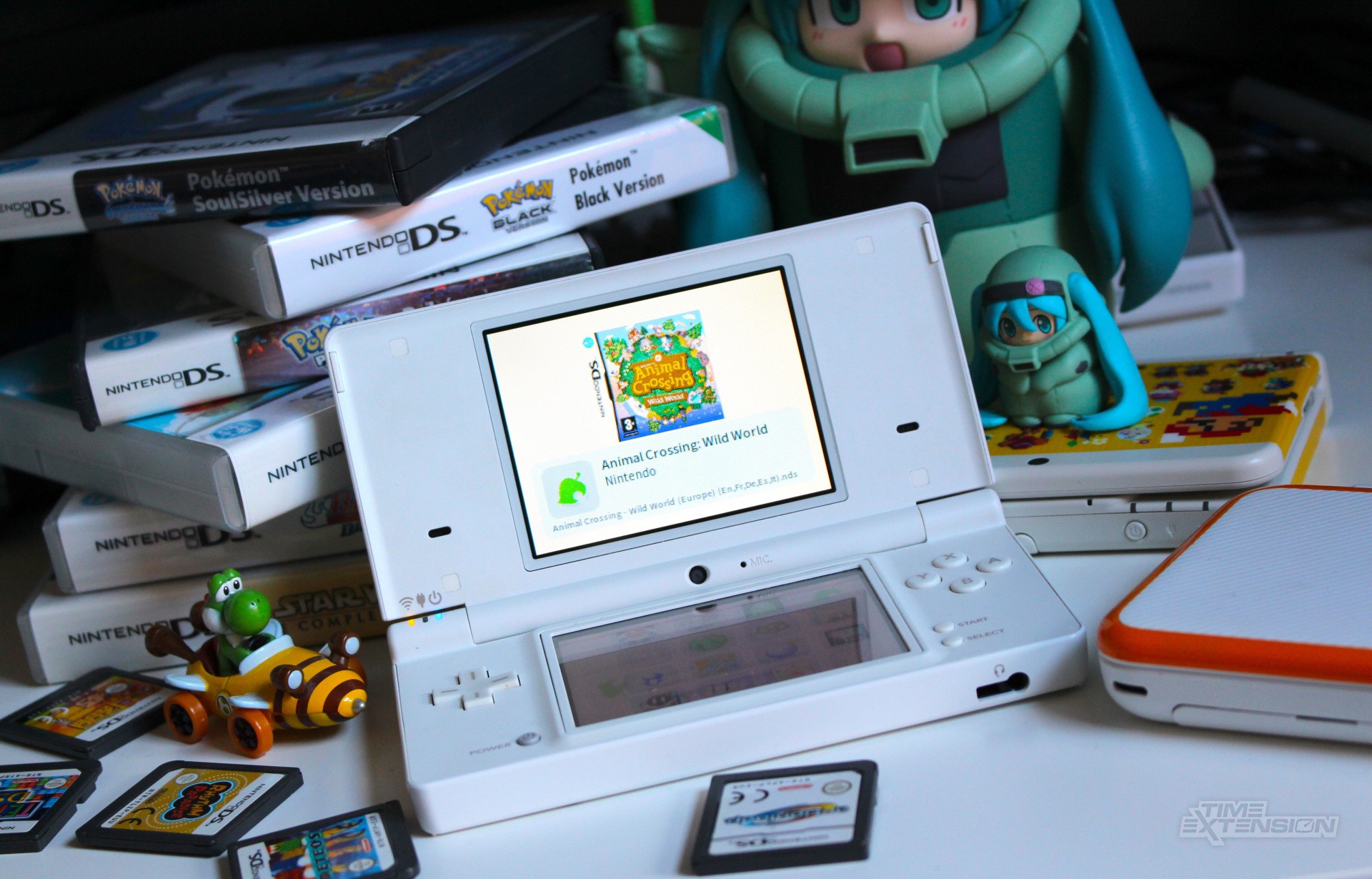
Even during its active years, the Nintendo DS was home to a range of flash carts which allowed users to play ROMs they'd downloaded from the internet rather than actually buying them with their hard-earned cash. The proliferation of these devices – usually called 'R4' carts – became somewhat astonishing, and it was something of a lottery as to whether the card you purchased would actually work as described.
I recall being gifted an R4 derivative (these things were cloned and copied to high heaven) and spending days trying to locate the correct firmware, only to give up and buy a pre-flashed unit a few years ago – one which would routinely wipe the MicroSD card when you least expected it. Even worse, some R4 carts are designed to self-destruct after a certain period unless you know which firmware to use.
What I'm trying to illustrate here is that, although DS flash carts certainly aren't a new thing, there's been room in the market for one which actually works properly and doesn't cost the earth – and, thanks to the fact that Nintendo has long since switched off the DSiWare service and doesn't sell DS games physically anymore, it now makes sense from a purely moral perspective.
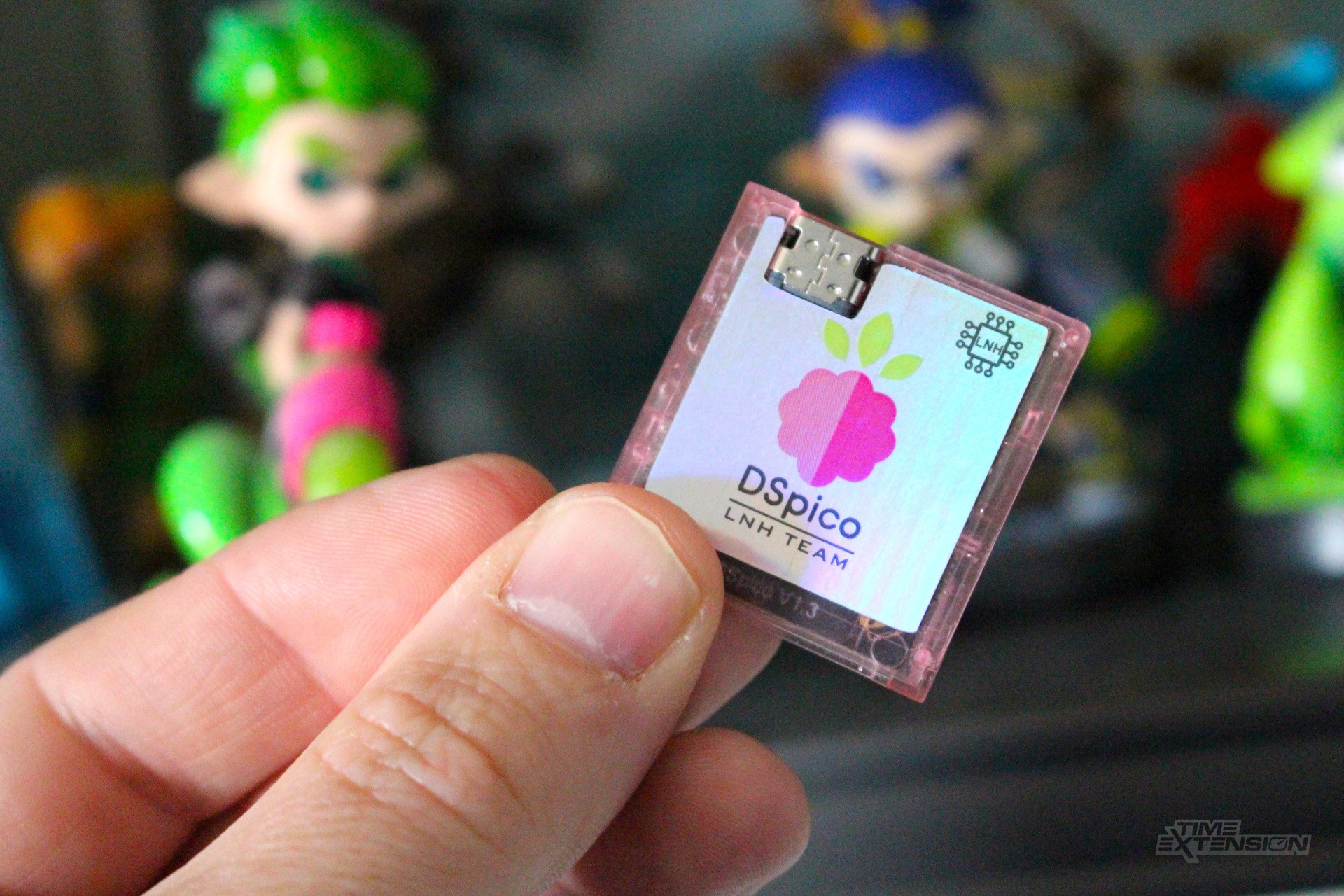
DSpico is that device. Developed by LNH team, the project consists of a DS flashcart and an app launcher (the latter of which can actually be used on many existing flash carts). The big difference compared to the R4 carts of old is that DSpico is totally open-source – meaning anyone can build it and develop improvements to make it even better in the future.
On the surface, then, you've got a flash cart that effectively lets you carry around hundreds of DS games. What makes this device even more special is that it does something even the old R4 carts couldn't – it allows you to boot DSiWare titles and DSi-enhanced titles on 3DS consoles.
The open-source nature of the DSpico also means you can expect to see rock-bottom prices. It's possible to order a unit from sites like AliExpress for around $10, although, like R4 carts, these can present something of a headache when it comes to the firmware preloaded on the device.
I decided to spend a little more and order one for $20 (excluding shipping) from Phenom Mod, which came with the added bonus of including a more modern USB-C port built into the card itself, rather than MicroUSB (one of the aforementioned bonuses of this being open-source is that people can make hardware as well as software improvements).
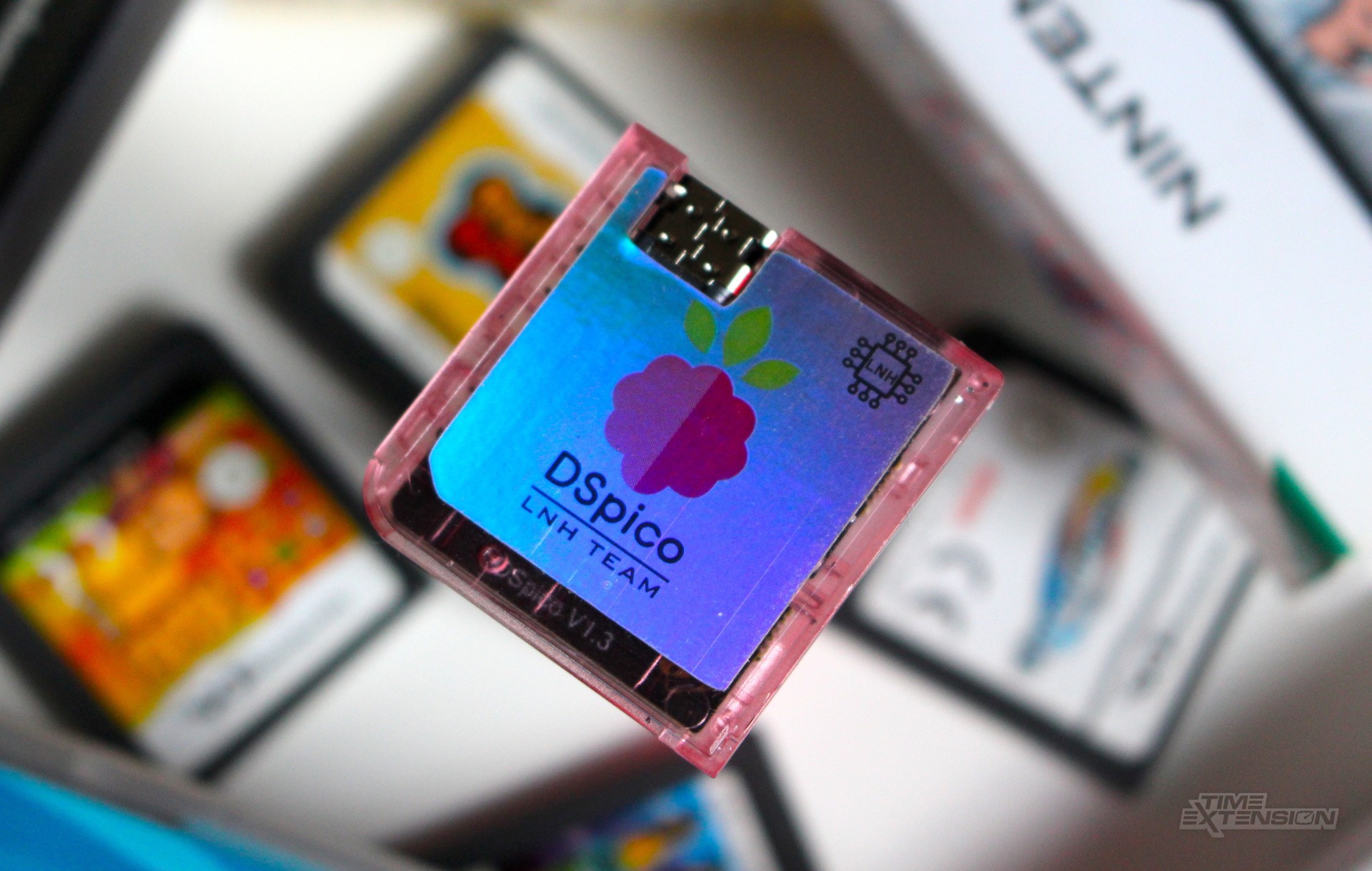
The cart itself came pre-assembled and is clad in transparent plastic. This allows you to see why the DSpico is so named; the cheap-but-powerful Raspberry Pi Pico chip, which makes this all possible, is plain to see. The only other physical feature of note is the aforementioned USB-C port.
While some retailers will install firmware for you, the DSpico isn't a "one size fits all" deal when it comes to the software that's loaded onto the card. There are two versions of the DSpico firmware available: Hybrid and WRFUxxed. The one you pick will depend on the hardware you intend to play on.
The Hybrid firmware will work on the original DS, unmodded DS Lite, modded DSi, and modded 3DS (only for booting DS games, not 3DS titles in the latter case). WRFUxxed, on the other hand, is intended for use with an unmodded DSi or 3DS system. This firmware has been developed to leverage an all-access DSi-mode exploit. Ntrboot for 3DS and DSi is also supported by the DSPico, but I didn't get a chance to test that.
Working out which firmware to install is perhaps the most difficult part of the whole setup process – and even that's pretty easy, in all honesty. That should give you some indication of how straightforward it is to get the DSpico working; the only other thing to consider is that you'll need to periodically check to see if your firmware has any updates available to benefit from all of the lovely open source development that's bound to happen over the next few years.
Some people have encountered issues when trying to run DSiWare titles, but this seems to be related to the type of SD card being used rather than any issues with the DSpico itself. If you run into this problem, make sure your card is formatted in FAT32 and that you use the official SD formatter. If you're still having issues, then it might be worth opting for a smaller capacity SD card.
That said, the DSpico runs everything pretty well right now. I tested a bunch of games, and they all functioned without issue. You'll need to make sure your ROMs are in .nds format, but other than that, I didn't encounter any roadblocks that had me tearing my hair out – the games played just as they would have if I'd been booting them from their original media.
Where you procure those ROMs from is very much up to you, but whenever dabbling in the world of emulation, it's important to remember that actually having such files is legally dubious – even if there's no way of buying these games digitally any longer.
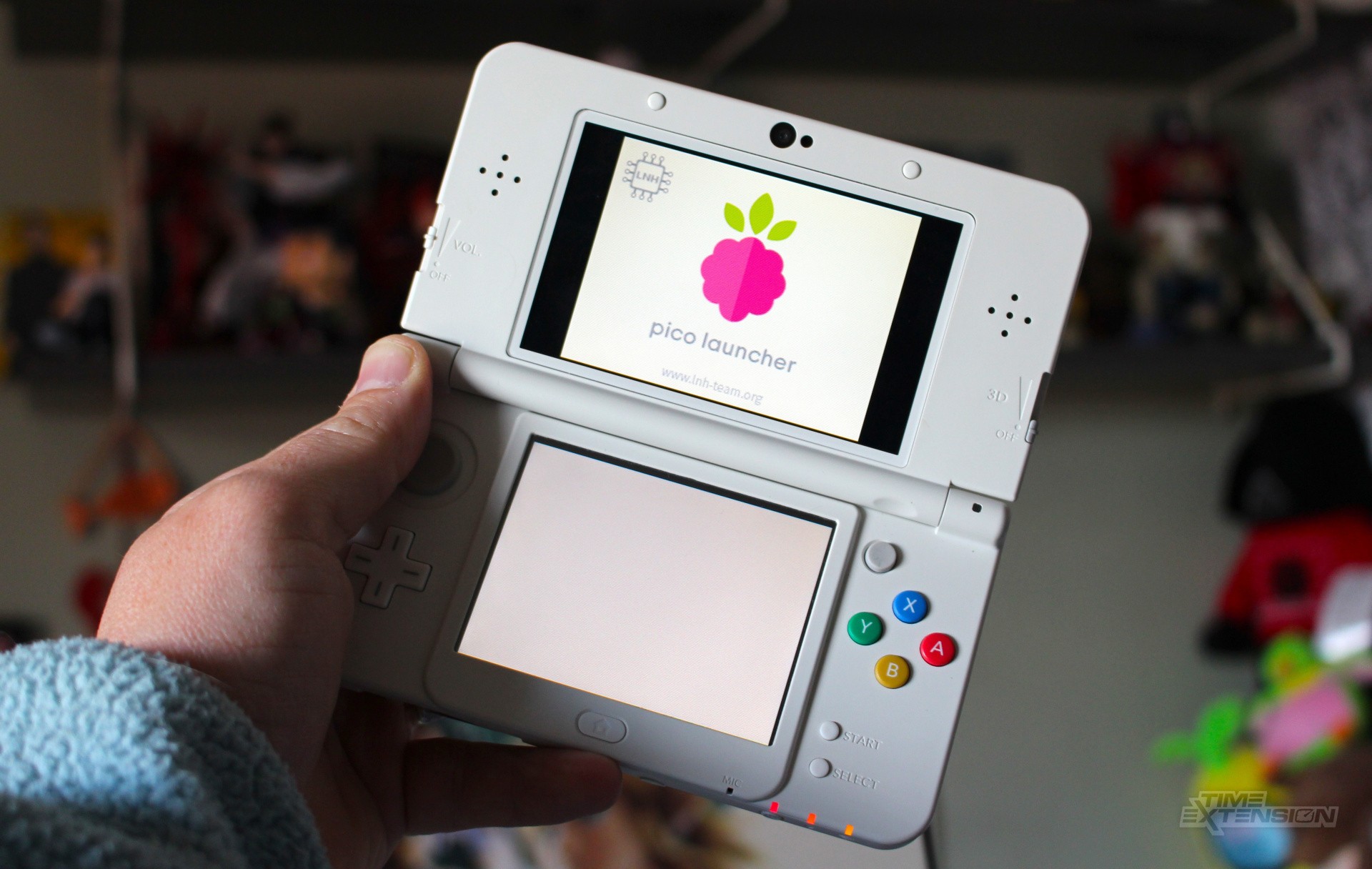
In terms of the user interface, Pico Launcher is clean and easy to navigate. It's capable of displaying each game's cart icon (just as it would appear on a standard DS menu), but you can add some visual sparkle by visiting PicoCover, which, upon reading your MicroSD card via the web-based UI, will download cover artwork that is displayed in Pico Launcher's game browser (shout out to Retro Handhelds for bringing that to my attention).
It's also worth noting that, compared to the software R4 users have had to endure over the years, Pico Launcher is blazing fast, both in responsiveness and in loading games from your MicroSD card. To make things even better, DSpico has low power consumption, too; according to the team behind the project, it pulls around ~57 mW on average.
Ultimately, there's virtually nothing stopping me from wholeheartedly recommending this flash cart. Sure, casual users might find the setup process a little taxing and there's no avoiding the fact that you'll need to get your hands dirty when it comes to obtaining games to play on this thing, but in every other respect, I can't imagine how the DSpico could be any better – although I'm sure that over the next few years, the homebrew community will do just that, pushing the cart in new and unexpected directions that go way beyond merely playing DS games.
What's truly stunning is that you can pick one of these up for as little as five bucks, which makes it a complete and utter no-brainer if you want to explore the Nintendo DS library on original hardware rather than via emulation.