
 by
by 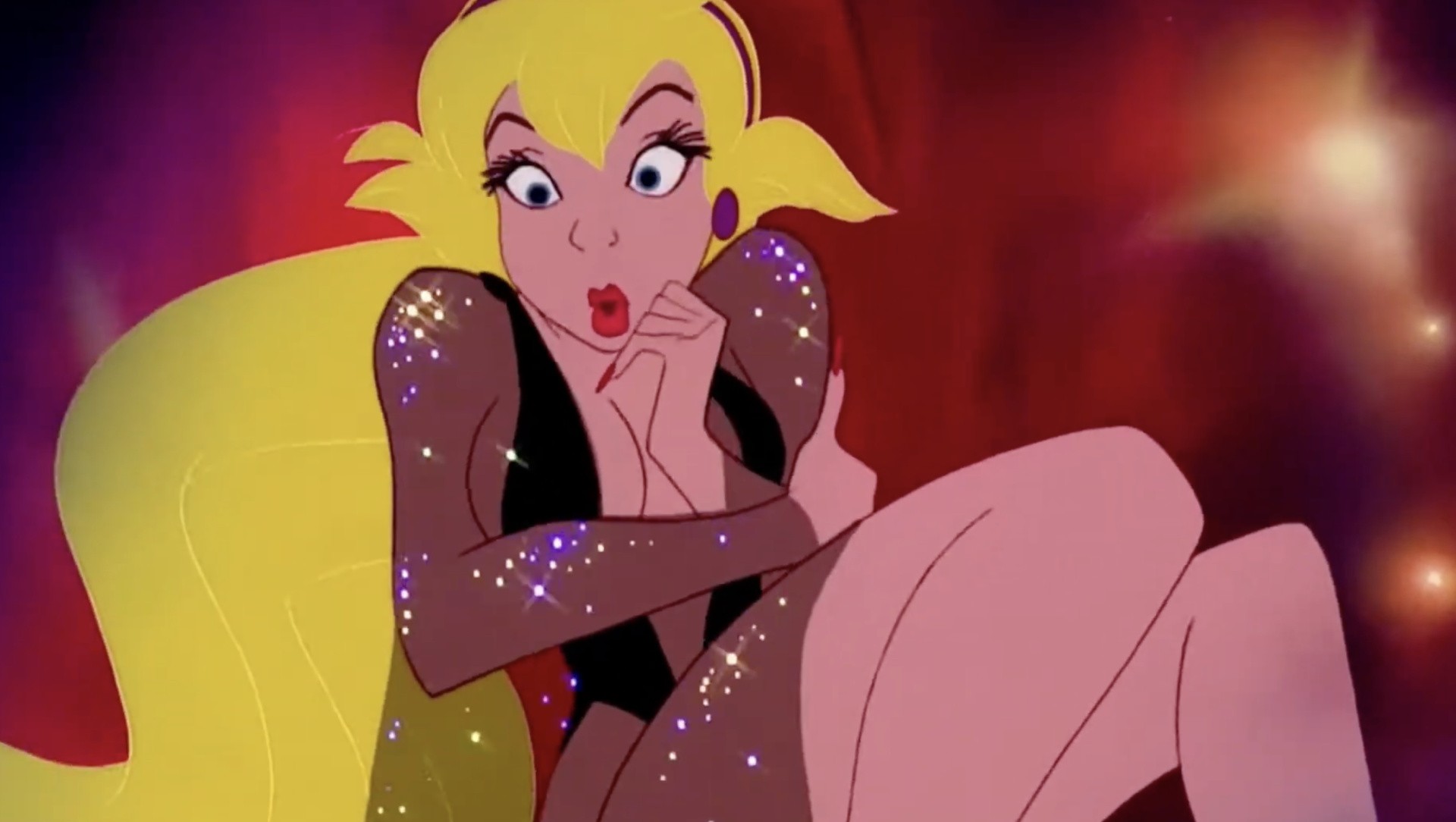
The legendary Dragon's Lair isn't famous for its gameplay – it was the fact that, back in 1983, it looked worlds apart from the games people were playing in arcades and at home, thanks to the fact that ex-Disney animator Don Bluth was responsible for its eye-catching visuals.
In the years that have passed, Dragon's Lair's popularity hasn't waned all that much; it got ports to home computers in the '80s, spin-off releases on consoles in the '90s (as well as an "impossible" Game Boy Color version) and even something of a revival when DVD players came along at the turn of the millennium. More recently, an appearance in Stranger Things introduced the game to a whole new generation.
The game is likely to get another modest boost thanks to a project by TroyGPF / Troy Davis to port it to the Sega Dreamcast.
Davis has created DCSinge, a native Dreamcast port of Singe, which is "focused on FMV + Lua script-driven games." He adds that it "runs on KallistiOS, renders with PVR, and uses a Dreamcast-optimized .dcmv movie path instead of desktop video playback stacks."
As you can see from the footage above, performance is superb – but the catch is that Davis isn't publicly making the games available.
As he explains on the Dremacast Talk forum:
"Right now, it is a very manual process. Unfortunately I cant just release the copyright laserdisc games, so has to convert their Hypseus Singe (Daphne) lua singe m2v/ogg movie files to my Dreamcast dcmv container format with my dreamncast-fmv encoder, by editting the convert shell script, set movie screen size, fps, audio quality etc, lots of options (ffmpeg, dcaconv for adpcm audio,lz4 or zstd compression) and then copy the hypseus singe data files from Hypseus Singe github which has all the lua scripts and overlay images, sfx and ttf fonts, run the DCSinge tool files to convert the overlay assets, the wav files to adpcm sfx, convert the png images to .dt PVR textures format, optionally run the MP3 fixer script if the laser disc game supports mp3...
...if anyone has a good way to legally release this stuff let me know."
In other words, it's a lot of work, and the developer isn't comfortable releasing copyrighted material online. Davies also warns that some Laserdisc games will be "too big" for a CDR and require extreme compression in order to fit.
I'd imagine someone, somewhere, will make these titles available soon, but for now, let's just marvel that a console made in 1998 is perfectly playing a Laserdisc game from 1983.