
 by
by 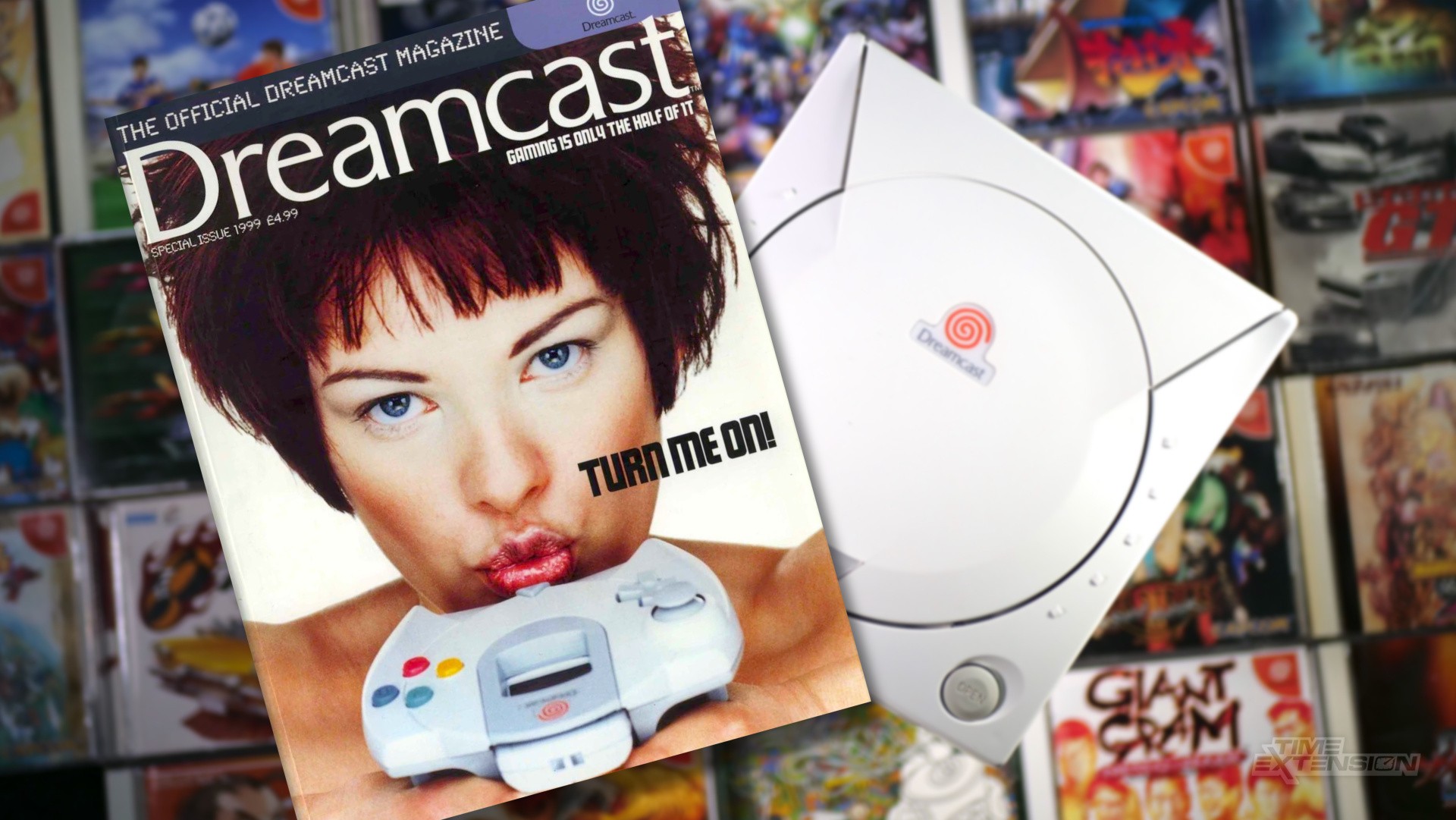
We've never made a secret of the fact that Sega's final console, the Dreamcast, holds a very special place in our hearts here at Time Extension.
Home to some amazing titles and arcade-perfect conversions, the Dreamcast remains popular with many players – but its lifespan was cruelly cut short when Sega was forced to exit the hardware market due to mounting losses.
In the UK, Dreamcast was supported by a trio of print magazines, with the Sega-sanctioned offering, Official Dreamcast Magazine, being owned by Dennis Publishing (Dreamcast Magazine and DC-UK were the other two).
It lasted for 21 issues, with its final copy hitting newsstands in June of 2001 (by this point, it had already shifted to a bi-monthly release schedule). However, that issue of the magazine didn't mention anywhere that it would be the final one, and a 22nd edition was planned – and, thanks to The Dreamcast Junkyard, we now know why it never appeared.
The site has spoken to Ed Lomas, who served as Deputy Editor under Warren Christmas on Official Dreamcast Magazine. When Dennis Published decided to launch PlayNation magazine, Christmas was moved on, placing Lomas in the editor's chair for the ill-fated 22nd issue. He says "most of the magazine" was completed when the team was told it wouldn't be going to press. "I was very proud to have put together a good magazine, and sad it never came out," he tells The Dreamcast Junkyard.
Lomas recalls that the issue would have had Phantasy Star Online Ver. 2 on its cover, and he even remembers interviewing Sonic Team's Yuji Naka about the game.
As for why the plug was pulled on the magazine, Lomas cites the lack of a cover-mounted demo disc as the reason. Around this time, it was normal for pretty much every UK single-format magazine to have a disc stuck to the front, packed with demos of upcoming titles.
As the Dreamcast release schedule began to dry up, this became harder and harder to achieve – and this is ultimately what killed Official Dreamcast Magazine, says Lomas. When Sega decided that a demo disc wasn't possible, Dennis decided to kill off the publication. "I got called into a meeting, told the magazine was ending and that I could join Warren on PlayNation or be given redundancy money," Lomas says. "It was the start of the summer and more money than I'd ever had so I took the cash and ran!"
Ironically, Lomas reveals that the magazine was actually profitable, largely because it cost less to produce, but "the loss of the demo disc was the killing blow."
The whole feature, which goes into deep detail about the magazine and its "lost" final issue, is well worth a read.