
 by
Update []:
So, I promised an exciting update, and here it is.
After the article went live, a California-based lawyer named Elliot Rosenberger got in touch. Coincidentally, he told me he had also been looking into the case over the last few weeks (being a big retro gamer in his spare time) and had found what I hadn't: a docket for a case called Pixar v. Nintendo of America on PACER. This was filed on 31st May 1995 and dismissed on October 27th, 1995, due to a settlement between the two companies. The docket, therefore, suggests that, as we proposed, the judge did not make any substantive rulings on this case, as was the case in Dailly's story.
Uniracers isn't named on this file, nor is Red's Dream, but it's hard to imagine this being about anything else, considering what we've heard in the past. Unfortunately, as Rosenberger highlighted, because the case is so old, the files don't seem to be available digitally on PACER, so we don't have access to the full case files to learn more about what the initial complaint was or Nintendo's response. But I've applied for electronic copies in hopes of further unravelling the mystery.
Rosenberger also suggested it might be worth reaching out to the legal representation for the two companies, which we have done, but as we quickly noticed, Nintendo of America's attorney, William Ellsworth Trautman (then of Brobeck Phleger & Harrison LLP), has since passed away.
As the case was litigated for such a short period of time, the others may also have forgotten the details in the years since, and it may be subject to a confidentiality provision due to the settlement.
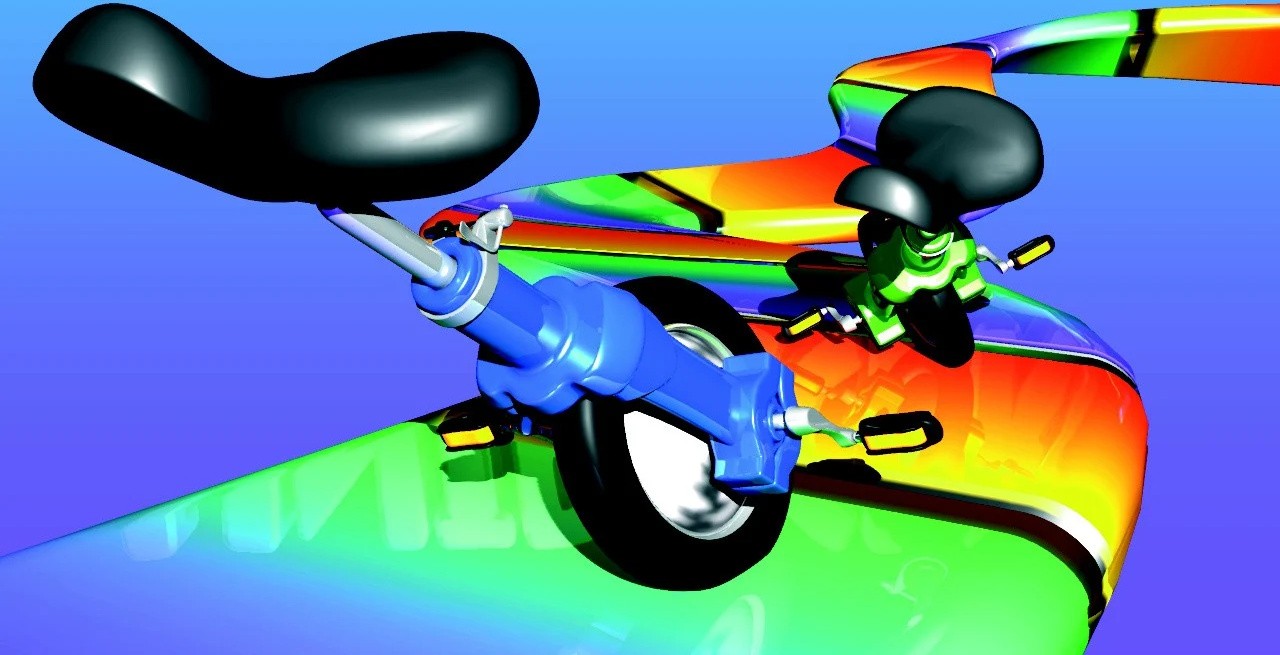
Original Story []: A few years before the Dundee-based developer DMA Design created the hugely successful open-world crime series Grand Theft Auto, it produced an offbeat racing game featuring a bunch of sentient unicycles as its main characters, in collaboration with Nintendo.
Uniracers (or Unirally, as it was known in European territories) launched in the US in 1994 for the SNES (and in Europe the following year), and is today considered something of an overlooked title in the studio's back catalogue, having never seen a rerelease on any console in the years since.
In 2010, Mike Dailly, the designer of the game, claimed in an interview with Damien McFerran (my boss and Time Extension's editor) in Nintendo Life (republished from GamesTM) that this was because Pixar had sued Nintendo in the aftermath of the game's release, alleging that the game was a copy of Pixar's 1987 animated short Red’s Dream.
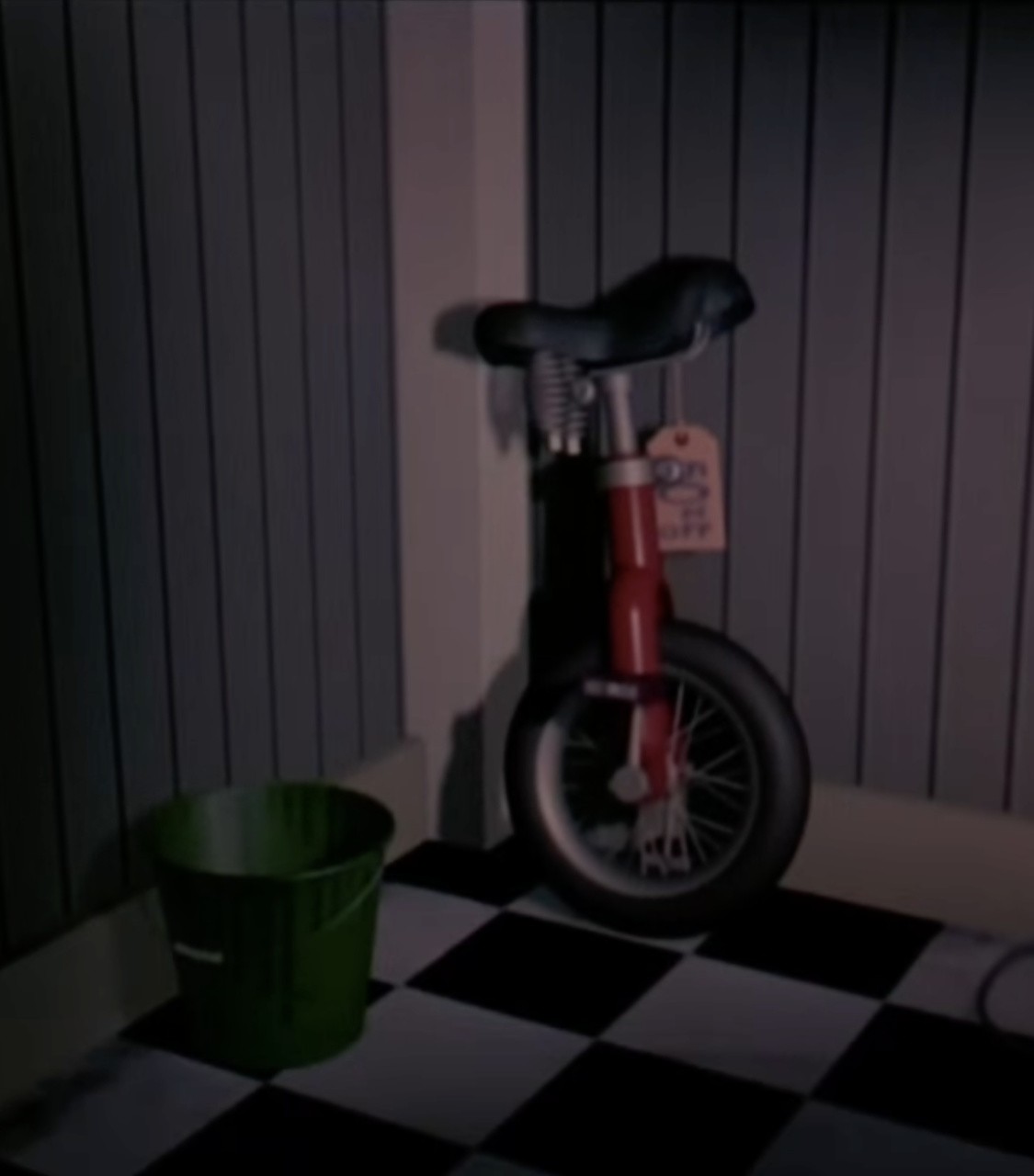
As the story goes, Pixar took Nintendo to court, where a judge found in favour of the animation company; therefore, a deal was struck — the result of which meant that no more copies could be produced beyond the original 300,000 manufactured:
"We modelled the unicycle exactly, based on a real life unicycle. The problem with Pixar was that they seemed to think that any computer generated unicycle was owned by them. They took footage from Red's Dream and compared it to Unirally and the unicycles were virtually the same; this isn't a big surprise as there’s not a lot of ways you can bring life to a unicycle without looking like the one Pixar did. The judge - being the moron that he was - agreed. While it was a unicycle, and did look similar, I think he should have looked at the game as a whole. If he had, then he would have noticed that the game was a completely different environment, and the ‘character’ of the unicycle just wasn't the same.”
Since this story's original telling, it has taken on a bit of a life of its own, with a large number of websites (1, 2, 3, 4, 5) and YouTubers (1, 2, 3, 4, 5, 6, 7) having repeated the claim elsewhere (in fact, four out of the seven videos we've just linked were published within the last two months alone).
However, in all of that time, as far as we know, no new evidence has ever emerged to back up these claims, with Dailly's comments to Nintendo Life still being cited as the primary source.
I should probably highlight at this point that this isn't to suggest Dailly and other DMA staff are lying about this, just that they likely heard about these events secondhand (not being the actual defendant in the case) and it's possible they could have easily been given misleading or inaccurate information by whoever relayed the story to them in the first place. I reached out to Mike Dailly to find out where he originally heard the story. In response, he told me, "We would have just heard it from Dave," referring to DMA Design founder David Jones, and also offered to check with him next week at the Scottish Game Developers Association's "Games Day" event, where they are both appearing.
Realising Jones would be an important source, I had already sent off a message to him on LinkedIn (as well as through other channels), in the hopes of a reply, but given he has sometimes been reluctant to accept interviews in the past and may have possibly forgotten in the decades since, I knew I should probably try another means of verifying the story. So while I waited, I started combing through Google for public court records and various news archives (Newspapers.com, Archive.org, the Video Game History Game Foundation Digital Archive) to see whether anyone reported on the case.
Ultimately, after hours of searching, I came up empty, unable to find a single piece of evidence to suggest a court case between Pixar and Nintendo had ever taken place. So I started reaching out to people who worked at Pixar and Nintendo of America to see if there was someone else who could potentially verify the story. That's when I got in touch with Craig Good, Pixar's very first layout artist and camera polish artist (who had worked on Red's Dream and now works as an associate professor at the California College of the Arts).

Replying to my email, Good immediately told me, "I have no recollection of this," but agreed to ask around with other former Pixar veterans on my behalf, leading to a suggestion that Ralph Guggenheim, the company's (then) vice president of feature animation and the production coordinator on Red's Dream, might know more. However, when I reached out to Guggenheim, he also had no memory of such an event taking place, though he stopped short of discounting it entirely, saying he was very busy at the time with getting Toy Story out the door and others at the studio may have been involved.
"This is something that supposedly took place 30 years ago, at a time when I was deep in the throes of finishing the first 'Toy Story' film," Guggenheim told me. "I have no recollection of this lawsuit or the claims around it ever taking place. However, as I mentioned above, I was involved in getting our first film out, and others at Pixar might have been involved. But this is not something I recall ever coming into my purview."
In response, Good passed along a name for someone else who might have attended "to a rights infringement situation like this," but said there was probably enough evidence at this point to confirm it didn't take place.
I didn't want to just leave things there, though, so I sent another round of messages and asked some of my contacts who had worked at Nintendo of America in the '90s. They also told me they couldn't remember anything, suggesting that I should probably reach out to Tony Harman, who would have been Nintendo of America's representative on the project. But, unfortunately, much like Jones, I've been unable to reach Harman in the past, so I'm currently at what you might describe as an impasse in my investigation.
Because of that, I have two different theories to propose. One is that the event Dailly describes did happen, but Nintendo of America capitulated early on without it ever reaching a judge's verdict, and the second is that the lawsuit never happened, but was simply a miscommunication between Nintendo of America and DMA Design that happened to grow legs. With no more leads to follow and nothing to do but wait, I'm eager to see if anyone else can come forward to confirm this, in the hope of putting this mystery to bed for good.