
 by
by 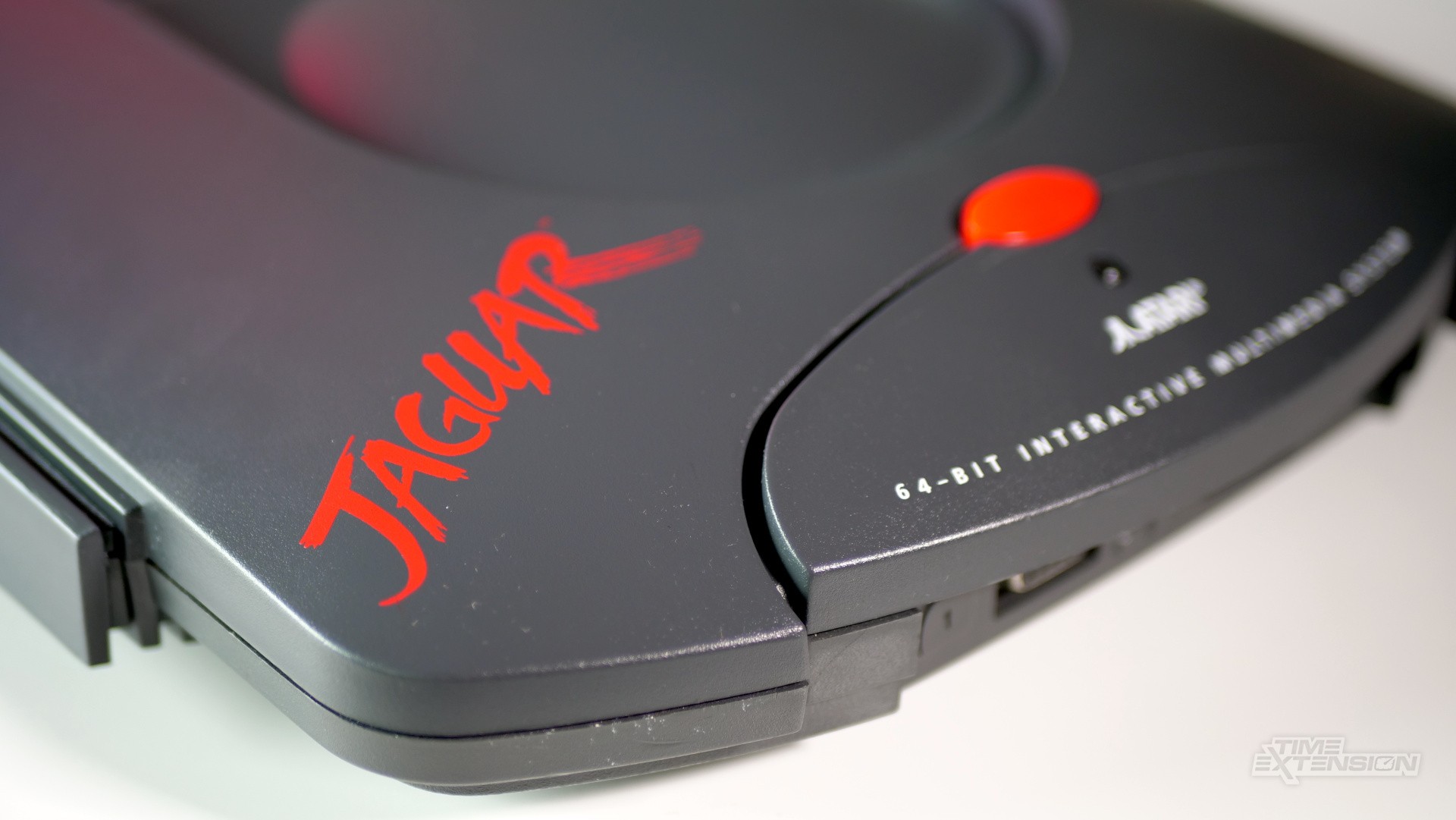
A modder has given new life to a project left on Atari's cutting room floor some 35 years ago. Using the Atari Jaguar hardware as its base, Homebrewer Clint Thomson has constructed an OS that envisions the Atari Painter - an unreleased home computer scheduled to launch in the mid-'90s.
The Atari Painter was pitched as a CD-based home computer that would serve as a possible successor to Atari's ST and Falcon line. The original design concept, sketched out in the early '90s by Richard Miller's R&D team, would marry the Falcon's home computer design and architecture with the Atari Jaguar's contemporary RISC circuitry. Eventually, the project was scrapped, with the entire team shifting its focus exclusively to the Jaguar itself.
Clint Thomson's project, named "JagOS", is an imagining of the Atari Painter's capabilities, offering an OS complete with a standard desktop, along with utilities such as a calculator, calendar, some basic games, and even rudimentary support for email and IRC channels... We could have been talking about Scott Hall showing up on WCW Nitro via this thing.
Thomson coded JagOS via RetroHQs Jaguar GameDrive cartridge, which contains the ill-fated console's back catalogue, along with homebrew tools for developing software projects such as this.
While we can only guess what the official Atari Painter hardware would have offered the home computer market, Thomson's vision is undoubtedly snug, given the technology used and the limitations overcome in creating JagOS. It's a very impressive piece of programming.
Currently, JagOS hasn't been released. Thomson notes that he would like the project to "push along", admitting to a lack of free time preventing updates (or even an initial announcement). Kudos to Clint's talent for bringing this together, not only envisioning a project that never was, but ultimately creating an entire OS for one of gaming's most outsider entities.
For more information on the Atari Painter project, check out Atari Explorer's in-depth feature.