
 by

In January 2027, the UK will turn off the analogue phone network. It may seem like an insignificant thing, but the copper lines’ contribution to gaming has been huge.
It’s officially called the Public Switched Telephone Network (PSTN), and our old phone lines will be switched to digital, joining countries such as Estonia and the Netherlands, which have already done the same. While there is still a use case for people in rural areas, the copper line seems to be becoming obsolete.
However, we owe an awful lot to this technology. It’s how the world connected. When Alexander Graham Bell first patented the telephone in 1876, it was built to do one thing: carry voices and make phone calls. He could never have imagined lobbies, multi-user games and deathmatches travelling down the same wires.
For anyone growing up in a now wireless world, the landline phone might seem like an oddity, sitting in a room that barely rings. Younger generations may wonder why people still have a phone line, yet they feel its influence every time they play online, without a second thought about the journey it took to get there. But limited technology is only ever what you make of it, and gamers made a lot of it.
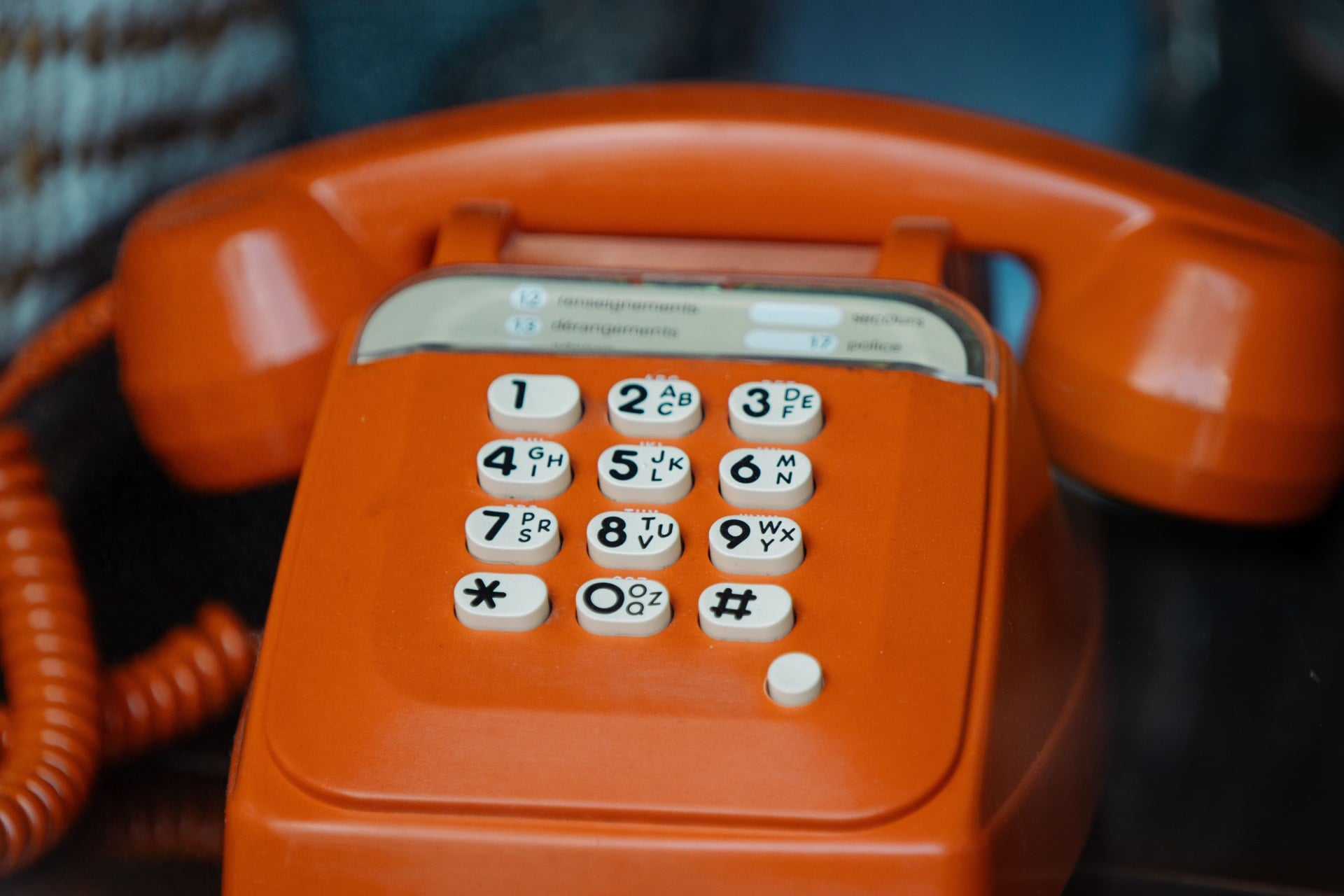
In 1978, 48 years ago, the first Bulletin Board Systems began to emerge. A BBS was usually run by a SysOp who hosted it on a computer in their own home. Callers dialled in to leave messages or download files. With smaller setups, people would dial in and connect one at a time to these virtual boards.
Later, they added multiple phone lines and grew into huge operations. This, however, was not the world of unlimited data we have today. Calls were charged by the minute, so most people stuck to local boards, unless they had rich parents or stolen phone cards to reach boards further away. Networks like FidoNet even linked boards together, with BBSs dialling each other overnight when calls were cheapest, to pass messages around the world, and to connect gamers who had never talked with somebody outside their bedroom or university before.
In 1978, the same year as the first BBS, Roy Trubshaw and Dr Richard Bartle created MUD1, the “Multi-User Dungeon”, at the University of Essex. It was a fitting platform for people to game together and was inspired by text adventures like Zork and Colossal Cave Adventure, which were played on mainframe machines. It let players outside the university dial in and play, and it inspired countless more MUDs on BBSs. MUD brought players together in one shared world, at a time when most games were played alone.
Speaking to me on The Retro Hour Podcast, Dr Richard Bartle told me the motive was simple: "Our aim was to make a world that was better than the real one, 'cause the real one sucked.”
It came at a price, though. A 1984 report described a player in Wales who ran up a phone bill of more than £1,000 in three months, playing every night for four weeks to become a witch, then carrying on.
Not everyone was on a BBS or had access to one, and if you got stuck on a game, there was no internet to turn to. Magazines had small amounts of info if you got the right issue, or a strategy guide could help you get through a game. However, as a gamer, you would get stuck at that undefeatable, frustrating position.
So, yet again, the phone line became essential for gamers. Nintendo and Sega offered hotlines around the world with counsellors who would take calls and walk people through the games. Nintendo’s counsellors even had consoles on their desks so they could play along.
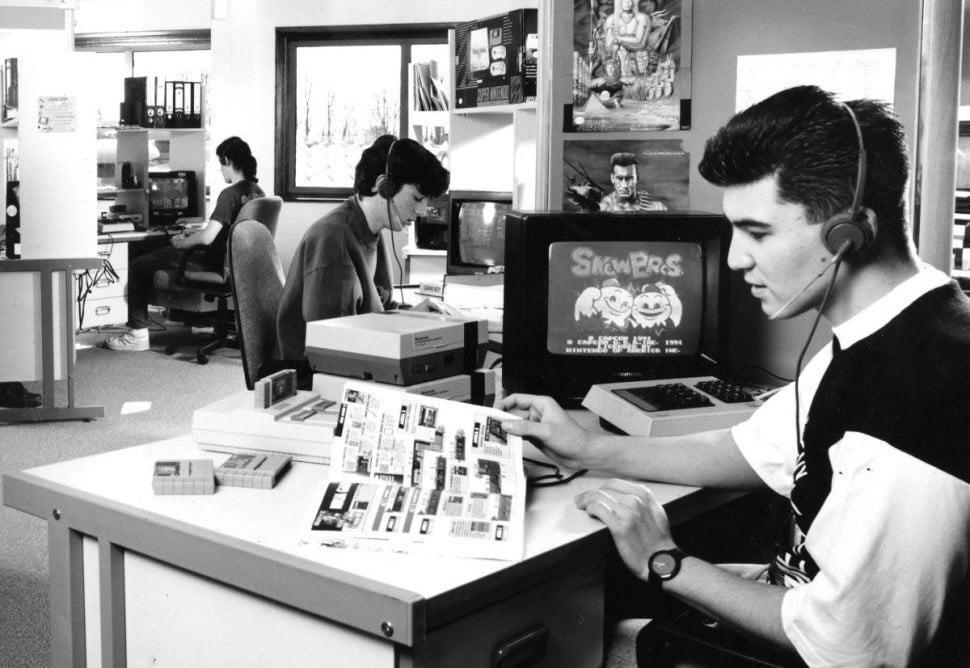
Former Sega hotline counsellor Tim Gadler, who worked the phones in Australia, told me that was the whole point. “When the kid’s telling you, ‘Look, I’m stuck on Sonic and there’s this red block,’ well, you have to play the game to know what they’re talking about. You don’t just keep on reading things off a screen.”
This became an essential, now lost, form of aftercare for games. Nowadays you can look up a longplay or walkthrough, or find the answer in seconds, instead of ringing a counsellor who would sympathise with you and offer a guiding hand.
Yet again, however, the bills struck. As more people piled onto the idea of hints and tips lines, publishers such as Capcom, EA, Sierra and many private companies set up their own premium-rate lines, another reason for parents to go crazy over an unexpectedly high phone bill. They did, however, show game companies how much gamers needed help, and how important tutorials and hints are. Sometimes the game counsellors fed back to the designers and served as an important source of customer feedback.
Consoles themselves even began to dial in, too. To think of a modern console not being connected to the internet is unthinkable these days, but there was a time when it was something incredibly new. GameLine on the Atari 2600 let players download games over the phone line in 1983, and the company behind it later became AOL. Japan's Famicom Network System offered things like live stock trading (imagine doing your stocks on a Famicom in 1988). Sega MegaNet let players play together in 1990, and XBAND for the Mega Drive and SNES let players battle over phone lines, modifying existing games to work online.
Meanwhile, on PC, 56k dial-up became commonplace, and gaming changed. It still had its annoyances and instability, like providers kicking you off every two hours, or your mum picking up the phone to make a call, hearing data screaming down the line and kicking you off. Some users had to ration their downloads and gaming to set times depending on which internet service provider they used.
Initially, you had to connect directly to another machine and play head-to-head. Services like DWANGO started appearing that let DOOM players dial into a shared server, and the idea of gaming lobbies and matchmaking became something we now see as standard.
As more people played online, concepts like online patches and updates became part of gaming. So did clans and rankings. This not only helped gamers but created a whole new genre of gaming and added to the modern frustration of waiting for a game to update to the latest patch every time you turn the machine on.
While online gaming was really taken on board on the PC, it really eventually broke through into the console world thanks to Sega. Sega innovated: the Saturn got online through modem add-ons like NetLink, but the Dreamcast was the big leap, with a built-in modem and a bold statement. Sega was so convinced online gaming was the future of consoles that, because Japanese providers charged for dial-up by the minute, chairman Isao Okawa personally paid for free internet access bundled with Japanese Dreamcasts.
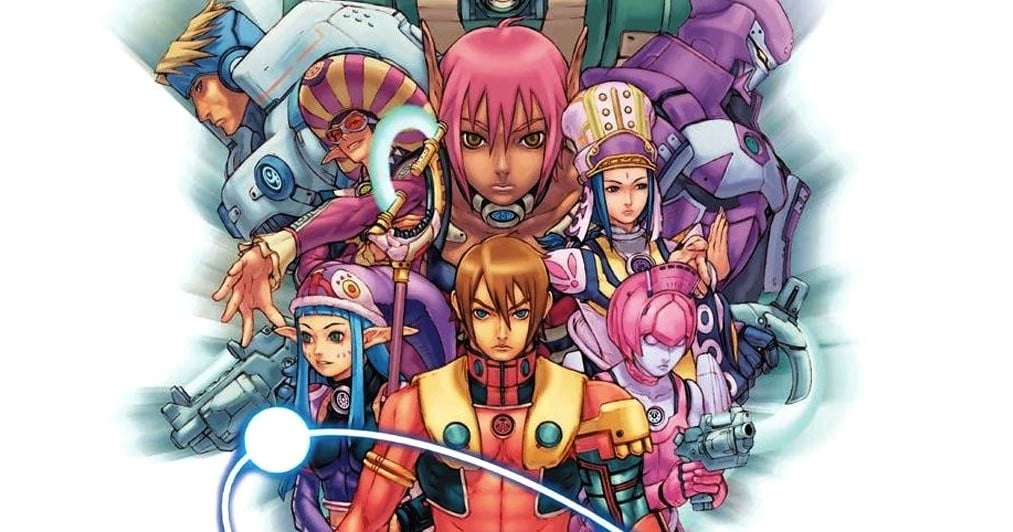
Phantasy Star Online was the real turning point. It showed the world online console gaming was possible, and its 'World Select' system let players in Japan, America and Europe talk to each other across five languages. Sonic Team boss Yuji Naka even joked that people would one day look back at the name and laugh: "Look at the title, it says online!" He was right.
After that, broadband arrived, and speeds increased with this new digital technology, yet the foundation the copper lines laid remains. And to this day, fans still want to dial up, and thanks to technology like the DreamPi, a tiny Raspberry Pi pretends to be the telephone exchange, listening for the Dreamcast’s dial tones and answering the call itself. When the copper goes dark, Dreamcasts will still be dialling.
I, for one, will miss the copper line and still have that warm feeling when I hear that data squeal down a line, or the shudder when I think of some of the phone bills I ran up.