
 by
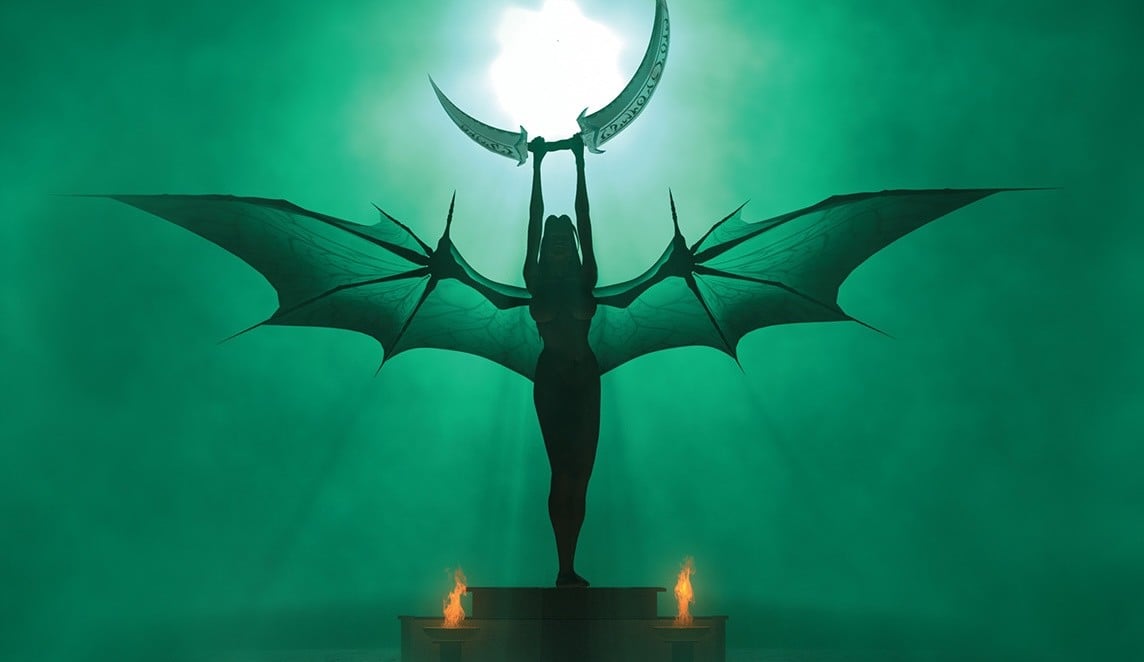
The mysteries of a 29-year old Easter Egg in An Elder Scrolls Legend: Battlespire have finally been solved, due to a new donation to the Strong Museum of Play in Rochester, New York.
Andrew Borman, the director of Digital Preservation at the Strong Museum, took to social media earlier this week to share the exciting news in a short video, documenting the discovery.
In the video, he explained that, in the past, members of the Unofficial Elder Scrolls Pages Wiki had found an Easter Egg Battlespire featuring an image of the Battlespire team and two text strings. The first of these strings read, "Greetings from the Elder Scrolls team," while the second announced "Battlespire rules" before listing the first names of the Battlespire developers. For years, though, no one has known exactly how to get this to appear in-game. However, thanks to the Julian LeFay papers, a new collection based on the archive of the "Father of the Elder Scrolls", who passed away in 2025, the secret of how to activate this Easter Egg has finally been found, with the answer being discovered within the game's code, Borman tells Time Extension.
All you need to do is start a game, hold down the number 1 key and type the word Spire. It's that simple! The image of the team should then appear, alongside the two messages. As Borman states, though, as soon as you let go of the button, the message will disappear, so be sure not to remove your finger straightaway after you finish typing.
Speaking to Time Extension about the Julian LeFay Collection, Borman tells us that the donation initially came about thanks to Christopher Weaver, the original founder of Bethesda Softworks, reaching out to Julian's family on the museum's behalf earlier this year. Since then, the Strong has been hard at work preserving the late developer's legacy. As Borman tells us, the donation largely "consists of LeFay’s work in games," from his post-Bethesda work on games like Skullgirls to the "historic Dungeons and Dragons campaign notes that helped shape The Elder Scrolls" series.
"The DnD notes in particular stand out," Borman tells us. "The first campaign takes place on Sumurset Isles, while the second campaign features Haymon Camoran. To represent Julian’s career in music, there is also a Kurzweil K2000 digital synthesiser, made sometime after 1991. I can’t say whether it was used to make any music in games, but the time period is correct, so I’m hopeful we might be able to make a stronger connection in the future. The donation also included pictures of Julian. Being able to represent not just his work but the person beyond it is so important to the work that we do at The Strong. We even have a picture of him sitting next to a keyboard that looks very similar to the K2000!"

As Borman tells us, the collection should be available "hopefully soon" for more people to access (though digital files will take longer, due to privacy concerns given the materials have yet to be curated and may contain personal information). As for off-site access, the museum says it is limited "in what we can share remotely due to copyright laws," but some of the material has already been made available through the Imperial Library.
Just to give you a bit of background on Battlespire (in case you're only familiar with the more recent entries in the Elder Scrolls series), it was an action-adventure game developed by a team led by LeFay. Initially envisioned as an expansion pack for the third game in the series, Daggerfall, it was originally titled Dungeons of Daggerfall: Battlespire. However, after the first incarnation of Daggerfall's sequel, Morrowind, proved too challenging for Bethesda to develop at the time, the company put the larger project on hold temporarily, with Battlespire growing into its own standalone release.
Released for MS-DOS PCs in 1997, Battlespire unfortunately proved to be much less commercially successful than previous titles in the Elder Scrolls and received mostly mixed reviews from publications. Two of the major complaints from critics were the decision to focus on action-adventure gameplay over the straightforward role-playing that made the series famous, and its lack of scope compared to Daggerfall.
Nevertheless, it remains a fascinating chapter in the larger Elder Scrolls story, alongside Redguard (released one year later), and we're happy to see one of its mysteries finally being revealed almost three decades after its release, and excited to see what other discoveries lie in wait.