
 by
by 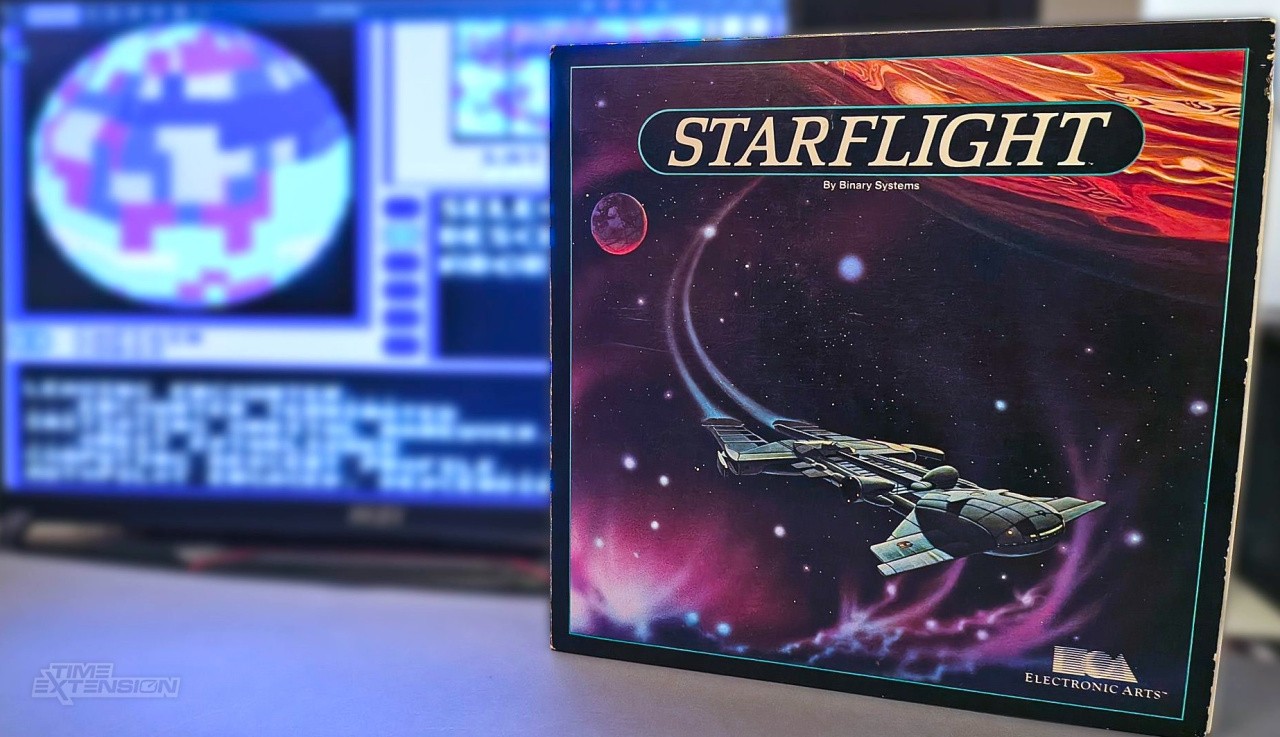
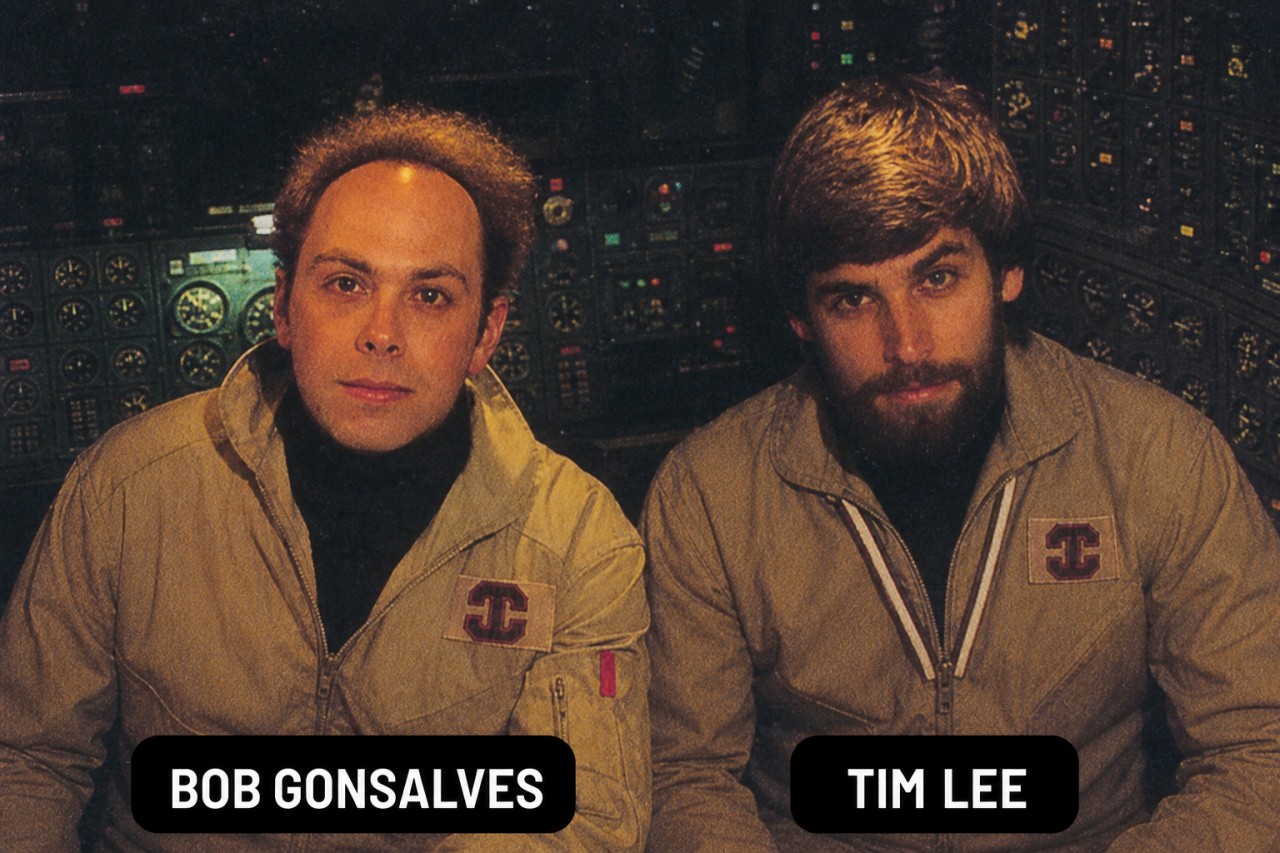
Open the original Starflight PC packaging, and you will find a large photograph of the development team: Greg Johnson, Alec Kercso, Bob Gonsalves, Tim Lee, and Rod McConnell, dressed as a space crew in the cockpit of a Boeing 747 at San Francisco International Airport. It is a fitting portrait of a game that could only have been made together.
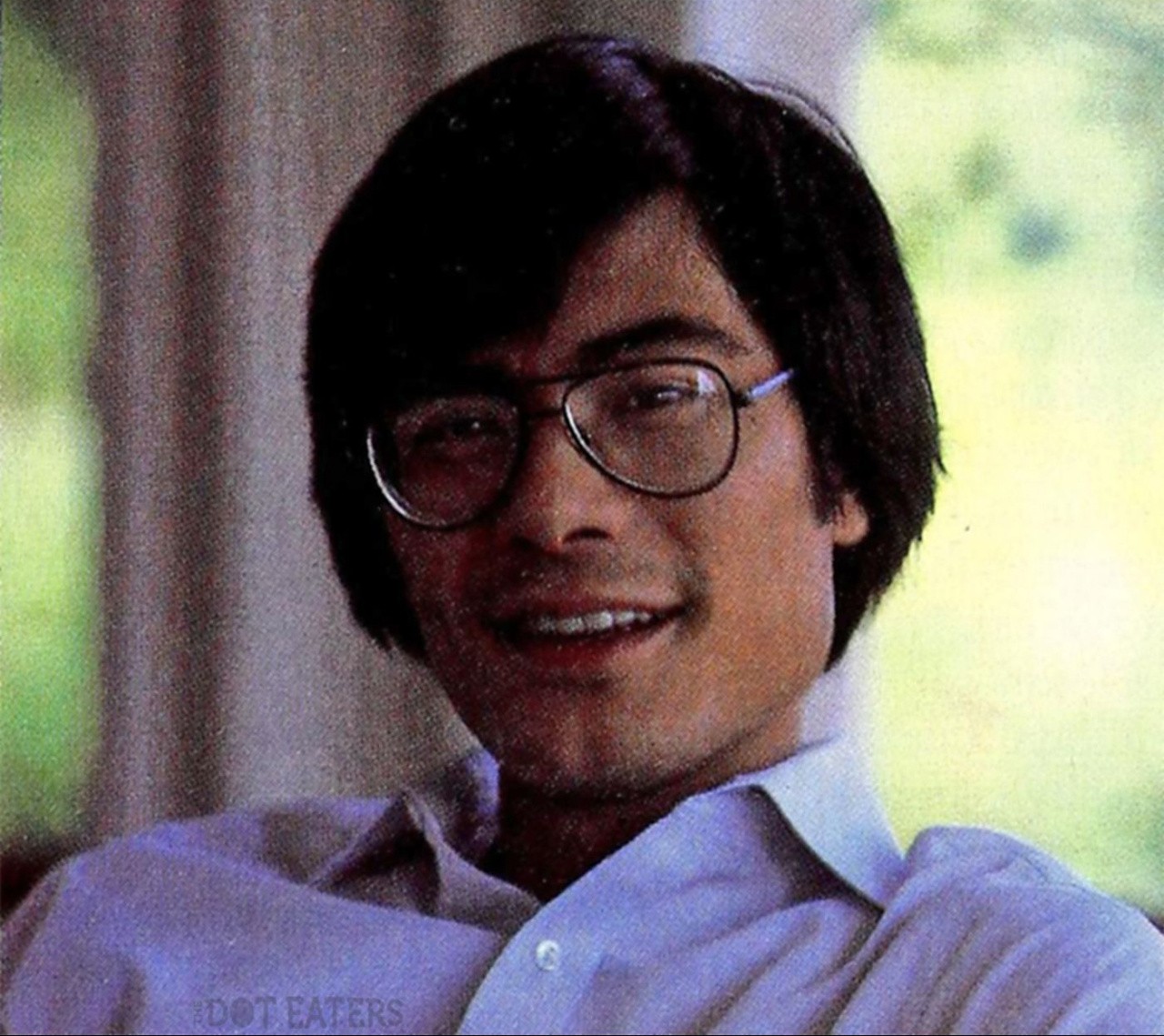
The roles in this story were clearly defined, even if their boundaries often blurred in daily work: Rod McConnell founded the development studio Binary Systems (originally Ambient Designs) and, as project leader, maintained contact with Electronic Arts; programmers Alec Kercso and Bob Gonsalves turned the technical ideas into a playable game; Greg Johnson shaped its world, characters, and story; and Tim Lee created the core software architecture.
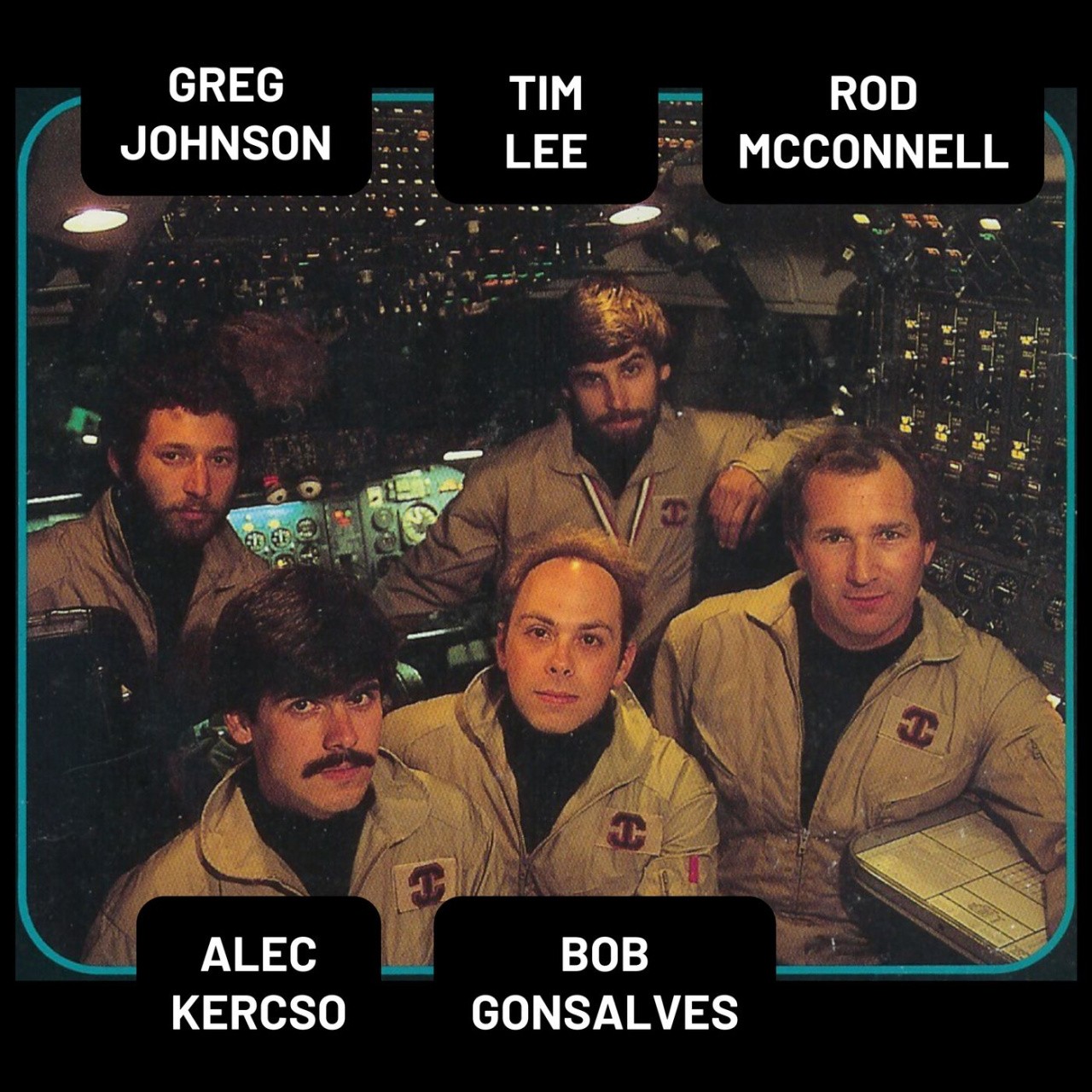
Involved at the beginning was Jim Yarbrough, who conceived the original game; EA producer Joe Ybarra shepherded the unusually long project on the publisher’s side. The story is told primarily by McConnell, Kercso, Johnson, and Gonsalves, who reunited to look back on Starflight for this oral history.
The Idea
In 1982, a board gamer, an engineer, and a young game publisher came together. The team was not yet complete, and no one knew what shape the project would take.
Jim Yarbrough had already published a small strategy game and knew Joe Ybarra at the newly formed Electronic Arts. Together with Rod McConnell, he pitched Ybarra a science-fiction role-playing game. A contract followed in late 1982. McConnell founded Ambient Designs, and the project received the working title Starquest.
Rod McConnell:
“Jim Yarbrough was a board gamer in the San Francisco Bay Area. People met in user groups to play board and strategy games, and that was where he met Joe Ybarra. Joe was part of the Electronic Arts start-up team and later became our producer. Jim and Joe were our connection to Electronic Arts. […] Most role-playing games at the time came from a medieval world—Dungeons & Dragons, Wizardry, and the like. I did not identify with that very strongly. My background was in engineering, and the physical side of space travel fascinated me, so we moved the playing field into space. That gave us something crucial: a virtually unlimited playing field. We could expand it however we wanted. Greg, Alec, and Tim developed that possibility further. Once Greg got going, there was no stopping him.”
Rod McConnell:
“Jim had the contact and the gaming experience. I had very little experience with role-playing games. In those days I would have been considered more coin-op oriented, though shoot-’em-ups did not interest me; I liked strategy and puzzles. Jim essentially said, ‘I want to make this game. Why don’t we move it from the gladiator arena into space?’ That was how it began.”
Alec Kercso:
“From the beginning, Starflight was supposed to be a kind of open universe. The original concept was that we could add modules later—different episodes, essentially. Ultima on the Apple II was very popular at the time. I cannot say exactly what Jim had in mind when he first conceived the game, but that expandability was part of the concept I encountered.”
Alec and Greg
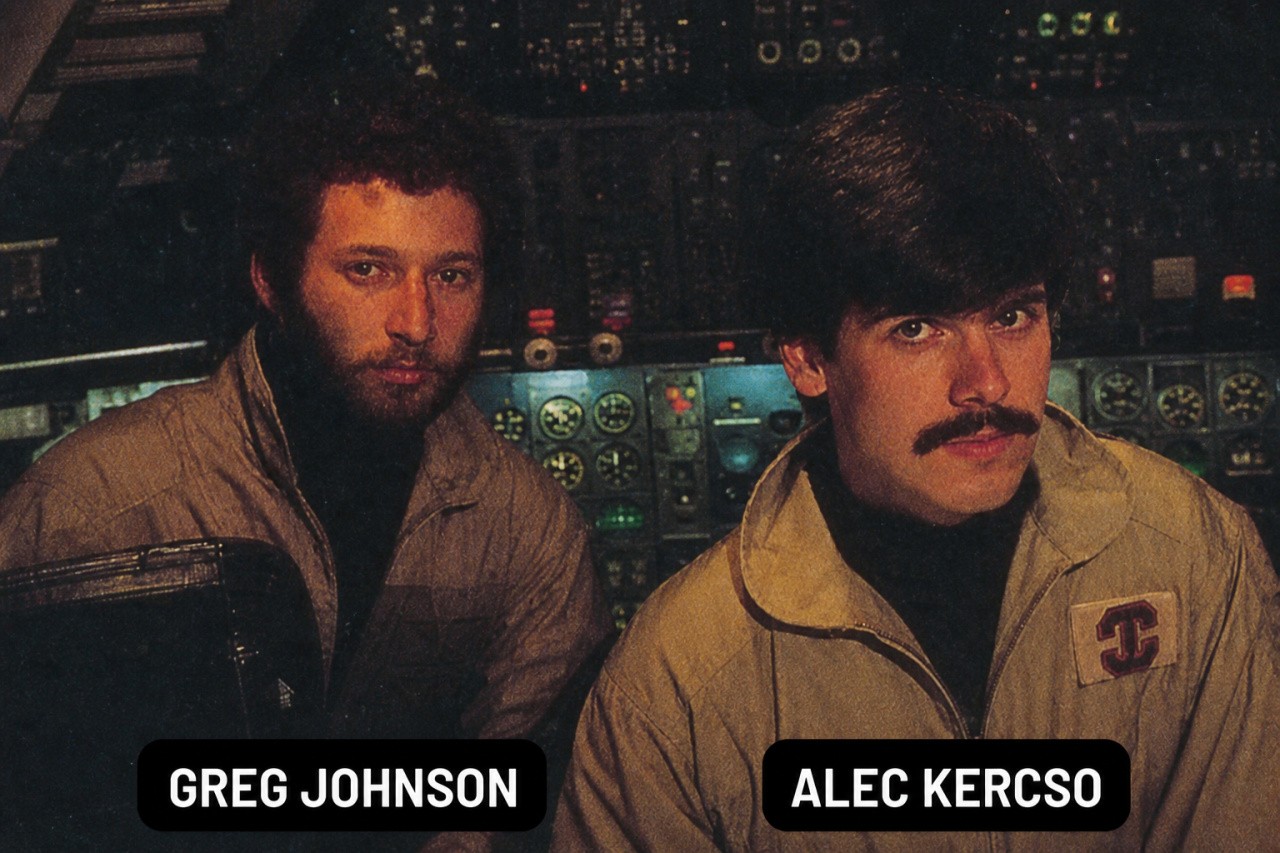
Alec Kercso began work while still studying linguistics in San Diego. His roommate Greg Johnson was close to the project from the start—initially without an official role.
Kercso had taught himself programming alongside his studies. After meeting McConnell, he took an Atari 800 back to San Diego and spent his final college quarter working intensely on the game. Greg Johnson studied the same subject, shared Alec’s apartment, and therefore saw Starquest take shape at a very early stage.
Rod McConnell:
“I played racquetball with Alec’s father, and we were good friends. At some point he told me that his son was studying linguistics in San Diego and was also programming. So I met Alec. His enthusiasm and competence were immediately obvious. Then, by a fortunate coincidence, Alec’s roommate turned out to be Greg. Alec took the nondisclosure agreement very seriously and initially did not want to show Greg anything. But Greg persisted, and the rest followed from there.”
Alec Kercso:
“I started teaching myself to program in junior high school, around 1974. Nerdy computer programmers were so secretive then that they would not share, so I took discarded printouts from the trash, typed them into the mainframe, and reverse-engineered what each part did. I took some formal programming courses in college—none had been available in high school. I enjoyed Professor Jeff Elman’s Computational Linguistics course at UC San Diego so much that I served as his teaching assistant the following year. Most of my education, however, was self-taught through reading and experimentation.”
Greg: Alec, were we roommates? I think …
Alec: If you don’t remember this, I’m going to be really pissed off!
Greg: No, I do, I do, I do! We were roommates! But yes, I remember the Atari. Was it an Atari …?
Alec: 800.
Greg: An Atari 800, yes. I looked over your shoulder and asked, ‘What is that?’ You said, ‘I’m going to work on this game.’ And I said, ‘Can I do it?’ And you said, ‘No, no, it’s almost done.’ (laughs)
Alec: No, it was top secret! I had a nondisclosure agreement that Rod made me sign.
Rod: He didn’t say it was almost done, did he?
Alec: No, I did not!
Greg: Ah well, okay.
Alec Kercso:
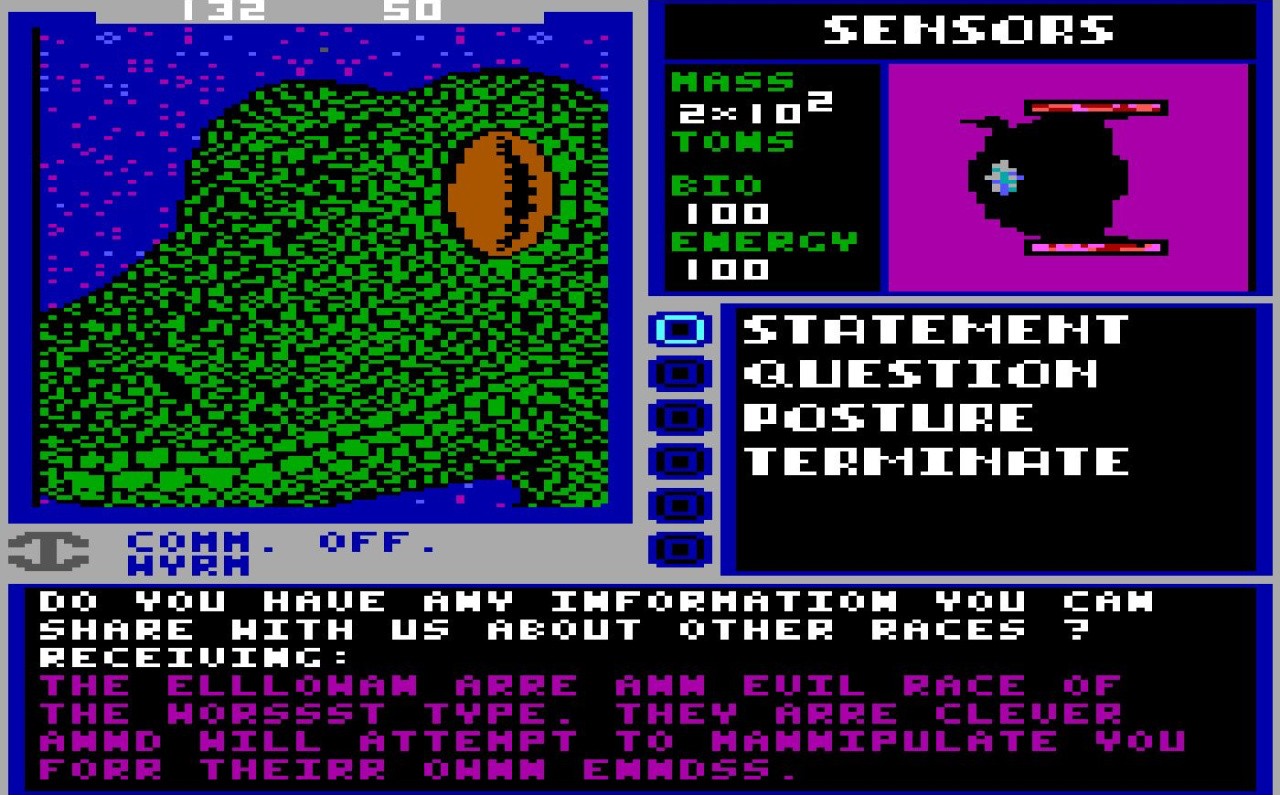
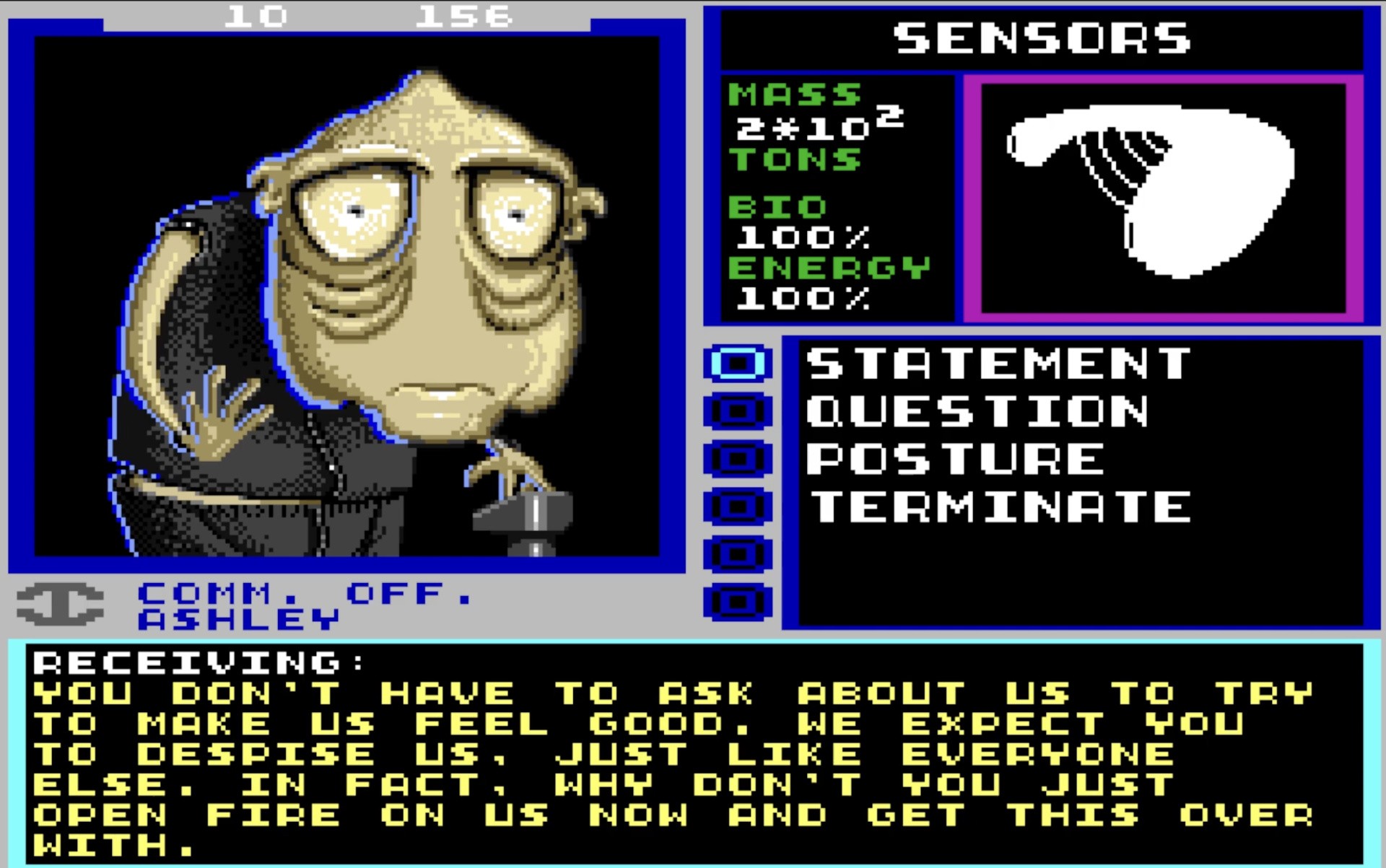
“I started on the project before I had even finished college. I was sitting in our college apartment working on the Atari, and I took the nondisclosure agreement extremely seriously because I had never signed one before. Greg came in and looked over my shoulder, and I said, ‘No, no, no. You can’t see this. This is top secret.’ Eventually I asked Rod, ‘Can Greg see this?’ Rod said, ‘Of course he can.’ […] One day I came home from class and there was a Thrynn sitting on my screen—a character Jim had conceived. Greg had drawn it with a paint program. I asked, ‘Where did this come from?’ Greg gave those characters a face. He imbued the game with personality very early on, which is why he ultimately joined the team.”
Alec Kercso:
“Greg was not only my roommate. We both studied linguistics at the University of California, San Diego, and we were on the fencing team together. Greg is creative in virtually every medium. He brought the game to life. In doing so, he left Jim [Yarbrough] a little behind, which is sad because Jim conceived the original idea. But Greg was the one who gave it personality.”
Alec Kercso:
“Today we have standardized graphics formats such as JPEG and PNG. Those did not exist then. On the Atari, graphics were essentially bitmaps, and it had a completely different operating system. Greg’s first characters were therefore not interchangeable image files; they were part of the technical work of building the game.”
Completing the Team
While Greg was already drawing characters and asking questions, programmers, computers, and technical approaches kept changing. Only after about a year did the project find its final platform and core team.
The first programmer, Tom Stewart, left early. Dave Boulton introduced fractally generated planetary surfaces but ultimately judged the project impossible on an 8-bit machine. Bob Gonsalves was brought in to make continuous disk access possible; Tim Lee arrived with prior game-development experience. During the first year, Starquest moved from the Atari 800 to the Commodore 64 for a brief period and then to the IBM PC.
Rod McConnell:
“[Jim] said, ‘Well, we need a real programmer.’ I said, ‘Well, I don’t know any real programmers.’ My own programming was so limited that it would not apply in this situation. But I had a friend from high school, Tom Stewart, who lived nearby and was also in our racquetball club. I asked whether he had any programming experience, and he misled me a little: he said he did. He had majored in mathematics and was an MIT graduate, so he had some credentials. I said, ‘Okay, Tom, this is what we want to do. This is some of Jim’s vision.’ He repeatedly said, ‘Yes, yes, yes,’ and never delivered on anything.”
Alec Kercso:
“We started on the Atari 800. Tom Stewart was the first programmer. Then Dave Boulton came on to create the mathematically generated, rotating planet. He got it working, but rendering took about three minutes, which was useless for dynamic gameplay. Dave was a seasoned programmer and concluded, ‘We just can’t do this on an 8-bit machine.’ […] Bob joined to write interleaved disk access on the Atari. At the same time, the Atari was fading in popularity. We moved to the Commodore 64 for about a month, perhaps six weeks.
Tim Lee came aboard at about that point. He was the only one of us who had already released a game, and he had worked on the PC. Tim convinced Rod and Electronic Arts that we should develop the game for the PC. About a year in, we abandoned the Commodore and started again on the PC. Greg moved to Northern California and later lived with Tim. The two of them worked together practically around the clock. Tim built the object-oriented system into which we could plug artifacts, characters, planets, and every other component; Greg and Tim developed the story within it. Then we programmed like crazy.”
The roles were now set. Tim Lee built the core system and graphics technology. Bob Gonsalves was responsible for much of the planetary exploration and space combat. Alec Kercso programmed the alien communication system and the Starbase hub. Greg Johnson worked with Tim on the world, characters, and story. A project of changing individual contributions became a permanent collaborative team.
Bob Gonsalves:
“I am not completely sure how I came to the project. It was probably through Dave Boulton. I belonged to the Forth Interest Group, had given presentations there, and was also working with the Atari 800 at the time. That would be my best explanation of how the connection came about.”
Rod McConnell:
“We went through several programmers. Some were competent; others were motivated and dependable. Finding all of those qualities in one person is not a given. As I recall, Bob came through a recommendation from Electronic Arts. He had experience, worked with both hardware and software, and was reliable in every way. Once Bob, Alec, and Tim came together, we had a programming team. I admired how they coordinated the tasks—what happened in space, what happened on the planets, and the connections between it all.”
Alec Kercso:
“I was the youngest person on the team and had never even heard of Forth before this project. I learned an enormous amount from Bob, who was already an experienced Forth programmer. We all learned a lot from one another—not only about programming, but culturally as well, especially music in my case. That was one reason we came together and worked so well as a group.”
Alec Kercso:
“We worked on different modules. Bob programmed the terrain vehicle, movement across the planets, weather, earthquakes, and space combat. I worked on communication. We could integrate those pieces through the interfaces Tim had provided. […] Bob had a consistent style for his program blocks: the date on one side and his lowercase initials on the other. You immediately knew who had written something and whom to ask about it. We were very gut-level programmers: no GitHub, no version control, nothing like that. At first, I kept much of the debugging in my head and on paper. It was raw. The advantage was that we all sat in one large office. If something changed, we could tell everyone immediately.”
Alec Kercso:
“If you look at the other games Electronic Arts published at the time, they were often one-person projects. Starflight was different: we built a system whose parts were written by several people and still had to work together.”
What Kind of Game Should It Be?
As the team changed, so did the game. Jim Yarbrough’s modular, board-game-like design clashed with Greg Johnson’s desire for a connected science-fiction story.
In later accounts, Yarbrough’s disappearance often remained a blank. He is absent from the team photograph, and the credits list him only under special thanks. The interviews reveal a gradual shift: Greg’s designs won increasing support from both the team and Electronic Arts while the game moved away from Yarbrough’s vision.
Greg Johnson:
“The original trajectory of the game was different. In Jim’s vision, it was going to be more like a board game, with many disparate encounters. When I joined, I was given a stack of forms on which to enter individual encounters and values for dice-driven combat. But there was no story and no real personality behind the characters, the alien races, their relationships, or their history. I kept asking, ‘Where’s the story? Why are they doing this? Why are we doing this?’ Jim and I had different visions. I became increasingly excited about the game I wanted to make, and the rest of the team moved in that direction. Eventually Jim essentially said, ‘If that’s what you want to do, then go ahead. I’m out.’”
Alec: Greg is an awesome designer, one of the most creative people I know. He brought the game to life, and that left Jim a little behind.
Greg: Great—now I have one more thing to feel guilty about. But you’re right: it was a difference in direction and perspective.
Alec: Jim conceived the original idea. Greg was the one who brought it to life.
Rod McConnell:
“Every change Greg made was well received by us and by Electronic Arts. Jim probably felt that he was being undermined, but there was no malice behind it. With every change, the game felt better. The story began to unfold; it became mysterious, compelling, and interesting. Greg did not work from a formal narrative model. He followed what felt right and what kept the player engaged. We were all grateful for that.”
Yarbrough withdrew from the project in 1983, leaving Greg Johnson as its defining designer. Starquest moved away from a rules- and combat-driven role-playing game made of discrete encounters and developed into an open, narratively connected experience.
Rod McConnell:
“In early game design, you had to make sure a game did not become boring because it was too familiar—or tedious for a newcomer because too many steps had to be learned before anything happened. The balance mattered. We did not want to discourage either the experienced player or the novice. I believe that also contributed to the game’s success.”
Alec Kercso:
“One of the original premises was that you should not have to read the manual. You could start the game and begin immediately. You moved around the starport, already had a spaceship, and could fly out. That did not mean you would succeed—you might decide to read something later—but the entry point was meant to be intuitive. It made this enormous universe, by the standards of the time, approachable, and you could become immersed in it very easily. Starflight was meant to be accessible.”
Greg Johnson:
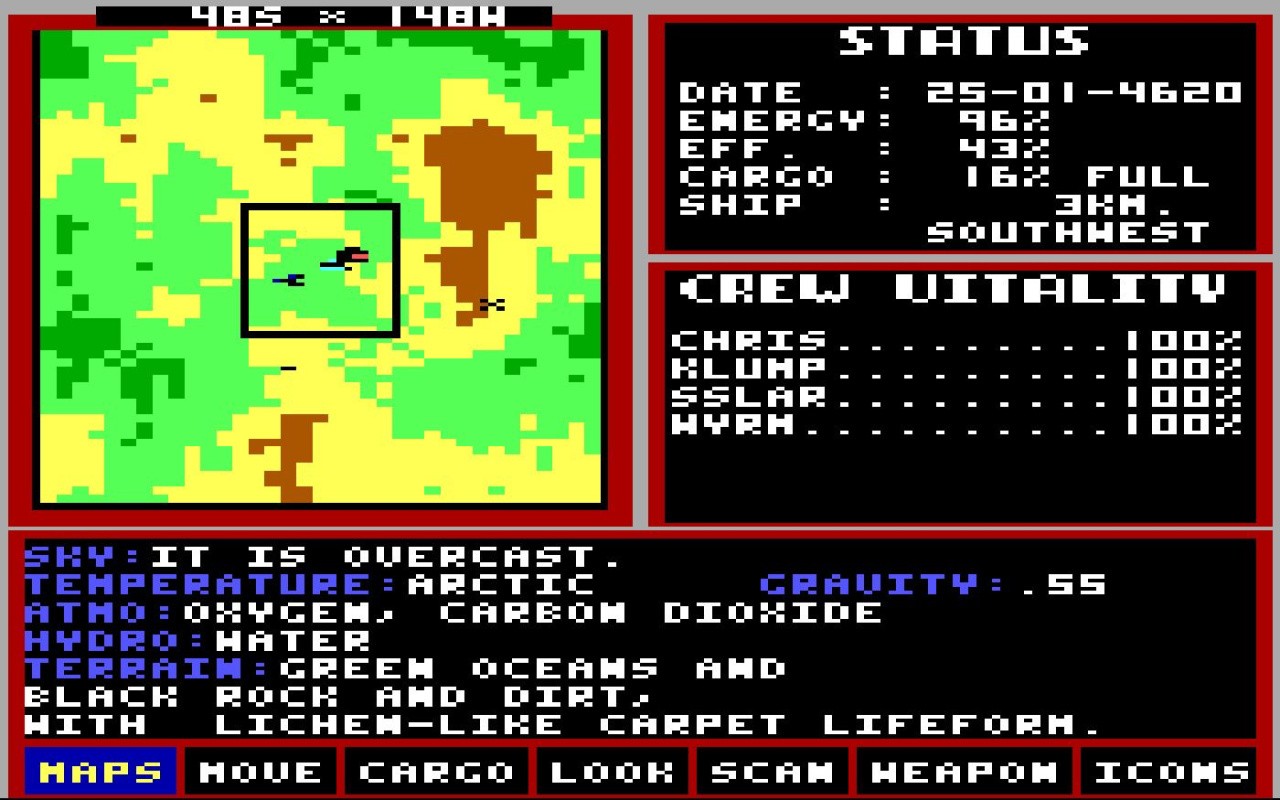
“At some point I no longer knew how to organize all the interconnected stories and objectives. Paul Reiche was my friend and mentor at the time. I asked him, ‘How am I supposed to do this?’ He said, ‘Get a piece of paper about five feet square and put it on the floor. Start at the end of the game and work backward. You know the destination. Draw a web of every connection and everything the player must do to get there.’ Once I knew how to approach it, the complete map of the story lay on my floor. Suddenly it worked.”
EDITORIAL NOTE · Paul Reiche III, a game designer with Free Fall Associates, had by then worked on Archon, Murder on the Zinderneuf, and Mail Order Monsters, all published by Electronic Arts. Reiche later explored concepts laid out in Starflight in his own games Star Control and Star Control II.
Greg Johnson:
“I wanted it to be genuinely good science fiction—not merely ‘save the universe and fight the bad guys.’ We all loved science fiction. One day I was sitting in a friend’s backyard and the thought suddenly came to me: you are the bad guy. The Ancients are the fuel, Endurium, and you have been harming them all along. In the game, you collect them and put them into your ship as fuel. From their perspective, fast-moving carbon-based life is a kind of virus, and they are using the novae to eradicate it. At that moment, everything connected. The story finally had a foundation that felt like real science fiction to me.”
Alec Kercso:
“In the end, that creates a moral dilemma. You have collected all the artifacts and reached the crystal planet made of Endurium. To save your own species, you must destroy it—and extinguish that life. What do you do? Do you save your species, or acknowledge that this is a living being? We all watched Star Trek. Remember the Horta, the creature that tunneled through rock? It is that kind of thing. Of course, you have to do it to win the game. But that question is exactly what made it good science fiction for its time.”
EDITORIAL NOTE · Refers to Star Trek: The Original Series, season 1, episode 25, “The Devil in the Dark” (1967).
A Universe from a Single Number
The story was growing faster than the available technology. The team had to build a programming framework, tools, storage methods, and a reproducible universe all at once.
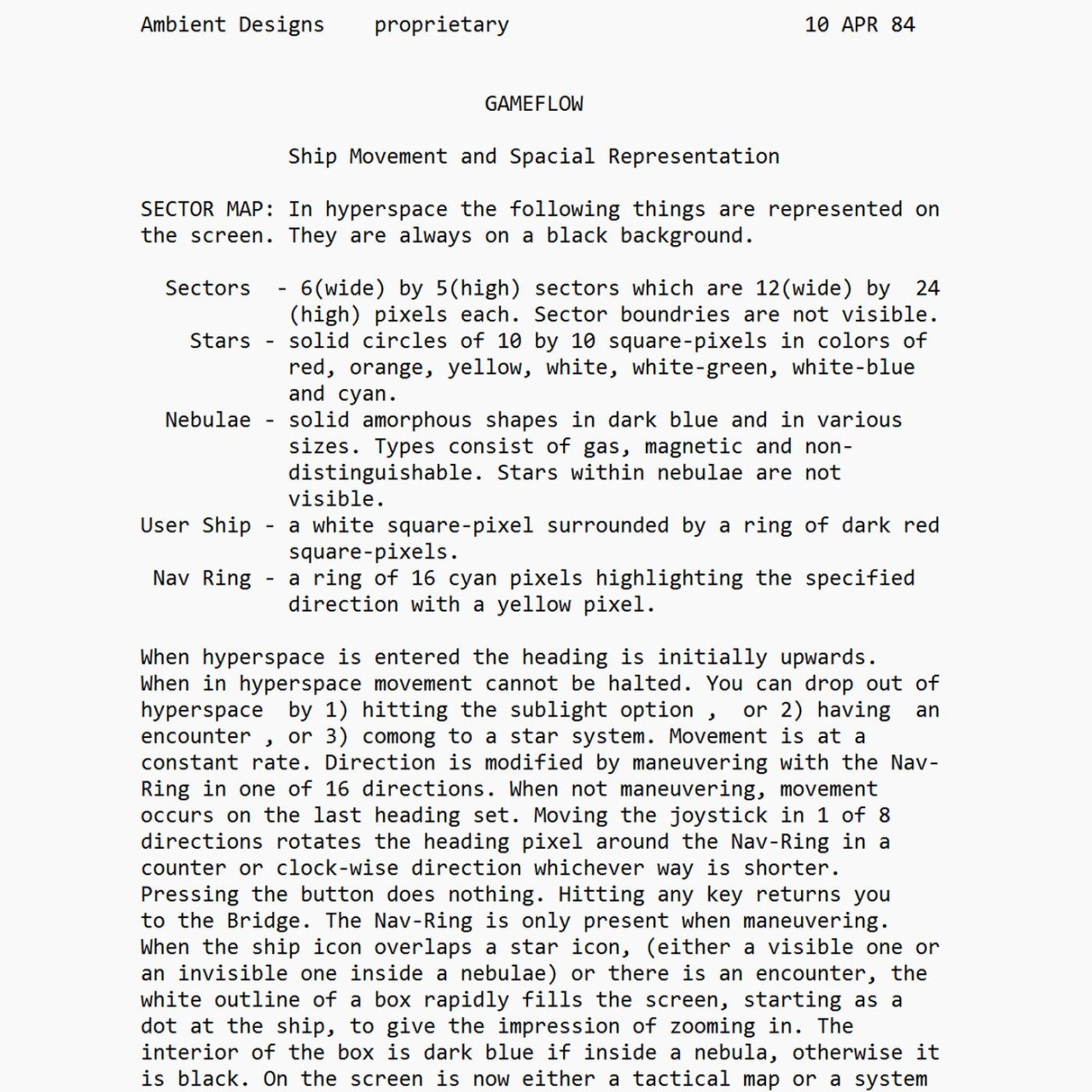
Starquest had been programmed in Forth since its inception on the Atari 800. Electronic Arts used the flexible, low-level, interactive language for several early projects. The team had to develop its own tools and conventions. Nor was there a complete design document: new technical possibilities led to new ideas, and every idea demanded another system.

Bob Gonsalves:
“Forth uses reverse Polish notation: you place parameters on a stack and then invoke, for example, addition. The language is very close to the processor and has an extremely simple runtime environment. We added a trace that let us see what was happening during execution. Source code lived in 1,024-byte blocks—essentially screens that were chained together. As you program, you build a dictionary of words that perform particular functions. Small tools can easily be combined into larger functions. And Forth was interactive: you could have the source in front of you while entering commands directly into the terminal and executing them immediately. That made exploration easy. The language was originally intended, among other things, to automate astronomical observatories so that scientists could write their own programs.”
Alec Kercso:
“Forth can seem very primitive: there are no types such as floating-point number, integer, or text. That was precisely what made the language extraordinarily flexible. You took a value from the stack and treated it as whatever you needed. For Starflight, where we were pushing boundaries in so many areas, it was a powerful tool. […] Every Forth implementation became its own thing. Each new word changed the language. By the end, the game itself was the Forth environment—a living model whose state kept changing. That was also why you could never save to the original disks.”
Greg Johnson:
“What Tim, Alec, and Bob accomplished between 1983 and 1986 still amazes me: a fully generated universe with fractal planets, hundreds of star systems, several planets in each, all of them places where you could land and move around, with ecosystems that remained consistent. It all fit on those little floppy disks. We did not know whether it was even possible. Again and again, they would struggle with a problem and suddenly have an aha moment: ‘We can do this.’ Those were real garage-shop days. No one had done anything like it before. And I kept asking for more: ‘Can we do this? Can we do that?’”
Alec Kercso:
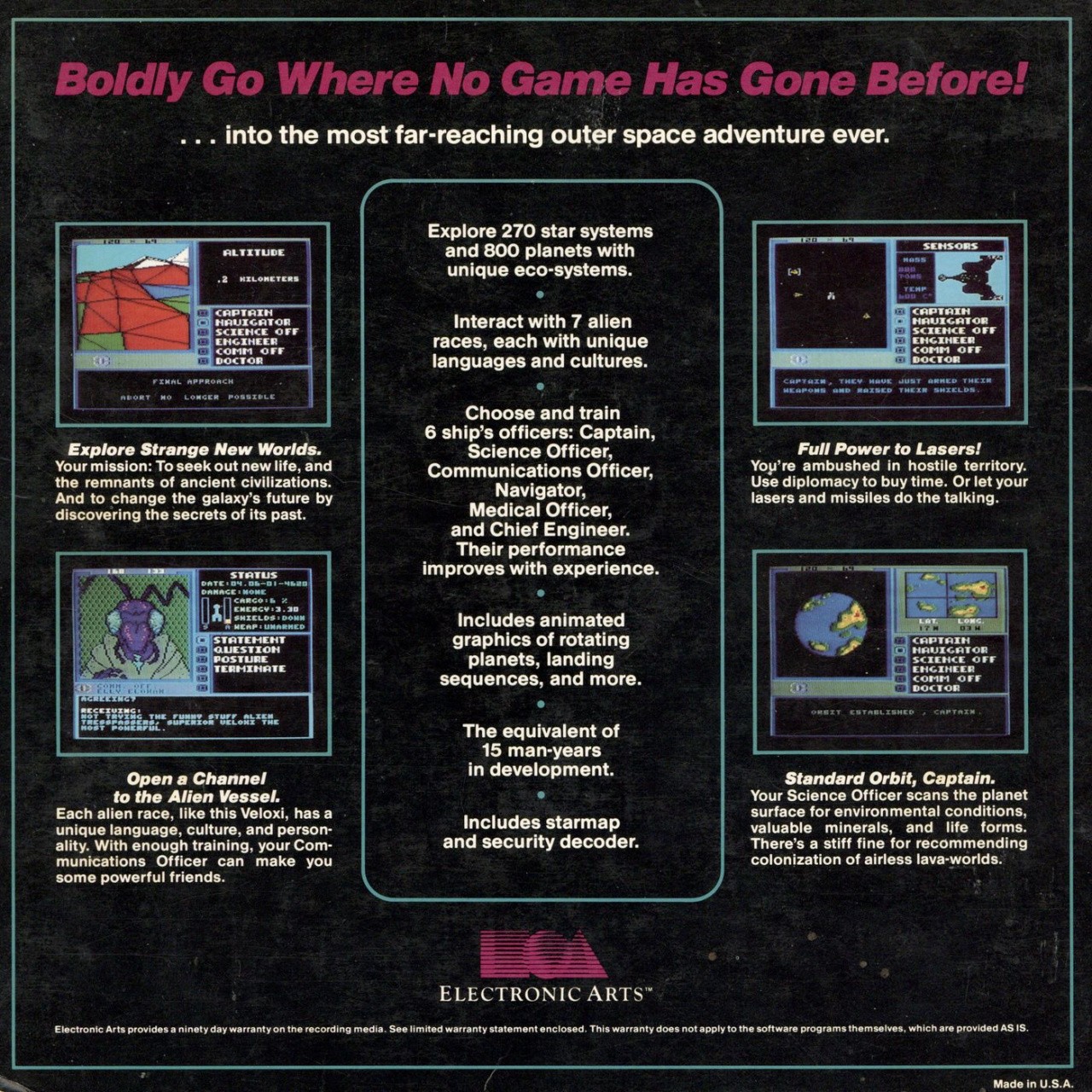
“The game occupied about 300, perhaps 360 kilobytes. If I remember correctly, it contained 270 star systems and 811 planets. That is exactly why development took three and a half years.”
Rod McConnell:
“We attended a lecture on generating fractals. Tim was completely fascinated. Then we all recognized the potential: fractals could save storage and time and make the system far more efficient.”
Alec Kercso:
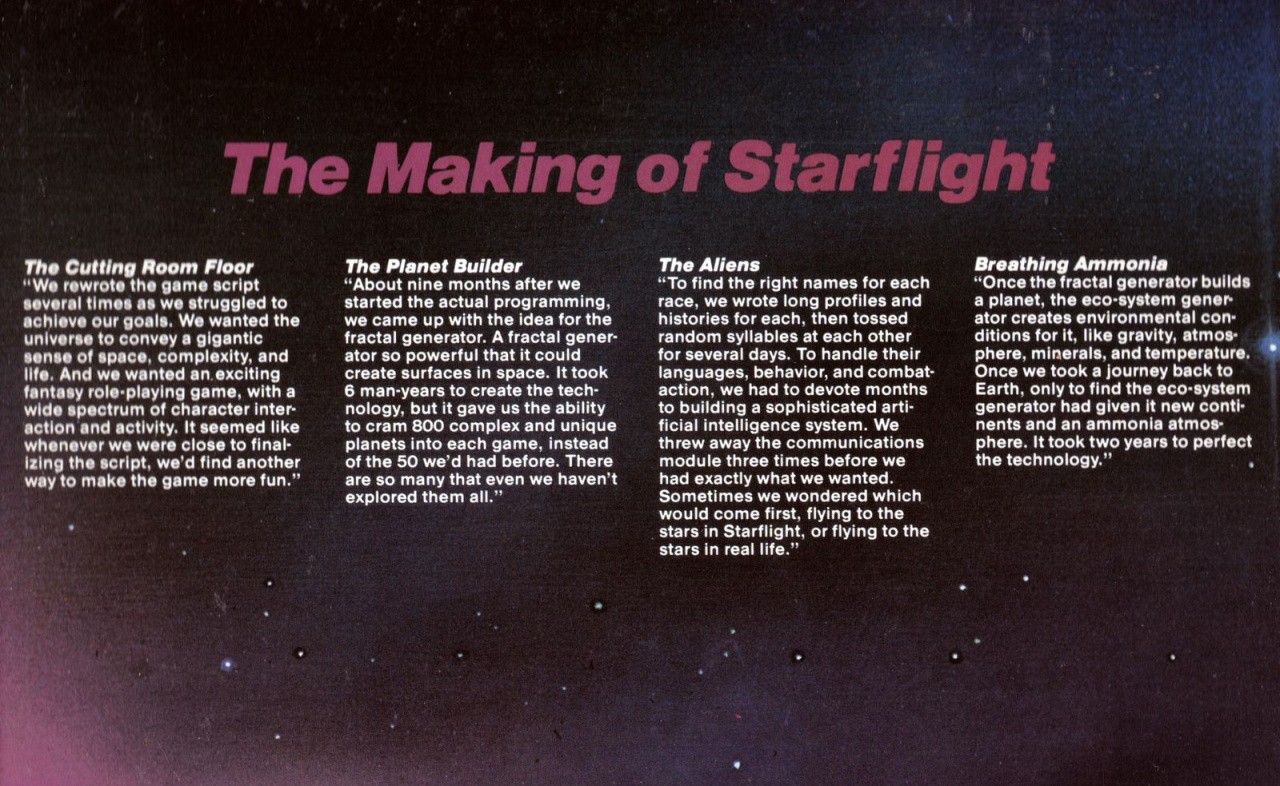
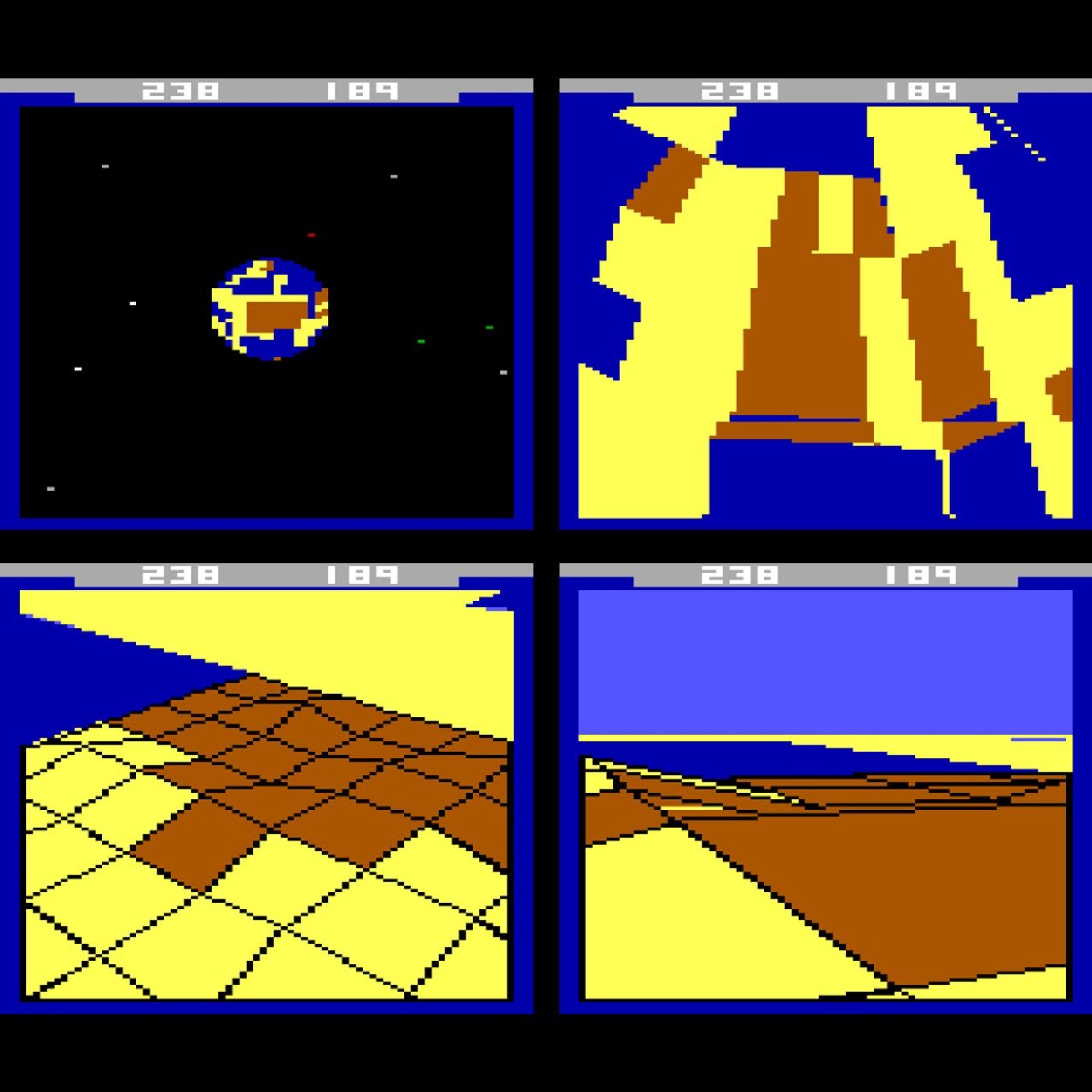
“Dave [Boulton] brought the idea of fractals with him and was generating fractal planets. The objects all originate from a starting point, which you can call a seed. It is really a pseudorandom-number generator: given the same initial value, it produces the same sequence of numbers. A fractal planet, as a subset of the universe, begins with a particular seed of its own. When Dave did his work, however, we had not yet started generating the entire universe.
I think it would be fair to say that Tim took the seed concept and raised it to the level of the universe. The numbers in its pseudorandom sequence were then passed on as seeds for the individual planets.”
Greg Johnson:
“Tim wrote a thick document describing how the system was supposed to work. I was very impressed. Then there was a week when, as my roommate, he literally stopped sleeping. He had this incredible aha moment: an entire universe could be generated from a single starting number. Change the seed and the universe changed completely, but from then on it remained consistent. You could return to any star, any planet, any coordinate and find the same creature there with the same description. It was mind-blowing. Tim was completely swept away by the grandeur of that concept.”
At the same time, Elite was being created in Britain, another game that generated a vast universe from very little starting data. The Starflight team remembers the two approaches as independent: Elite was initially popular on British home computers and had not reached the developers in California.
Alec Kercso:
“This conversation is actually the first time I have ever heard of Elite.”
Alec: There is a Forth word in Starflight called ‘Greg’s Formula.’
Greg: Really? What was it?
Alec: I programmed it; you specified it. It handled communication with the aliens. We were two linguistics students from San Diego—the perfect opportunity. I built a compiler into which you could enter the alien species’ traits and lines of dialogue. We used a context-sensitive grammar from our studies.
Greg: We had a value called EDL, Emotional Disposition Level. Everything you did—arming weapons, raising shields, or having particular crew members aboard—changed an alien species’ attitude. A fast value represented the immediate response, while a slower one tracked the longer-term relationship. Together they determined whether the aliens reacted with hostility, friendliness, neutrality, or submission. Different species preferred different postures. It was an amazingly complicated system.
Alec: It was an early, very primitive AI system. The aliens remembered who you were, what you did, and how you responded to them.
Greg Johnson:
“We adjusted the algorithm until the mixture of planet types felt right. For special locations, we then reversed the process. Instead of designing a location in full and having to store all its data, I was supposed to find suitable places among the generated worlds. I might find an interesting island in the middle of a lake and say, ‘The alien ruin goes here.’ All we had to store were the coordinates. Yet the place looked as if it had been designed specifically for that purpose.”
Alec Kercso:
“The seed really did generate a consistent universe, but we massaged it a little afterward. If a generated planet did not fit, we changed it by hand. Electronic Arts later asked us about problems we had overcome, which produced the story that the first generated Earth had been a methane world. There may be some poetic license in that—but we definitely adjusted individual worlds.”
Alec Kercso:
“Tim took Dave Boulton’s early fractal work on the Atari, transferred it to the PC, and built the graphics system from it. You saw continents on the globe; when you approached the same location, the display actually zoomed into the same fractal structure. It remained representative at several levels. Years later, players were still writing to us: ‘How did you make that landing sequence? I’ve never seen anything like it.’ Today it is nothing special, but it was new then.”
Bob Gonsalves:
“Tim also figured out how the game could work across multiple disks. It was essentially a virtual-memory system: you inserted another disk, and the program loaded the data it needed from there. It worked very well.”
Starquest grew one system at a time: planetary display, landing, exploration, weather, ecosystems, communication, combat, and a story that connected them all. The long development did not result from one single problem. For almost every component, the team first had to discover how it could work on a contemporary PC at all.
Three and a Half Years
The contract with Electronic Arts did not anticipate a project of this length. Memories differ on how close Starflight came to cancellation. Everyone agrees, however, on the shortage of money and the exhaustion.
Why did the project take so long, and how could a small team finance it? Technically, the answer lay in the many untested systems. Economically, Starquest initially relied on McConnell’s own money and later on advances from Electronic Arts, each tied to visible progress.
Rod McConnell:
“Initially, I put a substantial amount of money into the project. As the team became more productive and began delivering ideas and results, its potential became clear. We had already invested so much time and work that I saw no reason not to continue. Later, Electronic Arts became confident enough that we would finish and contributed money. That funding was tied to progress. There was a list of milestones; we met some and missed others. Dates such as the Christmas season were always important. Once a company invests money, it wants to protect that investment. Electronic Arts therefore continued funding us even though we did not meet its desired schedule.”
Milestone funding kept the project alive but created problems of its own: when a development step arrived late, the next payment arrived late as well. While Electronic Arts pressed for deadlines, the team had to bridge the gaps. Greg Johnson’s memory of threatened cancellations and Rod McConnell’s impression of a strained but stable business relationship thus stand side by side.
Rod McConnell:
“Once we began meeting regularly and turned it into a kind of normal working environment, Electronic Arts gained more confidence. They saw that we had our own money in the project, that we were following a work schedule, and that we were producing results. Joe Ybarra understood enough about production and development progress to tell the finance department, ‘These guys are going to finish the deal.’”
Greg Johnson:
“The project almost died many times. Electronic Arts said it was going to pull the plug—I do not know how often—because it was taking us so long to figure everything out. Behind the scenes, Rod and Joe Ybarra, our producer at Electronic Arts, tried to secure more money and keep the project from being shut down.
I borrowed $5,000 from a friend so that I could survive. I had no furniture, just a mat on the floor of an empty apartment, a jar of pennies, and papers spread around my sleeping mat. I did not even have a table or chair. That was how I lived for perhaps the first year. Later, I moved in with Tim. Everything was very tenuous; we were barely making it work. Rod was the one who held it all together—the captain of the ship.”
Rod McConnell:
“To be honest, I never had the sense that the project would be cancelled. Electronic Arts was unhappy with the pace of development, and there were tensions toward the end, but I never felt the deal was in jeopardy. Perhaps I was oblivious to some things. Alec and Greg had friends at Electronic Arts and may have heard things that did not reach me. To me, these were the tensions of a business relationship: we resolved them and moved on.”
Alec Kercso:
“Rod was more than a coordinator. He is an engineer himself, and at one point he took a day job so that he could pay us advances. We had no other income. Rod worked during the day and wrote us monthly checks so that we could pay our rent.”
Ambient Designs worked in a small office in Burlingame, only a few miles from Electronic Arts. The proximity made meetings and the exchange of current builds on floppy disk easier. Equipment for the daily work remained scarce: the team had several PCs but only one more powerful machine on which the modules were merged and the complete game compiled.
Alec Kercso:
“We had an overclocked PC AT with a whopping ten-megabyte hard drive—whopping for the time. It was our big compiler machine, and it ran almost twenty-four hours a day. Tim and Bob worked on it during the day. I took the night shift, roughly from six in the evening until five in the morning, because that machine was so much faster than our ordinary PCs. I did that for a few months. Sometimes we all worked through the night. Fortunately, there was an all-night doughnut and coffee shop across the road. We could go over, take a break, and then continue.”
Alec Kercso:
“Our ordinary PCs were about half as fast. We developed the Forth code on five-and-a-quarter-inch floppy disks, carried them to the big machine, copied the modules to its hard drive, and added them to the master program. Forth at the time was essentially page after page of text. We had to impose a clear structure on the code ourselves; without that discipline, it could become completely unreadable.”
Alec Kercso:
“When we finished the game, I realized that its development had comprised fifteen percent of my entire life up to that point. That was a very strange number to take in.”
Greg Johnson:
“I vividly remember thinking, ‘Don’t let me die until this game is out. After it comes out, I can die.’ That was how badly I wanted us to finish the game and release it. By the end, we were far over time and over budget, exhausted, and above all relieved that a complete game existed.”
Greg Johnson:
“A large part of the success came from the chemistry of the team. We genuinely liked one another and enjoyed working together. Whenever anyone made an exciting discovery, the rest of us were immediately there, wanting to hear about it. We felt that we were creating something truly new. We simply did not know where it would lead or whether we could reach the end. It was exciting and enormously stressful at the same time. Rod kept it together. We were young, straight out of college, and we looked up to him.”
Greg Johnson:
“People left us alone in those days. Today everyone thinks they know how to make games; it is all about money, marketing, audiences, and a great many stakeholders. In our early years, nobody knew exactly how it was done and nobody thought they were the expert. So they left us alone. That was nice.”
What Found Its Way into the Game
Years of collaboration left idioms, private jokes, test programs, and an unusual form of copy protection inside the game.
Humour was a counterweight to the constant strain. Personal quirks, office conversations, and contributions from friends became names, places, and artefacts. Alongside its large technical systems, Starflight therefore contains a second, highly personal layer whose origins were sometimes intelligible only to the five team members.
Alec Kercso:
“Starflight is full of phrases, ideas, and jokes that occurred to us while we were working. We kept hearing ‘Leave him alone,’ for example, and turned it into Leigh V. Malone, the head of Interstel—a joke about Tim wanting to be left alone. The fun and our real feelings flowed into the game. There was no formula or rigid plan; the game evolved with us.
Each of the five team members could design one special contribution. Rod, who liked golf, had an object called Mulligan. I invented the Red Herring. It occupied 50.1 cubic meters—exactly 0.1 cubic meters more than the terrain vehicle’s cargo hold. It was valuable, and you could try everything to bring it back to the ship, but it would never work. Players later wrote, ‘It took me five hours to notice that the thing was called Red Herring!’
One of Bob’s contributions was a location: the First Church of the Last Laugh.”
Alec Kercso:
“Things from our friends found their way into the game as well. Paul Reiche once mentioned the word ataraxia, a state of inner calm. If you enter ‘Ataraxia’ in the captain’s log, a bouncing geometric pattern appears on the screen. It began as a test I had made while figuring out Tim’s graphics driver. For some reason, we simply left it in the game.”
Greg Johnson:
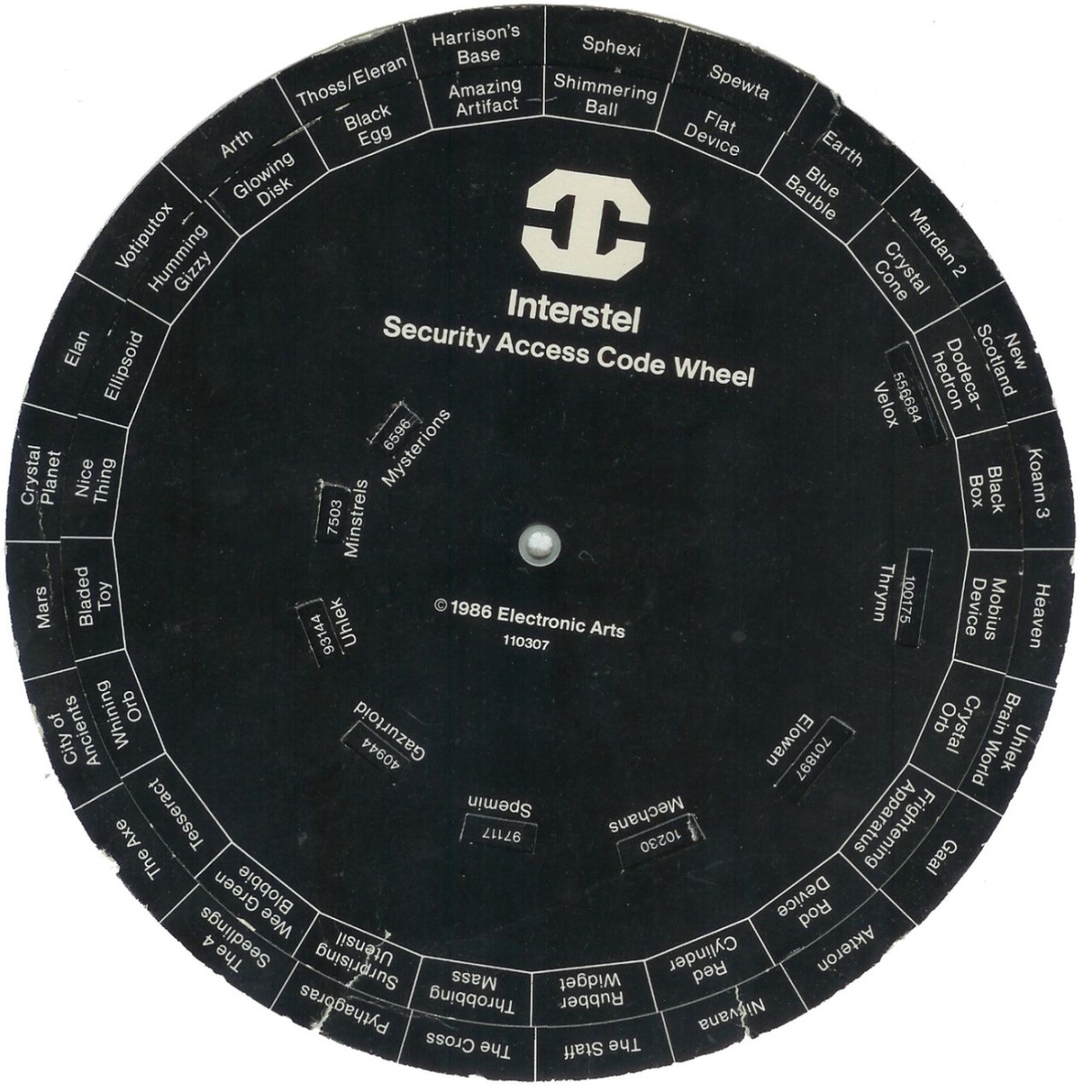
“We had particular fun with the Interstel police and the code wheel. If you entered the wrong code, the game let you continue at first. Only later would police ships appear and demand the correct code again. If you could not provide it, they blasted your ship to pieces. We laughed our heads off about that.”
In retrospect, even the save system can look like a deliberate design decision: there is only one continuously updated state, and a wrong action can have far-reaching consequences. The developers describe it less as a philosophy than as a product of contemporary conventions, limited time, and technical constraints.
Greg: You have to remember the context. There was no standard way of doing things then, no fixed expectation against which to compare our decisions. I do not remember much discussion about whether players might find it too harsh to start again. It simply felt like: you died—what else would happen?
Bob: Perhaps we just ran out of time and could not devise a more sophisticated system. One review later described the single save state as the ethos of the game. My guess is that it was simply happenstance.
Alec: Many games worked that way then: either you did the right thing or you died, and that was the end. It was not unusual in Infocom games, Rogue, or Zork. We never thought of respawning. We made decisions about saving only near the end, once we knew how large the game had become; we probably faced technical limitations as well.
Alec Kercso:
“It took me about fifty hours to play through the entire game. Each of the others had added little parts that I did not know about, so I kept following wild-goose chases instead of simply checking off the things required to win. I enjoyed it—but that is why it took me so long.”
Release and Legacy
Shortly before release, Starquest and Ambient Designs became Starflight and Binary Systems. Electronic Arts released the PC game on August 15, 1986.
The photograph later included in the box was created at the very end. The developers were staged as a spaceship crew in the cockpit of a Boeing 747, in keeping with Electronic Arts’ contemporary idea of presenting not only the product but also its creators as artists. After three and a half years of development, Starflight now had to prove itself on the PC, still far from an obvious gaming platform.
Alec Kercso:
“Two names changed. The game had originally been called Starquest, but Sierra On-Line was developing Space Quest, so we changed ours to Starflight. Our company was initially called Ambient Designs. People seemed to think we were interior decorators, so we changed that name as well.”
Alec Kercso:
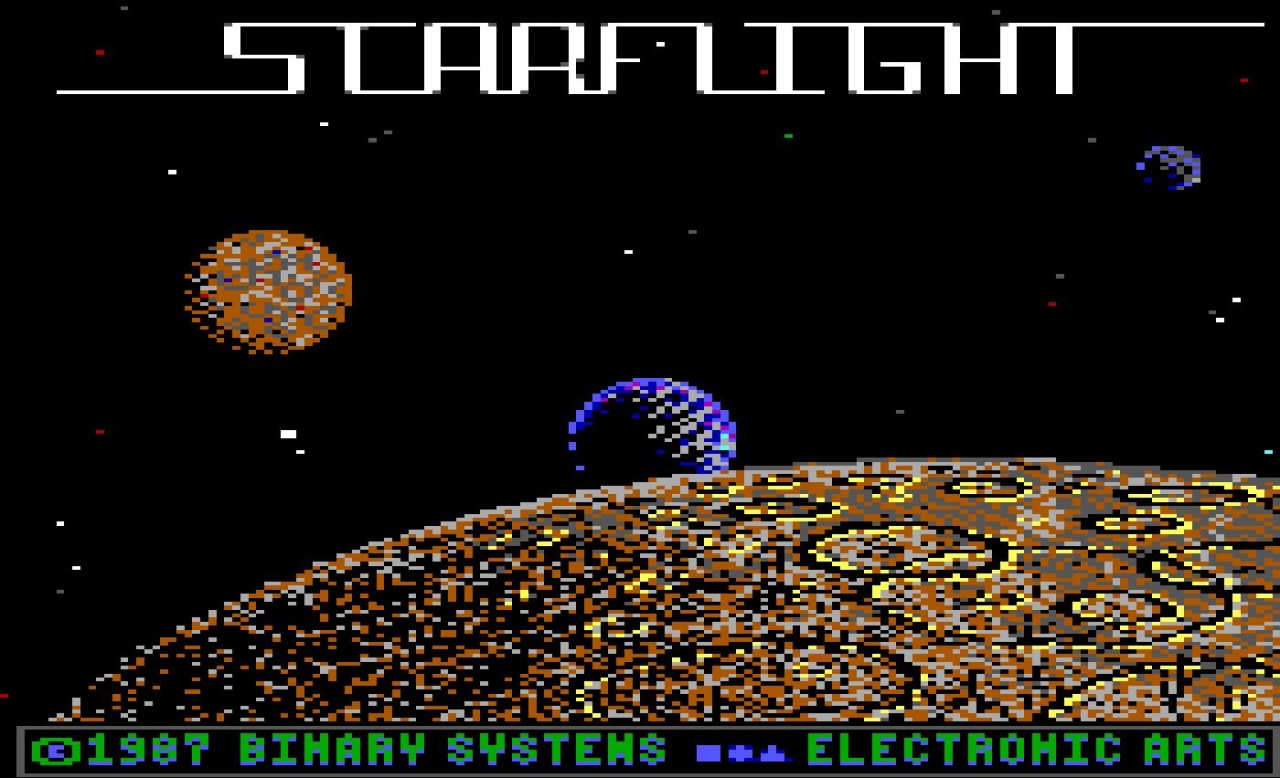
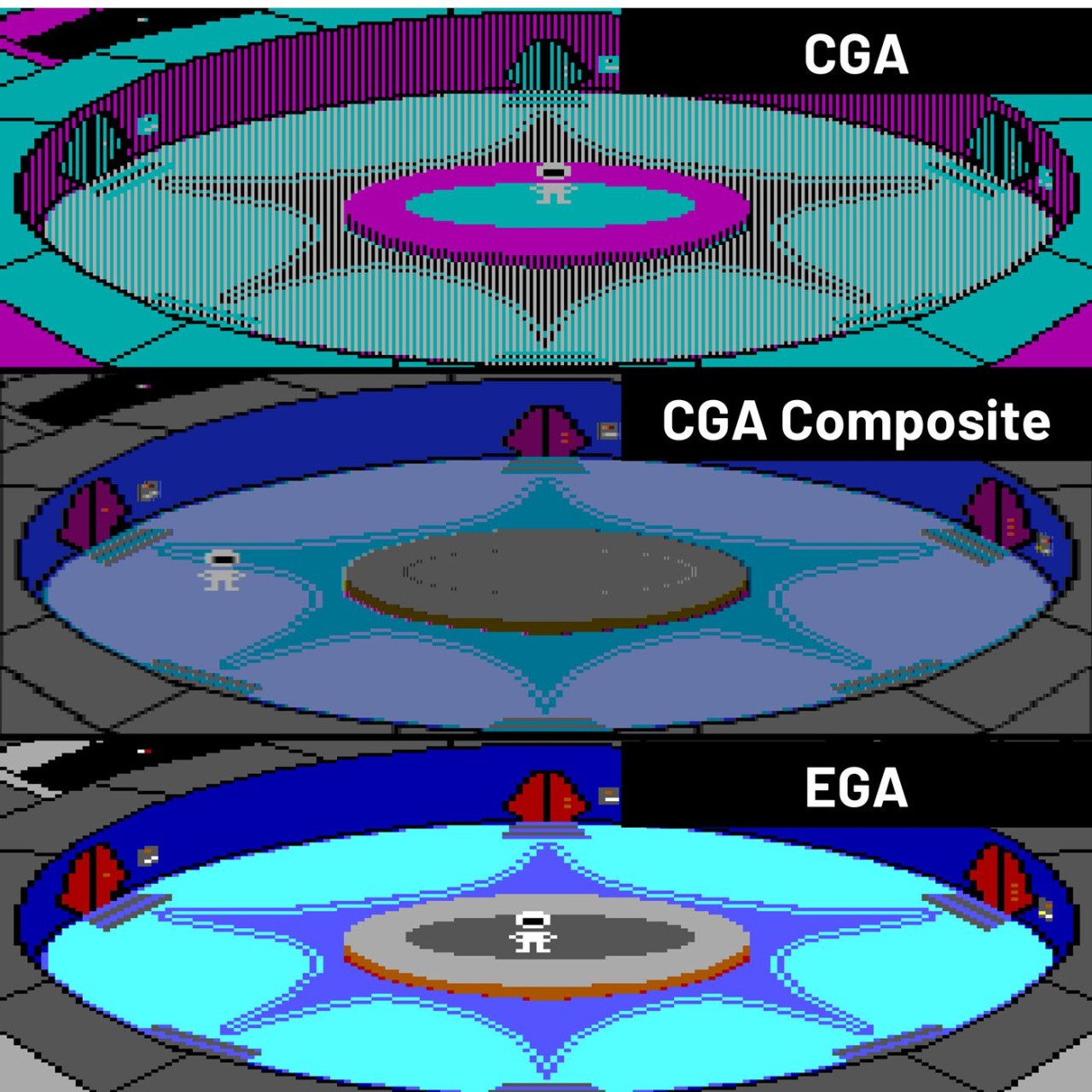
“We developed for CGA because Electronic Arts did not expect the PC to become a major gaming platform. For a while, they wanted us to move to the IBM PCjr, the ‘Peanut,’ because it was less expensive and considered more of a home computer. Nobody predicted what the PC would ultimately become as a gaming machine. […] EGA monitors initially cost about one or two thousand dollars and were regarded as business hardware. We therefore stayed with CGA and used artifact mode. Later, a player reverse-engineered an EGA patch; to the best of my knowledge, Electronic Arts incorporated it into subsequent releases. We did not write it ourselves.”
Rod McConnell:
“Toward the end, everyone was working frantically to get the product out. Electronic Arts tested it rigorously and was eventually satisfied enough to publish it. I was less happy with the music. We put in a small, rather generic tune that met the standards of the day. Music consumed a great deal of space, and we had to fit the entire game onto five-and-a-quarter-inch floppy disks. It was a resource we could barely exploit, and the tools were limited as well.”
Rod McConnell:
“In my view, it was an immediate success. The game made money from day one. I believe the first production run was about 20,000 copies, and it went up from there. Electronic Arts initially gave the game a great deal of press and exposure. Their marketing idea at the time was to promote the artist group more prominently than the publisher. That led to interviews, photographs, and coverage in computer magazines.”
Computer Gaming World named Starflight its 1987 Adventure Game of the Year; that December, The Washington Post reported sales of more than 100,000 copies.
Greg: One of Starflight’s claims to fame was that it had been the first PC game to go platinum.
Alec: That meant 250,000, right? A hundred thousand was gold, and 250,000 was platinum—that is how I remember it.
Bob: I bought a car.
Greg: In my case, it covered at least part of a down payment on a house. None of us became rich, but for the time it felt good. We had actually received something for our work.
The Sequel
Alec Kercso:
“As we were finishing the PC version, Electronic Arts approached us about a Commodore 64 port. Tim declared the project impossible. I cannot say exactly why; knowing Tim as a purist, he probably would have wanted to preserve his powerful graphics routines, but the C64 simply did not have enough power for their fractal calculations.
After the PC version launched, I went on a 220-mile backpacking trip. When I returned, I needed another project and began looking at a C64 port. I realized that with some changes we could actually make it work. We lobbied Electronic Arts to contract the project, they agreed, and we began.
Greg redid all the graphics because the C64 had features such as sprites that were unavailable on the PC. I did all the programming. I wrote the code and performed some machine-independent testing on a PC, then used an EA in-house device called the N-Wire to transfer it to the C64. I also created the opening score—a passage from Mussorgsky’s Pictures at an Exhibition—on the Amiga, extracted the data, and adapted it for the C64.”
Later versions appeared for additional systems, but the team did not remain together. Tim Lee and Alec Kercso left the games industry. At the same time, the relationship with Electronic Arts cooled. Rod McConnell describes a publisher that demanded more control, squeezed royalties, and wanted faster production.
Rod McConnell:
“Electronic Arts realized that it was now a prominent publisher and could call the shots more than it had at the beginning. They wanted to bring Starflight to other platforms, which we liked that as well. But they also kept saying that the revenue stream for them was less and less. The younger kids would work for a lot less in the dream of being a video game programmer or designer, and so EA exploited that to some degree. They started squeezing us on royalties, and I objected strongly to that. That was one of the things we headbutted, the other one was: I cared about the quality of the game. They wanted to rush it, I had a particular standard I wanted to meet. I wanted it to be something we would be proud of. […]
Later I had a meeting with Joe Ybarra. I believe—and I am reading between the lines—that Electronic Arts wanted to find out whether we still had a future working together. Perhaps Joe thought I was obstinate. I represented the artistic side, while he represented production. Both were legitimate. But after that conversation, he probably felt that continuing the relationship would not be as friendly as it should have been.”
Greg Johnson:
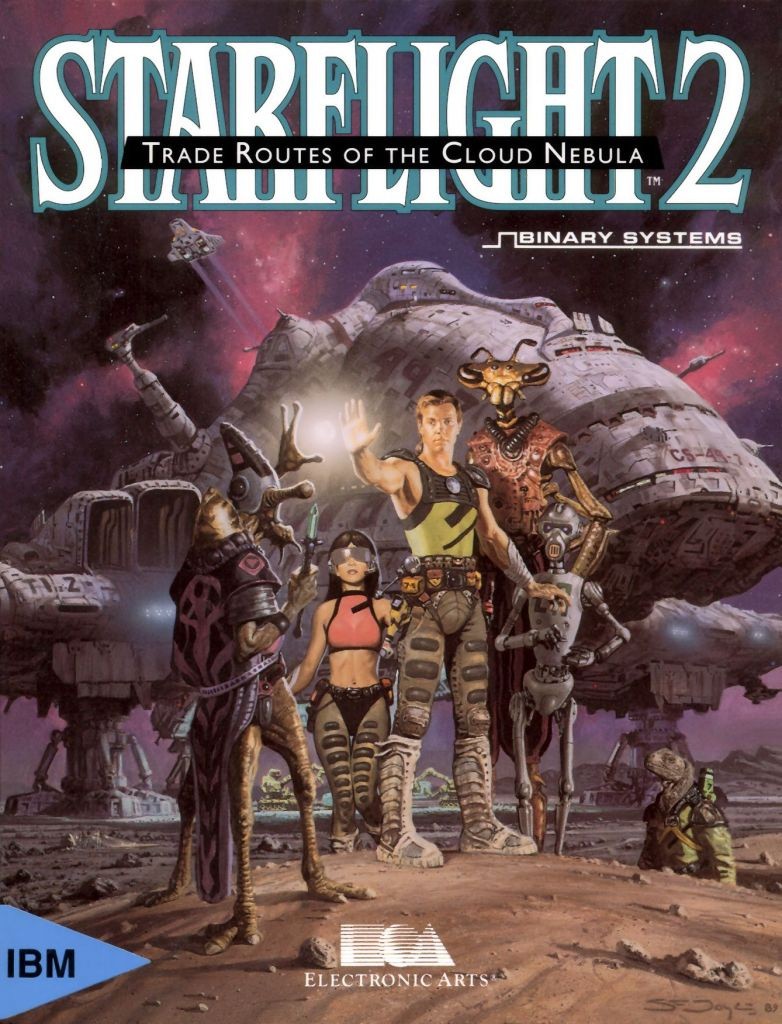
“Bob and I essentially made Starflight 2 by ourselves; everyone else had moved on to other things. We had this entire working system and thought, why would we not use it? It would almost have been foolish not to. In the first story, we had played with the perception of time. The second game was about space and a being so large that it covered parsecs. We added trade routes, an economy, and bartering. I remember that working more closely with Bob was very relaxed and a lot of fun.”
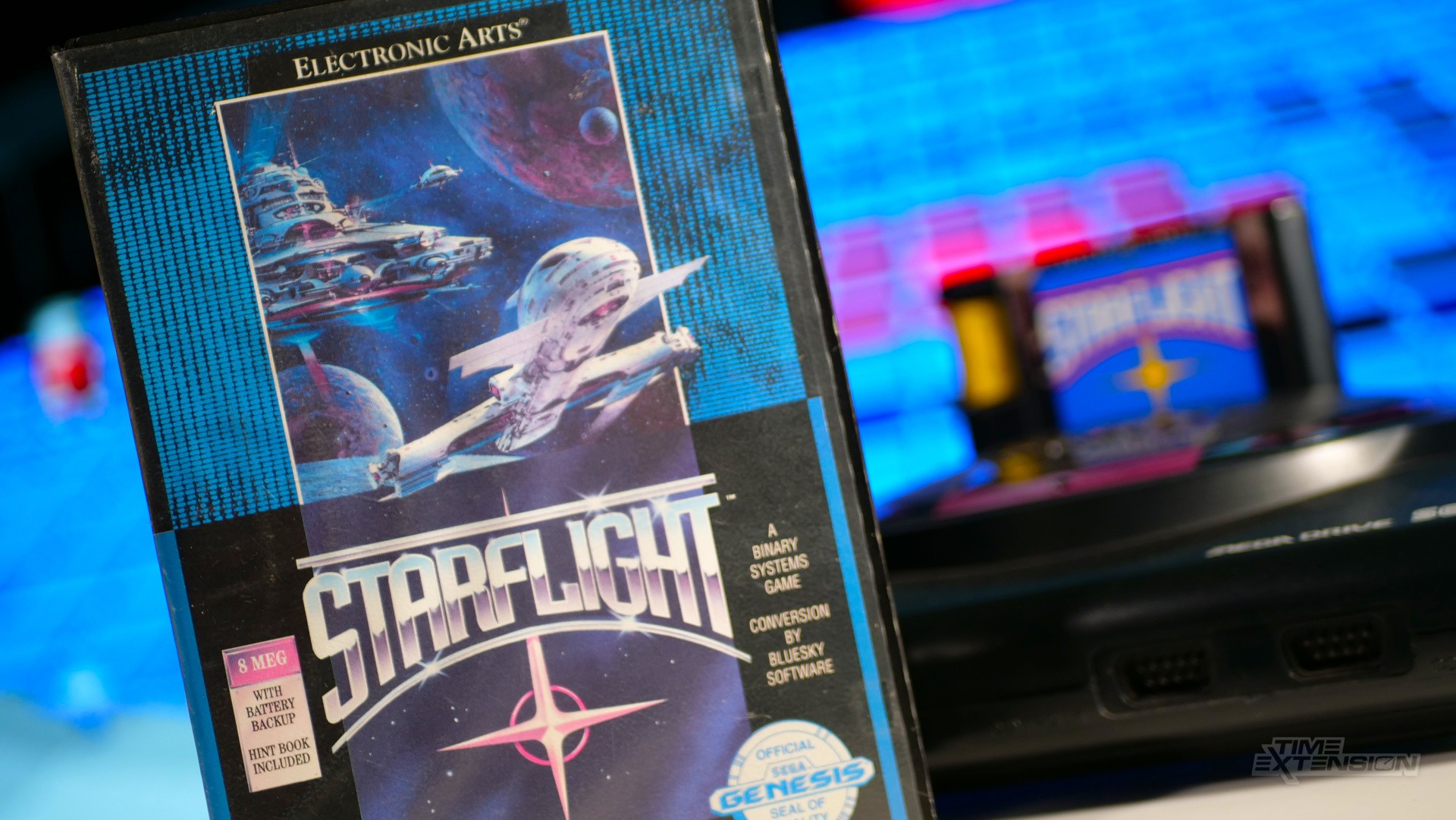
Starflight 2 reused the existing technology and expanded it primarily with trade and economic systems. Bob Gonsalves then left the games industry as well. Greg Johnson was the only one of the original five to remain in game design permanently. What had begun as a one-off project continued to echo through later games and the careers of many players.
Greg Johnson:
“Paul Reiche had helped me on the first Starflight as a friend and mentor. Afterward, he essentially said, ‘I want to do that. I have my own vision of it.’ He asked whether I would mind. Of course I did not. I wanted to help him the way he had helped me. We worked in neighboring offices and constantly went back and forth to help with each other’s projects. Star Control II emerged from that environment.”
Alec Kercso:
“We did not get rich. Other developers might have bought a Ferrari at the time, but I cannot even remember their game. Starflight outlasted that era. It became a piece of gaming culture. Even today, people write to say that Starflight made them want to become programmers. That is humbling. […] After Starflight, Greg stayed in games while I moved on to other things. Years later, in a job interview, I told a young engineer about Starflight. She said, ‘Oh yes, my dad played that.’ That was when I realized how old I was getting.”
Alec Kercso:
“I felt that games were not a stable enough career path for me. While we were developing Starflight, we saw other groups create games that were creative, fun, and exciting, only to flop in the market. So I moved on to other things after porting the C64 version. Notably, Rod and I later developed some very interesting airline-logistics software, pushing the envelope as we had with Starflight, but on a smaller, more focused scale.”
Bob Gonsalves:
“I still have programmers come up to me and tell me how much they loved Starflight when they were children. I find that amazing every time.”
Bob Gonsalves:
“I think Starflight stayed in people’s memories because it is so open-ended. You can simply nerd around, doodle around the universe, try things, and enjoy it. There is also a lot of humor—all those little jokes. That is part of what makes it fun, in addition to solving the larger puzzle.”
Greg Johnson:
“I have often heard from people who entered the games industry because of Starflight, or who played it with their father as children. It opened up a world for them. […] To me, that connects to the same energy we had while developing it. We loved science fiction and wanted to create something that made you think. We knew this was an emerging field and that we were working together at its edge. In every game I have made since, the team’s energy, enthusiasm, and chemistry have been the most important factors in whether the result shines. When the team loves a game, people can tell.”
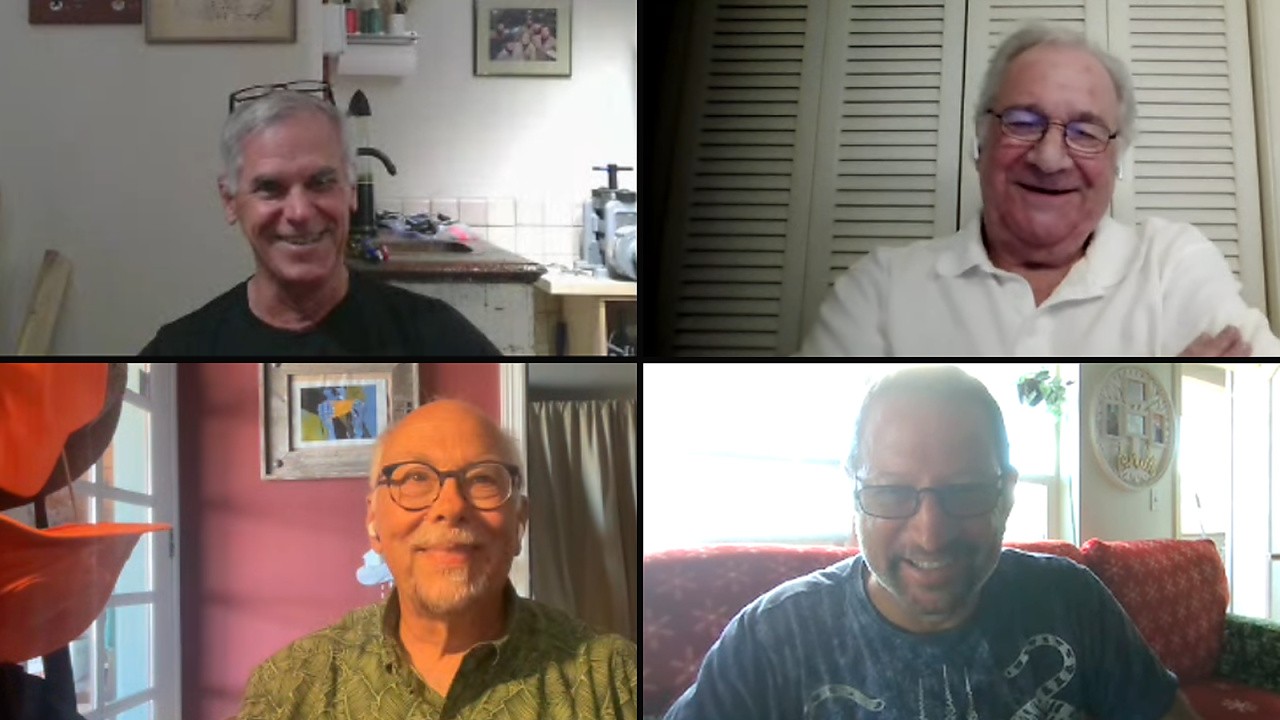
The interviews for this article were conducted by Gunnar Lott and Christian Schmidt; the article was written by Christopher Bär, all members of Stay Forever.
Stay Forever is the biggest German-language podcast about vintage games, it started in 2011, has produced hundreds of episodes and is listened to by more than 150,000 people every month. There's a fully German-translated version of this oral history on their site.
(c) Stay Forever, 2026 stayforever.de