
 by
by 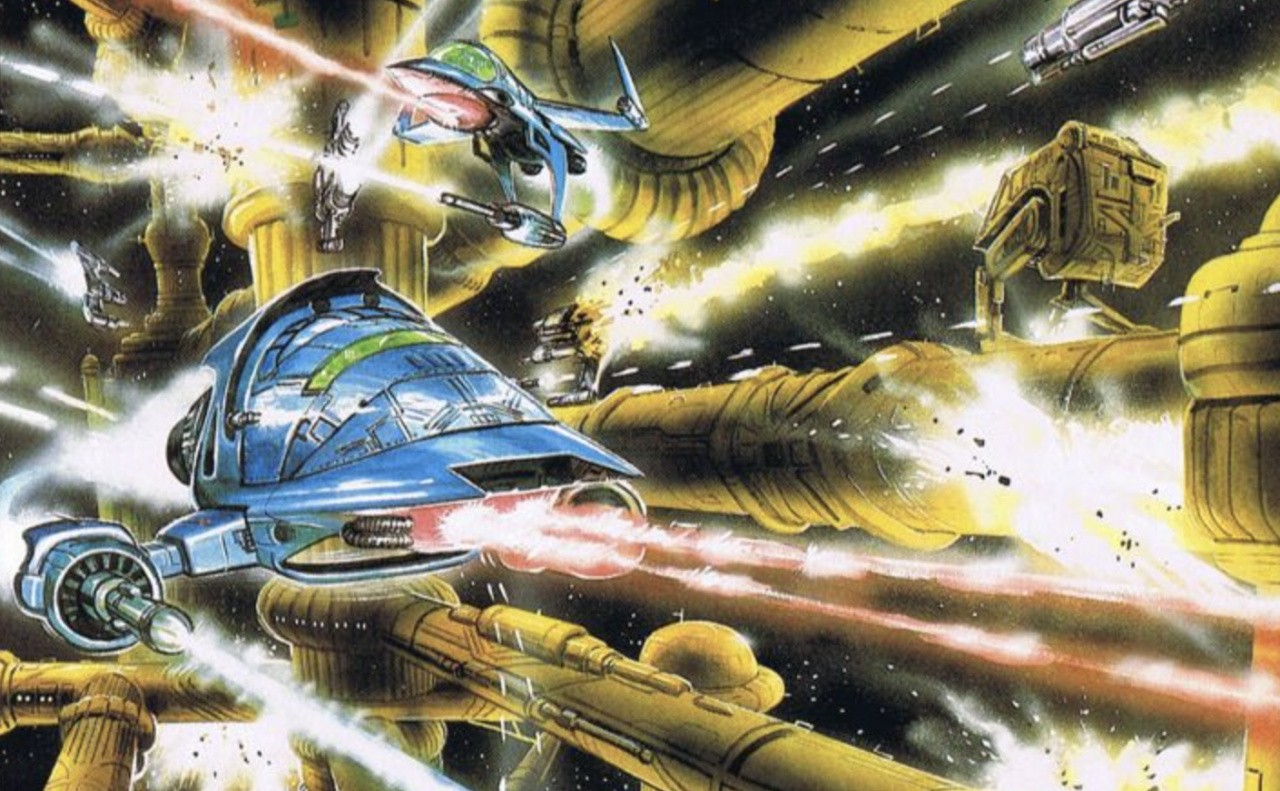
Released on the C64 in 1988, Cyberdyne Systems' Armalyte is considered to be one of the finest 8-bit home computer shooters ever made, scoring a whopping 97% in Zzap!64.
In 2010, it was remade for PC by Psytronik Software, but that version became obsolete due to a lack of compatibility with Windows 10 and 11.
In a welcome move, rights holder Thalamus has updated the game for modern Windows operating systems, bringing it back into active circulation and preserving an important part of the company's history.
Armalyte: The Remake is now available for $3.99, and we thought it was the ideal time to speak to Thalamus boss Andy Roberts.
Time Extension: How did Armalyte's remake come to your attention, and what was the process of getting the original developers involved?
Andy Roberts: The remake was made by Stu Collier and Trev Storey, the incredibly prolific duo behind the recently-released Impossible Mission 3 and countless other modern-day C64 titles. I'd worked with Trev for a few years at Acclaim Studios Teesside, so I knew his creative endeavours and the numerous PC remakes he'd been creating in his spare time (like Driller, Wizball, IO, and Dan Dare).
When the Armalyte remake came about in 2009, my good friend Jason Mackenzie from Psytronik Software asked if he could release the remake as a legit physical product, so it basically sat on the Psytronik store for a number of years. In the time since, Thalamus Digital was incorporated, so there logically came a point where I wanted to bring the game back under the Thalamus umbrella; that's when I discovered that the game didn't work under Windows 10 or 11, so that sparked a discussion with Trev and Stu, who very kindly (and quickly) dived into the code again and produced an updated version.
How has this particular project been funded? Are the original developers getting a cut of the revenue generated? If so, could this model encourage other developers to return to similar projects?
As with many projects that Thalamus publishes, everything was done speculatively by Trev and Stu (in other words, they invested their time, skills, and energy into making the game, in the hopes that it would sell well and make the whole process worthwhile...).
I believe the original developers received a percentage when the game was first released in 2010, and that will remain the case with the relaunch. When it comes to Thalamus' legacy titles, often the lion's share of the royalties goes to the original developers, and in most cases they get 100% of the revenue.
When the Thalamus Collection was launched on Evercade, for example, the license fee went directly to the original developers, some of whom hadn't received a penny in royalties for their games in over 30 years, if at all.
While many groups preserve games, publishers often fail to do their part to keep their titles playable and accessible to modern audiences. How is Thalamus addressing this issue?
It's a pretty broad topic with plenty of edge cases and nuances, and I suppose in Thalamus' case it's a much simpler process because the bulk of our output is intended for retro platforms for which there's an abundance of emulators (and modern hardware solutions) that are regularly updated.
I think PC, mobile, and console are substantially trickier, especially for games which are built using deprecated engines or had some form of server dependency or online component. We're also at the mercy of console manufacturers in terms of when they choose to end support for certain platforms and close the stores, which can be heartbreaking at times (I'm still not completely over the loss of the Nintendo DS and PS Vita storefronts).
For example, I have an old Xbox 360 containing South Park: Tenorman's Revenge, which I worked on back in 2012 - once that machine inevitably dies, it's next to impossible for me to play that game ever again, and bringing it back from the dead is either too costly or nigh-on impossible.
So in some regards, console is out of our hands, but doubtless there'll come a time when our PC games simply cease to work on certain versions of Windows, and in those instances we'll have to look at those games on a case-by-case basis.
Ironically, our biggest challenge is mobile; Apple will happily yeet your game from the App Store if it's not regularly updated, and Google's requirements seem to change almost monthly. Thus far we've managed to keep a lot of our mobile games up and running, but it's a lot of work often for little reward, even though it means a great deal to the fans.
Given that publishers need to generate revenue and sales, do you think the lack of positive action is purely down to money?
It really depends on the publisher, but currently I only know of a handful of companies who recognise how important their legacy is and are actively working to preserve and document it, and I suppose that becomes an exponentially bigger issue the more IP you own (some publishers are sitting on a mountain of classic IPs, like a dragon sitting on a pile of gold).
From a financial perspective, it's often a really tough sell: keeping an old IP alive might still generate revenue, but that revenue might not be sufficient to justify the effort. Many of the pitches I've sent out over the last year have had some form of preservation angle built-in, but it's rarely a selling point, and some companies simply won't engage unless the projections are off the charts ("We won't get out of bed for less than 50 grand," a large UK publisher once told me).
Ultimately I think there are ways and means, but it's a case of finding a business model that appeals.
What other examples of preservation has Thalamus undertaken recently?
Aside from updating mobile titles to keep them alive, we're actively working behind the scenes to capture and catalogue as much of Thalamus' legacy as possible.
We already have a couple of older ZX Spectrum games up on itch.io, and over the coming months we plan to add more games (including titles for C64, Amiga, and Atari ST) along with archival materials such as box scans, manuals, adverts, and so on.
Additionally, I'm looking into IP that has dropped off the radar, tracking down rights and copyrights to old titles, and trying to secure them so their legacy can also be preserved.
Why is publisher-led preservation so important, do you think?
We have to lead by example; if we don't care about our own IP (and by extension, the fans who invest their time, money, and energy into making our games successful), then people will either turn on you or turn away.
There's some incredible work being done by the likes of Frank Cifaldi from the Video Game History Foundation, Dean and the team at the Video Game Library, and dozens of grassroots museums and curated collections headed up by dedicated volunteers, but it's barely scratching the surface.
If more publishers got involved and took the matter more seriously, I genuinely believe it would raise awareness of how much video game history regularly slips away from us. It's tragic to think that there are some truly magical games that future generations may never get to experience; if someone was interested in becoming a filmmaker or musician, there's at least a century of landmark movies and albums that are reasonably straightforward to access, but if you wanted to study the history of gaming, there'd be agonising gaps due to the level of complexity involved.
And not least, gaming history - and the stories behind the games - is fascinating: honest people trying to make art that clicks with a diverse global audience, often in the face of incredible technological challenges, time constraints, and financial insecurity. Who wouldn't want to preserve that?