
 by
by 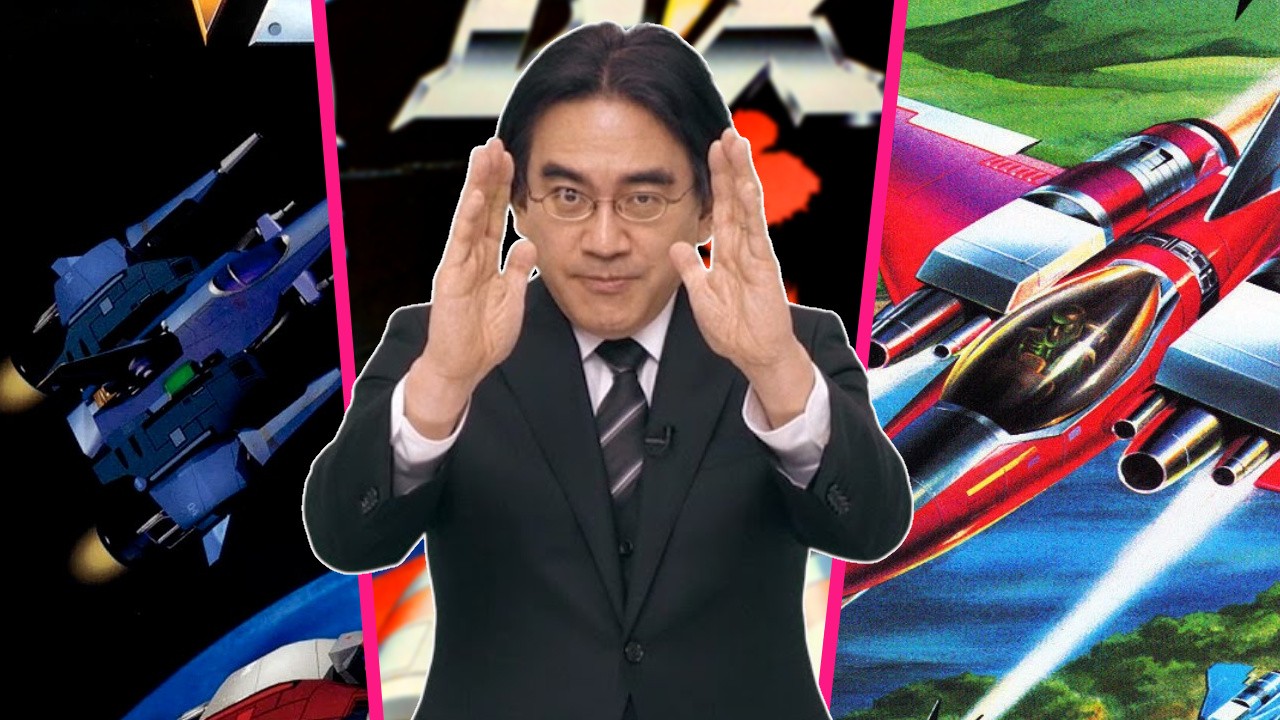
Richard Honeywood is a pretty famous figure when it comes to the world of video game localisation, having many major achievements to his name.
Not only was he responsible for establishing Square's in-house localisation department in the late '90s at its Tokyo office (alongside his colleague Aiko Ito), but he has also worked on some of the biggest RPG franchises of all time, from Final Fantasy to Dragon Quest, and also had stints at other influential companies, such as Seibu Kaihatsu, Blizzard, and Level-5. Understandably, because of this, he has accumulated some pretty impressive stories over the years about his decades working in games, having rubbed shoulders with some of the biggest names in the industry, including Yuji Horii, Shigeru Miyamoto, and Satoru Iwata.
At the start of this year, we decided to reach out to Honeywood in the hopes of doing a retrospective interview with the developer about his career in the games industry. This led to a 3-hour conversation over a video call, during which the localisation director, programmer, and translator gave us a spectacular insight into his journey from an Australian teenager programming Commodore 64 games in his spare time to a respected translator and localisation director behind some of the world's most acclaimed translations.
Given the scope of the interview, we've made the rare decision to publish the interview into two halves, with this first part focusing on Honeywood's decision to move to Japan, his time spent at the Raiden developer Seibu Kaihatsu, the development of an unreleased 64DD project he worked on with Iwata, and how he was almost recruited to work on the Pokémon series. So, grab a drink and a snack, and sit back, as we explore the early years of Honeywood's career:
Moving to Japan
Time Extension: To start, how did you first end up moving to Japan? At least from the story I've heard, you initially went over an exchange student. Could you talk a little about that?
Honeywood: Yeah, sure. So I grew up in Australia, and my brother had been a Rotary exchange student to Japan in the 1970s. He lived with one host family in Harajuku (directly across from Harajuku Station!) and another that was the director of the board of, I think, TV Tokyo (so he got to hang out with all these famous celebrities!). So his stories about Japan were always amazing. Because of that, I always grew up thinking Japan was this magical place, and I always wanted to go there eventually. So I decided to go as an exchange student.

I'd just started senior high when I applied and got accepted, and the plan was to go to Japan for a year, and then come back and finish my two years in senior high at a different high school. But what happened, while I was there, was that I didn't end up in Tokyo, as I thought. Instead, I ended up in this really rural area in Gifu, a town called Sakashita-cho, which only had a couple of hundred people in it. It was just rice paddies. I was put with a host family, and it didn't really work out very well.
Time Extension: Did you know any Japanese at that time?
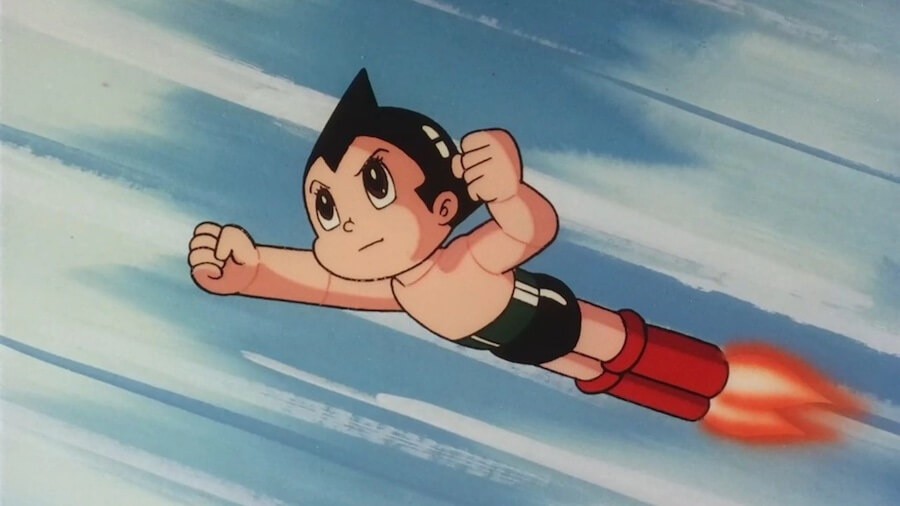
Honeywood: I didn't know anything apart from what my brother taught me over the years and watching as many Japanese shows on Australian TV as I could. So basically, the old Astro Boy, Star Blazers, and Monkey Magic. I also listened to the records that my brother had brought back from Japan, and I think the American Field Service (AFS), the exchange student company I went with, gave us a crash course in Tokyo for a few weeks before they sent us out to our different host families.
[Not understanding Japanese] brought all these tensions; it was all very difficult with the very first host family I was with. They didn't treat me that well. In fact, it got to a point where I almost died, and the exchange company had to step in and get me out of there. I literally got sick; they weren't feeding me, and I had to clamber out of a window and through rice paddies to call the school. I didn't speak enough Japanese to really explain the situation, so I was just screaming, 'Help me, help me. Come search for me.' They found me collapsed at the phone booth. That's when they knew they had to really intervene.
Time Extension: Wow, that sounds terrible!
Honeywood: Because of that, they ended up moving me to a Buddhist temple, and the Buddhist temple was fantastic. They're still like my family to this day. I go to them every year and help out there. But it was just the getting there that was the problem.
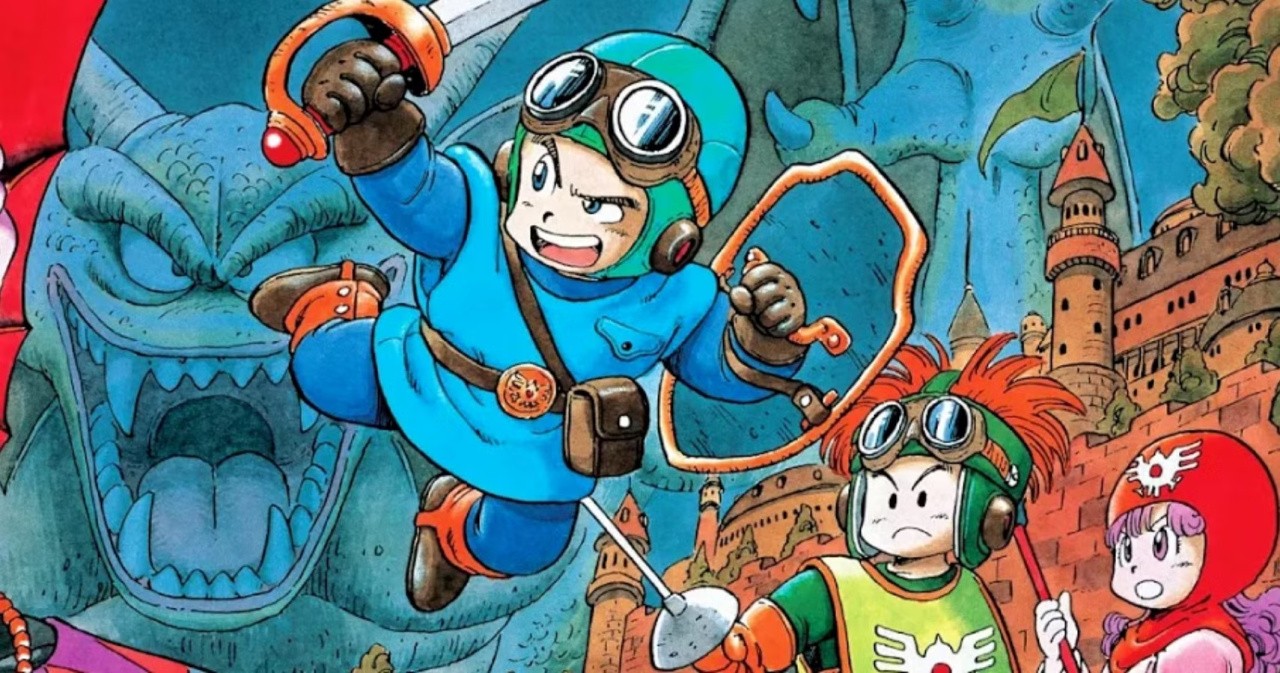
Because I didn't speak Japanese, I couldn't really watch TV, but I'd play video games on the Famicom. I was playing those games and looking up words in the dictionary, and I actually played Dragon Quest II that way. So that's how I was learning Japanese: through reading Shōnen Jump comic books, playing games, and going to my host family and asking, 'What does this Kanji character mean?'
In fact, in the Buddhist temple, I can remember the host father, an old Buddhist priest, walking in one time and watching me playing Goemon, which is about running around, hammering people, and stealing money. He slapped my wrist, pointing and saying, 'That's stealing money, you shouldn't do that.' I told him, 'I have to. That's the whole point of the game!' (laughs)
Time Extension: Were these games you bought yourself, or were they just random?
Honeywood: No, the games I had there were just whatever was gifted to the temple. It wasn't like I was out buying them or whatever. But, to give you some additional context, even before Japan, I had always loved video games.
Back in Australia, I was creating my own video games on the VIC-20 and Commodore 64; I had taught myself to code, and I did a Warlock of the Firetop Mountain book translation on, I think, either the Commodore 64 or the Amiga at the time. I was also swapping discs with my friends. So I was already into video games way before I went to Japan.

Anyway, after that stint in Japan, I went back to Australia. I finished high school, but I kept Japanese as my major because I already had a grounding in the language, and I was focused on getting into computer games. When I joined Sydney University, though, there was no clear computer game course, and I ended up going into economics. My brother was a politician, so I thought maybe I'd go into politics or work in an ambassador-type role. But within a year, I realized again that what I really wanted to do was games, so I switched majors from economics to a Bachelor of the Arts degree.
Of course, everyone treated me like I was nuts; it's usually the other way around. Everyone's trying to go from a Bachelor of Arts to Economics, and I was the only person going backwards. But I moved majors into Japanese and Computer Science, and basically finished three years at Sydney University, and then did an extra year in Japan at Hosei University. At the time, Japan had become an amazing country that was taking over the world. It was the bubble economy; they were super-rich. They also had this thing called fuzzy logic, which is basically what the AI bubble is right now. They were putting fuzzy logic into washing machines, rice cookers, microwave ovens, whatever you could think of, and it was going to take over the world.
At Hosei University, I took classes on artificial intelligence, including fuzzy logic and OCR (optical character recognition) for reading people's hand-written Japanese text. But I soon realized that the fuzzy logic thing was just all smoke and mirrors; there wasn't actually anything there, which is like shock horror, the whole AI thing today. That's why I'm very anti-AI right now. I lived through the whole fuzzy logic bubble, and I realized just how much of it was marketing hype versus reality.
Anyway, during my time there, I ended up applying to all the big Japanese video game companies, trying to get a foothold in the industry. I applied to Nintendo. I interviewed with Square and did a written test for them, but it was clear they didn't want me as a programmer. They wanted me as a translator, and, at the time, I wanted to be a programmer.
Seibu Kaihatsu & The Raiden Project
Time Extension: You eventually got a job with Rise Corporation, which was a subsidiary of Seibu Kaihatsu. I've heard in the past that you basically got the job there because you had experience in RISC programming, and the original PlayStation was on the way. Is that correct?
Honeywood: Yeah, RISC programming. Wow, I didn't know I had talked about that before. So basically, I had applied to everyone and got turned down. I even kept the letters just for old time's sake, because I've got all these rejection letters signed by very famous people. I even applied to the old Enix and all the companies that used to work for Enix, but everyone turned me down, and I somehow ended up at Rise.
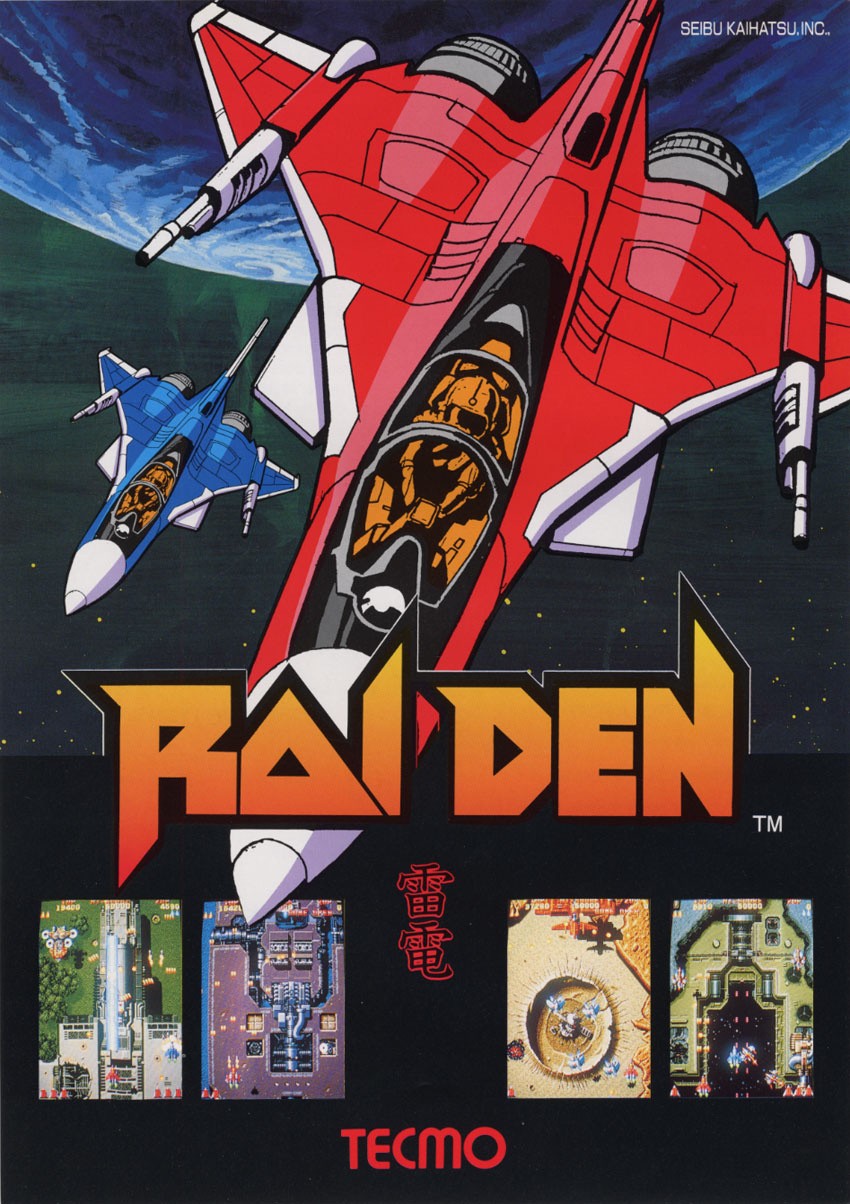
So, at the time, Seibu Kaihatsu had just split off its production company into a separate company called Rise. It was all for tax reasons, and was very convoluted behind the scenes, but it was a foot in the game industry. So I took it. The pay was crap, and, in fact, I even found out that they were pocketing my Japanese Nenkin, which I guess is like social security or basically your pension system in Japan, because they thought that foreigners would never use their social security in Japan, so they wouldn't know it had been stolen.
During the interview process, what clinched it for me was that I had been studying RISC chips while I was at University and at the time, Seibu Kaihatsu felt that was going to be the new cutting-edge technology. They didn't know yet that it was coming to the PlayStation, but they were thinking of using RISC chips on their arcade game boards. They really wanted somebody who could optimize the code because back then, they didn't have optimizing technology, right? Instead, everything was manually coded.
This is before we had the internet; even the intranet didn't exist. We used to swap floppy disks at the end of the day, and somebody had to get everybody's different code on separate floppy disks on their PC and merge it together. That's how we used to work.
Time Extension: Rise and Seibu Kaihatsu are obviously most famous for working on the Raiden games. I think you've mentioned before that you worked on the Raiden series. Were you on the PlayStation version specifically, or did you also work on the arcade games?
Honeywood: They had just finished Raiden 2 when I arrived, but they were talking about developing a couple of new games. One was an arcade game called Viper Phase 1. That was one that I was working on. Then there was another called Senkyu, which, in English, I called A Battle With Balls. The Americans didn't like that, and they shortened it to Battle Balls, and that's what it became known as. But I really wanted to have that pun in there.
We couldn't get a distributor for that, in either the UK or the US, so I don't think it ever came out on PlayStation, and even the arcade game had a limited release outside of Japan. I think they did a test run, and it didn't work. So, Senkyu, Raiden DX, and Viper Phase 1 were the arcade games I worked on while I was there.
But the interesting thing at Seibu Kaihatsu is that they built their own boards. They even built their own chipsets. They had a separate room with three or four big tech guys in there who would actually design the arcade boards and lay out the chips and burn the data onto the chips that we were programming in a separate room. It was very hands-on tech at the time.
Time Extension: How did Seibu Kaihatsu begin working with Sony on PlayStation games?
Honeywood: Sony Music approached us; it wasn't even PlayStation or Sony at the time. Some executives came to the office, and they brought international staff with them. So that's why I was called into the meeting, too. It was very weird that such a low-level guy would be in a meeting like this, but they were talking about creating the PlayStation, and they wanted us to port [Raiden and Raiden 2] as a launch title for the console.
That's when they said about it having RISC chips, and that made everyone on the other side of the table look at me like, 'Okay, we've got the RISC chip guy.' We talked about it, and our boss Hamada-san said he'd think about it. He shook hands and saw them out the door, and then he turned around and said, 'What do you think? Should we even try doing this PlayStation title?' Everybody was a bit skeptical of it, and even he was like, 'I don't want to work with them because they've got beards.' He said, 'Japanese people shouldn't have beards. Sending out someone with a beard to do business like that is bad.' I remember I was really shocked. I think I said to him, 'That's the reason you're going to turn them down?'
Anyway, we went back and forth, and we eventually agreed that we've got nothing to lose. But Hamada-san said, 'We don't have enough money to fund it.' So that's when one of the guys said, 'Well, why don't we make a strip mahjong game for the arcade?'
Time Extension: I think I remember hearing that Capcom may have done one of them at one point.
Honeywood: It's because they're guaranteed money, that's why they do it. There's a core user base that will always play those games, even if they're pretty much the same. They just reskin the characters, put on a bit of different music, and change the girls, and they can pump them out within a couple of months. And basically, what they would do is they wouldn't release it under the Seibu Kaihatsu name; they always released it under another publisher. So everybody quickly worked on that, while three or four of us were working on learning the PlayStation specs to work on what became The Raiden Project.
Time Extension: What was your specific role on the project?
Honeywood: So my job was, like I said, optimization. The old Sony processors would put the code into machine language, and then I'd have to take that standard machine language and try to optimize it to get everything I could from that data. So I had to cut graphics and animation cells to fit it onto the memory board.
I was essentially doing all that junk work while the main programmers were doing the high-level stuff, because they were giving me all the real low-level, nitty-gritty hands-on stuff to do. When we got to the point where we were testing, the team felt, though, that we needed a new opening scene, and no one had done 3D polygonal graphics before. I said, 'I'll give it a go,' and so the opening we put together within a few weeks was just basically me turning to a graphics guy, who learned how to model with 3D polygons, and we put it in the game.
I remember that it was this new guy who did it, but what he did was running super slow and was really pushing the limits of how many polygons could be shown. I'd done it with dummy models before, and it had been working smoothly. So, I thought, What the hell's going on? And he had modelled all the interior of the plane, so the engine, every single wire, the seats, and everything. You can't see it, but he had modelled the entire thing perfectly. And I'm like, 'No!' So we cut all that out, and we got it to work at a decent frame rate, but that was really my first time trying to program polygons.
Back then, nobody in Japan knew what a polygon was. But, in an Australian university, we had covered rendering and 3D graphics, so I had a slight leg up over the other people that I was with because I was the only one who had done any type of 3D modelling or polygons or understanding of rendering and that type of thing.
Time Extension: Do you have any other stories from working on The Raiden Project?
Honeywood: Well, one special secret that I can reveal is that I hid a code in the opening so that if you press certain buttons (I forgot which ones), it displays a staff roll. That's because they weren't allowing us to put our names on the game.
I'll have to try and work out what the button sequence it was. I only remember it was quite difficult and wasn't something that you would accidentally press. It was like a claw job. So you had to sort of hold down several buttons with both hands in order to unlock it. If anyone ever does that, they'll see it.
Time Extension: Has anybody ever found it and got in touch with you?
Honeywood: I've never seen anyone mention it, but then I haven't really gone searching. I'm sure if you go in there and hack the code and look what's in there, you will find that 2D picture. I remember I had a graphic artist draw it, because nobody was checking it out at the time. The other programmers knew I was putting it in there, but we were doing it as a sort of a secret for future generations to find, so it was essentially an easter egg.
With the Raiden project and all the arcade games, because I was the only English speaker in the company, I also had the job of translating the manuals. I did the translation of the game ports for them, even the stickers that go on the arcade machines that accompany the boards and stuff like that. I didn't actually realize that was considered localisation at the time. But those were some of the other things I worked on.
We were rushing to try to make [The Raiden Project] as a PlayStation launch title, but we didn't make the PlayStation launch in Japan by just a couple of weeks; I think we ended up being pushed to the next month. January 27th, 1995, is what Wikipedia says. The PlayStation launched in Japan in December 1994, so we were just off by a month. Then, in other parts of the world, we ended up working with Ocean and Sony America to publish it as a launch title in North America and Europe/PAL territories.
Time Extension: After working on The Raiden Project, you eventually decided to leave Rise/Seibu Kaihatsu to form a new company, called Digital Eden, with some of your fellow co-workers. What influenced you to make that jump?
Honeywood: Not too long after finishing The Raiden Project, the Raiden team pretty much all decided to leave. We were working on a racing game at the time, and people were sick of how Hamada was treating them.
The PlayStation game had come out, but we didn't really see any windfall or even a thank you of any kind. So a lot of people were pissed off that we just did this amazing thing, and it sold quite well because it was such an early title on the PlayStation. So there were definitely bucks coming in, but we never saw it. So Tetsuya Kawaguchi, one of the head producers (and basically the head of the Raiden team), asked a bunch of us to leave.
The other head programmer, [Kazutoshi] Shōji, stayed behind and didn't join us. They thought that the company was safe, but then, unfortunately, he died in a car accident or a motorcycle accident a year or so after that. Basically, that was the end, and the company never recovered.
Working With Iwata
Time Extension: With Digital Eden, you ended up working with Nintendo on game ideas for the N64's 64DD add-on. How did that come about?
Honeywood: After forming the company, we went to both Sony and Nintendo and marketed ourselves and said, 'Look, we've got programmers, we've got graphic artists, we can make a game.' Both companies interviewed with us, and we went through several rounds of funding discussions. We got accepted by Sony originally, and we thought, 'Okay, we're going to make a PlayStation game,' but Nintendo stepped in and told us to wait before making a decision.
Back then, they had this special second-party agreement that they used to fund companies, so basically, we weren't a true third party, as we weren't releasing for any other devices apart from Nintendo hardware. So if we locked it to Nintendo hardware, they would fund us, and it was a great deal. Apart from the funding, they also gave us tech assistance in the form of Iwata-san. So, Iwata-san back then was the head of HAL Laboratories. He wasn't yet the head of Nintendo.
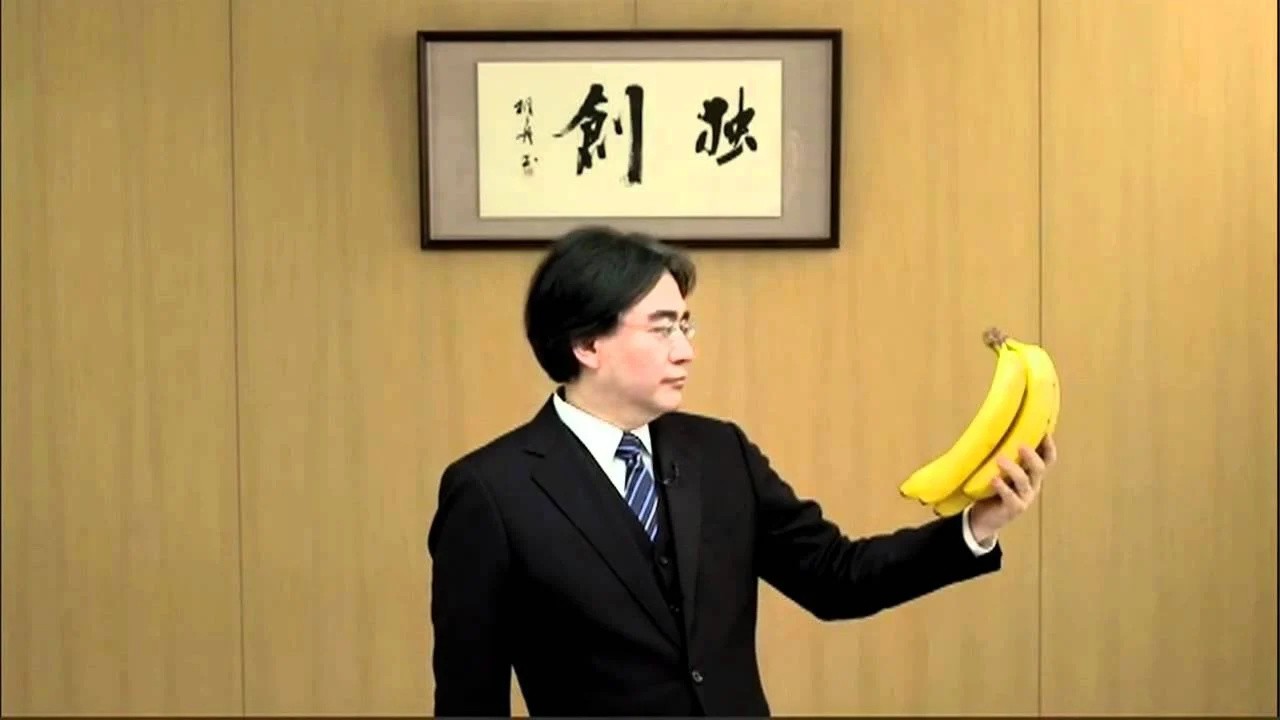
Time Extension: Did the funding come from Marigul Management? I remember reading Nintendo started a joint venture in the '90s with the Japanese recruitment company Recruit, and they basically had a fund for third-party development on the N64.
Time Extension: I'm not sure what the name was, but it probably would be that. It was for Nintendo 64, but the "nudge, nudge, wink, wink" thing was that they were releasing this 64DD thing, and they wanted a launch title for that. Basically, Nintendo had the Famicom Disk System, so they were pitching this to us as this is the disk system for the N64.
That was what we were told that we were aiming for, even though originally we didn't have any specs or anything for 64DD. We only had Silicon Graphics machines for the N64, and there was no actual hardware for it; it was all emulation on Silicon Graphics machines. To buy those Silicon Graphics machines was astronomical at the time, and it would be impossible for us to do it, but Nintendo basically loaned them to us as part of this fund that they had going on.
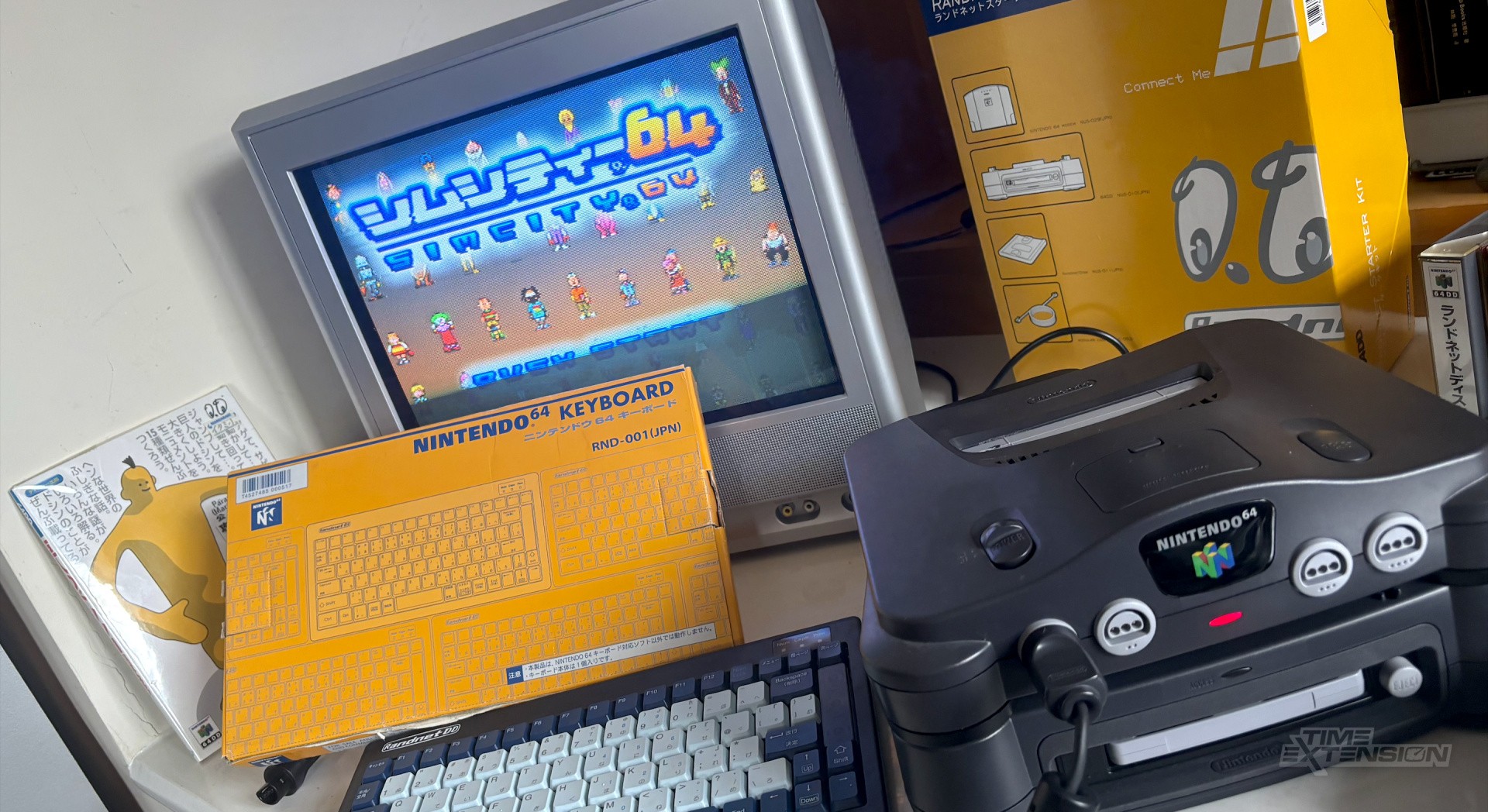
So, we got the money, we got the hardware, and we also got technical assistance in the form of the head of Iwata-san coming over once a week to discuss and see how we're going. They also said that we'd meet with Miyamoto-san regularly to see how the game's going and receive his feedback. So, of course, we thought, Well, god, that's too good a deal to resist, and we went with it.
We went over to their offices, and basically, he treated us as if we were part of his team. But eventually, the feedback we were getting for each game idea that we presented to Nintendo was just like, 'That’s no good. Start again from scratch.''
We set up a company in Kōfu, way away from Tokyo, out in Yamanashi prefecture, and the reason we picked it was that Hal Laboratory was the next station over in Ryūō, and that's where Iwata-san was based. So that freed him up to meet with us once a week at least. We went over to their offices, and basically, he treated us as if we were part of his team. But eventually, the feedback we were getting for each game idea that we presented to Nintendo was just like, 'That’s no good. Start again from scratch.'
It was really blunt, which is something Japanese people usually word around. So, it was a shock. Also, this included Miyamoto-san, and he was a god to us. Sometimes they'd even say, 'We like that idea, we might use it for another title, but the rest, scrap it.' And that was our feedback every month.
We had actually mastered the hardware quite quickly. I remember I had a simple maze game up and running, and Nintendo still hadn't worked out how to put textures on when we were originally doing it. Then they finally said, 'We've adjusted the simulator or emulator to allow textures,' and I was the first guy in the room to get a texture up for a brick wall on my maze running game. Iwata-san was pretty impressed at that.
Time Extension: Was that maze thing being built for a specific project? I remember you mentioning before that you had this Doom-like game you were developing for the 64DD.
Honeywood: The maze was just a test to show that we could make different types of games. We had been trying out different things, and it was obvious to us that they really just wanted us to do a shooting game like Raiden, because it was clear that we could do that game, and that it sells.
So, no matter what we pitched to them, they were sort of pushing us to make another type of Raiden shooting game. But we were all thinking, 'The reason we went and set up our own company is to do something new that's not a 2D shooting game.'
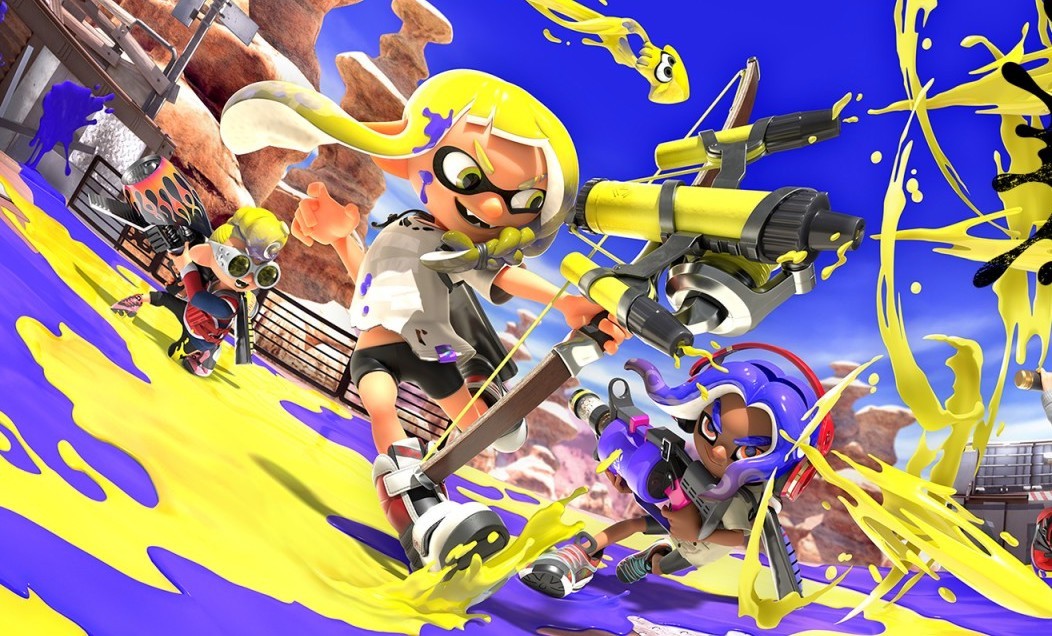
The game we ultimately settled on, which I thought had legs and was really going to go somewhere, was basically a water balloon fight. So instead of a shooting game where you had violence or whatever, because it was for Nintendo, we made everyone have water pistols, water balloons, and the kids all had newspaper pirate hats that they would wear as their armour.
I remember our boss, Tetsuya Kawaguchi fixated on the fact that he wanted the throwing animation to look amazing. So we had to stand out in the fields, throwing balloons with cameras attached to us. It was all really weird. Like, 'What the hell are we doing?' But he was so fixated on getting that right
Getting hit with water degraded the hat down and depleted your armour, and when the character got really wet, they reacted like little kids being sprayed with a water hose or whatever. That was basically the gameplay. You'd have these little forts, and you'd run around throwing water bombs and shooting water pistols at each other.
I remember our boss, Tetsuya Kawaguchi, fixated on the fact that he wanted the throwing animation to look amazing. So we had to stand out in the fields, throwing balloons with cameras attached to us. It was all really weird. Like, 'What the hell are we doing?' But he was so fixated on getting that right that he was forgetting that the whole game also needed to be shown to Nintendo correctly.
Nintendo allowed us to go with that for a while, but because we weren't showing much progress, it was clear that they were coming down on us more, saying things like: 'Soon you're gonna have to have something playable/marketable that we can sign off on, otherwise we'll have to start talking about how much we continue funding you.'
Time Extension: How long did you work on those projects?
Honeywood: In total, this lasted for about two years. The first 3-6 months were just learning, but the rest of the time was giving them a prototype of a new idea every month with a quick proof of concept, then having it just be ripped apart in the nicest possible way. It was just really degrading.
The first six months or so, we all lived in the same house together out in Kōfu, so our whole lives were this; we'd given up everything, and the cracks started to show. To give you an example, one issue we had was that there were no people out in Kōfu who already had a load of experience making games.
We ended up hiring a local art teacher to come in, and he was our graphics guy, and we were just training up like housewives to be like graphic artists and musicians, just to have local talent. The company itself could have worked if we just had a final game that would go, but that just never ended up happening.
Iwata-san would come into the office to meet with us formally, but occasionally he would just pick a couple of us to go out drinking with him. I haven't spoken about this a lot, but there were some times when we were out drinking together that you could see that it wasn't so much him supporting us; it was him sort of wanting our help to deal with whatever he was going through.
The new Mother game was in development hell, and he also had a Kirby Air Ride-type game [and another project], too, that was struggling. So, he'd come out with us, and he would tell us about how all three of these titles that were going to keep his company afloat were going nowhere, and we were telling him that the same thing was happening with our company. It was all very strange, because usually he was this very sweet guy, but you could see that even he was getting worn down a little bit by the experience.
A Brush With Nintendo
Time Extension: How did your time at Digital Eden come to an end?
Honeywood: Eventually, the writing was on the wall for us. We knew that this wasn't going anywhere, and the 64DD didn't even have a release date.
We could have released it as a cartridge, but they weren't allowing us to release it on the N64. They wanted it to be a 64DD title, but we hadn't actually gotten working 64DD hardware to base it on. At the same time, they were talking about cutting our finances, because it's been almost two years, and we haven't got anything nailed down, but we'd given them a bunch of decent games that could have come out. Back then, we would pump out arcade games within two or three months. Now it's been almost two years, which back then was pretty bad, right? It all came to a head when, for some reason, everybody asked me to have a meeting at my house, because I'd moved out of the place we were sharing, and I told them, 'Okay.'
They all came around to my house, and everybody just gathered around and said, 'I think we're going to quit, but we don't want to tell our president, Kawaguchi.' We all had set up the company together, but he was the one who was invested in Nintendo and was basically our frontman. He was all in; he was not going to change, but the rest of us knew that we were wasting our lives.
Anyway, I heard this, and I was like, 'Oh my god, you guys are thinking that too?' And basically all the dominoes fell that night. One guy had already quit and had gone to join the Sega Rally team, and then, within a few weeks of that, everybody was talking about looking at different options. I applied to a few different companies, and saw Nintendo was also looking to hire people. Their Famitsu ad said, 'All applications are treated with the utmost confidentiality', so I thought, 'Okay, I'll give them a try.'
I applied to them, and within a few days, I got called to Kawaguchi's house, and he blew up at me, yelling: 'You applied to Nintendo, why the hell did you do that?' He called me a backstabber and told me I was destroying the company. He said, 'Because you're a foreigner, Nintendo looked at you as our international playing card, and you're making us look like our team's falling apart.' I said, 'The team is falling apart. Everybody gathered at my house a couple of weeks ago, and we've all decided we're quitting.' He didn't believe it, and he was just in shock.
I asked him, 'How the hell did you find out I applied to Nintendo?' but he wouldn't tell me. Then, when we went back to work the next day, it was like nothing had happened. You could see that his whole demeanor had changed. Everybody had calmed down. I didn't tell anybody else what had happened. I just kept it quiet to myself. Then suddenly, out of the blue, I got called by Iwata-san meet up with him and go to Tokyo.
Time Extension: I think I've heard this story before. Was it something to do with Pokémon?
Honeywood: Yeah, it was to show me early Pokémon. It was around the time Pokémon [Red & Blue] was coming out. Creatures Inc. had just moved into the same building. Meanwhile, the prototype I was shown of the original games still didn't have everything in it. I believe that they were actually talking about the 64DD at the time, so Pokémon Snap was probably going to be the next game that they were moving onto. Iwata-san had travelled with me by train from Kōfu to Kanda, in Tokyo, and sat next to me, and on the way, he admitted, 'I'm the one who told them that you applied to Nintendo, it was me. If you're going to get upset, don't get upset at him; get upset at me. I was just shocked that you applied.'
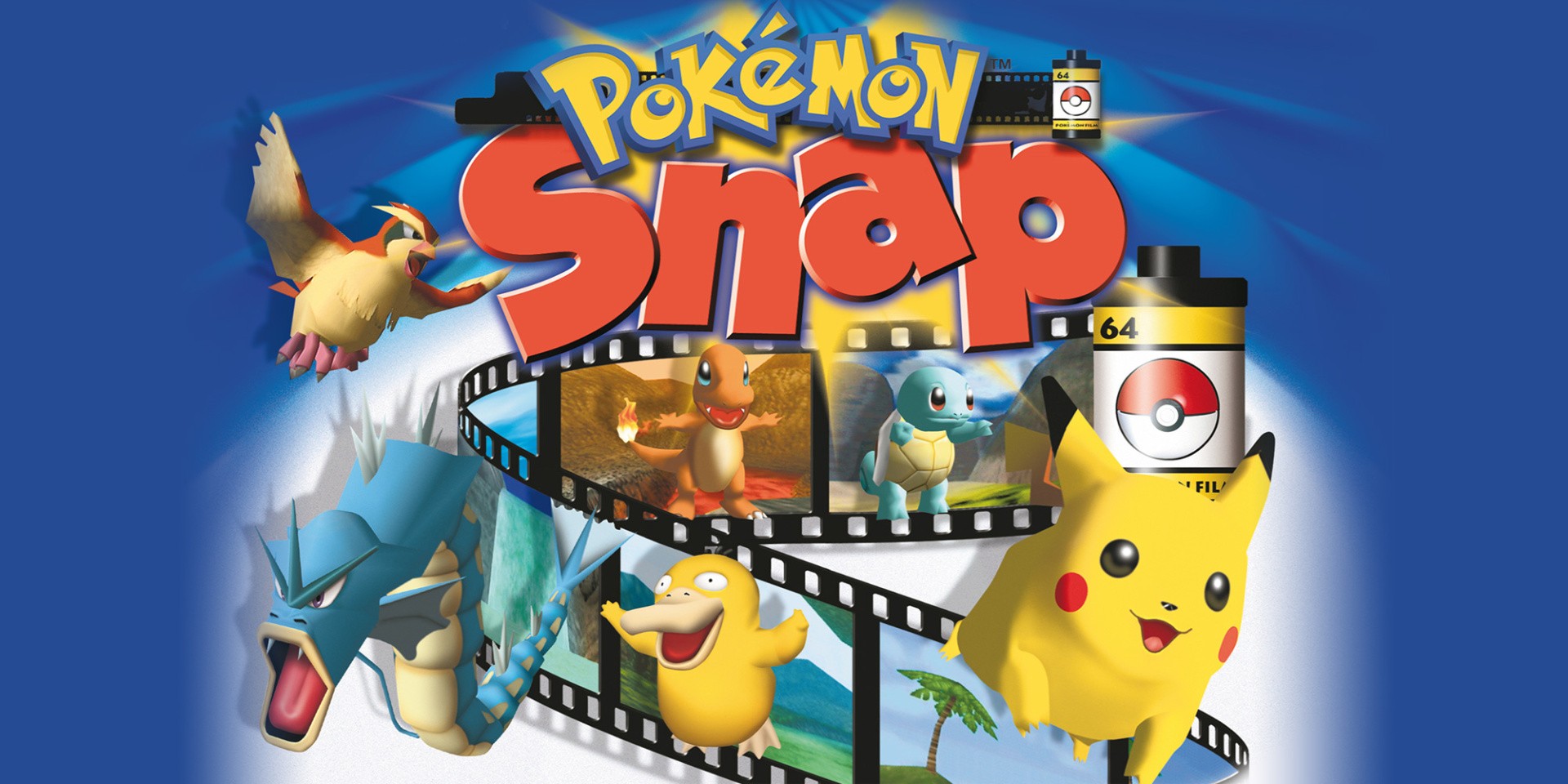
So I explained to him, 'Well, everybody's quitting, it's all falling apart.' I told him someone had joined Sega; I've interviewed with Square. And he was telling me, 'Yes, Square is a very good company, but they're not Nintendo. You should come to Nintendo instead,' and he wanted to show me this new thing Nintendo was working on.
I think a lot of it was the fact that he had betrayed my trust and the secrecy, and the fact that it had gotten back to my boss; otherwise, hell, I would have probably joined Nintendo. I remember, though, I looked at the Pokémon game they showed me and said, 'I don't think it's going to sell.' So, I turned down Iwata-san, and I applied to Square, which is, of course, when my whole life took a huge turn.
Thanks for reading! Part two of the interview will be available next week and will cover the localisation of Final Fantasy, Xenogears, and Dragon Quest. So stay tuned for more.