
 by
by 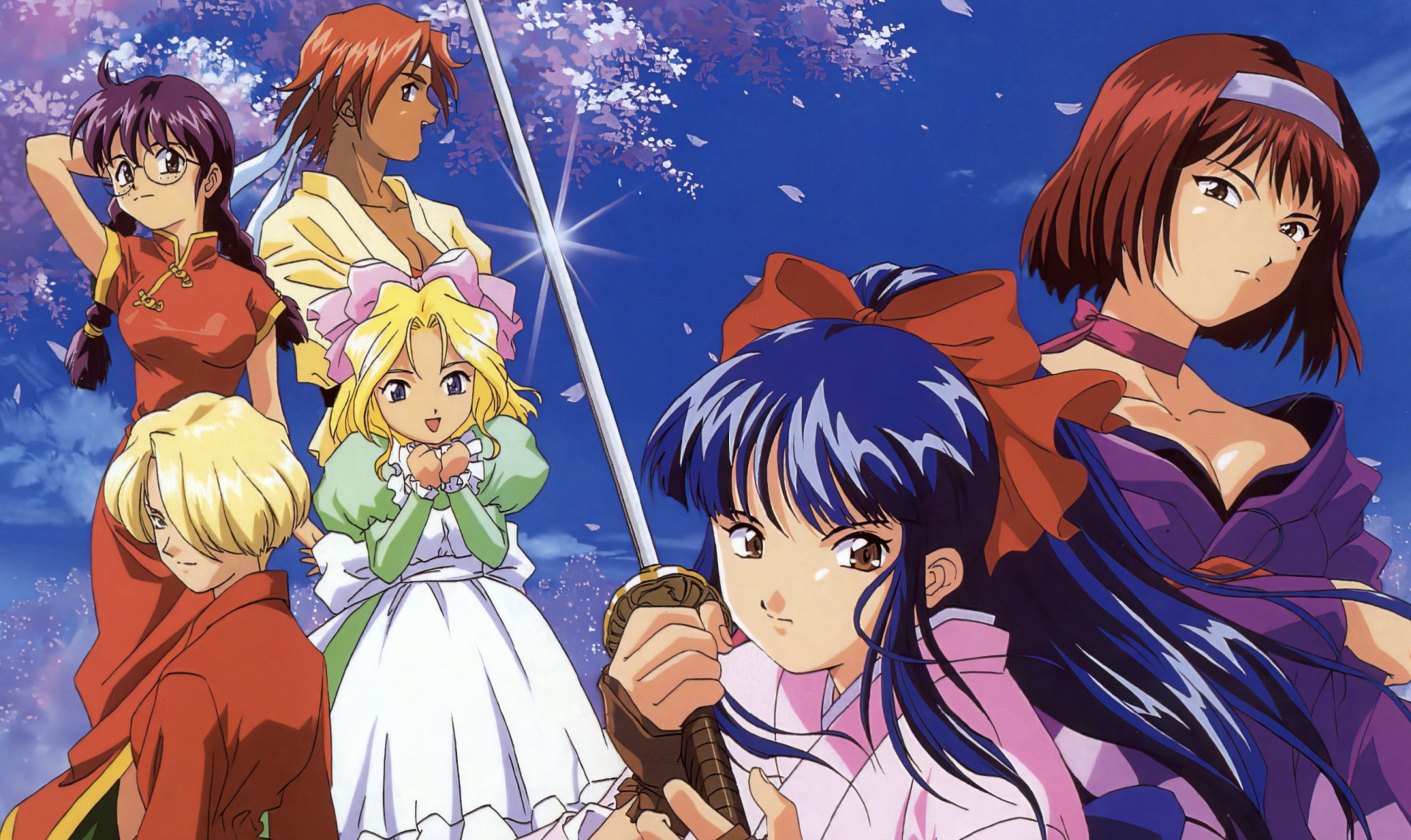
Oji Hiroi, creator of the Sakura Wars and Far East of Eden series, has recently been airing his views on the health of the Japanese video game and anime sectors, and feels that Japan relinquished its lead in the former at the turn of the century due to an ongoing over-reliance on sequels.
Speaking to Business Hit (thanks, Automaton Media), Hiroi – who has worked in both industries and has previously been employed by both Lucasfilm and Pixar – reveals that he felt Japan's creativity and talent were dominant in the mid-'90s:
"Back then, both Japan as a whole and I myself were riding a wave of momentum. I genuinely believed Japan was number one in the world for both games and anime, and to be honest, I think part of me that looked down on America to some extent.
When I actually went to America, I thought, Wait, what do you guys even plan to make in this kind of environment? After all, Hudson was the first to make CD-ROM technology a reality, and even Michael Jackson was involved with Sega in the 90s. Japan back then was undoubtedly at the forefront of global creativity."
While Hiroi notes that Japan's anime industry has thrived in recent years to become a truly global force, the same thing hasn't necessarily happened in the realm of video games:
"The typical trend became to immediately churn out sequels like “2” and ‘3’ whenever a hit title emerged. Do you know why that happened? The underlying mindset was, Since it’s a sequel, we should be able to make it cheaper. When a title sells well, your next step should be to invest even more in it and enhance its value. Instead, the industry rushed toward the mindset of It already sold, so next time let’s cut costs and make efficient profits."
Hiori – who also has credits such as Madō King Granzort, Samurai Crusader and Moeyo Ken to his name – feels that Japan's stature in the world of games in the '90s is actually what led to its current malaise:
"Because Japan’s game market itself was the world leader, there wasn’t much incentive to think about how to compete overseas or how to expand globally. As long as things kept circulating within Japan, the business model worked."
It's worth noting that Western developers have become just as reliant on sequels and risk-free releases, especially in the world of big-budget AAA games. However, indie titles have arguably filled the void when it comes to experimentation and new ideas, and while Japan has its fair share of indies, too, the market is perhaps less buoyant than in the West.
This is by no means the first time that Japan's influence on the video game arena has been called into question. Back in 2012, Fez creator Phil Fish received more than his fair share of "constructive feedback" for claiming that Japanese video games "just suck", and, more recently, Keiji Inafune has been critical of the industry's fear of risk-taking and over-reliance on existing IPs.