by
by 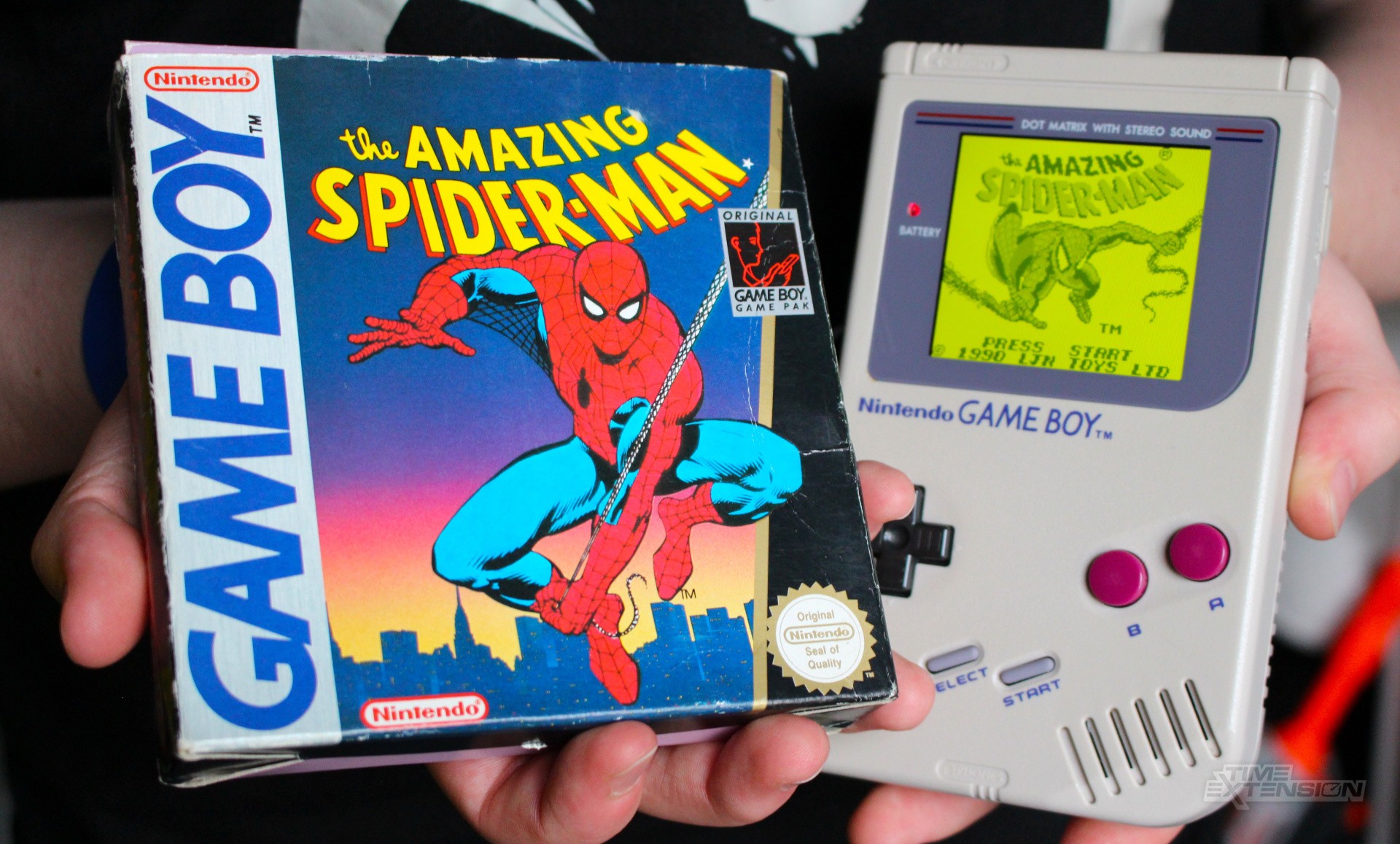
The recent discourse around Marvel's Wolverine on PS5 is something I've personally tried to avoid, but it serves to highlight the fact that superhero video games are some of the biggest commercial projects in the industry, generating millions in revenue and triggering pages and pages of debate online.
You could argue that it's always been that way, right back to the late '70s and early 1980s, when the first examples – such as 1979's Superman (Atari 2600) and 1982's Spider-Man (Atari 2600, Odyssey 2) – appeared on the market. Even so, it's remarkable to learn that, even by the time the 1990s arrived, many of these lucrative titles were designed and developed by tiny teams, even within respected and esteemed studios like Rare.
To set the scene, Rare in the late '80s was a very different beast to the company we know today. Born from the ashes of Ultimate Play the Game, Rare would see trailblazing siblings Tim and Chris Stamper refocus their attention from 8-bit home computers like the ZX Spectrum and C64 to the emerging consoles from Nintendo – namely the NES and Game Boy.

After earning Nintendo's respect by reverse-engineering the Famicom and becoming the first Western third-party developer for the NES, Rare produced a string of for-hire projects which helped fill the company coffers and transform it into one of the most formidable codeshops operating in the console space. Early releases like Wizards & Warriors and R.C. Pro-Am rubbed shoulders with licensed properties such as Jeopardy!, Wheel of Fortune and Anticipation, and in 1988 Rare's output went into overdrive, with a whopping 16 games released on the NES, including WWF WrestleMania, Who Framed Roger Rabbit, Cobra Triangle and Ironsword: Wizards & Warriors II.
As you can see, Rare became adept at mixing its own projects with those based on licenced IP – a steady source of income when you consider the importance of a famous name on the front of the box at that point in time. In 1990, this culminated with Rare's one and only superhero-based video game, The Amazing Spider-Man on the Game Boy.
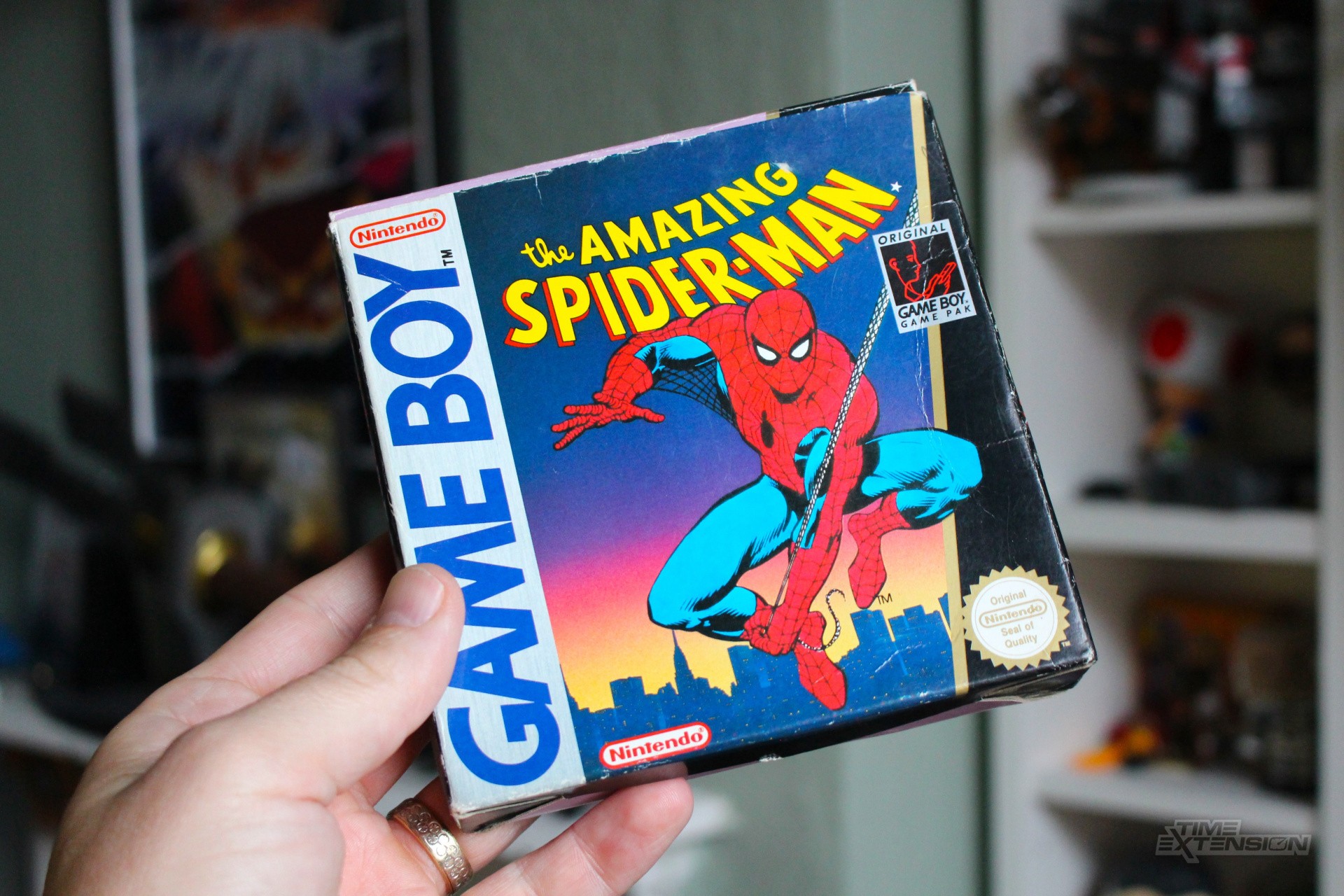
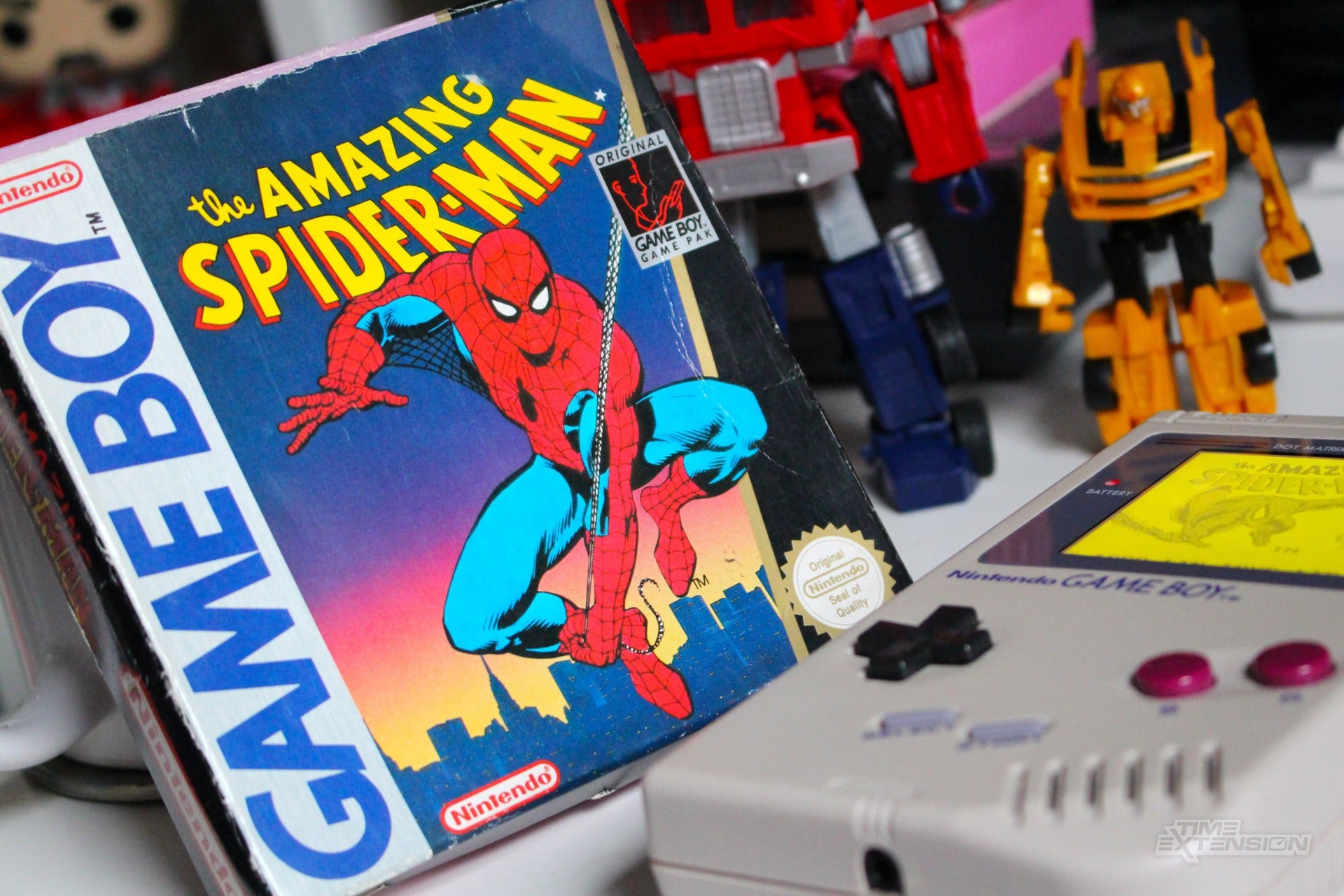
Published by LJN in North America and Nintendo itself in Europe, The Amazing Spider-Man holds a special place in my heart. When I moved to a new house in 1990, I quickly bonded with a kid across the street through our shared love of video games. He owned a Game Boy – the first time I'd ever witnessed Nintendo's handheld in the flesh – and one of the few games he had was The Amazing Spider-Man. As was common for a time when games were a monthly luxury if you were lucky, we'd extract every last drop of entertainment from the game – which, in the case of this particular title, was considerable. It mixes a surprising amount of gameplay mechanics for an early Game Boy release.
What's even more surprising is that The Amazing Spider-Man was the work of just three people. Chris Sutherland was the programmer, while Trevor Hill handled the visuals and helped with the design. Rare legend David Wise, meanwhile, handled the game's audio. The fact that this tiny trio was entrusted with such an esteemed media property shows how far things have come since then; a game like Marvel's Spider-Man 2 has credits that run into the hundreds.
"I started at Rare in 1989, possibly around June 1989," Sutherland tells me. "I'd done computer science at university, and I'd been playing games on the ZX Spectrum." After finishing his degree, the Inverness-based Sutherland arrived at a crossroads. "When I came out of university, I was thinking about what job I wanted to do. I thought, I'm still interested in games, and the people I was friends with at uni were all playing games, so I thought I should probably look at something like that. But I played it safe and applied to Acorn Computers."
In an alternate reality, Sutherland expects he would have been "writing something to do with chip simulation," but, thankfully for gamers the world over, he also approached Rare. "I loved their output as Ultimate Play the Game, so I thought I'd just write them and see. Back then, there was no internet, but Ultimate had a reputation that meant you'd try and track down their games via magazines and visit shops in the hope they'd have a copy of their latest effort. I was a fan of Jetpac and Tranz Am, and all the others, and there was a thrill in seeing what they could come up with next. So they were an obvious choice when it came to finding a prospective employer."
After a speculative letter, Sutherland was stunned when Rare asked him to travel down from Scotland for an interview. He didn't have high hopes, despite making the 460-ish mile trip to the English Midlands. "I thought they weren't going to be interested in me because I've never written any games. But I went down, and I visited Manor Farm, which was Rare's HQ at the time. I met Tim and Chris, and then I remember talking for ages about Sega's Golden Axe, which I was playing in arcades at the time. I got quite animated about the feeling of swinging a sword and the fact that characters could dash across the screen when you double-tapped the stick. I don't know what else I said, but I thought, 'Well, that's it, I won't be hearing back.'"
However, Sutherland clearly made an impression on the Stampers, as they offered him a job. "The funny thing was, I got an offer from Acorn at the same time," he recalls. "The Acorn offer was quite a lot more. The starting salary at Rare was like something like eight thousand pounds a year. I thought that I'd rather do games, actually, so I'll just go there."
It's fair to say there was no complex onboarding procedure at Rare in 1989. "The first day I was there, I was introduced to the people in this huge barn. I think there was some Game Boy hardware there, and I had some things to read. The other engineers were very helpful in giving me guidance. Then, on the second day, Tim's wife, Carol Stamper, came along with a folder and said, 'Here's the game you'll be working on,' and put it down. I must have mentioned in the interview that I was interested in Marvel comics, so I guess I shouldn't have been surprised that it was Spider-Man."
Consider this for a second; you're straight out of university, and on the second day of your first full-time job you're handed custody of one of the most famous characters on the face of the planet. "Every time I think back to it, it seems really intimidating to say, 'I'm just going to sit there and make this game on my own,'" recalls Sutherland today. "I'll just be able to do this; I thought, 'I'm here, I'll get started doing it then.' I don't remember it fazing me at all. Amazingly, I hadn't seen or heard of a Game Boy before!"
What's even more remarkable is that, beyond some very basic information, Sutherland was effectively handed a blank canvas. "In this folder that Carol Stamper gave me, I don't think there was anything," he remembers with a laugh. "I think it was like a sheet or something. It described what the game was going to be about, but it didn't describe what the game was going to actually be in terms of mechanics and gameplay. I think most of the ideas came from Trevor and me. When we started working on it, we quickly decided that it was going to take inspiration from Kung-Fu Master, and we quickly began figuring out a way to get all the different moves into the game; all those different abilities, like the Spider Sense."
Perhaps the biggest early obstacle for Sutherland was physically getting to Rare's office, which was located in the English countryside, with the largest cities being Coventry (around 18 miles away) and Leicester (around 19 miles away). "I didn't have a car at the time, so I was staying with my brother's wife's parents for ages in the nearby town of Tamworth. I ended up getting a lift in every day with Kevin Bayless. He would work late, so I would work until whenever he worked, and then I'd come home with him. He used to listen to Then Jerico's Big Area every day. Well, it felt like every day, anyway."
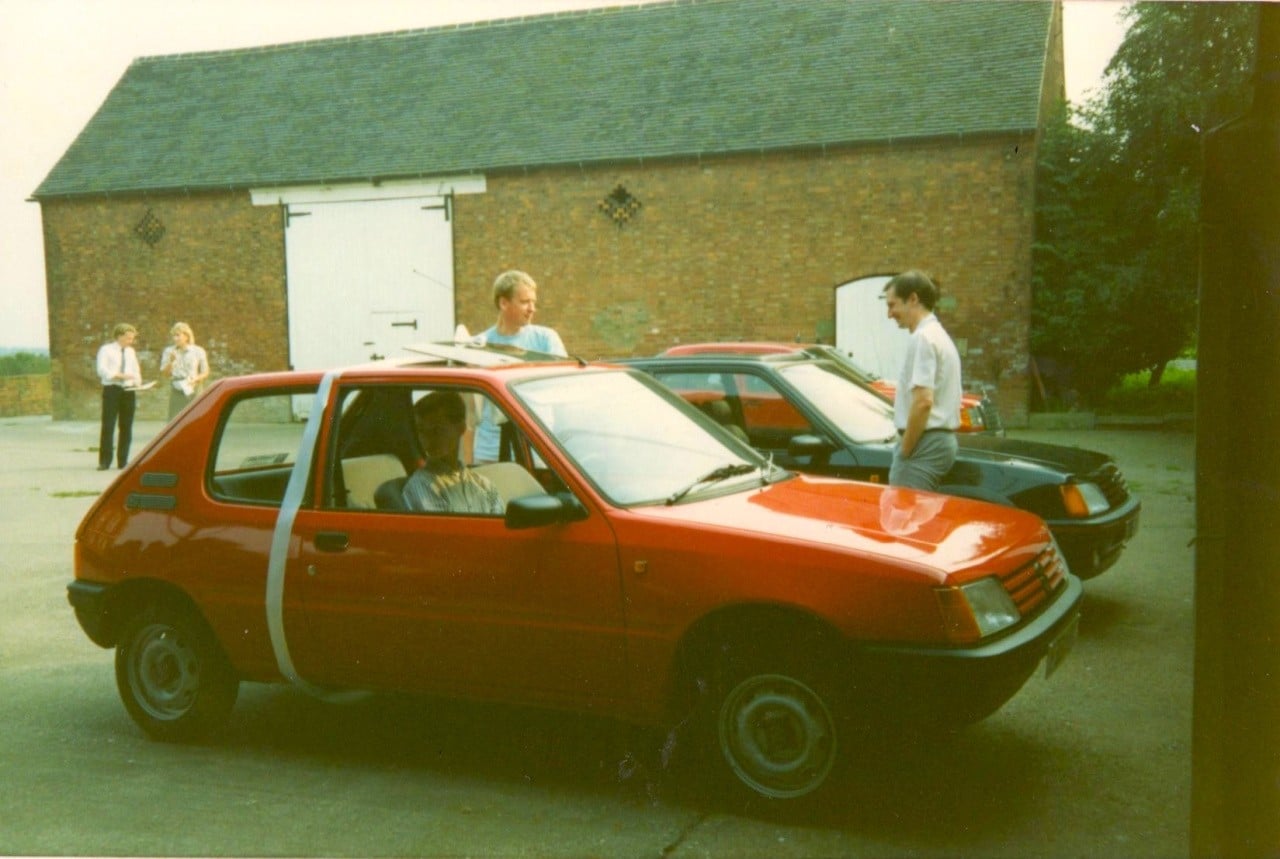
(Bayliss joined Rare in his teens, and would work on WWF WrestleMania, Time Lord, A Nightmare on Elm Street, Battletoads, Donkey Kong Country, Killer Instinct, Banjo-Kazooie, Diddy Kong Racing and Star Fox Adventures. He now works alongside Sutherland at Playtonic Games.)
While Trevor Hill was primarily responsible for the game's visuals, Sutherland credits him with having an equal input on gameplay ideas. "Back then, there was no designer," he explains. "In fact, if you'd have said, 'We'll have someone who designs the game,' people would have looked at you strangely. 'Why would you need someone who designs the game? You're going to write it, right? He's going to draw it, and somebody else is going to do the sound.' That was it."
While the team was compact, the shared knowledge within Rare would help the game evolve. Rare's HQ was made up of a selection of farm buildings and barns which had been converted into offices, and Sutherland found himself in the company of a selection of engineers who would share advice and tips. "There were engineers everywhere, so that was quite useful. People would give me tips and say, 'Don't do this; why are you doing that?' That kind of stuff."
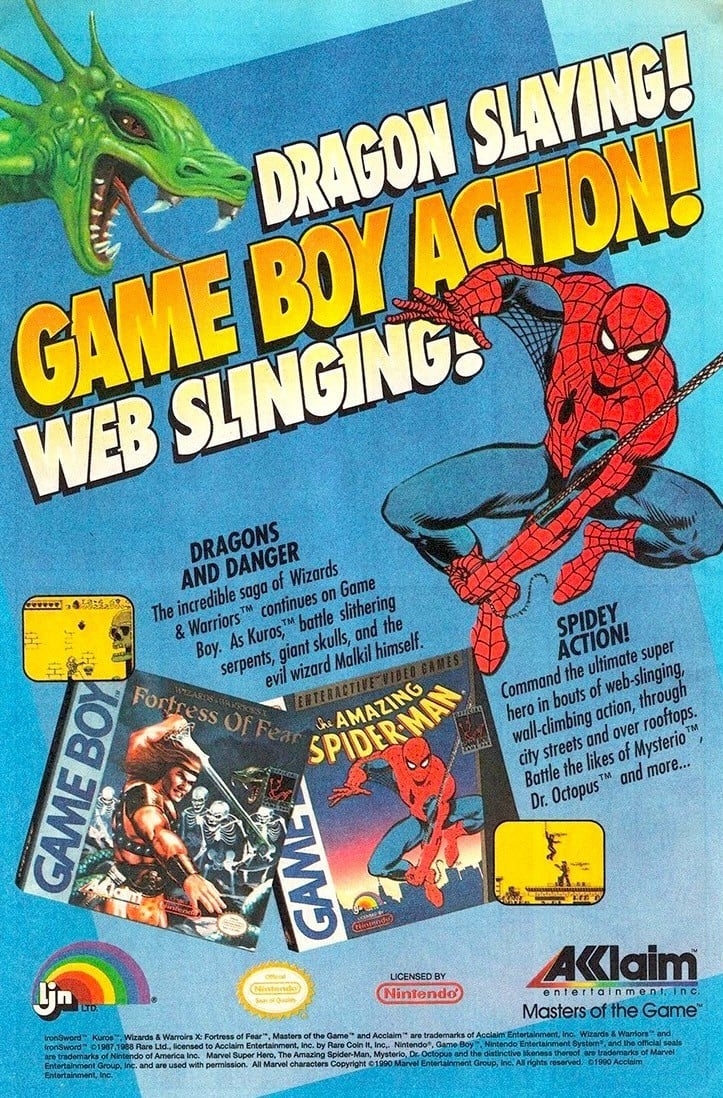
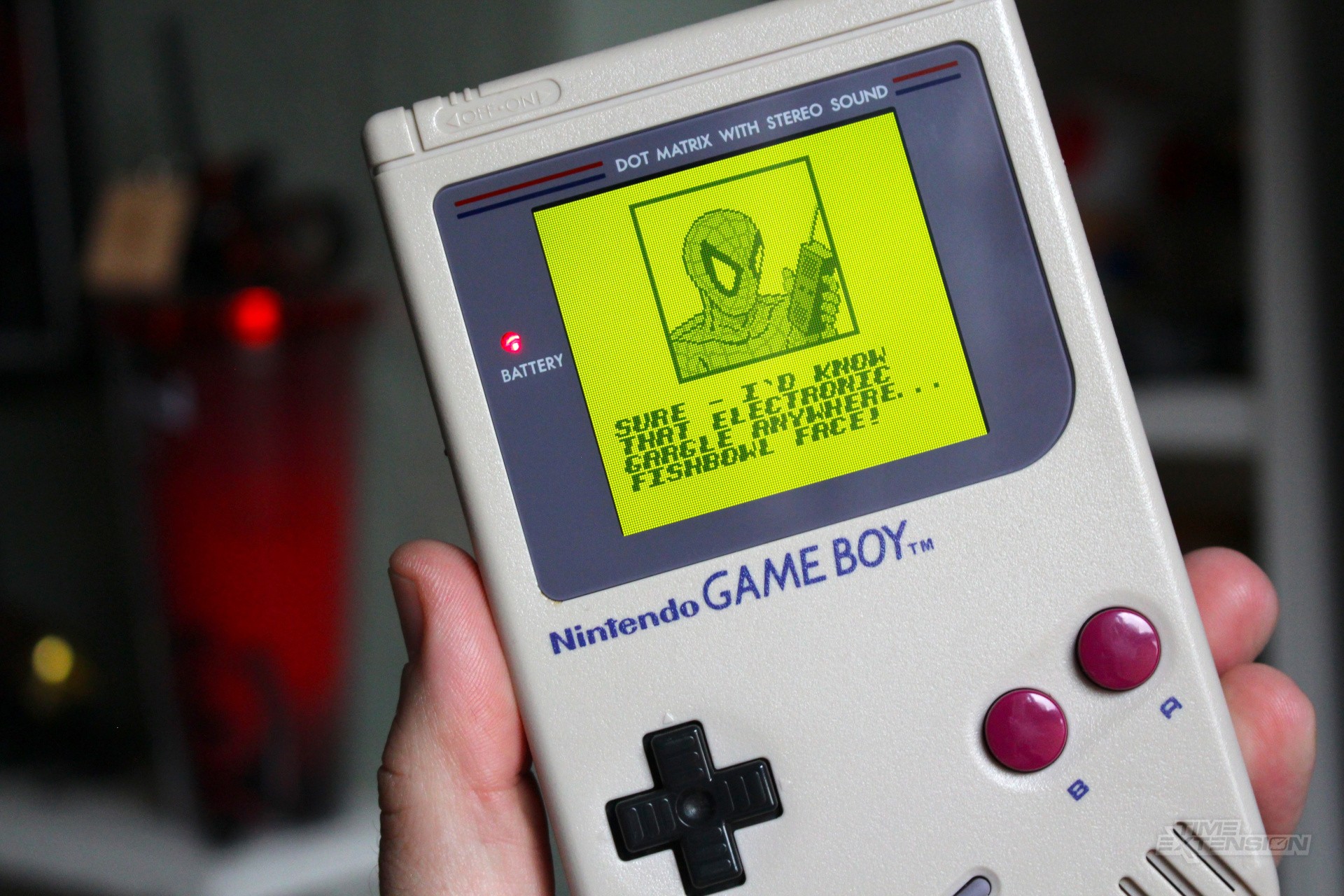
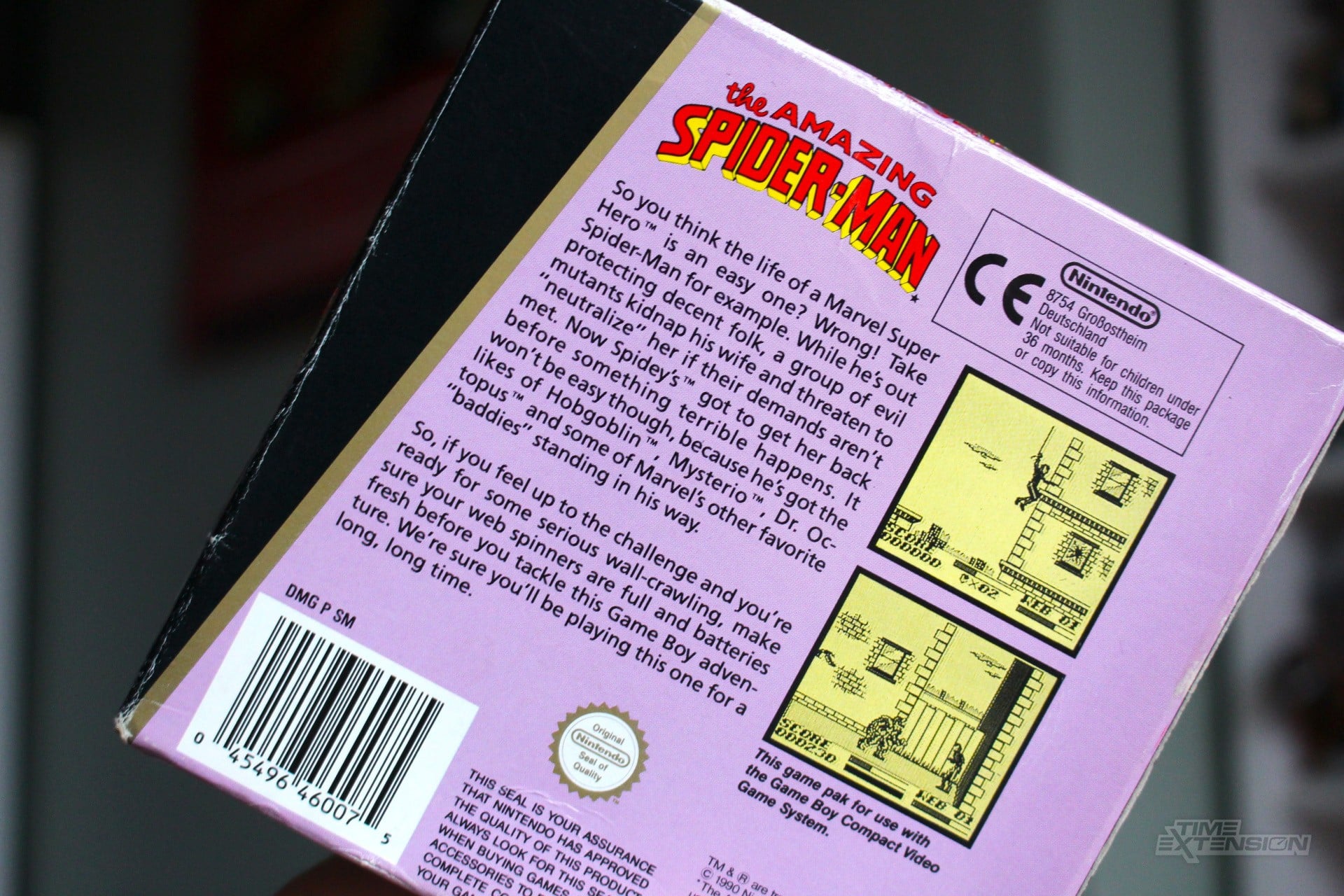
The Amazing Spider-Man isn't a huge game, but it manages to fit in a lot of gameplay mechanics across its six levels. Some stages offer side-scrolling combat, while others see you crawling up buildings and relying on your Spider Sense to avoid incoming projectiles. At certain points, you can dispatch certain hidden enemies by leaping on manhole covers, Super Mario-style, before they emerge, and Spider-Man is even capable of using his webbing to swing across the screen. This particular gameplay feature was one Sutherland was adamant he needed to include, despite the difficulty of making it work on the Game Boy.
"I was thinking, 'Is it going to be a rope that's going to have to swing in kind of with physics in real time?' And I thought that was going to be a bit challenging with the limitations of the machine. Also, then the whole logistics of how you actually make that feel good. It wasn't something I'd considered, but now I look back, and I'm glad I didn't attempt that. Instead, it's a canned animation. There's a lot to be said for the fact that, because the machines are limited and my skills at the time were limited, having those limitations often gives you guidance toward a creative solution that you wouldn't otherwise have. Necessity is the mother of invention, as they say. Nowadays it's difficult because you can literally do anything, and when you can do anything, you find that it's actually really difficult to do anything. The limits we were under back then gave us something to work within."
That's not to say that these limitations prevented the small team from coming up with cool potential features. "Trevor and I went back and forth coming up with ideas," explains Sutherland, before explaining that the hands-on nature of the business meant that its founders would have their own input. "Tim and Chris would come round to check on progress, and we'd show them what we'd been working on. There were probably a lot of things where they directed you in a way that you didn't realise; it's a kind of Alec Guinness in Star Wars where you don't realise you're being directed. 'You should probably look at that. Why didn't you do this?' And it becomes, 'Oh, right, yeah, that was my idea.' So I suspect there are elements of that. Also, Kev would often come round with them and make suggestions. So it was a real joint effort, despite it just being Trevor and me as the core team."
Rare's Quality Assurance team would provide another layer of feedback. "That was run by Hugh Ward; he was one of The Carol's family," says Sutherland. "We'd get reports from them in terms of guidance, in terms of things to improve. I don't remember any specific things, but there would be bug reports and the like. I think initially they were just handwritten things that were like a form, and then it would be written out, and so you'd go through and fix those things, and I'm sure that'll be fed into from Tim and Chris as well."
Looking back now, 36 years later, Sutherland is stunned at the speed The Amazing Spider-Man was developed at. "That's something that flummoxes me even today. It was about just over six months to finish. From literally nothing to the finished product. And that's taking into account the computers we had back then weren't fast, and the graphics input was literally done by hand on graph paper before being handed over to someone whose role was 'Graphics Decoder'. They'd put them in a certain format in a file and save them to a floppy disk, then they'd hand me the disk, and I'd put them into the game. Then I'd sometimes spot that things didn't look right, and the cycle would have to be restarted."
What's equally surprising is that Sutherland doesn't recall much interference from rights holder Marvel or publisher LJN. "That was the way Rare worked in those days," he says. "We were trusted by the Stampers to do the job, and they acted as a barrier between the client and us. They would take the feedback, filter it and decide what needed to be passed down to us, the developers. Clients did occasionally visit Rare, and we'd go out for meals, but that would be the closest contact I'd have with them – and even then, it was more normal chitchat."
Even so, Sutherland reveals that Rare didn't have Carte Blanche to do as it pleased with the game. "I think the original title screen, if I'm not mistaken, they may have had some feedback on, and so we maybe had to make some amendments, some tweaks, here and there." However, the entertaining and extensive dialogue scenes between levels were, as far as Sutherland recalls, approved without much fuss.
The Amazing Spider-Man launched in the middle of 1990, when the Game Boy itself was only a year old in the West. Compared to the early crop of titles, it stood out thanks to its detailed levels, large sprites and fast-paced, inventive action. EGM's panel of reviewers awarded it 8/7/7/7, praising its gameplay, graphics, intermission sequences and music. British magazine Mean Machines was equally positive, giving it a glowing score of 85%.
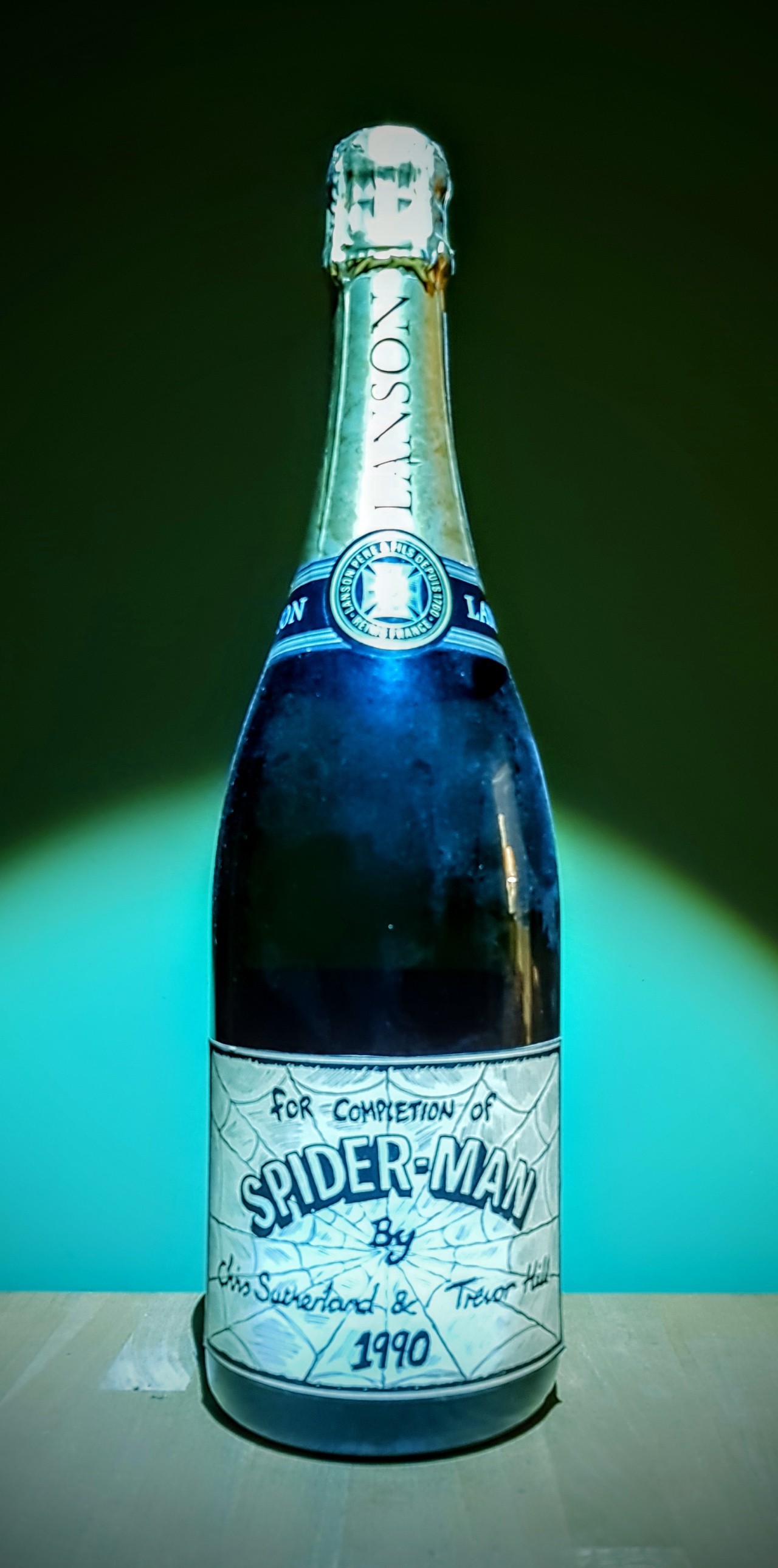
Sutherland didn't have much chance to take note of the critical reaction to his work. "By the time it was being reviewed, we'd already moved on to the next project," he says. "The biggest impact for me was getting flown to CES and seeing it on the show floor; that's when that becomes a tangible reality. I remember showing it to my parents. They were happy, but I don't know if they really understood what it was." The ultimate accolade, it would seem, came from Rare's owners. "We got given a bottle of champagne with a Spider-Man label on it, drawn by Tim Stamper. I still have it."
There are three games in the 'Amazing Spider-Man' series on the Game Boy, but Rare wasn't involved in the other two; they were developed by fellow British codeshop Bits Studios. As Sutherland points out, Joel Hochberg at Rare Coin-It Inc. would have handled licensing deals of this variety. He says he would be surprised if the sequels hadn't been offered to Rare given the commercial success of the first outing, but concedes that the timing might not have been right for the company – which, lest we forget, was about to go into a period of radio silence while it worked on the groundbreaking Donkey Kong Country.
"What people forget is one of the big reasons Rare was able to get the equipment to create things like Donkey Kong Country was because it had spent so long doing licensed titles, like Spider-Man," he says. "That built up the funding required to create truly next-generation games."
Today, Sutherland is working at Playtonic and has served as director on the likes of Yooka-Laylee and its sequel, Impossible Lair. Looking back on the creation of his first-ever game is a sobering experience.
"There was no written document that said what the game was going to be. There was nothing to say, 'It's going to be this.' There's an enormous amount of trust that's placed in you, but what's even more remarkable to me now is that I didn't see this as weird at the time. Rare didn't operate quite the way I'd imagined; I assumed it was a kind of laboratory where everyone would be testing different ideas, but it wasn't like that. It was just, 'Off you go, yeah, make something.' And we did!"