
 by
by 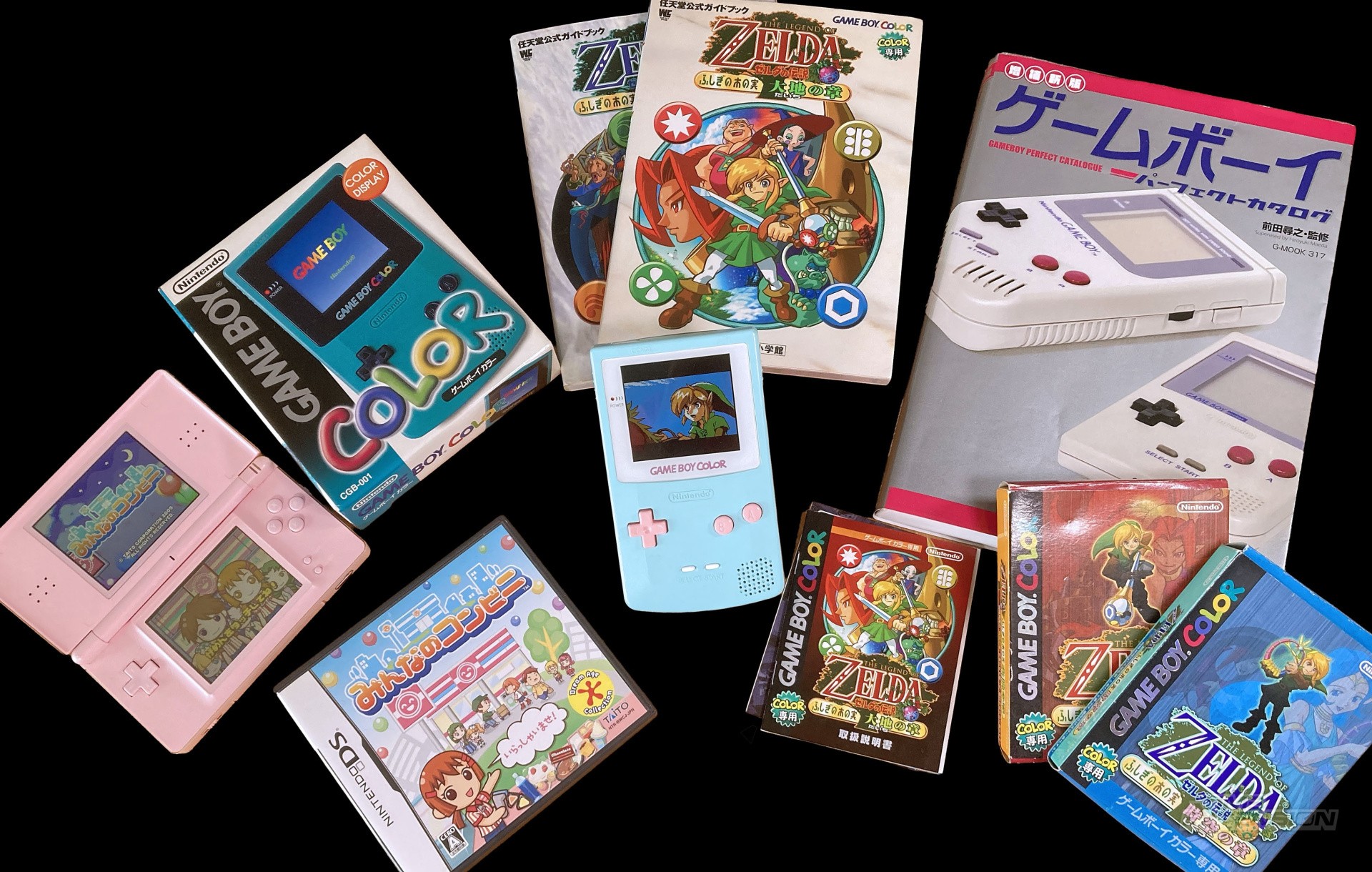
Indulge me just a moment! Sometime around 2002, I’d just received my latest student loan payment. Naturally, I used some of it to purchase ADV’s release of Neon Genesis Evangelion on DVD.
At last I could switch on Japanese audio and subtitles unlike the VHS days, but I found myself having the same realisation I had trying to play Fire Emblem Monshou no Nazo for the Super Famicom earlier that year: If I really listened to the Japanese seiyuu (voice acting) cast in Evangelion — just as if I really looked at Monshou no Nazo’s written dialogue, understanding Japanese seemed an impenetrable fortress.
There was nothing I heard or saw that I could latch on to. This desire to play games in Japanese, understand anime, read manga, and converse in Japanese smouldered for many years. Fast forward 15 years: fed up with my job, I did what any sane person would do. I saved up the money, quit my job and moved halfway around the world to live and work in Japan.
Video gaming is one of the most fun and rewarding ways I know of for aiding your journey into “learning” a language, especially Japanese. In this article, I hope to blend practical advice about learning Japanese, my experiences of visiting second-hand shops in Japan, how to obtain physical games and other paraphernalia if you’re not in Japan, and strategies and general guidance on how to use video games, particularly retro games, in your journey of learning Japanese.
Where Do You Start?
My 5 key prompts to get you started in Japanese don’t involve games at all:
- Take a beginner’s “evening” class. It will give you a basic grounding in the bare basics.
- Learn how to read and ideally write hiragana and katakana – known collectively as kana. These are the two Japanese phonetic syllabaries that describe the sounds of Japanese. Don’t waste any time on romaji – you’ll pick it up separately, and if you internalise its use early on, it can hinder your progress.
- Get a decent beginner’s textbook. It will at least structure your initial studies. After my first textbook, I didn’t use any others personally, though I still own my copy of Japanese from Zero bought on Glasgow’s Sauchiehall Street all these years later.
- An offline dictionary for your phone. I use imiwa? on my iPhone. This will be essential for looking up new words and storing them.
- Set up Anki. Literally meaning memorise, this app will help you recall vocabulary, sentences or anything else you can throw into it. It’s not glamorous, and some will contest it’s not necessary, but for most people, some repeated exposure is the key to memorising.
With these 5 things in place you’ll be a strong starting position, and the above is pretty much what I had in place by the time I moved to Japan. Then my real learning began!
Second-Hand Experiences
Retro game shopping is a storied experience on the internet; many paragraphs and hours have been devoted to the topic. I don’t think I need to repeat what has already been said, except that when I look back on my time in Japan, my memories of visiting a local branch of Yorozuya are full of wonder.
On a Friday, having finished work, I’d go for my run around the mountain village I worked in, talking with locals on the way and students of mine that I bumped into. Afterwards, I’d drive up to the road station in Kuzakai to change clothes and get a can of peach Nectar. Then it would be straight to Yorozuya, my Friday was on!
Yorozuya’s erstwhile Motomachi branch in Morioka was a place of wonder, more like a museum. Here you could find just about anything and much at a very reasonable price. If you wanted a 3DO, they had three; a Game Boy Color — buy it off the shelf. A copy of Super Tempo for the Saturn, it was there, albeit still not cheap. This doesn't even cover the shelves and shelves of Game Boy, Famicom, and Super Famicom software, or the stacks of PlayStation games.
The key to navigating games in these stores is familiarity with the kana, as games are organised according to the go-juu-on-jun (Japanese syllabary order) — naturally, being Japan, games are not organised alphabetically! So if you want a copy of Virtua Cop you need to be looking under ば (ba) for バーチャ (ba-cha).
Sadly, this branch of Yorozuya was demolished in 2024 to make way for a branch of Hamazushi (conveyor belt sushi chain). But on one such Friday visit to Yorozuya as I sipped on an ice coffee, I took in the view like never before. Looking out at the Kitakami mountains, an ordinary road pulsing with commuters on their way home, I saw, as if for the first time, the beauty of an unremarked place that was all too easily overlooked during the daily grind.
That memory has become part of the internalised landscape of my time in Iwate prefecture and of spending my Fridays hunting around Yorozuya. I thankfully had the good sense to take a photo of the scene to remind me in the future of a moment that was so commonplace to me at the time, but would become an affirmative memory in time.
Obtaining Goods Outside Of Japan
If you want to find physical games and media outside of Japan, your best bet is a proxy shopping service. Many exist, such as Buyee, FromJapan, Neokyo, etc., and you can use them to make purchases on Japanese marketplaces such as Yahoo Auctions, Mercari, Rakuten, and Surugaya. I even frequently pre-order on amazon.co.jp via these services for new Switch releases or gaming-related books.
These services have built-in translation, but if you’re looking for Japanese editions of games, the best way to search is to find the Japanese name by looking up the game on Wikipedia. Often, after the name of the game on Wikipedia, there will be a footnote reference that contains the Japanese name you can copy and paste into the proxy service search, or the marketplaces’ search directly.
If you’re searching for a game’s manual, append 説明書 (setsu-mei-sho) or 取扱説明書 (tori-atsukai-setsu-mei-sho) to the name of game. Likewise, ガイドブック (guidebook) or 攻略本 (kou-ryaku-hon - strategy guide) will yield guidebooks. Prepend either with 公式 for official guides if they exist, e.g. ファイアーエムブレム公式ガイドブック would yield official guidebooks for Fire Emblem games.
With these proxy services, orders are delivered to their warehouse, and when you are ready to ship, you can request your purchases to be bundled up and sent to you. Keep in mind you need to pay for postage on top of what you have already paid and any applicable import duties. In the UK as of 2026, you can import up to the value of £135 without duty payable.
Of course there are other ways that don’t require physical materials!
A Route For Using Retro Games In Learning
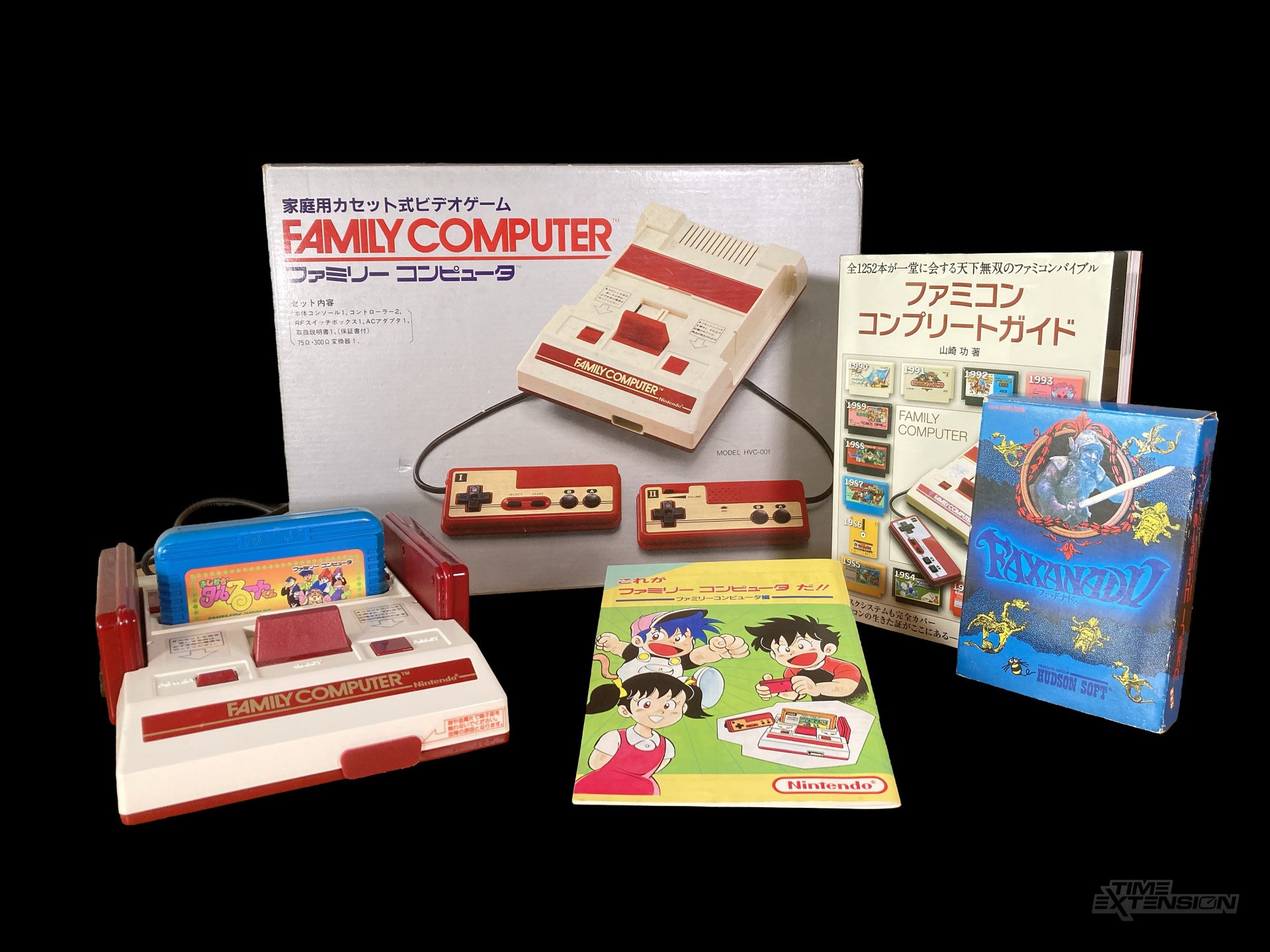
When the Famicom boom kicked off in 1985, it became the must-own “toy” for kids. As a result of this and the system’s abilities, many games were chock-full of kana. As the basis of the Japanese syllabary, it may seem that Famicom-era games are the video game equivalent of starting reading practice with children’s books.
The reality is that reading huge chunks of kana is actually harder going for many learners than text that also uses the kanji (Chinese characters). It sounds counter-intuitive: how can a system that, at its bare minimum, has ~2100 jouyou (everyday) characters make things easier to read?
Unlike kana, kanji by themselves have an attached meaning. For example, 家 (ie) means “house”, but because the character is used in multiple words, it more broadly contains the concept of home or family. So even if you can’t read the word, you can sometimes infer the meaning. There does exist ateji - words made from kanji for their sound, not their meaning but you’ll discover that before long. In addition, kanji acts as a kind of delineation or punctuation within prose, making it easier to pick the bones out of text; at least that was my experience.
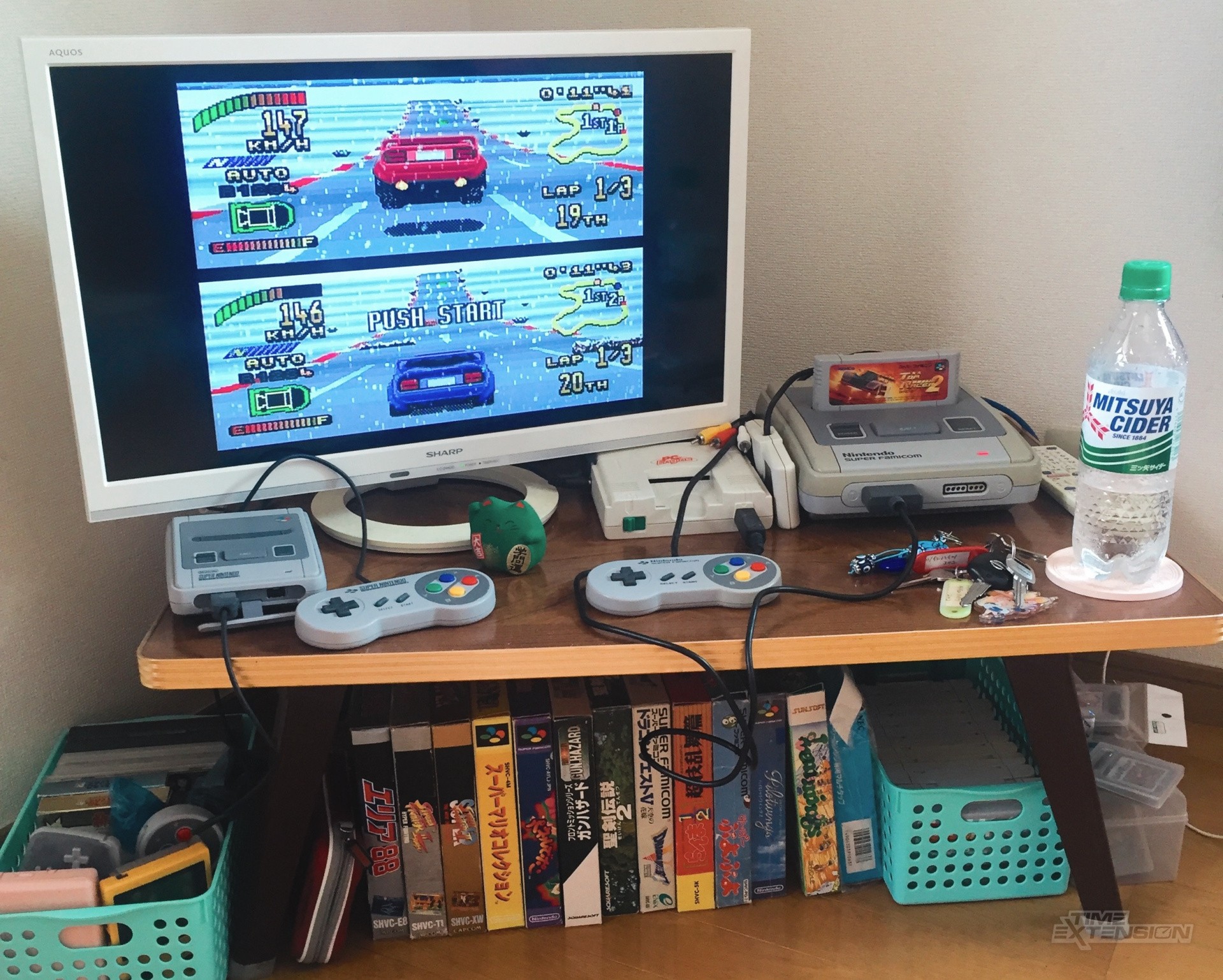
Instead, the earliest systems I recommend starting your Japanese retro gaming journey with are 16-bit era systems (Super Famicom/Mega Drive, etc.) or, better still, the 32-bit 5th generation, such as the PlayStation or Saturn, as they may also have voice acting. Some Famicom, MSX, etc. games use kanji, but the low resolution can make it hard for learners to read.
There are many ways to learn kanji, but I found Wanikani worked for me. Don’t worry if it takes you years; it did for me! Once I got the first few levels of Wanikani down, that’s when I started recognising some words in Super Famicom or PC Engine games. Of course, understanding Chrono Trigger’s dialogue was a long way off to begin with, but encountering real-world usage of what I was learning made the abstract real and cemented the knowledge.
Once I had made good inroads with Wanikani and had a strong grounding in Japanese itself, I turned back towards the Famicom-era games chock full of kana. I picked up some of the murder mystery games such as the genre defining Portopia Renzoku Satsujin Jiken or Famicom Tantei Club games. Being dialogue-driven, these gave me ample chance to learn to read hunks of kana.
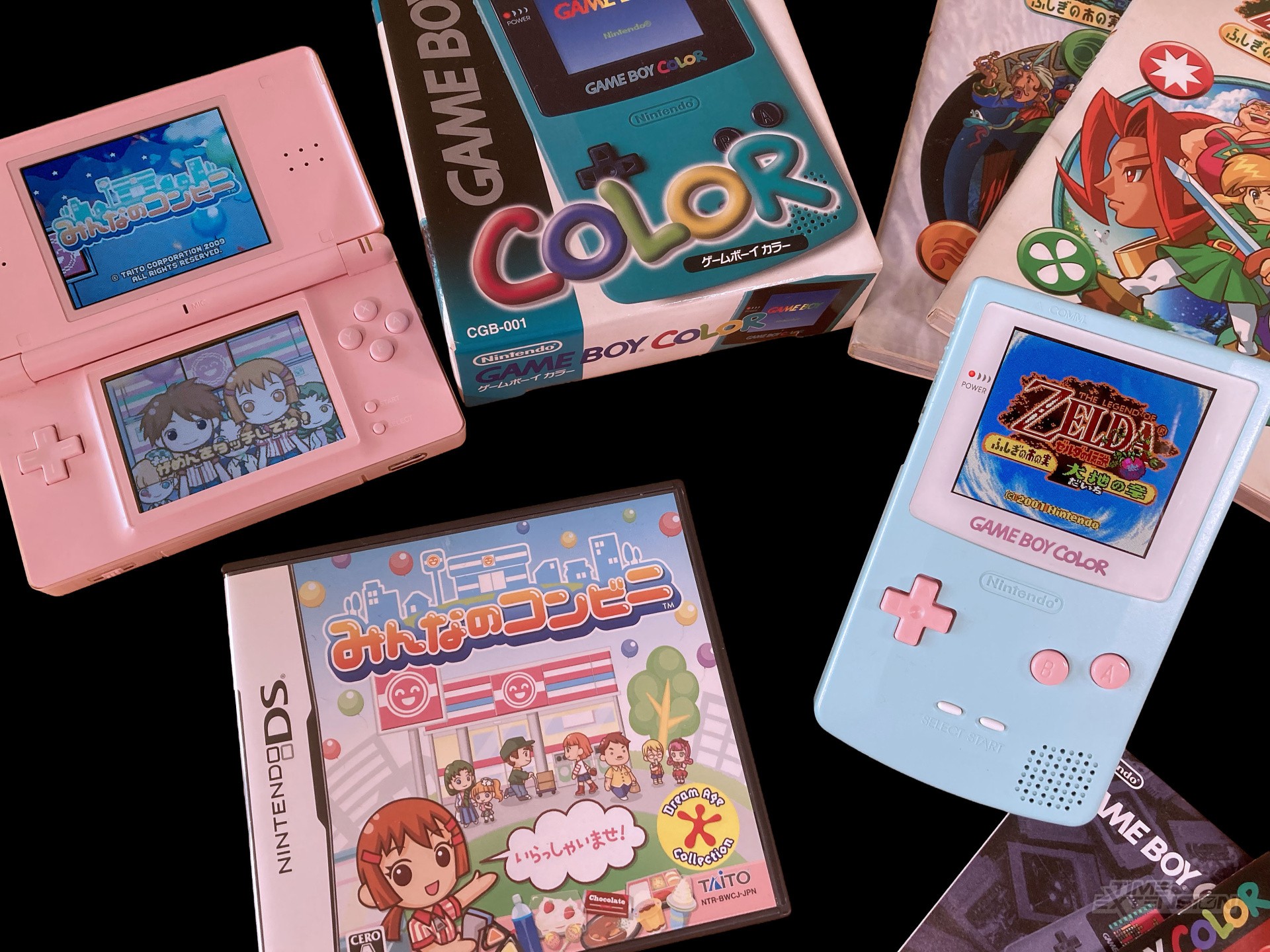
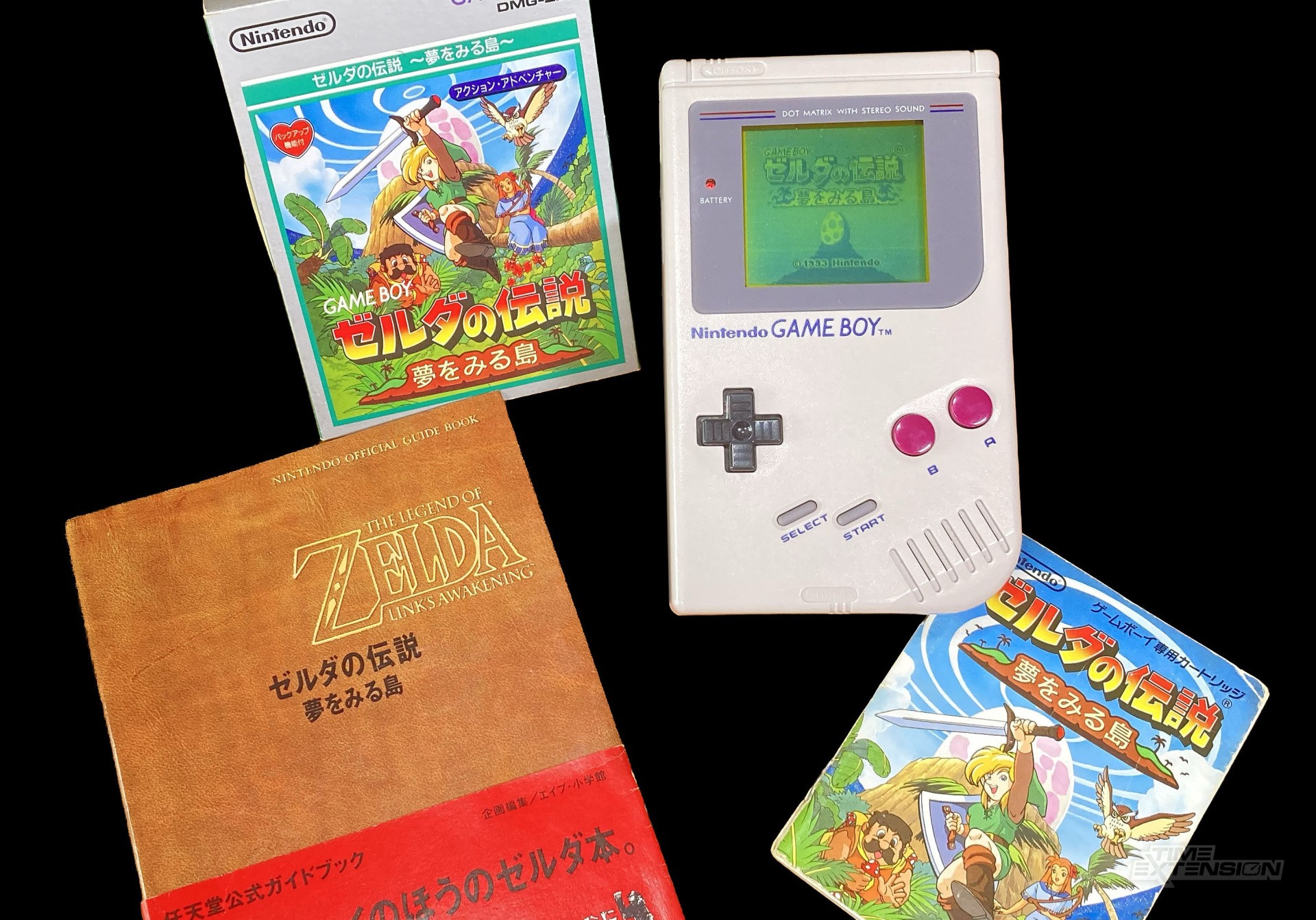
Super Famicom-wise, Final Fantasy Mystic Quest is another good learning aid, as it only uses kana; likewise, the original Seiken Densetsu (Final Fantasy Adventure) on Game Boy is a good stepping stone. If you consider the DS as retro gaming as I do (more importantly, it’s fun gaming), then you will encounter some games that offer furigana, which use the kana to help you read kanji. A good game for beginners on the DS is Minna no Conbini and for those progressing with kanji, Cinq’s Wish Room - Tenshi no Kioku (Hotel Dusk - Room 215) is great.
On the PC Engine, many of the digital comics such as Urusei Yatsura - Stay With You and Ranma 1/2 - Toraware no Hanayome are enjoyable, especially for franchise fans. 5th generation-wise, I’d recommend something like Tokimeki Memorial — dating sims may seem a bit cringe, but it’s an excellent game to learn with, and I admit, even as a 40-something skater-girl, that I immensely enjoy it on the Saturn!
Hopefully you're getting that video games support input and constant iteration. It’s a real-world reinforcement of stuff you learn, but more than anything, it’s fun! You can, of course, play the Japanese edition of Sonic 2, but that’s not going to help your Japanese much. Rad box art, though!
Manual Mode
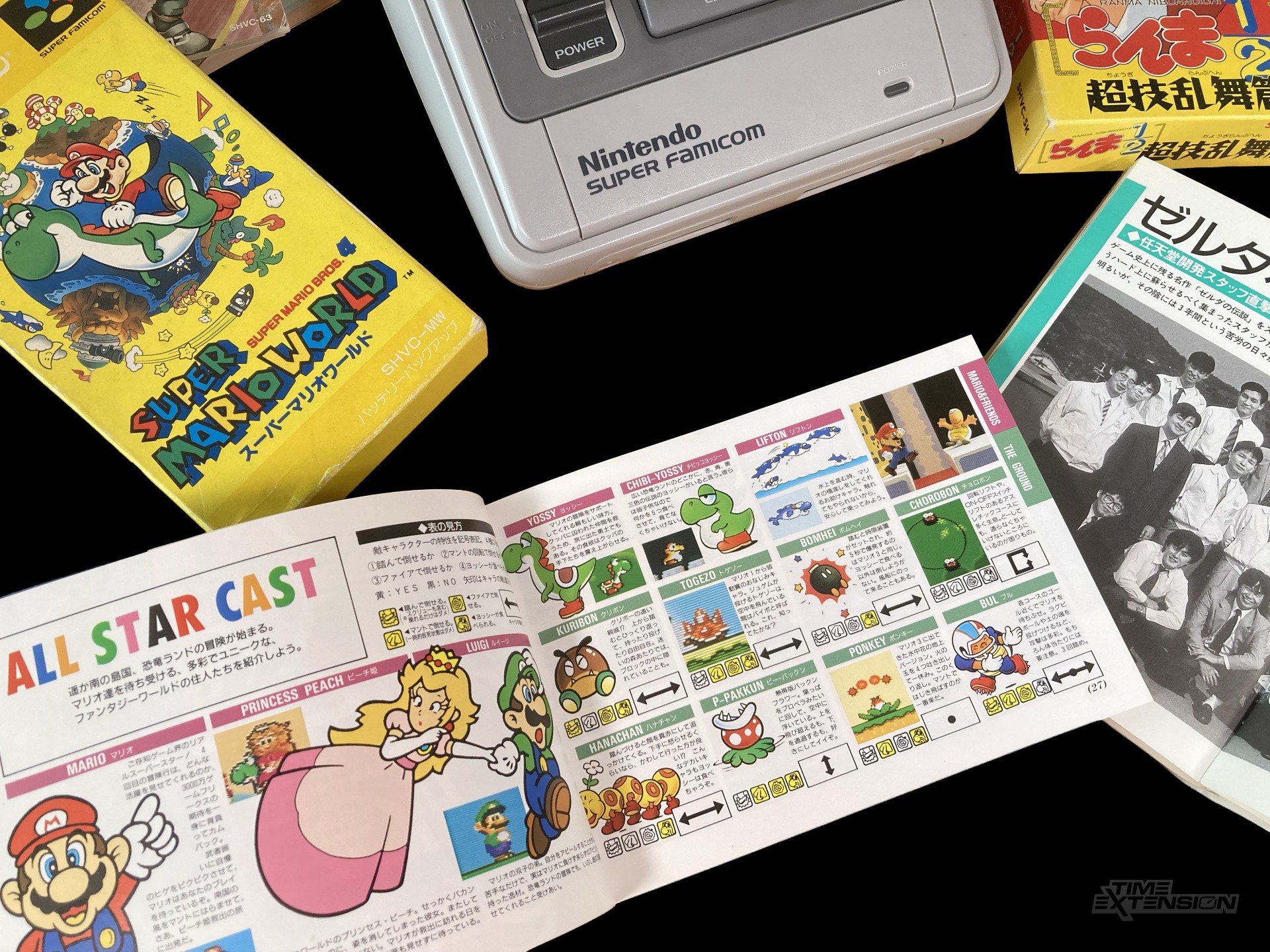
The manuals for games should not be overlooked at all. These are a great way to introduce Japanese reading practice, as they often contain a backstory with useful vocabulary to study.
The instructions on how to play games in these manuals are often written in a relatively straightforward Japanese. Video game manuals and the textbooks aimed at Japanese-speaking students were my first real breakthroughs in being able to read largely unassisted basic Japanese.
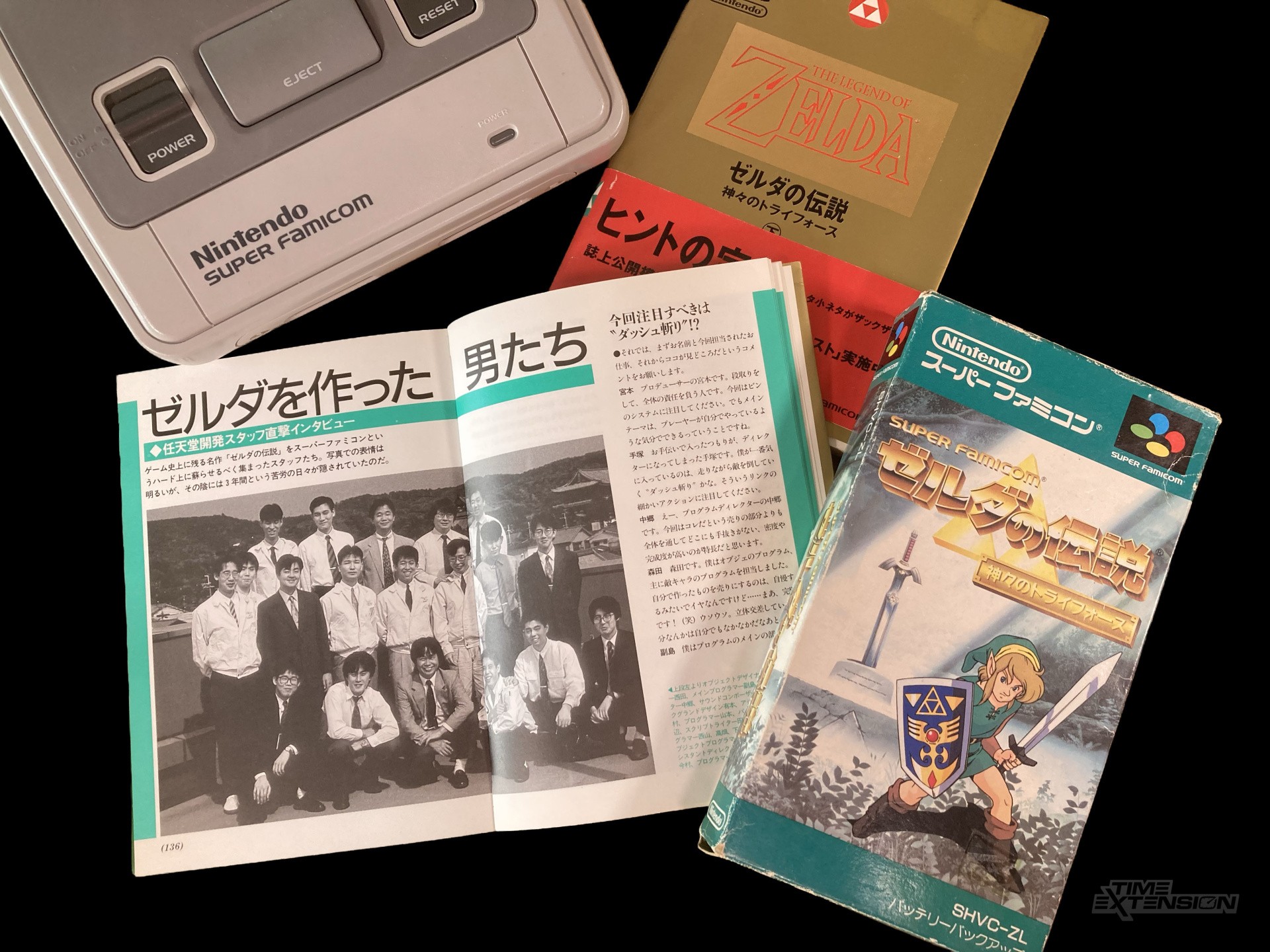
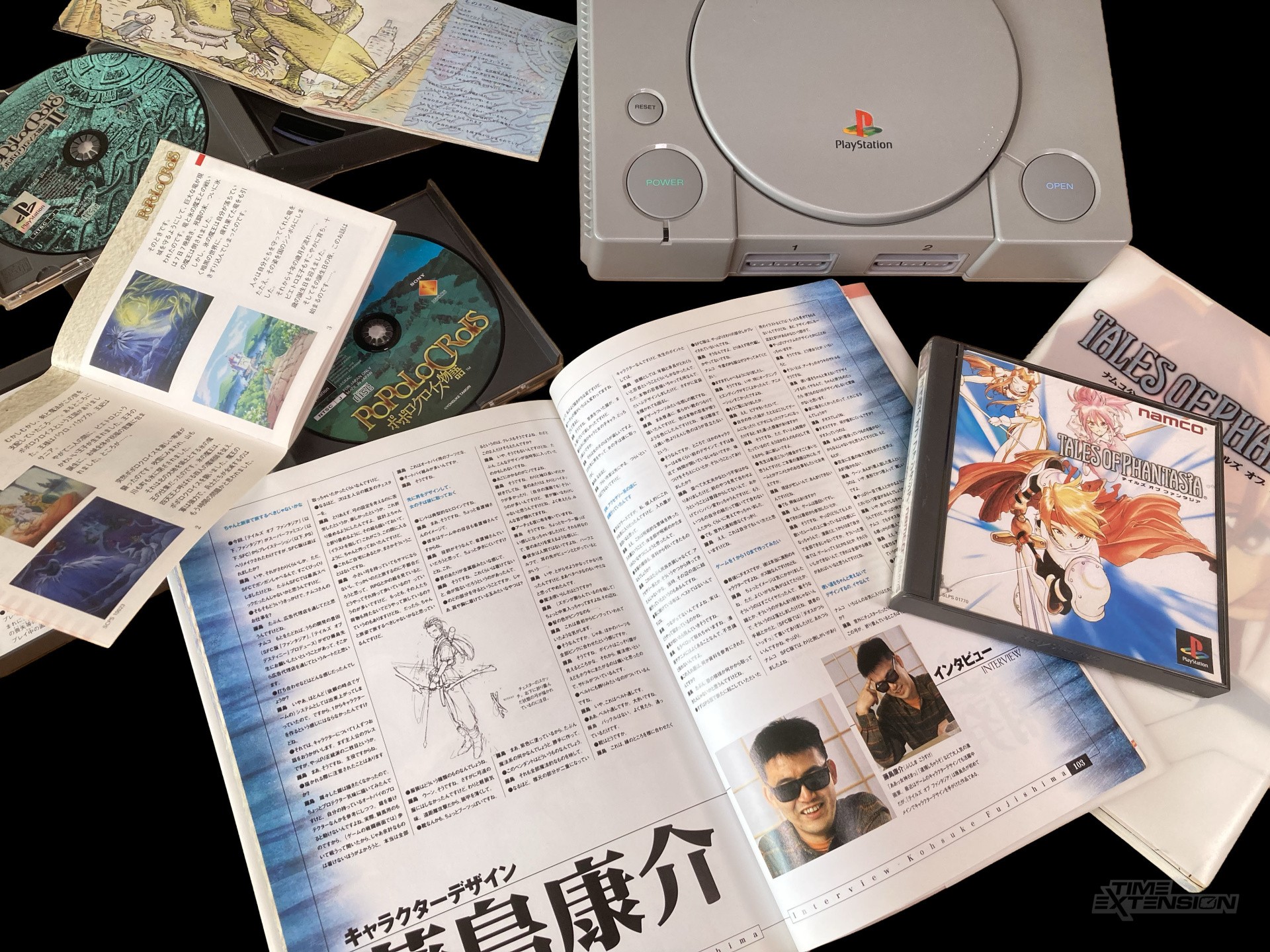
From manuals, I started buying guidebooks, not just because some of them are works of art in themselves but because they really started pushing my reading in something I was really interested in. This natural desire pushed me through the frequent mental blocks and exposed me to interviews in these guides with staff, artists, voice artists and more who worked on the games. Whilst some of these old, especially Famicom-era, guides are now collectable and expensive, plenty of 5th-generation-era guides are still very cheap.
Consume Media
Just as you can buy plenty of retro gaming-related books in any language, in Japan catalogues for each system give you an overview of a system and its entire library. There are two main series that I can recommend: Yamazaki Isao’s Complete Guide series and Maeda Hiroyuki’s Perfect Catalogue series.
These catalogues are a wonderful handbook to each system, some spanning more than one volume and if you’re looking for a lowdown on a system and its library, they are excellent Japanese reading practice as well. It’s why I learned words like ishoku (transfer/transplant - also used to describe a port of a video game) and baitai (media) early on in my Japanese journey.
Aside from reading, Fuji TV’s Game Centre CX, the Japanese retro gaming show, has been a real indulgence of mine for years now. Watching Arino ka-chou (section manager) battle through retro games is tremendous fun, and his ample use of kansai-ben (Kansai-region dialect) has been excellent for gaming as so many games make use of this dialect which can be quite distinct from “standard” Japanese. In fact, it became essential when I moved to the Kansai region myself. At least I knew how to say wakarahen from the off! (wakarahen is the Kansai dialect form of wakaranai - meaning don’t understand.)
There also exists plenty of manga based on video game characters such as Mario, Link, Rockman and more, but personally these were a little too child-oriented to hold my attention for learning, but these may appeal to some.
Years And Years
Today, I play most of my games in Japanese, and I still can’t believe I got this far. I devote a fair amount of my time to my YouTube channel Saki Endo’s Rubbish Heap, where I review games and their accessibility to Japanese learners and non-learners alike.
I owe so much of that to video games, which have been and continue to be an instrumental part of learning Japanese. I’ve realised the huge potential we all have to learn and enrich our lives. These days it might be easier to rely on screen translation or even so-called AI, but to possess the ability within yourself that you can summon when needed is something that adds a vast richness and colour to life.
I implore you to find a way that works for you, and you’ll only find out through playing. Ganbatte kudasai!